
Views: 0 Author: Site Editor Publish Time: 2026-04-07 Origin: Site


If you’ve ever wondered how modern drug delivery systems evolved from bulky syringes to sleek, user-friendly injection devices, you’re not alone. The rise of peptide therapies—used in everything from diabetes care to anti-aging treatments—has fueled demand for precision delivery systems. And right at the center of this evolution? The peptide pen supplier.
But here’s the thing: choosing a peptide pen supplier isn’t just about buying a device. It’s about crafting an experience, ensuring safety, optimizing performance, and building a brand that people trust. Think of it like building a high-performance sports car—you don’t just pick the engine; you fine-tune every component.
So, let’s dive deep into what really matters when working with a peptide pen supplier.
When you start working with a peptide pen supplier, the first question isn’t “What do you sell?”—it’s “What do I need?”
Customization is the DNA of your product. It determines how your peptide pen performs, feels, and even how patients perceive your brand.
Imagine your peptide pen as a living organism. Its DNA includes:
Dosage accuracy
Injection volume
Cartridge compatibility
User interface (clicks, dials, digital displays)
Reusability vs disposability
Compared to off-the-shelf solutions, customized peptide pens are better aligned with your therapy goals, though they can be more expensive and slower to develop.
Different users = different needs.
Elderly patients → Need larger grips, easier dosing (lighter force required)
Athletes/bodybuilders → Prefer compact, portable, faster injection systems
Chronic illness patients → Value reliability and consistency over aesthetics
Compared to generic pens, customized versions are often more user-friendly and safer, especially for patients with limited dexterity.
Not all peptides behave the same. Some are:
Temperature-sensitive
Viscous (thicker fluids)
Light-sensitive
A good peptide pen supplier helps you adapt materials and mechanisms accordingly. Compared to standard devices, tailored pens are stronger in performance stability but may be more complex in manufacturing.
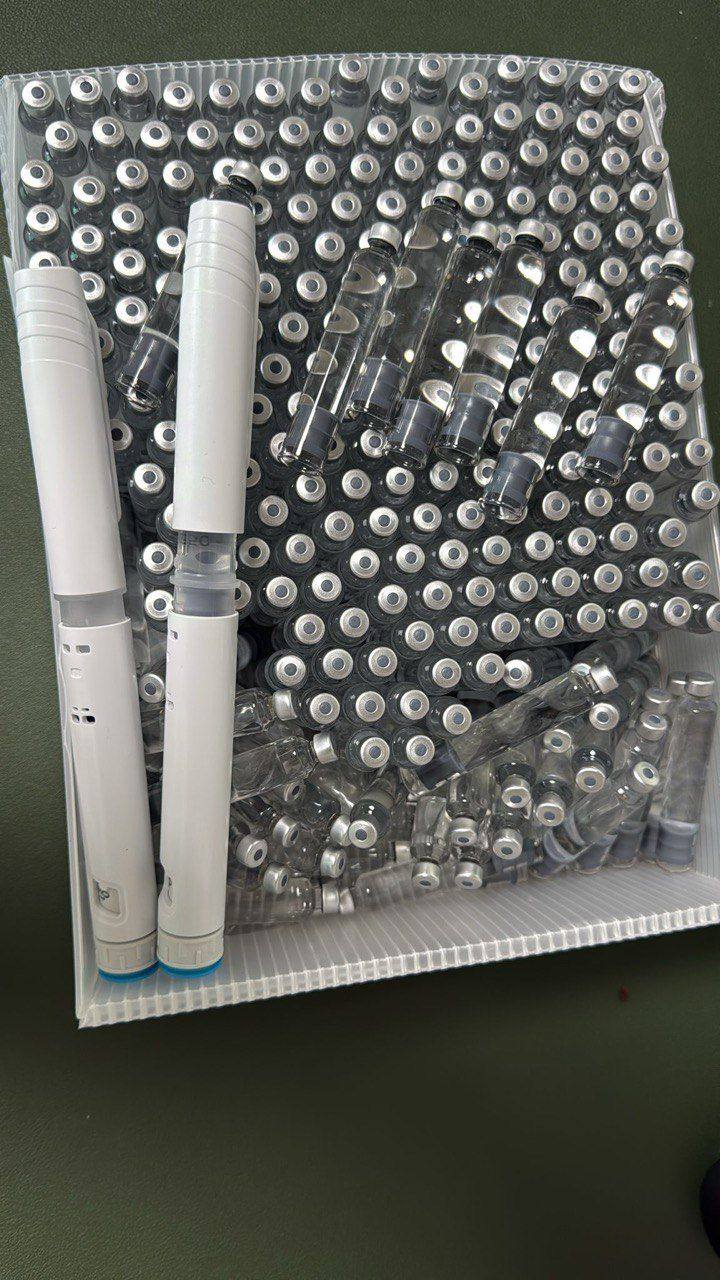
Let’s get mechanical for a moment—because this is where the magic happens.
A peptide pen isn’t just a container; it’s a precision instrument.
Component | Function | Customization Options | Pros vs Cons |
|---|---|---|---|
Cartridge | Holds peptide solution | Glass vs polymer | Glass is stronger but heavier; polymer is lighter but less durable |
Plunger system | Delivers dose | Manual vs spring-loaded | Spring-loaded is faster but more expensive |
Needle system | Injection interface | Fixed vs replaceable | Replaceable is more hygienic but less convenient |
Dose selector | Controls dosage | Dial vs digital | Digital is more precise but more costly |
Here’s the reality: higher precision = higher cost.
Digital dosing systems are more accurate and safer, but also more expensive
Manual systems are cheaper and simpler, but slightly less precise
Compared to traditional syringes, peptide pens are faster, more consistent, and easier to use, especially for self-administration.
Have you ever used a dull pen versus a smooth one? The difference is huge.
Key factors:
Injection force
Needle sharpness
Delivery speed
A well-designed peptide pen feels almost effortless—like slicing through butter instead of pushing through resistance.
Let’s be honest—people judge products by how they look.
Even in healthcare.
Think about it: if a patient uses a device daily, would they prefer:
A bulky, clinical-looking tool
Or a sleek, modern, almost “tech gadget” feel?
The answer is obvious.
Compared to plain designs, branded peptide pens are more engaging and build stronger patient loyalty.
Color schemes aligned with your brand
Logo printing or engraving
Packaging design
Ergonomic shapes
This might sound surprising, but design creates trust.
A well-designed peptide pen feels:
More reliable
More professional
More worth the price
Compared to generic devices, branded pens are better for market differentiation, though they can be more expensive to produce.

Now let’s talk about the less glamorous—but absolutely critical—side of things.
Regulation.
Peptide pens are classified as medical devices. That means:
Strict quality standards
Documentation requirements
Clinical validation
Skipping this step? Not an option.
FDA (U.S.)
CE Marking (Europe)
ISO standards (especially ISO 13485)
Compared to unregulated products, compliant devices are safer and more trusted, but also slower to bring to market.
Document Type | Purpose | Importance |
|---|---|---|
Design History File | Tracks development | Critical for audits |
Risk Analysis | Identifies potential failures | Ensures patient safety |
Validation Reports | Confirms performance | Required for approval |
IFU (Instructions for Use) | Guides users | Reduces misuse |
A reliable peptide pen supplier doesn’t just manufacture—they guide you through this maze.
Here’s where things get interesting.
Most people think customization stops at design—but that’s just the beginning.
A strong peptide pen supplier helps with:
Component sourcing
Inventory management
Global distribution
Compared to handling logistics alone, supplier-managed systems are faster and more efficient, though sometimes less flexible.
Fully assembled pens
Semi-finished components
DIY assembly kits
Each option has trade-offs:
Fully assembled → faster deployment, but more expensive
DIY kits → cheaper, but require more expertise
Before your product hits the market, it undergoes:
Mechanical testing
Stability testing
User testing
Think of this like crash-testing a car—you want to know it performs under pressure.
Compared to untested devices, validated peptide pens are stronger in reliability and safety.
At the end of the day, a peptide pen supplier isn’t just a vendor.
They’re a partner.
A good supplier provides:
Customization expertise
Regulatory guidance
Manufacturing excellence
Logistics support
A great supplier goes even further:
Helps you innovate
Speeds up your time-to-market
Enhances your brand value
Choosing the right peptide pen supplier is like choosing a co-pilot for a long journey. The wrong one slows you down. The right one? They help you fly.

Question | Answer |
|---|---|
What is a peptide pen supplier? | A peptide pen supplier designs, manufactures, and often helps customize injection devices specifically for peptide-based therapies. |
Are customized peptide pens better than standard ones? | Yes, they are usually better in terms of usability, precision, and branding, but they are more expensive and take longer to develop. |
How long does it take to develop a custom peptide pen? | Typically 6–18 months, depending on complexity, compared to ready-made solutions which are much faster. |
What are the main cost drivers? | Customization, regulatory compliance, materials, and technology (digital vs manual systems). |
Are peptide pens safe for all users? | Generally yes, but precautions are needed for certain populations (e.g., children, elderly, or those with needle anxiety). |
What are the potential side effects? | Side effects are usually related to the peptide drug, not the pen itself, but improper use can cause injection site reactions. |
Disposable vs reusable pens—what’s better? | Disposable pens are more convenient and hygienic, while reusable pens are more cost-effective and environmentally friendly. |
How do I choose the right supplier? | Look for experience, regulatory knowledge, customization capabilities, and strong quality assurance systems. |
Can peptide pens be used for all types of peptides? | Not always—some peptides require specialized delivery systems due to viscosity or sensitivity. |
What certifications should a supplier have? | ISO 13485, FDA compliance, and CE marking are essential indicators of quality and safety. |


