
Views: 0 Author: Site Editor Publish Time: 2026-04-03 Origin: Site


When you’re searching for a peptide pen supplier, it can feel a bit like navigating international travel paperwork. There are passports, visas, approvals, and stamps—except in this case, they’re certifications, compliance frameworks, and regulatory approvals. And just like travel, one missing document can stop everything cold.
So, how do you know if your supplier is truly “cleared for takeoff”?
Let’s break it down in a way that actually makes sense—no jargon overload, just clear insights, comparisons, and practical guidance you can use.
Think of ISO 13485 as the birth certificate of any serious peptide pen supplier. Without it, the supplier essentially doesn’t “exist” in the regulated medical device world.
ISO 13485 is a globally recognized standard for quality management systems in medical devices. Since peptide pens often fall under drug delivery systems, this certification ensures:
Consistent product quality
Risk management integration
Regulatory compliance readiness
Now, here’s the thing—not all suppliers are equal.
A supplier with ISO 13485 is:
Better at maintaining consistent product quality
Stronger in regulatory compliance
Safer for long-term partnerships
Compared to a non-certified supplier, they are:
Less risky
More predictable
Easier to scale with
Aspect | ISO 13485 Certified Supplier | Non-Certified Supplier |
|---|---|---|
Quality Control | Better, standardized | Inconsistent |
Regulatory Approval | Faster | Slower |
Cost | More expensive upfront | Cheaper initially |
Risk | Lower | Higher |
Imagine launching a peptide therapy product. Would you rather work with a supplier who already understands regulatory expectations—or one learning on the job?
Exactly.
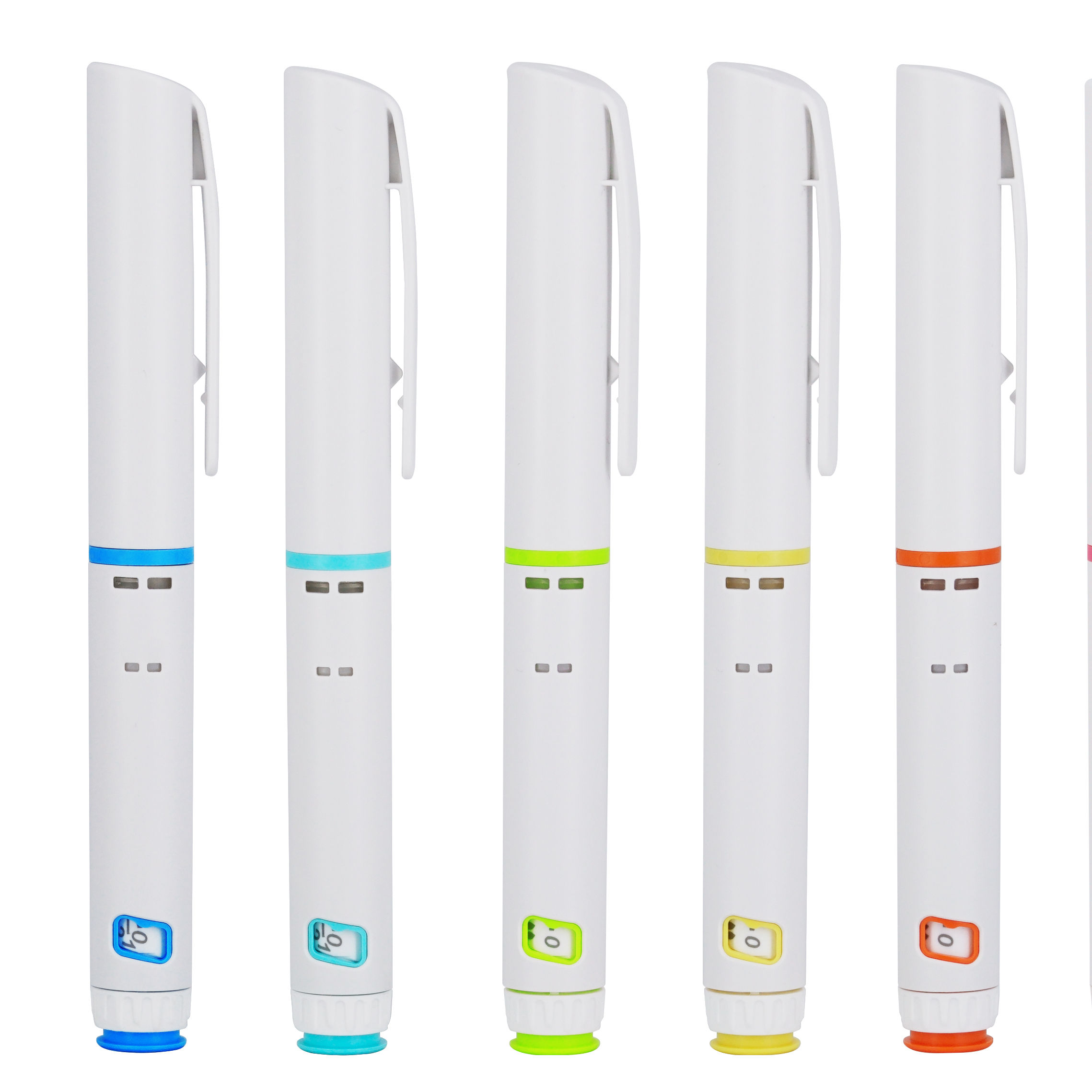
If ISO 13485 is the birth certificate, then GMP certification is the visa that lets your peptide pen enter global markets.
GMP ensures that products are:
Produced consistently
Controlled according to quality standards
Safe for human use
Without GMP, your peptide pen might never make it past regulatory “immigration.”
Feature | GMP Supplier | Non-GMP Supplier |
|---|---|---|
Safety | Stronger | Weaker |
Batch Consistency | Better | Variable |
Regulatory Approval | Faster | Risky |
Cost | More expensive | Less expensive |
Think of GMP like a restaurant hygiene rating. Would you eat at a place with no inspection certificate? Probably not. The same logic applies here—except the stakes are much higher.
Now let’s talk about the environment where peptide pens are made.
ISO 14644 is your supplier’s health passport—proof that their manufacturing environment is clean, controlled, and contamination-free.
Peptides are sensitive. Even tiny contaminants can:
Reduce efficacy
Cause side effects
Lead to product recalls
Factor | ISO 14644 Certified | Non-Certified |
|---|---|---|
Air Quality | Better | Uncontrolled |
Contamination Risk | Lower | Higher |
Product Stability | Stronger | Weaker |
Cost | Higher | Lower |
Imagine performing surgery in a sterile operating room versus a dusty garage. That’s the difference ISO 14644 makes.
Packaging might seem like an afterthought—but it’s actually a critical safety barrier.
ISO 15378 ensures that packaging materials used in peptide pens meet pharmaceutical-grade standards.
A peptide pen’s packaging:
Protects the drug from contamination
Ensures dosage accuracy
Maintains stability over time
Feature | Certified Supplier | Non-Certified Supplier |
|---|---|---|
Material Safety | Better | Risky |
Shelf Life | Longer | Shorter |
Compliance | Easier | Difficult |
Cost | More expensive | Cheaper |
Compared to generic packaging, ISO 15378-compliant materials are stronger, more reliable, and better suited for pharmaceutical use.

In today’s digital world, data is just as important as the product itself.
SOC 2 is your supplier’s security badge.
Patient data protection
Intellectual property security
Supply chain transparency
Feature | SOC 2 Certified | Non-Certified |
|---|---|---|
Data Security | Stronger | Weaker |
Risk of Breach | Lower | Higher |
Trust Level | Higher | Lower |
Would you trust a supplier with your proprietary peptide formulation if their systems were vulnerable to hacking?
Didn’t think so.
Sustainability isn’t just a buzzword—it’s becoming a requirement.
ISO 14001 shows that a peptide pen supplier takes environmental responsibility seriously.
Regulatory pressure is increasing
Consumers prefer eco-conscious brands
Waste reduction improves efficiency
Factor | ISO 14001 Supplier | Non-Certified Supplier |
|---|---|---|
Environmental Impact | Lower | Higher |
Brand Reputation | Better | Risky |
Cost Efficiency | Better long-term | Short-term savings |
Compared to traditional manufacturing, ISO 14001 suppliers are often more efficient, less wasteful, and better aligned with future regulations.
Here’s where things get serious.
Regulatory filing support—like FDA Drug Master Files (DMFs) or EMA submissions—is your supplier’s global passport.
A supplier offering DMF support:
Speeds up regulatory approval
Reduces documentation workload
Improves credibility
Feature | DMF Support Supplier | No Support |
|---|---|---|
Approval Speed | Faster | Slower |
Documentation | Easier | Complex |
Cost | Higher upfront | Hidden costs later |
Compared to suppliers without regulatory support, these partners are faster, smarter, and more scalable.
Let’s be honest—cutting corners might seem tempting.
But what happens when:
Your product fails compliance?
Your shipment gets rejected?
Your brand reputation takes a hit?
That’s your “visa rejection.”
And it’s expensive.
Choosing the right peptide pen supplier isn’t about finding the cheapest option. It’s about finding the most reliable, compliant, and future-ready partner.
Because in this industry:
Better quality = fewer risks
Faster compliance = quicker market entry
Stronger partnerships = long-term success

Question | Answer |
|---|---|
What is a peptide pen supplier? | A peptide pen supplier manufactures and provides delivery devices designed for administering peptide-based drugs safely and accurately. |
Why is ISO 13485 important? | It ensures the supplier follows strict quality management systems for medical devices, making them more reliable and compliant. |
Is GMP certification mandatory? | In most regulated markets, yes. Without GMP, products may not be approved for sale. |
Are certified suppliers more expensive? | Yes, but they are also safer, more reliable, and faster in regulatory processes compared to cheaper alternatives. |
What risks come with non-certified suppliers? | Higher contamination risk, regulatory rejection, inconsistent quality, and potential safety issues. |
How do I verify a supplier’s certifications? | Request official certificates, audit reports, and regulatory documentation directly from the supplier. |
What is DMF support and why is it useful? | DMF support helps streamline regulatory submissions, making approval processes faster and easier. |
Is cleanroom certification really necessary? | Absolutely. It ensures the product is manufactured in a contamination-free environment. |
What industries use peptide pens? | Pharmaceuticals, biotech, clinical research, and increasingly personalized medicine sectors. |
What should I prioritize when choosing a supplier? | Certifications, quality consistency, regulatory support, and long-term reliability over just cost. |


