
Views: 0 Author: Site Editor Publish Time: 2026-04-06 Origin: Site


When you think about peptides, what’s the first thing that comes to mind? A tiny vial in a lab? A clinical syringe? That’s the old-school picture. Today, things are evolving fast—and peptide pens are at the center of this transformation.
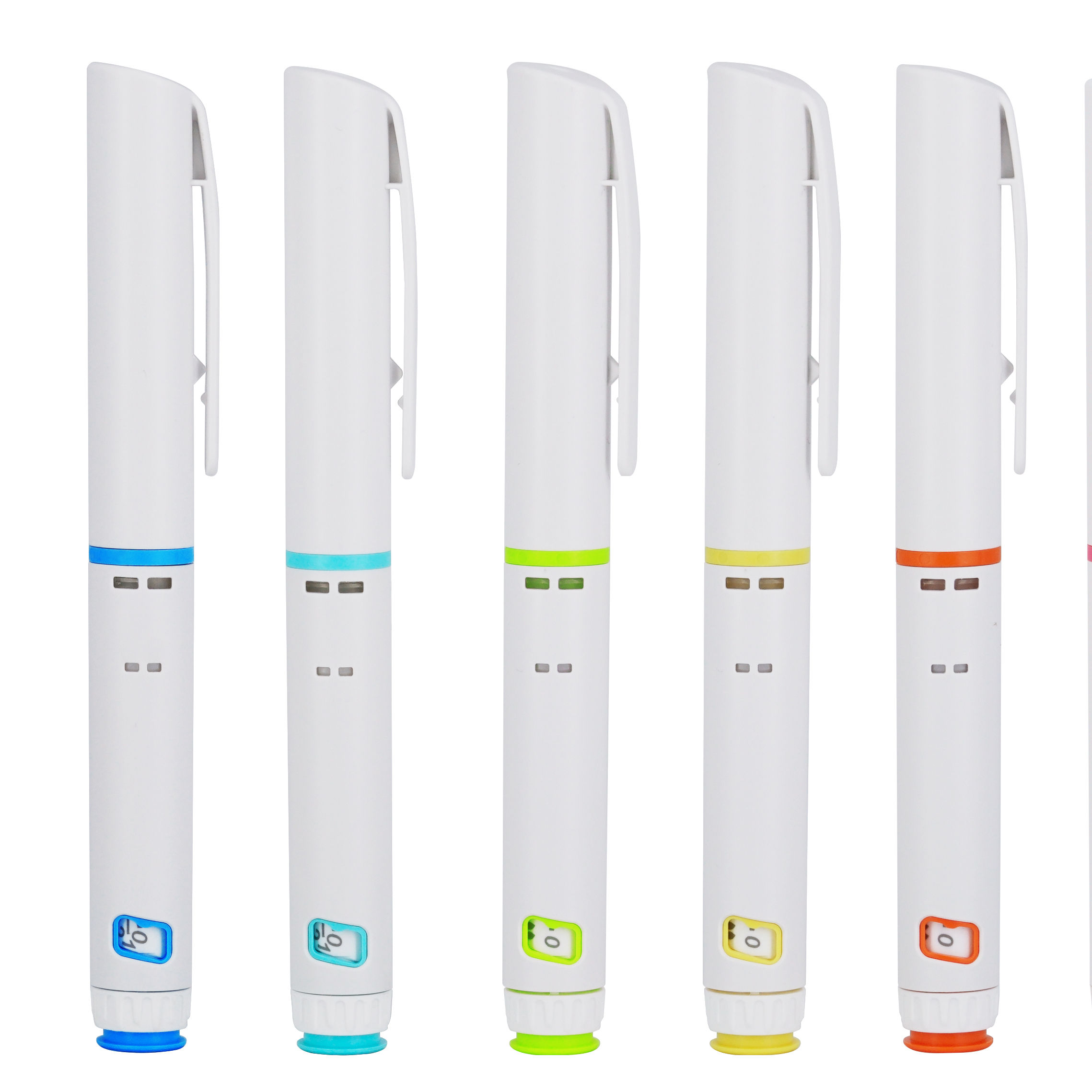
A peptide pen supplier doesn’t just provide a container; they deliver a combination product. That means the peptide (drug) and the delivery system (device) are fused into one integrated solution. Sounds simple? It’s not.
Think of it like pairing a high-performance engine with a poorly designed car body. Even if the engine is perfect, the overall experience falls apart. Similarly, even the most stable peptide formulation can fail if the pen device is flawed.
Regulatory overlap: Drug + device = dual compliance requirements
User interaction: Patients now self-administer, so usability matters
Stability concerns: Peptides are fragile compared to traditional small molecules
Manufacturing integration: Filling, sealing, and assembling must align perfectly
Compared to traditional vials, peptide pens are:
Better for patient convenience
Faster in administration
Stronger in market demand
But also more expensive and more complex to manufacture
So, when choosing a peptide pen supplier, you’re not just buying hardware—you’re investing in a tightly regulated ecosystem.

Let’s be honest—“almost compliant” sounds like “good enough,” right? In pharmaceuticals, that mindset is dangerous.
A peptide pen supplier that cuts corners can create ripple effects across the entire supply chain.
Slight deviations in ISO standards
Incomplete validation documentation
Subpar sterilization processes
Weak supplier audits
It’s like building a bridge that’s almost strong enough. Would you drive across it?
Risk Factor | Impact Compared to Fully Compliant Suppliers |
|---|---|
Product recalls | More frequent and more expensive |
Regulatory delays | Slower approvals |
Patient safety risks | Significantly higher |
Brand reputation damage | Harder to recover |
Compared to a fully compliant supplier, a weak one is:
Cheaper upfront, but more expensive long-term
Faster initially, but slower in approvals
Less reliable, increasing operational stress
Imagine launching a peptide therapy only to recall it because of a faulty pen mechanism. Not only do you lose money—you lose trust.
And trust? That’s the hardest thing to rebuild.
So, what separates a mediocre peptide pen supplier from a truly exceptional one?
It’s not just certifications—it’s mindset.
A trusted partnership feels less like a transaction and more like a collaboration.
They understand peptide chemistry, device engineering, and regulatory frameworks. Not just one—all three.
No vague answers. No hidden issues. Just clear, proactive updates.
From design to fill-finish to packaging—they handle it all.
They anticipate problems before they happen.
Feature | Basic Supplier | Trusted Partner |
|---|---|---|
Communication | Reactive | Proactive |
Compliance | Minimum standards | Exceeds standards |
Innovation | Limited | Continuous improvement |
Cost Structure | Lower upfront | Better long-term value |
Compared to basic suppliers, trusted partners are:
Better at preventing failures
Faster at solving issues
Stronger in regulatory alignment
Slightly more expensive, but worth every penny
Here’s something people overlook: relationships matter.
Would you rather work with a supplier who disappears when problems arise—or one who jumps in with solutions?
Exactly.
Let’s tell a story.
A biotech startup developed a promising peptide therapy. Everything looked great—clinical data, funding, demand. They partnered with a low-cost peptide pen supplier to save money.
Big mistake.
During the fill & finish process, inconsistencies appeared:
Incorrect dosing volumes
Air bubbles in cartridges
Device leakage
Compared to a high-quality process, this setup was:
Faster initially, but less precise
Cheaper, but riskier
Less controlled, leading to variability
Product batch rejected
Regulatory inspection triggered
Launch delayed by 12 months
Millions lost
Failure Point | Better Alternative |
|---|---|
Cheap supplier choice | Invest in experienced partners |
Weak QA processes | Implement robust validation systems |
Lack of testing | Conduct rigorous device testing |
The takeaway?
Cutting costs in peptide pen supply is like using bargain parachutes—you only realize the mistake when it’s too late.
Now let’s talk about something powerful: Quality by Design (QbD).
Instead of testing quality at the end, QbD builds quality into the process from the start.
Designing devices with failure prevention in mind
Understanding variability in materials and processes
Continuous monitoring and improvement
Think of it like baking a cake. Would you rather:
Taste it at the end and hope it’s good?
Or follow a proven recipe that guarantees success?
Exactly.
Aspect | Traditional Method | QbD Approach |
|---|---|---|
Quality Control | End-product testing | Built into process |
Efficiency | Slower | Faster over time |
Cost | Higher due to failures | Lower long-term |
Reliability | Variable | Consistent |
Compared to traditional methods, QbD is:
Better for consistency
Faster in long-term production
Stronger in compliance
Initially more expensive, but cost-effective later
Peptides are sensitive. Even slight deviations can degrade them.
So, QbD isn’t optional—it’s essential.
Let’s look ahead.
The future of peptide pen suppliers isn’t just physical—it’s digital.
It’s the ability to track every component, batch, and process step in real time.
Serialization adds another layer—unique identifiers for each product.
Prevents counterfeiting
Enhances supply chain transparency
Speeds up recalls if needed
Feature | Traditional Supply Chain | Digital Traceability System |
|---|---|---|
Visibility | Limited | Full transparency |
Speed | Slower | Faster response time |
Error Detection | Reactive | Proactive |
Security | Weaker | Stronger |
Compared to older systems, digital solutions are:
Better at preventing fraud
Faster in identifying issues
Stronger in compliance tracking
Slightly more expensive, but future-ready
A peptide pen supplier with digital capabilities isn’t just keeping up—they’re leading.
And in this industry, leadership matters.
Choosing the right peptide pen supplier is not a simple procurement decision—it’s a strategic move that can define the success or failure of your product.
From navigating the combination product complexity to ensuring full compliance, from building trusted partnerships to adopting Quality by Design, every step matters.
Cutting corners might seem tempting, but as we’ve seen, it often leads to higher costs, delays, and risks.
On the flip side, investing in a high-quality supplier brings:
Better reliability
Faster time to market
Stronger regulatory alignment
Long-term cost savings
And with the rise of digital traceability, the future belongs to those who think ahead.
So ask yourself: are you choosing a supplier—or a partner?

Question | Answer |
|---|---|
What is a peptide pen supplier? | A peptide pen supplier provides integrated drug-device systems used to deliver peptide-based therapies safely and efficiently. |
Why are peptide pens better than vials? | Peptide pens are easier to use, faster for self-administration, and reduce dosing errors compared to traditional vials. |
Are peptide pens more expensive? | Yes, they are typically more expensive upfront, but they offer better usability and lower long-term risks. |
What should I look for in a supplier? | Look for compliance, technical expertise, transparent communication, and end-to-end capabilities. |
What is Quality by Design (QbD)? | QbD is a proactive approach that builds quality into the manufacturing process rather than testing it at the end. |
How does digital traceability help? | It improves transparency, prevents counterfeiting, and allows faster issue resolution in the supply chain. |
What are the risks of choosing a low-cost supplier? | Higher chances of compliance issues, product recalls, delays, and long-term financial losses. |
Who typically uses peptide pens? | Patients with chronic conditions, such as metabolic or hormonal disorders, who require regular injections. |
Are there side effects from peptide pen usage? | Side effects depend on the peptide drug itself, not the pen. However, poor device quality can cause dosing errors or injection issues. |
Is regulatory approval harder for peptide pens? | Yes, because they are combination products, requiring both drug and device regulatory compliance. |


