
Views: 0 Author: Site Editor Publish Time: 2026-03-18 Origin: Site


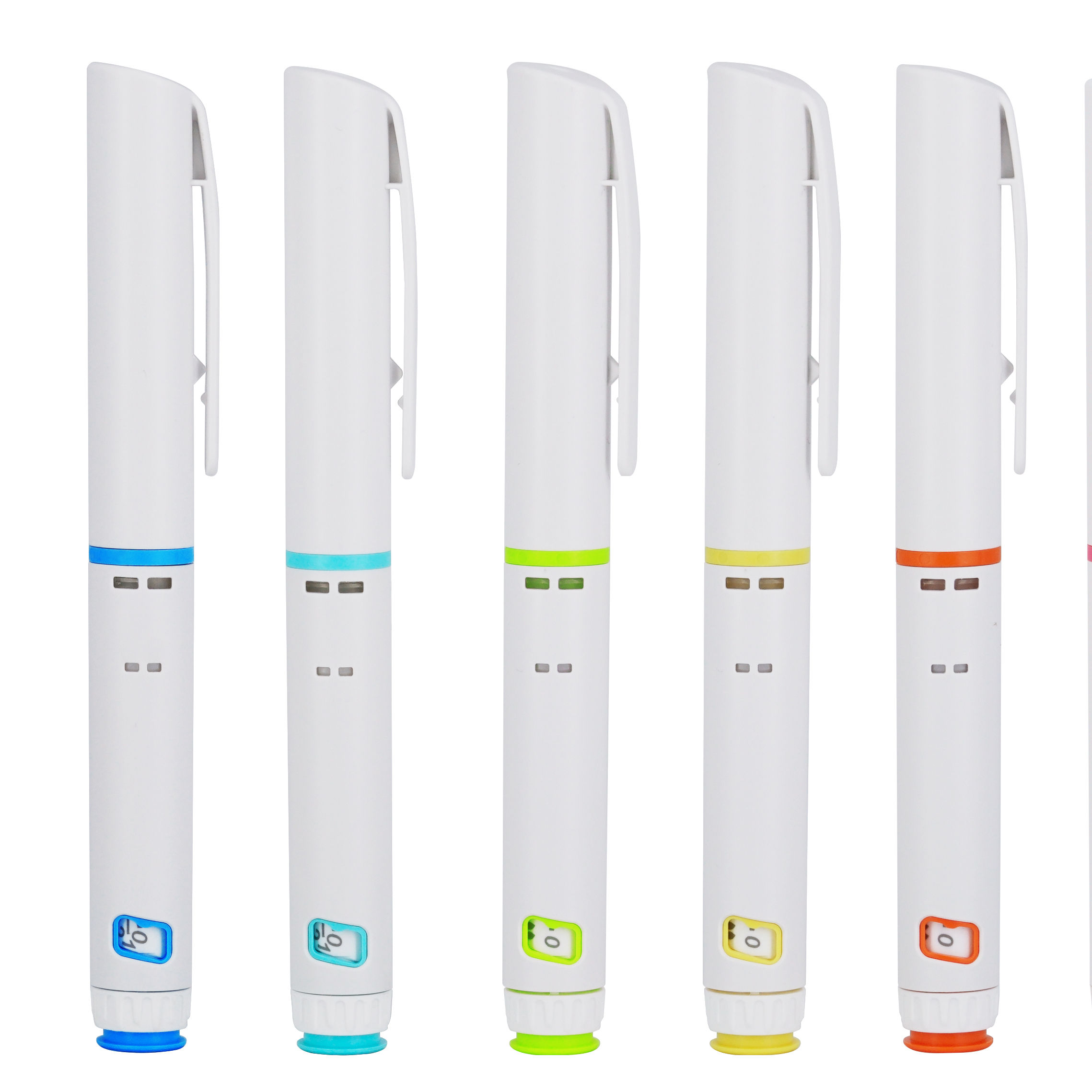
Let’s be honest—modern healthcare and performance optimization are moving fast. People want solutions that are simpler, safer, and more convenient. That’s exactly where peptide pens step in.
Think about it like this: remember when smartphones replaced bulky computers for everyday tasks? Peptide pens are doing something similar for peptide delivery. Compared to traditional vials and syringes, peptide pens are more user-friendly, faster to administer, and often safer for beginners and professionals alike.
But what exactly are peptide pens?
They are pre-filled or lyophilized (freeze-dried) peptide delivery devices designed to simplify dosing. Instead of mixing powders manually and measuring doses with syringes, users can rely on precise, consistent, and portable systems.
Several factors are fueling this growth:
Convenience: No complex reconstitution steps (in pre-filled variants)
Accuracy: Better dosing control compared to manual syringes
Portability: Lightweight and discreet—easy to carry anywhere
Safety: Reduced contamination risk
Compared to traditional methods, peptide pens are often:
Better for beginners
Faster in administration
Stronger in maintaining dosage consistency
More expensive, but often worth the investment
But here’s the catch: not all peptide pen suppliers are created equal.
Choosing the wrong supplier? That’s like buying a luxury car with a faulty engine—it looks great, but it won’t get you far.
So how do you choose the right peptide pen supplier?
Let’s break it down, question by question.
If there’s one question you must ask any peptide pen supplier, it’s this:
“Can you prove what’s inside your product?”
A CoA is essentially a lab report verifying the purity, identity, and quality of a peptide batch. Think of it like a birth certificate for your product—it tells you exactly what you’re getting.
Here’s where many suppliers fall short.
Some provide generic CoAs, which are:
Outdated
Not tied to your actual batch
Potentially misleading
What you want instead is:
Batch-specific CoAs
Third-party verified results
Recent testing dates
| Feature | Generic CoA | Batch-Specific CoA |
|---|---|---|
| Accuracy | Lower | Higher |
| Transparency | Weak | Strong |
| Trust Level | Questionable | Reliable |
| Compliance | Often insufficient | Industry standard |
Would you trust a student grading their own exam? Probably not.
That’s why third-party labs are critical. They offer:
Unbiased verification
Higher credibility
Better compliance with regulatory expectations
No CoA available
Only internal lab testing
Refusal to share batch data
Vague or incomplete reports
Experienced buyers often say:
“If a supplier can’t show batch-specific CoAs, walk away.”
It’s that simple.
Peptides are delicate. They’re not like vitamins that can sit on a shelf for months.
They’re more like ice cream—leave them in the heat too long, and they’re ruined.
The cold chain refers to temperature-controlled logistics used to maintain product stability during shipping.
Peptides can degrade when exposed to:
Heat
Light
Moisture
This leads to:
Reduced potency
Loss of effectiveness
Potential safety risks
| Factor | Controlled Cold Chain | Standard Shipping |
|---|---|---|
| Temperature Stability | High | Low |
| Product Integrity | Preserved | At Risk |
| Cost | More expensive | Less expensive |
| Reliability | Stronger | Weaker |
Do you use temperature loggers?
Are shipments packed with insulated materials and ice packs?
What happens if temperature thresholds are exceeded?
Real-time tracking
Validated packaging systems
Replacement guarantees for compromised shipments
Think of cold chain logistics like transporting a rare painting. You wouldn’t toss it in the back of a truck, right? You’d protect it carefully.
Your peptides deserve the same level of care.
Customization sounds great—until you’re stuck with unsold inventory gathering dust.
MOQ = Minimum Order Quantity
This is the smallest number of units a supplier is willing to produce.
High MOQs can:
Increase upfront costs
Create dead stock risk
Limit flexibility
Low MOQs, on the other hand, are:
Better for startups
Less risky financially
Faster to test new products
| Aspect | High MOQ | Low MOQ |
|---|---|---|
| Cost per unit | Lower | Higher |
| Flexibility | Less | More |
| Risk | Higher | Lower |
| Scalability | Stronger for large brands | Better for small businesses |
Lead time is how long it takes from order to delivery.
Short lead times = faster market entry
Long lead times = potential missed opportunities
Label design
Dosage strength
Pen type (pre-filled vs lyophilized)
Branding
Imagine ordering 10,000 units… and only selling 2,000.
That’s dead stock—money sitting idle.
A good peptide pen supplier will help you:
Forecast demand
Start small
Scale gradually
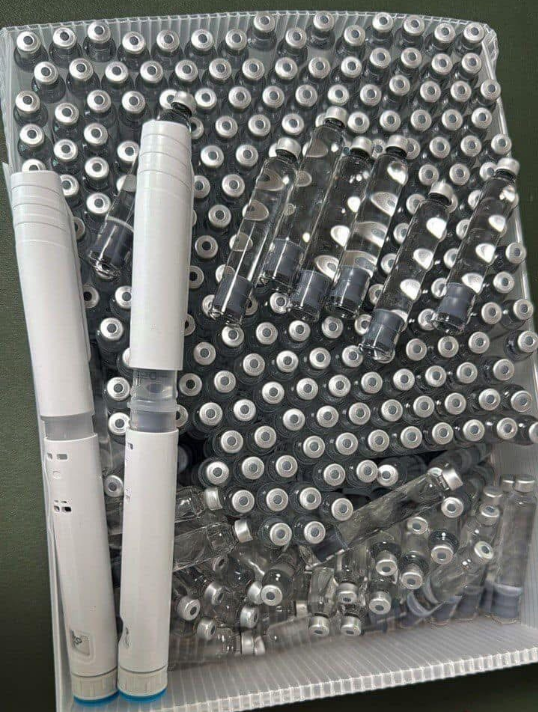
Not all peptide pens are plug-and-play.
Some require reconstitution. Others come ready to use.
Lyophilized peptides need to be mixed with a solvent before use.
This process can be:
Simple (with good design)
Complicated (with poor design)
You want pens that work with:
Standard solvents (like bacteriostatic water)
Common dosing protocols
Widely available needles or cartridges
| Feature | Pre-Filled Pens | Lyophilized Pens |
|---|---|---|
| Convenience | Better | Less convenient |
| Shelf Life | Shorter | Longer |
| Stability | Moderate | Stronger |
| Cost | More expensive | Less expensive |
Easy-to-use mechanism
Accurate dosing dial
Minimal waste
Clear instructions
If a device feels confusing, users may:
Make dosing errors
Lose confidence
Switch suppliers
A better device = better retention and satisfaction
This is where things get serious.
Shipping peptides internationally can be tricky. Regulations vary widely.
Sometimes shipments get:
Delayed
Inspected
Seized
A reliable peptide pen supplier should:
Understand international regulations
Provide proper documentation
Offer reshipment policies
| Factor | Experienced Supplier | Inexperienced Supplier |
|---|---|---|
| Customs Knowledge | Strong | Weak |
| Risk Management | Better | Poor |
| Documentation | Complete | Incomplete |
| Support | Reliable | Uncertain |
What happens if something goes wrong?
A professional supplier will have:
Liability insurance
Clear terms and conditions
Transparent communication
Do you offer reshipment guarantees?
Who is responsible if customs seizes the product?
What certifications do you hold?
Ignoring this aspect is like driving without insurance.
Everything’s fine—until it’s not.
Choosing a peptide pen supplier isn’t just a business decision—it’s a risk management strategy.
You’re not just buying a product. You’re investing in:
Quality
Safety
Reliability
The smartest buyers follow one simple rule:
Trust—but always verify.
Always demand batch-specific CoAs
Ensure cold chain logistics are in place
Understand MOQs and lead times
Verify device compatibility
Assess regulatory preparedness
Compared to cutting corners, doing proper due diligence is:
Better for long-term success
Stronger for brand reputation
Less expensive in the long run

| Question | Answer |
|---|---|
| What is a peptide pen supplier? | A peptide pen supplier manufactures or distributes pre-filled or lyophilized peptide delivery devices for medical, research, or performance use. |
| Are peptide pens better than vials? | Yes, they are generally better and faster for dosing accuracy and convenience, but they are often more expensive. |
| How do I verify peptide quality? | Request batch-specific third-party CoAs and verify lab credentials. |
| What is the ideal MOQ? | It depends on your business size, but lower MOQs are better for flexibility and reducing risk. |
| Do peptide pens require refrigeration? | Many do. Proper cold chain logistics are critical to maintain stability. |
| What happens if my shipment is seized? | Reliable suppliers offer reshipment policies or refunds depending on terms. |
| Are pre-filled pens safer than lyophilized ones? | Pre-filled pens are easier and safer to use, but lyophilized versions are more stable long-term. |
| Can I customize peptide pens? | Yes, most suppliers offer customization, but MOQs and lead times vary. |
| What industries use peptide pens? | Healthcare, research labs, fitness, anti-aging clinics, and biotech companies. |
| What should I avoid in a supplier? | Avoid suppliers with no CoAs, poor communication, unclear policies, or no cold chain logistics. |


