
Views: 0 Author: Site Editor Publish Time: 2026-02-28 Origin: Site


If you’ve been exploring advanced skincare tools lately, chances are you’ve stumbled across the term peptide pen. Maybe you’re wondering: Is it just another beauty gadget? Or is it actually a smarter, faster, stronger way to deliver peptides into the skin?
Let’s unpack it properly.
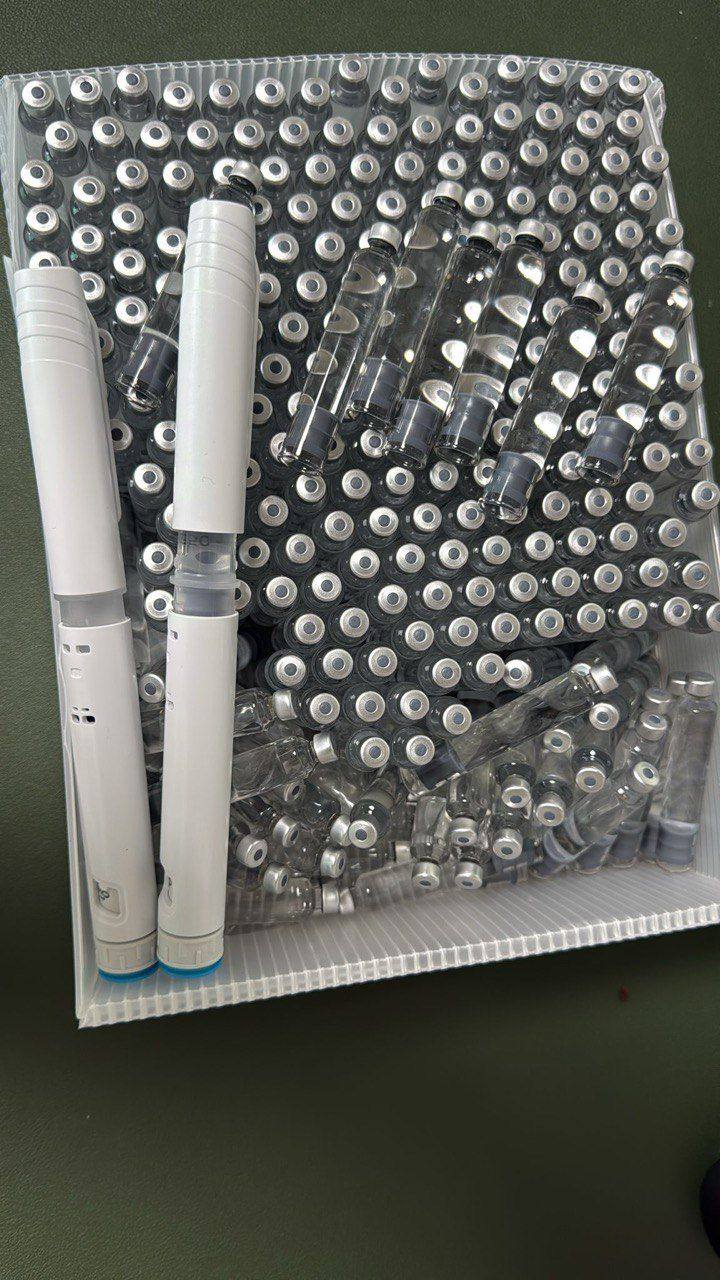
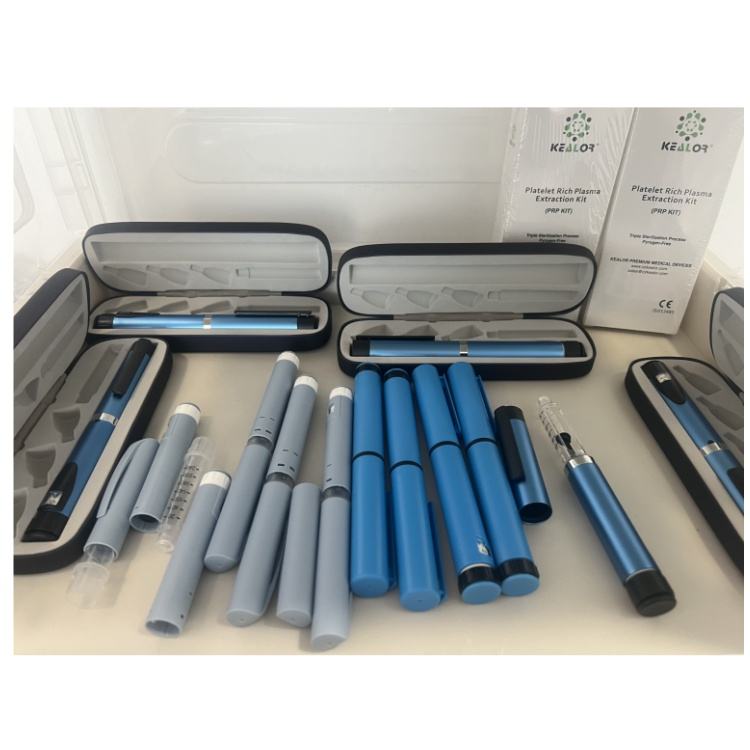
A peptide pen is typically a precision delivery device designed to infuse peptide-based formulations into the skin—often through microneedling, mesotherapy-style stamping, or controlled topical penetration. Compared to traditional creams, a peptide pen allows deeper, more targeted absorption. That means potentially better collagen stimulation, faster visible results, and more efficient ingredient use.
But here’s the catch: even the most advanced peptide pen won’t give optimal results if you’re combining the wrong skincare ingredients. Skincare is chemistry. Pair it wisely, and you get synergy. Pair it poorly, and you might get irritation, reduced effectiveness, or wasted investment.
This guide will walk you through everything—from synergistic ingredient science to morning and evening regimens, and finally a detailed FAQ.
When using a peptide pen, synergy matters more than ever.
Think of your skin like a construction site. Peptides are the project managers—they signal fibroblasts to produce more collagen and elastin. But if the construction crew (hydrators, antioxidants, barrier-repair agents) isn’t coordinated, progress slows down.
Ingredient synergy occurs when two or more compounds work together to produce better, faster, or stronger results compared to when used alone.
For example:
Peptides stimulate collagen production.
Hyaluronic acid improves hydration.
Vitamin C enhances collagen synthesis.
Niacinamide strengthens the barrier.
When used correctly, these ingredients amplify each other.
Compared to standalone creams, a peptide pen delivers active ingredients deeper into the epidermis and potentially into the upper dermis. That increased penetration means your ingredient pairings must be strategic—because the skin’s tolerance threshold becomes more important.
Using a peptide pen compared to traditional topical application is like using express delivery instead of standard shipping. It’s faster and stronger—but also less forgiving.
If you pair incompatible ingredients:
You may increase irritation.
You may reduce peptide stability.
You may compromise your skin barrier.
So synergy isn’t optional. It’s foundational.
Let’s break down the ingredients that work beautifully with a peptide pen treatment.
If peptides are the architects, hyaluronic acid is the water supply.
Hyaluronic acid (HA):
Attracts and retains moisture
Improves skin plumpness
Enhances post-treatment recovery
After peptide pen microneedling, your skin is in a heightened absorption state. HA soothes and hydrates, reducing dryness and tightness.
Compared to glycerin:
HA holds more water per molecule.
HA feels lighter.
HA offers faster plumping effects.
However, high-molecular-weight HA is gentler, while low-molecular-weight HA penetrates deeper but may be more irritating for sensitive skin.
Immediately after peptide pen treatment:
Apply sterile, fragrance-free hyaluronic acid.
Avoid heavy occlusives for the first 24 hours.
Use lighter formulations.
For sensitive skin types, choose simpler HA formulas with fewer additives.
Vitamin C and peptides are often compared—but they shouldn’t compete. They should collaborate.
Vitamin C:
Enhances collagen synthesis
Provides antioxidant protection
Brightens pigmentation
When paired properly, vitamin C makes peptides work better and faster.
However, here’s where nuance comes in.
Immediately after peptide pen microneedling:
Avoid low-pH L-ascorbic acid.
It may sting.
It may increase irritation.
Instead:
Use stabilized vitamin C derivatives (like magnesium ascorbyl phosphate).
Introduce stronger formulations 48 hours later.
Compared to retinol, vitamin C is generally lighter and less irritating when used cautiously post-treatment.
Niacinamide is like the security system for your skin barrier.
After microneedling or infusion:
The barrier is temporarily compromised.
Transepidermal water loss increases.
Niacinamide:
Reduces inflammation.
Improves barrier repair.
Minimizes redness.
Compared to alpha hydroxy acids (AHAs), niacinamide is much gentler and better suited for post-procedure recovery.
Stick to:
2%–5% for sensitive skin.
Up to 10% for oilier skin types.
Higher concentrations aren’t always better. More isn’t stronger if it causes irritation.
Ceramides are the mortar between your skin cells.
After peptide pen use:
Barrier lipids are disrupted.
Skin needs structural reinforcement.
Ceramides:
Restore lipid balance.
Prevent moisture loss.
Reduce sensitivity.
Compared to heavy petroleum-based occlusives, ceramide creams feel lighter and support natural barrier rebuilding instead of simply sealing the surface.
Now let’s talk about what not to mix with a peptide pen treatment.
Think of this section as your caution tape.
Retinol and prescription retinoids:
Increase cell turnover.
Heighten sensitivity.
Using them immediately before or after peptide pen sessions:
May cause excessive irritation.
May slow healing.
Wait at least 3–5 days post-treatment.
These acids:
Exfoliate aggressively.
Lower skin pH.
Compared to peptides, which signal rebuilding, acids focus on removal. Too much exfoliation during recovery can compromise results.
Avoid for 48–72 hours.
Benzoyl peroxide:
Is oxidizing.
Can degrade certain peptides.
Compared to gentler acne treatments like niacinamide or azelaic acid, benzoyl peroxide is harsher and less compatible post-treatment.
A peptide pen isn’t a standalone miracle tool. It’s part of a broader ecosystem.
Let’s design a smarter regimen.
Gentle cleanser
Hyaluronic acid
Niacinamide
Lightweight moisturizer with ceramides
Broad-spectrum SPF 30+
Sun protection is non-negotiable.
Compared to untreated skin, post-pen skin is more photosensitive. UV exposure can undo collagen gains faster than you think.
Mild cleanser
Peptide serum
Ceramide-rich cream
Avoid:
Retinol
Strong exfoliants
Fragrance-heavy products
After 3–5 days, gradually reintroduce actives.
Below is a structured overview for clarity.
| Skin Concern | Recommended Combination | Why It Works Better | Caution |
|---|---|---|---|
| Acne + Scarring | Peptides + Niacinamide + HA | Reduces inflammation while boosting collagen | Avoid benzoyl peroxide immediately post-treatment |
Compared to aggressive acne peels, this approach is gentler and supports healing.
| Skin Concern | Recommended Combination | Why It Works Better | Caution |
|---|---|---|---|
| Fine Lines | Peptides + Vitamin C + Ceramides | Enhances collagen production and barrier repair | Delay strong retinol use |
Compared to fillers, peptide pens are less invasive and more affordable, though slower in visible volume restoration.
| Skin Concern | Recommended Combination | Why It Works Better | Caution |
|---|---|---|---|
| Dark Spots | Peptides + Vitamin C Derivatives + Niacinamide | Brightens and rebuilds skin | Avoid strong acids during healing |
| Skin Concern | Recommended Combination | Why It Works Better | Caution |
|---|---|---|---|
| Redness | Peptides + Ceramides + Low % Niacinamide | Soothes while strengthening barrier | Patch test always |
Compared to chemical resurfacing, peptide pens are generally lighter and more tolerable when used correctly.
Let’s be honest. No device is perfect.
Better absorption compared to topical creams
Faster collagen stimulation
More targeted treatment
Less expensive compared to in-clinic laser treatments
Stronger anti-aging potential over time
Requires proper hygiene
Risk of irritation if misused
Not ideal for active infections
Results are slower compared to surgical procedures
For the right user, benefits outweigh risks—but education is critical.
Possible side effects:
Redness
Mild swelling
Temporary sensitivity
Avoid if:
Pregnant (consult physician)
Active eczema or psoriasis flare
Open wounds
Always use sterile cartridges and avoid overuse. More frequent treatments are not necessarily better or faster.

| Question | Answer |
|---|---|
| What is a peptide pen used for? | It delivers peptide formulations into the skin to stimulate collagen production and improve texture. |
| Is a peptide pen better than topical peptide cream? | Compared to creams, it allows deeper penetration, which can lead to stronger and faster visible results. |
| How often should I use it? | Typically every 4–6 weeks, depending on skin tolerance. |
| Can I use vitamin C after treatment? | Yes, but use gentle derivatives first. Avoid strong L-ascorbic acid for 48 hours. |
| Is it safe for sensitive skin? | Yes, if lower needle depth and soothing ingredients are used. Patch testing is essential. |
| What’s the biggest mistake users make? | Overusing strong actives immediately after treatment. |
| How long before I see results? | Most users notice texture improvement within 4 weeks, collagen changes after 8–12 weeks. |
| Does it hurt? | Mild discomfort is common, but it’s generally less painful compared to clinical microneedling devices. |
| Is it more affordable than laser? | Yes, significantly more affordable, though laser may produce faster dramatic results. |
| Can men use peptide pens? | Absolutely. Skin biology is similar; results apply to all genders. |


