Industry Background: How Peptide Technology is Transforming Modern Beauty
Peptides aren’t a new concept—they’ve been around in biochemistry labs for decades—but their application in skincare has skyrocketed in popularity. So, why are peptides suddenly all the rage?
Peptides are short chains of amino acids, the building blocks of proteins like collagen and elastin. These proteins are critical for skin elasticity, hydration, and firmness. As we age, collagen production slows down, elastin fibers weaken, and skin becomes more prone to wrinkles and sagging. Enter peptide technology: it essentially signals the skin to “wake up” and produce more collagen, compared to passive topical creams that often can’t penetrate deep enough to make a meaningful difference.
The peptide pen takes this a step further. Unlike serums that sit on the surface, the pen uses micro-needling or other delivery mechanisms to transport peptides directly into the dermis, ensuring better absorption and efficacy. Compared to traditional methods, this approach is faster and stronger, producing visible results in a shorter period.
Why is this important? Because the modern consumer wants solutions that are convenient, effective, and backed by science. A peptide pen is lighter than bulky skincare routines, more precise than generic serums, and less expensive than invasive treatments like laser therapy or cosmetic injections—making it a sweet spot between efficacy and affordability.
Moreover, the versatility of peptide technology is remarkable. Beyond anti-aging, peptides can repair skin, reduce inflammation, and even address pigmentation issues. In the beauty industry, this has opened doors for more personalized skincare routines, tailored to individual skin needs rather than a one-size-fits-all approach.
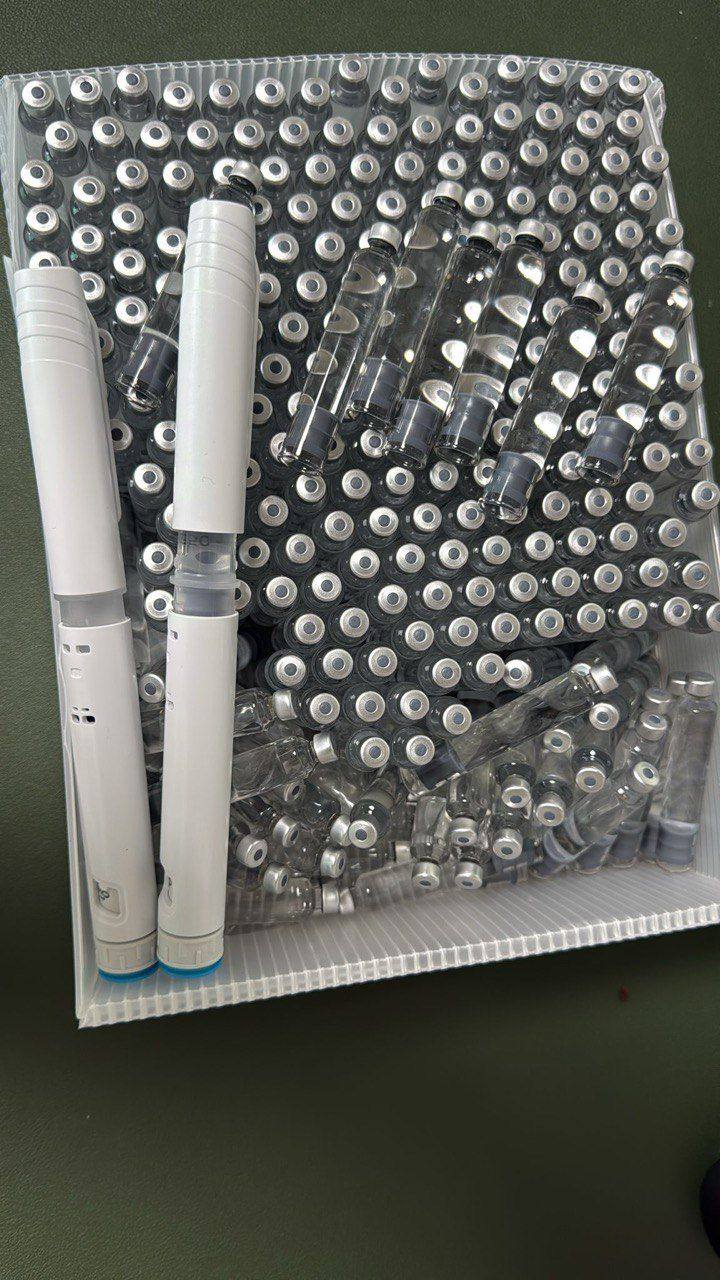
Peptide Pen’s Efficacy in Anti-Aging
Let’s be real—aging is inevitable, but that doesn’t mean we can’t fight it with a little help from science. The peptide pen has emerged as one of the most promising anti-aging tools available today.
So, how does it actually work? Peptides act as messengers, telling skin cells to produce more collagen and elastin. When used with a peptide pen, these messages reach deeper layers of the skin, which is more effective than applying a cream on the surface. Think of it like planting seeds directly into fertile soil versus just sprinkling them on the pavement—they’re far more likely to grow and thrive.
Comparisons with other anti-aging methods:
Topical creams: Easier to use, but peptides often degrade on the skin’s surface, making results slower and weaker.
Injectable treatments: Faster and stronger results, but more expensive and invasive, with higher risk of side effects.
Peptide pen: Combines the precision of injections with the convenience of topical application, offering a better balance of effectiveness, safety, and cost.
Users often report noticeable improvements in skin texture, firmness, and wrinkle reduction within weeks of consistent use. Plus, the pen’s customizable dosage allows for tailored treatment intensity, which is a significant advantage over generic creams.
However, it’s important to note that results can vary depending on age, skin condition, and consistency of use. Some may experience faster effects, while others may need longer treatment cycles for optimal outcomes.
Peptide Pen’s Role in Skin Repair and Regeneration
Peptides aren’t just for anti-aging—they’re also potent agents for skin repair and regeneration. If your skin has been damaged by sun exposure, acne scars, or other stressors, a peptide pen can accelerate the healing process.
Here’s why: peptides stimulate cell turnover and collagen synthesis, which are critical for repairing damaged tissue. Compared to traditional topical treatments, which can take months to show improvement, peptide pen treatments deliver results faster and more effectively.
Imagine your skin as a city: the collagen and elastin fibers are the roads and bridges. Over time, some structures weaken or crumble. Peptides act like construction crews, rebuilding and reinforcing these vital structures, while the pen ensures the crews reach the areas that need them most.
Advantages over other treatments:
Faster healing: The direct delivery allows peptides to act immediately on damaged areas.
Less invasive: Unlike surgical procedures or laser treatments, there’s minimal downtime.
Stronger results: Collagen production isn’t just superficial; it strengthens the skin’s underlying structure.
Of course, there are some precautions. Overuse or improper technique can lead to mild irritation, redness, or sensitivity. Therefore, it’s important to follow recommended usage guidelines and, if possible, consult a skincare professional for personalized advice.
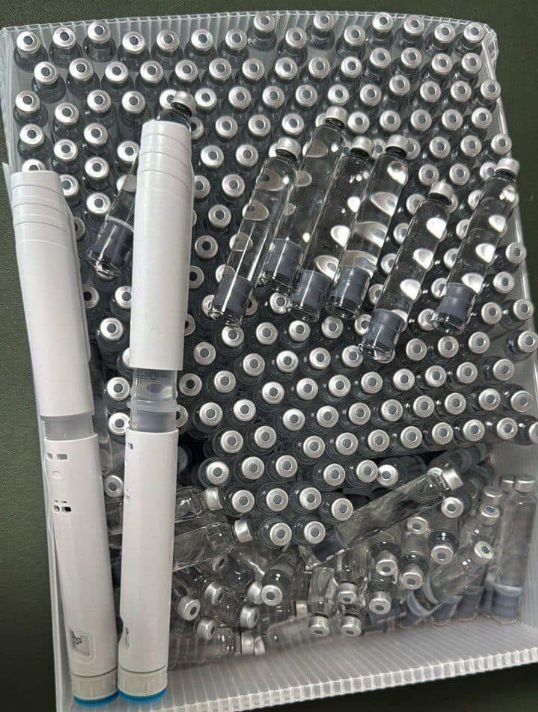
Suitability of Peptide Pen for Different Skin Types and Populations
One of the biggest questions people ask is: “Will a peptide pen work for my skin type?” The answer is yes—with some nuances. Peptide pens are designed to be versatile, targeting various skin concerns across different populations, but the approach varies slightly depending on individual needs.
1. Normal and Combination Skin:
If your skin is relatively balanced, the peptide pen works as a preventive measure. It helps maintain collagen levels, smooth out fine lines, and enhance overall skin radiance. Compared to heavy creams or serums that can feel greasy, the pen delivers a lighter, more precise treatment, leaving your skin feeling fresh rather than weighed down.
2. Dry Skin:
Dry skin often lacks hydration and elasticity. Using a peptide pen in combination with hydrating serums can boost skin moisture retention and repair the skin barrier faster. Compared to topical lotions alone, peptide pens penetrate deeper and strengthen skin from the inside out, rather than just coating it superficially.
3. Oily and Acne-Prone Skin:
You might think anti-aging treatments aren’t for oily skin, but peptides actually help regulate inflammation and support repair. When applied with the pen, they reach the dermis without clogging pores, which is a common issue with heavy creams. Compared to other methods, it’s less likely to trigger breakouts while still providing anti-aging and healing benefits.
4. Sensitive Skin:
This group requires caution. Peptide pens are generally gentle, but overuse or aggressive technique can cause redness or irritation. Compared to chemical peels or laser treatments, peptide pens are safer and less expensive, making them a viable option for those who want visible results without harsh side effects.
5. Elderly Population:
Older skin tends to be thinner and less elastic. Peptide pens can stimulate collagen synthesis and skin regeneration more effectively than topical creams. While injectable treatments might offer faster results, peptide pens are less invasive, lighter on the skin, and safer for long-term use, especially for individuals wary of needles or surgery.
In short, the peptide pen is adaptable. Its dosage, frequency, and peptide type can be customized, making it suitable for almost every skin type when used properly. Compared to other anti-aging or regenerative methods, it balances effectiveness, safety, and cost, which is why it’s gaining popularity among dermatologists and beauty enthusiasts alike.
Future Trends: Development Directions of Peptide Pen in the Beauty Industry
The beauty industry is evolving at lightning speed, and the peptide pen is right at the forefront of innovation. Let’s explore where this technology is heading:
1. Personalized Peptide Formulations:
Instead of one-size-fits-all products, companies are developing peptide blends tailored to individual skin needs. Imagine a pen that adjusts its peptides based on your skin’s hydration, elasticity, and pigmentation levels—faster and more precise than ever before.
2. Smart Technology Integration:
Future peptide pens may include AI-driven skin analysis. These devices can scan your skin and adjust peptide delivery in real-time, ensuring maximum efficiency. Compared to manual application, this technology promises stronger results with minimal user error.
3. Combination Therapies:
Peptide pens are likely to integrate with other modalities, such as LED therapy, microcurrents, or antioxidants, for a multifaceted approach to skin rejuvenation. This is better than relying on a single treatment, offering stronger anti-aging and regenerative effects.
4. Eco-Friendly and Sustainable Design:
As consumers become more conscious, biodegradable cartridges, refillable pens, and cruelty-free peptides are emerging trends. Compared to disposable systems, these options are lighter on the environment and cost-effective in the long run.
5. Expanded Applications Beyond Skin:
While currently focused on skincare, researchers are exploring peptide pens for hair growth, scar treatment, and even targeted delivery of active compounds. This signals a broader market potential, making peptide pens a versatile tool in personal care and medical aesthetics.
In essence, the future of peptide pens is bright and innovative. Compared to current products, next-generation pens will be faster, smarter, and more personalized, ensuring they stay relevant as consumer expectations evolve.
Conclusion
So, what’s the takeaway? The peptide pen isn’t just a fleeting trend—it’s a long-term investment in skin health and beauty innovation.
Key advantages include:
Faster results: Direct delivery ensures peptides reach deeper layers.
Better efficacy: Compared to creams, lotions, or serums, it provides stronger collagen stimulation.
Safer and less invasive: Fewer side effects than injections or lasers.
Versatility: Works across skin types and ages.
Cost-effective: Cheaper than long-term cosmetic procedures.
From an industry perspective, the global anti-aging and skincare market is booming, and peptide pens are carving out a niche for high-tech, science-backed, consumer-friendly treatments. Their combination of effectiveness, convenience, and adaptability makes them a highly appealing option for beauty-conscious individuals and dermatology clinics alike.
In short, compared to traditional skincare methods, peptide pens offer a stronger, faster, and safer pathway to youthful, healthy skin, while opening the door for next-generation personalized skincare solutions.

FAQ
| Question | Answer |
| What is a peptide pen? | A peptide pen is a device that delivers peptides—short chains of amino acids—directly into the skin for anti-aging, repair, and regeneration purposes. |
| How does a peptide pen work? | It uses micro-needling or similar delivery methods to transport peptides deep into the dermis, where they stimulate collagen and elastin production more effectively than topical creams. |
| Who can use a peptide pen? | Most skin types can benefit, including normal, dry, oily, and sensitive skin. Elderly individuals and those seeking preventative care can also use it with proper guidance. |
| How often should I use it? | Frequency depends on the skin type and pen specifications, but generally 2–3 times per week is recommended for optimal results. |
| Are there any side effects? | Mild redness, irritation, or sensitivity can occur if overused or applied incorrectly. Side effects are generally less severe than invasive treatments. |
| Is it better than creams or injections? | Compared to creams, it’s faster and more effective. Compared to injections, it’s safer, less expensive, and less invasive, though results may be slightly slower. |


