
Views: 0 Author: Site Editor Publish Time: 2026-01-31 Origin: Site


Peptides have been making waves in the wellness, fitness, and longevity space for years. But let’s be honest—traditional peptide injections can feel intimidating, slow, and downright old-school. Enter the peptide pen, a sleek, modern delivery system that promises better precision, faster administration, and less discomfort compared to syringes.
But here’s the big question everyone is asking: Is the peptide pen actually safe? And if it is, who should be careful, and why?
Think of this article as your friendly, slightly obsessive guide—the kind of friend who reads manuals so you don’t have to. We’ll break things down simply, compare peptide pens to traditional injections, explore risks, and answer the most common questions people type into Google at 2 a.m.
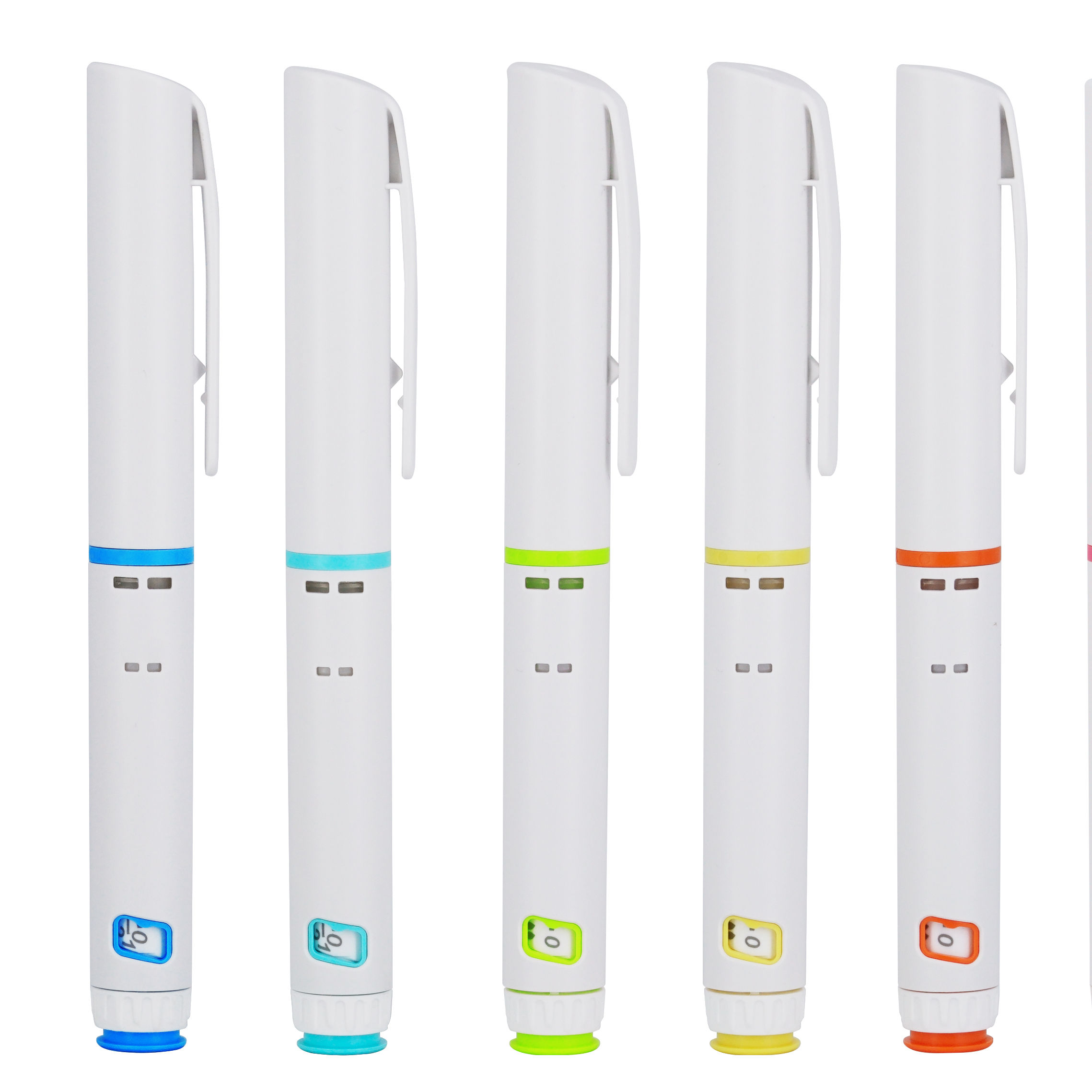
Safety is the first thing people worry about—and rightly so. When you’re dealing with peptides and injections, even a small mistake can snowball. The peptide pen, when compared to traditional syringes, is often safer, lighter, and easier to control, but only if you understand how it works.
A peptide pen is essentially a spring-powered or pressure-based injection device designed to deliver peptides subcutaneously (just under the skin). Instead of a visible needle, many peptide pens use a hidden or ultra-fine needle, or in some designs, a needle-free jet injection system.
Compared to traditional syringes:
It’s faster to use
It requires less manual dexterity
It delivers more consistent dosing
It feels less intimidating, especially for beginners
Imagine the difference between pouring water freehand versus using a measuring cup. The peptide pen acts like the measuring cup—structured, predictable, and harder to mess up.
Let’s talk comparisons, because context matters.
| Injection Method Comparison | Peptide Pen | Traditional Syringe |
|---|---|---|
| Ease of use | Better and more intuitive | Requires training |
| Dosing accuracy | More precise | User-dependent |
| Pain level | Less painful | Often more painful |
| Risk of contamination | Lower when used correctly | Higher if mishandled |
| Portability | Lighter and discreet | Bulkier and obvious |
| Learning curve | Faster | Slower |
Bottom line: When compared to traditional syringes, peptide pens are generally safer for most users, especially beginners. However, “safer” doesn’t mean “risk-free,” and that’s where the next section comes in.
Even the best tool can become a problem if it’s misused. A peptide pen is no exception. Most safety issues don’t come from the device itself—they come from human behavior.
Let’s be real—how many people actually read instructions all the way through?
Improper operation is one of the most common risks. This includes:
Incorrect injection angle
Pressing too hard or too lightly
Reusing disposable components
Skipping priming steps
Compared to syringes, peptide pens are easier, but they still demand attention. Think of it like driving an automatic car. Easier than manual? Absolutely. Foolproof? Not quite.
Dosage errors are quieter but more dangerous.
Because peptide pens often feel effortless, users may assume:
“One click equals one dose” (not always true)
“More is better” (almost never true)
Compared to syringes, peptide pens offer better dosage consistency, but only if the pen is calibrated correctly and the peptide concentration is known.
Incorrect dosing can lead to:
Reduced effectiveness
Hormonal imbalance
Increased side effects over time
Hygiene is boring—until it isn’t.
Skipping sanitation steps is like brushing your teeth with dirty water. It might not hurt immediately, but problems build fast.
Common hygiene mistakes include:
Not cleaning the injection site
Touching the needle tip
Storing the pen improperly
Compared to syringes, peptide pens reduce exposure risk, but they don’t eliminate it.
Not all peptide pens are created equal.
Cheaper pens may be:
Less durable
Less accurate
More prone to leakage
Compared to premium devices, low-quality pens are often more expensive in the long run because of wasted peptides and replacement costs.

This section targets high-intent search queries—questions people are actively typing into Google. Let’s answer them honestly.
Short answer: Less than you think.
Compared to traditional needles, peptide pens are:
Less painful
Faster
Less anxiety-inducing
Most users describe the sensation as a light pressure or quick snap, similar to a rubber band. If pain is your main concern, peptide pens are better by a wide margin.
In many protocols, yes—but context matters.
Daily use depends on:
The specific peptide
Dosage strength
Individual tolerance
Compared to weekly injections, daily peptide pen use is easier to maintain, but it also increases the importance of hygiene and consistency.
This depends on:
Pen capacity
Dosage per injection
Frequency of use
| Usage Pattern | Estimated Pen Lifespan |
|---|---|
| Daily micro-dosing | 2–4 weeks |
| Moderate dosing | 1–2 months |
| Occasional use | 3+ months |
Compared to syringes, peptide pens are often more cost-effective over time, especially when dosing accuracy reduces waste.
No—and this is critical.
Some peptides:
Require deeper intramuscular injection
Are too viscous
Are unstable under pressure
Compared to universal syringes, peptide pens are more specialized, which is both a strength and a limitation.
Peptide pens are not one-size-fits-all. Some users should slow down and think twice.
Beginners often underestimate peptides.
Compared to experienced users, first-timers are more likely to:
Miscalculate doses
Ignore side effects
Skip proper storage
If you’re new, start low, go slow, and treat the peptide pen as a tool—not a shortcut.
People with:
Diabetes
Autoimmune disorders
Hormonal imbalances
…should be especially cautious. Compared to healthy individuals, these users may experience stronger or less predictable responses.
Ironically, experienced users can become careless.
Long-term use increases risks of:
Injection site irritation
Desensitization
Protocol fatigue
Compared to short-term use, long-term peptide pen use demands better discipline, not less.
Let’s wrap things up with practical guidance you can actually use.
Before every injection:
Confirm dosage
Inspect the pen
Sanitize hands and skin
Check peptide clarity
Compared to skipping prep, this routine is faster than dealing with complications later.
Rotate injection sites
Never rush injections
Store peptides correctly
Compared to careless use, mindful operation leads to better results and fewer side effects.
Stop immediately if you experience:
Persistent pain
Swelling or redness
Unexpected systemic symptoms
Compared to “pushing through,” stopping early is stronger, smarter, and safer.

| Question | Answer |
|---|---|
| Is a peptide pen better than a syringe? | Yes, for most users, it’s easier, faster, and less painful |
| Is it more expensive? | Initially yes, but often cheaper long-term |
| Can beginners use it safely? | Yes, with proper guidance |
| Does it reduce dosing errors? | Compared to syringes, significantly |
| Is it portable? | Much lighter and more discreet |


