
Views: 0 Author: Site Editor Publish Time: 2026-03-16 Origin: Site


Let’s be real for a second—when people hear “peptide pen supplier,” their minds don’t immediately jump to logistics, cold-chain shipping, or regulatory frameworks. But here’s the truth: choosing the right peptide pen supplier is a lot like choosing the right co-pilot for a high-stakes flight. If they mess up—even slightly—you don’t just lose time… you risk accuracy, safety, and sometimes even lives.
Peptide pens, often used for delivering compounds like therapeutic peptides, research substances, or cosmetic injectables, sit at the crossroads of biotechnology, pharmaceutical precision, and global supply chains. That’s not a simple place to operate.
Think about it this way: would you trust a gourmet meal prepared with questionable ingredients and delivered in a broken container? Probably not. Now replace that meal with a temperature-sensitive peptide formulation—and suddenly the stakes feel much higher.
In today’s competitive landscape, suppliers aren’t just competing on price. They’re competing on quality, transparency, reliability, and expertise. And when you compare different peptide pen suppliers, you’ll quickly notice something: the cheapest option is rarely the best, and the “premium” option isn’t always worth it either.
So how do you decide?
That’s exactly what this guide is here to help you figure out.

Most peptide pen suppliers proudly wave their Certificate of Analysis (COA) like a badge of honor. And yes—it’s important. But relying on a COA alone is like judging a book by its cover. It gives you a snapshot, not the full story.
A COA typically tells you:
Purity percentage
Molecular weight confirmation
Batch number
Sounds great, right?
But here’s the catch: COAs can be manipulated, outdated, or irrelevant to your actual batch.
When comparing suppliers, you want to look beyond the COA. The best suppliers offer:
Third-party lab verification (independent, not in-house)
Batch-specific testing reports
Stability testing data over time
Sterility and endotoxin testing
Compared to suppliers who only provide a generic COA, those offering full transparency are stronger, safer, and more reliable.
| Feature | Basic Supplier | Advanced Supplier |
|---|---|---|
| COA Availability | Yes | Yes |
| Third-party Testing | Rare | Standard |
| Batch Traceability | Limited | Full |
| Transparency | Low | High |
| Trust Level | Lower | Higher |
Imagine using a peptide pen for clinical or research purposes. If the peptide degrades faster than expected because it wasn’t properly tested, your results become unreliable. That’s not just inconvenient—it’s expensive and potentially dangerous.
So ask yourself: Do I want “cheap and fast,” or “verified and trustworthy”?
Here’s a question most buyers forget to ask:
Where are the raw materials sourced from?
Peptides don’t just appear out of thin air. They’re synthesized using amino acids, reagents, and specialized processes. If those inputs are low-quality, the final product suffers.
A transparent supplier will tell you:
Origin of raw materials
Manufacturing facility standards
Synthesis methods (solid-phase, liquid-phase, etc.)
Quality certifications (like GMP)
An opaque supplier, on the other hand, might give vague answers—or none at all.
| Criteria | Transparent Supplier | Non-Transparent Supplier |
|---|---|---|
| Raw Material Disclosure | Full | Minimal |
| Manufacturing Details | Clear | Hidden |
| Quality Consistency | Better | Variable |
| Risk Level | Lower | Higher |
Think of it like buying a car. Would you rather buy one with a full service history—or one where the seller says, “Trust me, it runs fine”?
Exactly.
Transparent Supplier
✅ Better quality control
✅ More predictable results
❌ Slightly more expensive
Non-Transparent Supplier
✅ Lower upfront cost
❌ Higher risk of contamination
❌ Inconsistent performance
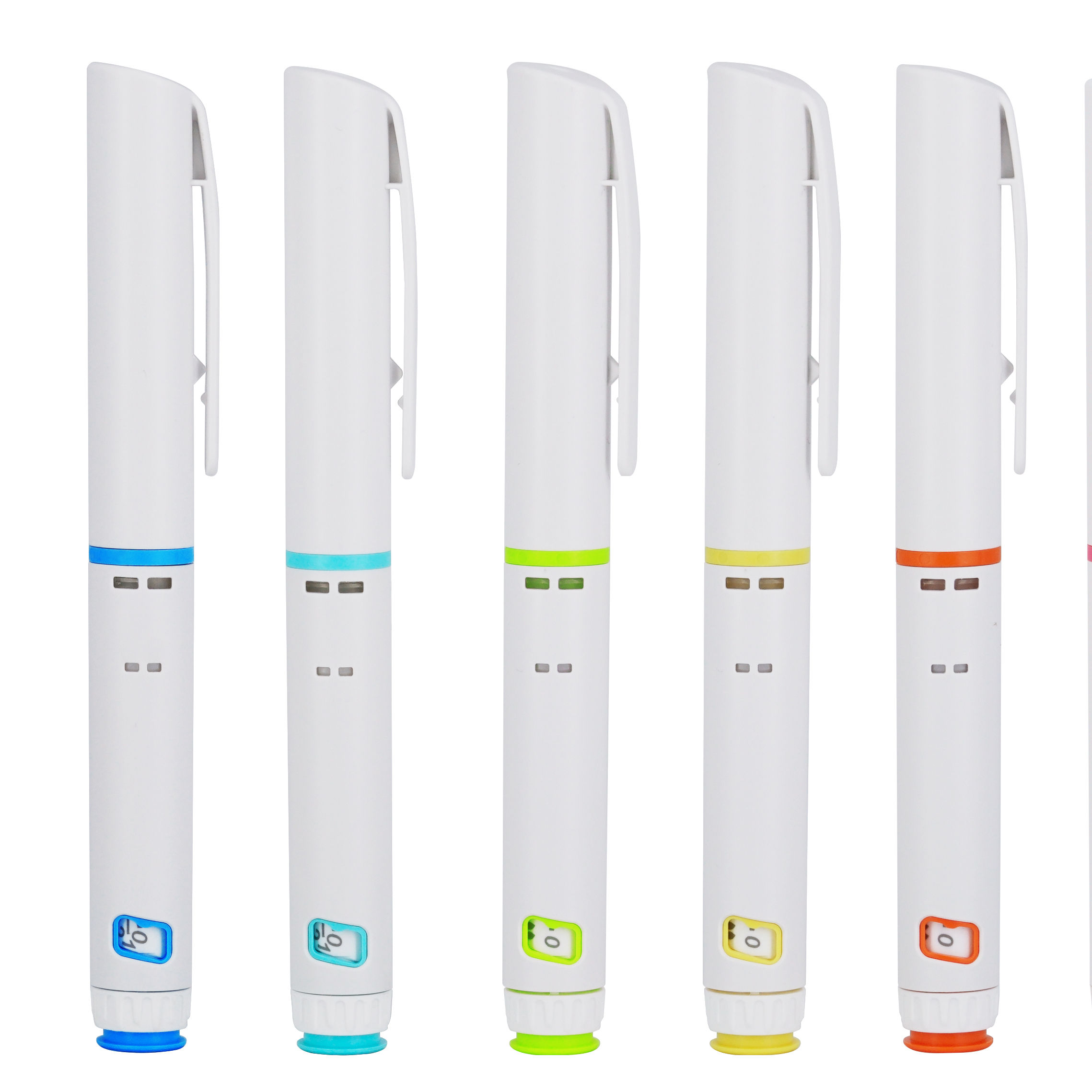
Peptides are fragile. Many degrade when exposed to heat, light, or improper storage conditions. That’s where cold-chain logistics come into play.
A good peptide pen supplier ensures:
Temperature-controlled storage
Insulated packaging
Real-time tracking
Fast delivery
| Feature | Cold-Chain Logistics | Standard Shipping |
|---|---|---|
| Temperature Control | Precise | None |
| Product Stability | Higher | Lower |
| Risk of Degradation | Minimal | High |
| Cost | More expensive | Less expensive |
Shipping peptides without temperature control is like transporting ice cream in a cardboard box during summer. You already know how that ends.
Delivery time (faster is usually better)
Packaging quality (insulated vs basic)
Tracking systems (real-time vs delayed updates)
Cold-Chain Suppliers
✅ Stronger product integrity
✅ Longer shelf life
❌ Higher cost
Standard Suppliers
✅ Cheaper
❌ Higher failure rate
❌ Less reliable
Not all peptide pen suppliers are created equal. Some are just middlemen. Others are true experts.
You want a supplier who:
Understands peptide stability
Can explain reconstitution processes
Provides dosing guidance (where applicable)
Offers troubleshooting support
| Support Type | High-Quality Supplier | Low-Quality Supplier |
|---|---|---|
| Response Time | Fast | Slow |
| Expertise | High | Limited |
| Problem Solving | Proactive | Reactive |
Let’s say your shipment arrives slightly warm. Do you:
Panic and discard everything?
Or contact a knowledgeable support team that reassures you?
That difference alone can save you thousands.
Expert Supplier
✅ Better guidance
✅ Faster problem resolution
❌ Slightly higher cost
Basic Supplier
✅ Cheaper
❌ Limited help
❌ Higher user error risk
Regulation in the peptide industry can be complex. Depending on your use case (research, clinical, cosmetic), different standards apply.
A reliable supplier follows:
GMP (Good Manufacturing Practices)
ISO certifications
Local and international regulations
Ethics matter more than you think. Some suppliers cut corners to reduce costs, which can lead to:
Contaminated products
Mislabeling
Legal risks
| Factor | Compliant Supplier | Non-Compliant Supplier |
|---|---|---|
| Legal Risk | Low | High |
| Product Safety | Higher | Lower |
| Reputation | Strong | Weak |
Compliant Supplier
✅ Safer and more reliable
✅ Better long-term partner
❌ More expensive
Non-Compliant Supplier
✅ Lower cost
❌ Legal risks
❌ Safety concerns
At first glance, one supplier might seem cheaper. But let’s dig deeper.
Total Cost of Ownership (TCO) includes:
Product cost
Shipping fees
Loss due to degradation
Customer support time
Regulatory risks
| Cost Factor | Cheap Supplier | Premium Supplier |
|---|---|---|
| Product Price | Lower | Higher |
| Failure Rate | Higher | Lower |
| Replacement Costs | Frequent | Rare |
| Long-Term Cost | Higher | Lower |
Buying cheap peptide pens is like buying cheap shoes. Sure, you save money upfront—but you’ll replace them twice as often.
Cheaper is not always better.
Sometimes, paying more upfront is actually less expensive in the long run.
Choosing the right peptide pen supplier isn’t just a purchasing decision—it’s a strategic partnership.
From quality assurance to cold-chain logistics, from technical expertise to ethical compliance, every factor plays a role in determining whether your outcomes are reliable—or risky.
When you compare suppliers:
Look beyond the price tag
Ask deeper questions
Prioritize transparency and consistency
Because at the end of the day, the real cost isn’t what you pay upfront—it’s what you risk losing if things go wrong.
| Question | Answer |
|---|---|
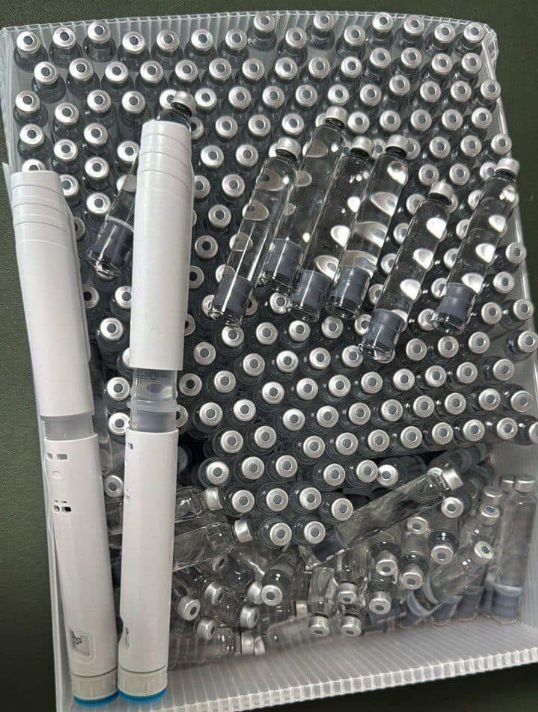
| What is a peptide pen supplier? | A peptide pen supplier provides pre-filled or refillable devices used to administer peptide-based compounds for research, clinical, or cosmetic use. |
| Why is cold-chain logistics important? | It ensures peptides remain stable and effective by maintaining proper temperature during storage and transport. |
| Are cheaper suppliers always worse? | Not always, but they often come with higher risks such as lower quality, poor storage, and inconsistent results compared to premium suppliers. |
| What certifications should I look for? | Look for GMP, ISO standards, and third-party lab verification to ensure safety and quality. |
| How can I verify supplier transparency? | Ask for batch-specific test reports, sourcing details, and manufacturing information. Transparent suppliers will provide clear answers. |
| What are the risks of poor-quality peptide pens? | Risks include contamination, reduced effectiveness, inaccurate dosing, and potential health concerns. |
| Is customer support really important? | Absolutely. Strong support can save time, money, and prevent costly mistakes during use or storage. |
| What is total cost of ownership? | It includes not just the purchase price but also hidden costs like product loss, replacements, and operational inefficiencies. |


