
Views: 0 Author: Site Editor Publish Time: 2026-05-15 Origin: Site


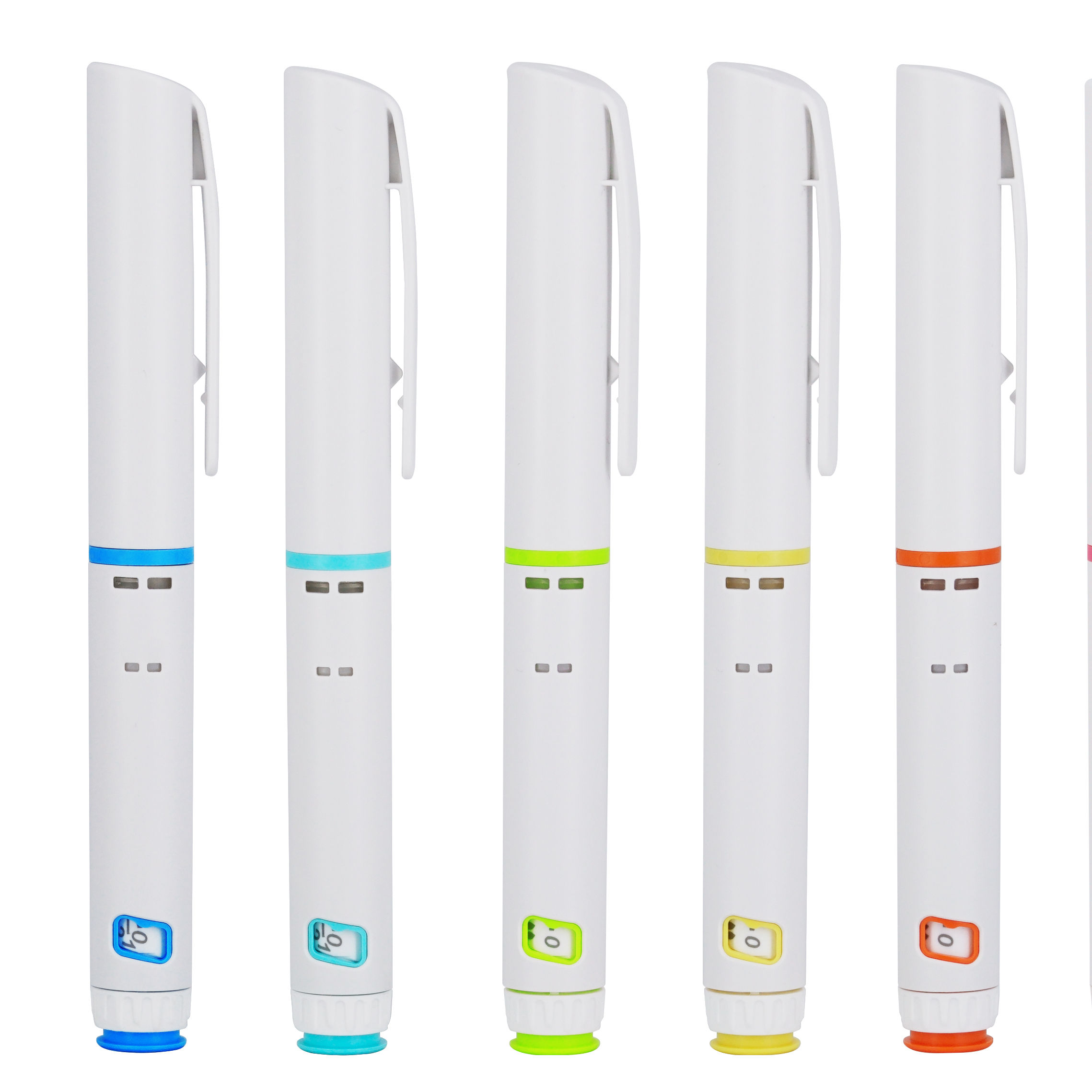
Let’s talk about something that’s been quietly gaining traction in wellness, fitness, and medical circles—the peptide pen. If you’ve stumbled across this term, chances are you’re either already using one or seriously considering it. And honestly? That’s not surprising.
Peptide pens are often praised as better, faster, and more convenient compared to traditional vial-and-syringe setups. Think of them as the “smartphones” of peptide delivery—sleek, portable, and designed to simplify your life. But here’s the catch: with that convenience comes responsibility.
Peptides themselves are fragile. They’re not like a bottle of vitamins you can toss into a drawer and forget. They’re more like fresh produce—handle them right, and they thrive; neglect them, and they degrade quickly.
So what’s the real challenge? It’s not just using a peptide pen—it’s storing, handling, and maintaining it properly. Ignore those factors, and even the most advanced pen becomes ineffective… or worse, unsafe.
In this guide, we’ll break everything down in a way that actually makes sense. No jargon overload. No vague advice. Just practical, real-world insight.

Peptide pens may look sturdy, but internally, they’re dealing with biologically active compounds that are surprisingly delicate.
Peptides are short chains of amino acids. Sounds simple, right? But their structure is like a carefully folded origami crane—precise and easily disrupted. Heat, light, and even air exposure can cause them to unfold or degrade.
Compared to tablets or capsules:
Peptides are less stable
They degrade faster
They require more precise storage conditions
Let’s say you leave your peptide pen in a warm car. Seems harmless? Not quite.
Here’s what could happen:
Reduced potency – The peptide becomes weaker (like watered-down coffee)
Structural breakdown – It may stop working entirely
Contamination risk – Especially if exposed repeatedly to improper conditions
Imagine paying premium prices for something that slowly turns into… nothing useful. That’s the risk.
Condition Ignored | Result Compared to Proper Storage | Impact Level |
|---|---|---|
Heat exposure | Faster degradation | High |
Light exposure | Less stable molecular structure | Medium |
Improper sealing | Higher contamination risk | High |
Freezing incorrectly | Structural damage | Medium |
Bottom line? Peptide pens are powerful—but only if you respect their sensitivity.
If peptide pens had a “happy place,” it would be something like a spa retreat—cool, dark, and stable.
Most peptide pens are best stored between:
2°C to 8°C (36°F to 46°F)
That’s your refrigerator—not your freezer.
Why not freeze them?
Because freezing can:
Break molecular bonds
Make peptides less effective
Cause precipitation (not what you want)
Compared to room temperature storage, refrigeration is better, more stable, and longer-lasting.
UV light is like kryptonite for peptides.
Even brief exposure can:
Alter chemical structure
Reduce effectiveness
So, what’s better?
Opaque containers → Better protection
Original packaging → Designed for safety
Humidity doesn’t get enough attention, but it matters.
Too much moisture can:
Encourage bacterial growth
Affect pen mechanics
Factor | Ideal Condition | Why It Matters |
|---|---|---|
Temperature | 2°C–8°C | Slows degradation |
Light | Minimal / None | Prevents structural damage |
Humidity | Low to moderate | Reduces contamination risk |
Think of it this way: your peptide pen isn’t high-maintenance—it’s just precise.
Let’s make this practical. What does good handling actually look like day-to-day?
Remove pen from fridge
Let it sit briefly (avoid condensation)
Inspect visually
Why wait a bit? Because injecting a freezing-cold solution can be uncomfortable—and sometimes less effective.
Always use a clean needle
Avoid shaking the pen (gentle handling only)
Keep exposure time short
Compared to rough handling, gentle use is safer and preserves peptide integrity better.
Recap securely
Return immediately to refrigerator
Avoid placing it near fridge door (temperature fluctuates more there)
Step | Best Practice | Why It’s Better |
|---|---|---|
Pre-use | Let pen stabilize briefly | Improves comfort & consistency |
During use | Gentle handling | Protects peptide structure |
Post-use | Immediate refrigeration | Maintains potency |
Consistency here is your secret weapon. It’s not about perfection—it’s about routine.
Let’s be blunt—most issues don’t come from faulty products. They come from user mistakes.
You might think, “It’s just 30 minutes.” But repeated exposure adds up.
Compared to strict storage, this habit is worse and leads to faster degradation.
This isn’t a protein shake. Agitation can:
Break peptide chains
Reduce effectiveness
Expired doesn’t always mean dangerous—but it often means:
Less potency
Unpredictable results
This is where things get serious:
Infection risk
Contamination
Mistake | Result Compared to Proper Care | Severity |
|---|---|---|
Shaking pen | Structural instability | Medium |
Reusing needles | Higher infection risk | High |
Ignoring expiration | Less predictable results | Medium |
Avoiding these is easier than fixing the consequences.
So how do you know if something’s off?
Look for:
Cloudiness (should usually be clear)
Particles or floating debris
Color changes
If it looks suspicious, it probably is.
Sometimes the issue isn’t visible.
Ask yourself:
Is it less effective than before?
Are results inconsistent?
Compared to a fresh peptide pen, a compromised one is weaker and less reliable.
Check Type | Warning Sign | What It Means |
|---|---|---|
Visual | Cloudiness | Possible contamination |
Visual | Color change | Chemical breakdown |
Performance | Reduced effectiveness | Loss of potency |
When in doubt? Don’t risk it.
Here’s something people overlook—seasons matter.
Heat is your biggest enemy.
Tips:
Use insulated carriers
Avoid leaving pens in cars
Compared to winter, summer storage is more demanding and riskier.
Cold isn’t always better.
Freezing risks:
Structural damage
Reduced effectiveness
Traveling with peptide pens?
Do this:
Use a cooling case
Keep it in carry-on luggage
Season | Main Risk | Best Strategy |
|---|---|---|
Summer | Overheating | Insulated cooling storage |
Winter | Freezing | Avoid extreme cold exposure |
Adaptation is key. Your routine shouldn’t be static—it should evolve.
Peptide pens are powerful tools—when used correctly.
Let’s keep it simple:
They’re more sensitive than traditional options
Proper storage is non-negotiable
Small habits make a big difference over time
Compared to careless handling, disciplined use is:
Better for effectiveness
Safer for your health
More cost-efficient in the long run
Think of your peptide pen like a high-performance engine. Treat it right, and it runs smoothly. Neglect it, and it breaks down faster than expected.

Question | Answer |
|---|---|
What is a peptide pen used for? | A peptide pen is used to deliver precise doses of peptides for medical, wellness, or performance purposes. It’s more convenient and often more accurate compared to traditional injection methods. |
Do peptide pens need refrigeration? | Yes, most peptide pens require refrigeration (2°C–8°C). Compared to room temperature storage, refrigeration is better for maintaining stability and potency. |
Can I travel with a peptide pen? | Absolutely. Use an insulated case and avoid extreme temperatures. Compared to unchecked luggage, carry-on storage is safer and more controlled. |
How long do peptides last in a pen? | It depends on the formulation, but generally a few weeks after opening when stored properly. Compared to unopened storage, opened pens degrade faster. |
What happens if my peptide pen gets warm? | Short exposure may not ruin it, but repeated heat exposure reduces effectiveness. Compared to proper storage, this leads to faster degradation. |
Is it safe to use a cloudy peptide solution? | No. Cloudiness may indicate contamination or breakdown. Compared to clear solutions, cloudy ones are less safe and less reliable. |
Can I freeze my peptide pen? | Not recommended. Freezing can damage peptide structure. Compared to refrigeration, freezing is more harmful than helpful. |
Are peptide pens better than syringes? | For many users, yes—they’re more convenient, faster, and easier to use. However, they may be more expensive compared to traditional methods. |


