
Views: 0 Author: Site Editor Publish Time: 2026-05-13 Origin: Site


Let’s be honest—using a peptide pen sounds simple, right?
Twist, inject, done.
But here’s the catch: what looks like a sleek, modern, almost foolproof device can quietly sabotage your results if you’re not paying attention to the small details. And in peptide therapy, small mistakes don’t stay small—they compound.
Think of it like brewing coffee. You could have premium beans, a high-end machine, and still end up with a terrible cup just because you got the water temperature wrong. A peptide pen works the same way. The device is only as good as your technique.
Whether you're using peptides for fat loss, muscle growth, anti-aging, or hormone optimization, improper use can mean:
Reduced effectiveness
Wasted product (which is often expensive)
Increased side effects
Even potential infection risks
Compared to traditional syringes, peptide pens are:
Better for convenience
Faster to administer
More consistent in dosing
But they can also be:
More confusing for beginners
Easier to misuse if instructions aren’t followed carefully
So what’s going wrong?
Let’s break down the five biggest peptide pen mistakes—and more importantly, how to fix them.

You ever shake a ketchup bottle and get mostly air before the sauce finally comes out?
That’s essentially what happens when you don’t prime your peptide pen.
Priming means pushing out a small amount of liquid before your first dose to remove air bubbles. Skipping this step can lead to:
Inaccurate dosing
Injection of air instead of peptide
Reduced therapeutic effect
Compared to a properly primed pen, a non-primed one delivers:
Less accurate doses
Less reliable results
A more inconsistent experience overall
Inside the pen cartridge, tiny air pockets can form during:
Storage
Temperature changes
First-time use
If you inject without priming, you might think you're getting your full dose—but you’re actually getting less peptide and more air.
Before every new pen (and sometimes before each injection depending on the device):
Dial a small dose (usually 1–2 units)
Hold the pen upright
Press until a droplet appears
That droplet? That’s your confirmation.
Practice | Result |
|---|---|
Skipping priming | Inconsistent dosing, weaker effects |
Proper priming | More accurate, stronger, predictable outcomes |
Let’s address the elephant in the room.
Needles cost money. And it’s tempting to think:
“It’s just one more use… what’s the harm?”
But reusing needles is one of the most common—and risky—mistakes with peptide pens.
After one use, a needle becomes:
Duller (less sharp → more painful)
Contaminated (even if you can’t see it)
Structurally compromised
Compared to a fresh needle, a reused one is:
More painful
More likely to cause tissue damage
More likely to introduce bacteria
Skin infections
Inflammation at injection sites
Scar tissue buildup
Reduced absorption of peptides
It’s like using the same razor blade for weeks—you can do it, but it gets rougher, less effective, and riskier every time.
Always:
Use a new sterile needle
Dispose of it safely
Avoid touching the needle tip
Practice | Outcome |
|---|---|
Reusing needles | More pain, higher infection risk |
New needle each time | Cleaner, safer, smoother injections |
Imagine walking on the same patch of grass every day.
Eventually, it wears out.
Your body works the same way.
Injecting peptides into the same spot repeatedly can lead to:
Tissue damage
Reduced absorption
Lumps under the skin (lipohypertrophy)
Abdomen (most common)
Thighs
Upper arms
But here’s the key: rotation is everything.
Compared to rotating sites properly, poor rotation leads to:
Slower absorption
Weaker results
More visible skin changes
Think of your injection area like a clock:
Divide it into sections
Move to a different “hour” each time
Or rotate daily:
Day 1: Left abdomen
Day 2: Right abdomen
Day 3: Left thigh
Day 4: Right thigh
Practice | Result |
|---|---|
Same spot repeatedly | Poor absorption, tissue damage |
Proper rotation | Better, faster, more consistent results |
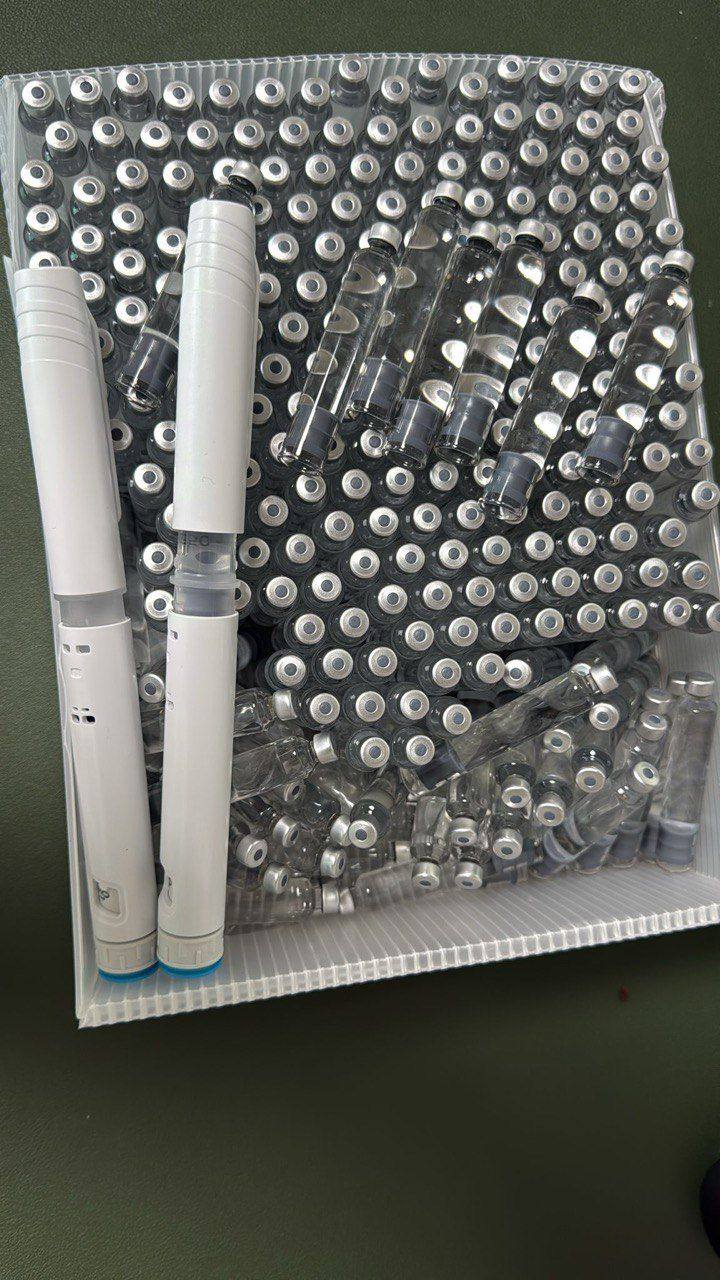
Peptides are delicate.
They’re not like protein powder or supplements you can toss in a drawer and forget about.
Think of them like fresh food:
Too hot? They degrade
Too cold (freezing)? They break down
Too much light? They lose potency
Most peptide pens should be:
Stored in the refrigerator (2–8°C / 36–46°F)
Protected from direct light
Never frozen
Compared to properly stored peptides:
Improperly stored ones are less potent
Effects are weaker or inconsistent
You may waste expensive medication
If you’re on the go:
Use insulated travel cases
Avoid leaving pens in cars
Keep away from heat sources
Storage Method | Result |
|---|---|
Room temp (too long) | Reduced potency |
Proper refrigeration | Stronger, more reliable results |
This one is subtle—but serious.
Peptide dosing can be confusing because it involves:
mg (milligrams)
mL (milliliters)
units (on the pen)
Mixing these up is like confusing miles and kilometers—you might still get somewhere, but not where you intended.
Different peptides come:
Pre-mixed
Reconstituted manually
With different concentration levels
So your pen units don’t always equal the same amount of peptide.
Let’s say:
You have 5 mg peptide in 1 mL
Your pen measures in units
If you don’t understand the conversion, you could:
Underdose (wasting time and money)
Overdose (risking side effects)
Understanding Dosing | Result |
|---|---|
Confused | Inconsistent or dangerous dosing |
Clear conversion | Accurate, effective therapy |
Always confirm concentration
Follow provider instructions
Double-check before injecting
When in doubt? Ask. Guessing is not worth the risk.
Here’s the truth: peptide therapy isn’t just about what you take—it’s about how you take it.
The difference between mediocre and optimal results often comes down to habits that seem almost too small to matter:
Priming your pen
Using a fresh needle
Rotating injection sites
Storing correctly
Understanding your dose
Each one is simple.
But together?
They create a system that is:
Better in performance
Faster in delivering results
Stronger in consistency
Compared to careless use, proper peptide pen technique is like upgrading from a blurry lens to HD clarity—you finally see the results you were expecting all along.

Question | Answer |
|---|---|
What is a peptide pen used for? | A peptide pen is used to deliver precise doses of peptide-based medications for purposes like fat loss, muscle growth, anti-aging, and hormone optimization. |
Is a peptide pen better than a syringe? | Yes, for many users—it’s more convenient, faster, and easier to use. However, it can be more expensive and requires proper technique to avoid mistakes. |
Can I reuse peptide pen needles? | No. Reusing needles increases infection risk, causes more pain, and reduces injection quality. Always use a new needle. |
Do peptide pens need refrigeration? | Most do. Proper storage (2–8°C) helps maintain potency and effectiveness. Always check product instructions. |
What happens if I inject air bubbles? | Small air bubbles are usually not dangerous in subcutaneous injections but can reduce dosing accuracy, leading to weaker results. |
How do I know my correct dose? | You must understand the concentration (mg/mL) and how your pen measures units. Always follow medical guidance. |
Where should I inject a peptide pen? | Common sites include the abdomen, thighs, and upper arms. Rotating sites is crucial for best results. |
Can improper use reduce effectiveness? | Absolutely. Mistakes like skipping priming, poor storage, or wrong dosing can significantly reduce results. |


