
Views: 0 Author: Site Editor Publish Time: 2026-05-11 Origin: Site


Let’s be honest—if you’ve landed here, you’ve probably heard whispers about peptides, injections, and this mysterious thing called a peptide pen. Maybe it came up in a fitness forum, a biohacking podcast, or even during a doctor’s visit. And now you’re wondering… what exactly is this thing, and why are people so excited about it?
Think of a peptide pen as the smartphone of injectable therapies—compact, precise, and designed to make something once complicated feel surprisingly simple. Compared to traditional syringes, which can feel intimidating and clunky, peptide pens are cleaner, easier, and often safer when used correctly.
But here’s the catch: while peptide pens make things simpler, they don’t make them foolproof. That’s why this guide exists.
We’re going to walk through everything—what a peptide pen is, how to use it, what mistakes to avoid, and how to get the most out of it. By the end, you’ll feel less like a beginner and more like someone who actually knows what they’re doing.

A peptide pen is a pre-filled or refillable injection device designed to deliver precise doses of peptide solutions under the skin (subcutaneous injection). It’s similar in concept to insulin pens used by diabetics—but optimized for peptide therapies.
Imagine trying to water a plant using a bucket versus a spray bottle. A syringe is the bucket—effective but messy. A peptide pen? That’s your spray bottle—precise, controlled, and efficient.
Let’s break it down:
Feature | Peptide Pen | Traditional Syringe |
|---|---|---|
Ease of Use | Easier, beginner-friendly | More technical |
Precision | More accurate dosing | Depends on user skill |
Comfort | Less intimidating | Often stressful |
Portability | Compact and discreet | Bulkier |
Cost | More expensive upfront | Less expensive |
So yes, peptide pens are usually more expensive, but they’re also better, faster, and easier for most users—especially beginners.
Consistency: You get the same dose every time—no guesswork
Convenience: No need to manually draw from vials (in many cases)
Confidence: You’ll feel less anxious compared to using needles manually
But—and this is important—it’s not magic. You still need to know how to use it properly.
Here’s where things can get tricky. Not every peptide pen works the same way. Using the wrong technique on the wrong pen is like trying to drive a manual car like it’s automatic—it just won’t end well.
Type | Description | Pros | Cons |
|---|---|---|---|
Pre-filled Pen | Comes ready to use | Convenient, faster | Less customizable |
Refillable Pen | You load peptides manually | More flexible | Slightly more complex |
Dial-a-Dose Pen | Adjustable dosage dial | Highly precise | Requires attention |
Fixed Dose Pen | Pre-set dosage | Foolproof | Less flexible |
If you’re a beginner, a pre-filled pen is better and easier
If you want control, refillable pens are stronger in customization
If you value accuracy, dial-a-dose pens are superior
Compared to traditional injections, all peptide pens are generally lighter, more portable, and less stressful.
Before your first use, always ask yourself:
Do I know the dose setting?
Do I understand how to prime the pen?
Is this pen single-use or reusable?
Skipping these basics is like baking without reading the recipe—you might get lucky, but probably not.
Before you even think about injecting, you need your setup ready. Think of this like preparing ingredients before cooking—it makes everything smoother.
Item | Purpose | Notes |
|---|---|---|
Peptide Pen | Delivery device | Your main tool |
Alcohol Swabs | Sterilization | Prevents infection |
Pen Needles | Injection tip | Usually single-use |
Sharps Container | Disposal | Safety first |
Cotton Ball/Gauze | Post-injection care | Optional |
Skipping preparation is one of the biggest beginner mistakes. Compared to a rushed setup, a prepared kit is:
Safer (less contamination risk)
Faster (no scrambling mid-process)
More efficient (you stay focused)
Think of it like going to the gym—you wouldn’t start a workout without your gear, right?
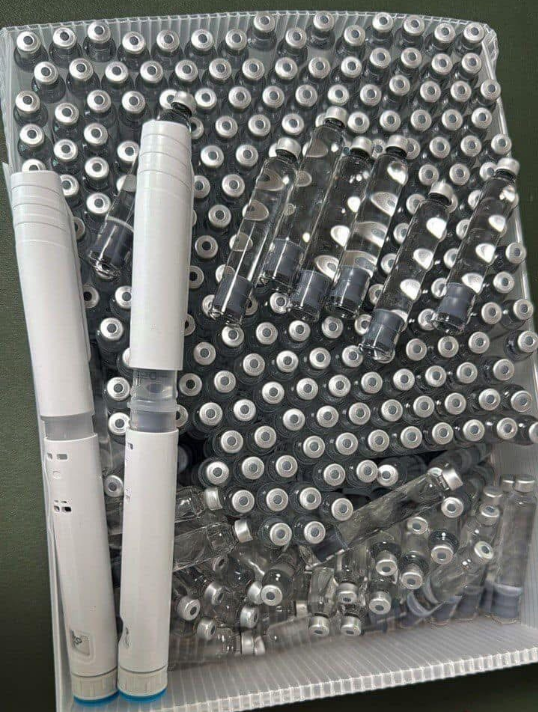
Alright, this is the moment you’ve been waiting for. Take a breath—it’s simpler than you think.
Basic, but critical. Clean hands reduce infection risk dramatically.
Attach a new needle
Remove caps
Prime the pen (if required)
Common areas:
Abdomen (most popular)
Thigh
Upper arm
Compared to other areas, the abdomen is better and easier for beginners because it has more subcutaneous fat.
Use an alcohol swab. Let it dry—don’t rush this step.
Pinch the skin
Insert needle at 90° (or 45° if lean)
Press the injection button
Think of it like pressing a doorbell—firm but controlled.
Hold for 5–10 seconds before removing to ensure full delivery.
Never reuse needles. Ever.
Most people say it feels like a tiny pinch—less painful compared to a traditional syringe. The anticipation is often worse than the actual injection.
Using the pen correctly is only half the story. Taking care of it afterward is just as important.
Condition | Recommendation |
|---|---|
Temperature | Refrigerated (2–8°C typically) |
Light Exposure | Keep away from direct sunlight |
Duration | Follow peptide-specific guidelines |
Improper storage can make peptides less effective, weaker, or even unsafe.
Compared to tablets or capsules, peptides are more sensitive and fragile—they require more careful handling.
Always remove the needle after use
Store with the cap on
Avoid dropping the pen
Think of your peptide pen like a high-end gadget—treat it well, and it performs better.
Everyone makes mistakes—but you don’t have to make these ones.
Mistake | Why It’s a Problem | How to Avoid |
|---|---|---|
Skipping Sterilization | Infection risk | Always use alcohol swabs |
Wrong Dose Setting | Ineffective or dangerous | Double-check dial |
Reusing Needles | Painful and unsafe | Use new needles every time |
Poor Storage | Reduced potency | Refrigerate properly |
Injecting Too Fast | Incomplete delivery | Go slow and steady |
Compared to experienced users, beginners often rush. But slowing down actually makes the process:
Safer
More accurate
Less stressful
Think of it like learning to drive—you don’t start on the highway.
Here’s the truth: using a peptide pen might feel intimidating at first, but it quickly becomes second nature.
Compared to traditional injection methods, peptide pens are:
Better for beginners
Faster to use
More precise
Less stressful
But they still require responsibility. This isn’t just a gadget—it’s a medical tool.
So take your time, follow the steps, and don’t cut corners.
Before you know it, you’ll go from “Can I really do this?” to “That was it?”

Question | Answer |
|---|---|
What is a peptide pen used for? | It’s used to deliver peptide therapies through subcutaneous injections in a precise and controlled way. |
Is a peptide pen better than a syringe? | For most beginners, yes—it’s easier, more accurate, and less intimidating, though more expensive. |
Does it hurt? | Not much. Most people describe it as a quick pinch—less painful compared to traditional needles. |
How often can I use a peptide pen? | It depends on your peptide protocol. Always follow medical guidance. |
Can I reuse the needle? | No. Reusing needles increases infection risk and reduces effectiveness. |
Where is the best place to inject? | The abdomen is generally the best and easiest area for beginners. |
How do I store my peptide pen? | Usually in the refrigerator, away from light and heat. Check specific instructions. |
What happens if I use the wrong dose? | It may reduce effectiveness or cause side effects—always double-check before injecting. |
Are peptide pens safe? | Yes, when used correctly and under proper guidance. |
Who should avoid peptide pens? | People without proper medical guidance or with certain health conditions should consult a professional first. |


