
Views: 0 Author: Site Editor Publish Time: 2026-05-08 Origin: Site


Let’s be real for a second—if you’ve landed here, you’ve probably heard about SARMs powders somewhere online. Maybe in a research forum, maybe from a friend, or maybe from that one overly confident “gym expert” who claims to know everything. But here’s the thing: SARMs powders are not just another trendy buzzword. They sit at the intersection of chemistry, research science, and—yes—controversy.
So, what’s actually going on beneath the surface? Are SARMs powders worth your attention? And more importantly, how do you navigate this space without falling into the trap of low-quality products or misleading claims?
SARMs powders, or Selective Androgen Receptor Modulators, are synthetic compounds designed to selectively bind to androgen receptors in the body. Think of them like highly targeted messengers—compared to traditional anabolic steroids, which act like a floodlight, SARMs act more like a laser pointer.
Chemically speaking, SARMs are non-steroidal molecules. That means they don’t share the same structure as testosterone, yet they can mimic some of its effects. This is where things get interesting.
Unlike steroids, which affect multiple tissues (muscle, liver, prostate, etc.), SARMs aim to target specific tissues—primarily muscle and bone. That’s what makes them potentially better in controlled research environments—more targeted, less systemic chaos.
But here’s the catch: “selective” doesn’t mean “risk-free.”
Steroids = Like using a sledgehammer to crack a nut
SARMs = Like using a precision screwdriver
One is brute force, the other is calculated—at least in theory.

This is where things get tricky—and honestly, a little risky.
The SARMs market is flooded with products that look identical but vary wildly in quality. So how do you tell the difference?
Indicator | High-Quality SARMs Powder | Low-Quality or Fake SARMs Powder |
|---|---|---|
Purity Testing | Third-party lab reports (COA) | No documentation |
Appearance | Fine, consistent powder | Clumpy, uneven texture |
Supplier Transparency | Clear sourcing info | Vague or hidden details |
Price | Moderate (not too cheap) | Suspiciously cheap |
Packaging | Sealed, labeled professionally | Generic or unmarked |
If a supplier claims “100% pure SARMs” with no proof, that’s like someone selling you a “perfect diamond” without certification. Would you trust it?
Cheaper SARMs powders might seem better for your wallet upfront, but they’re often worse in terms of reliability, safety, and consistency. In research, bad data is more expensive than good materials.
At first glance, the difference between 98% and 99% purity might seem tiny. Just 1%, right?
But in chemical research, that 1% can be everything.
Imagine baking a cake where 1% of the ingredients are random chemicals. That’s not a cake—that’s a gamble.
Purity Level | Implications in Research |
|---|---|
99%+ | More reliable, consistent results |
98% | Slight variability, potential impurities |
<95% | High risk of contamination |
Generally, yes—better, stronger, and more consistent. But it’s also often more expensive. For high-precision research, that extra cost is justified. For exploratory studies, some may tolerate slightly lower purity—but it’s a calculated risk.
Think of SARMs powders like fine wine—they degrade if you treat them poorly.
Cool temperatures (2–8°C preferred)
Dry environment (low humidity)
Protection from light (especially UV)
Airtight containers
Condition | Effect on Stability |
|---|---|
Refrigerated | Longer shelf life |
Room Temperature | Moderate degradation |
High Heat | Rapid breakdown |
Exposure to Air | Oxidation risk |
Leaving SARMs powder exposed is like leaving ice cream in the sun—it won’t stay what it was meant to be.
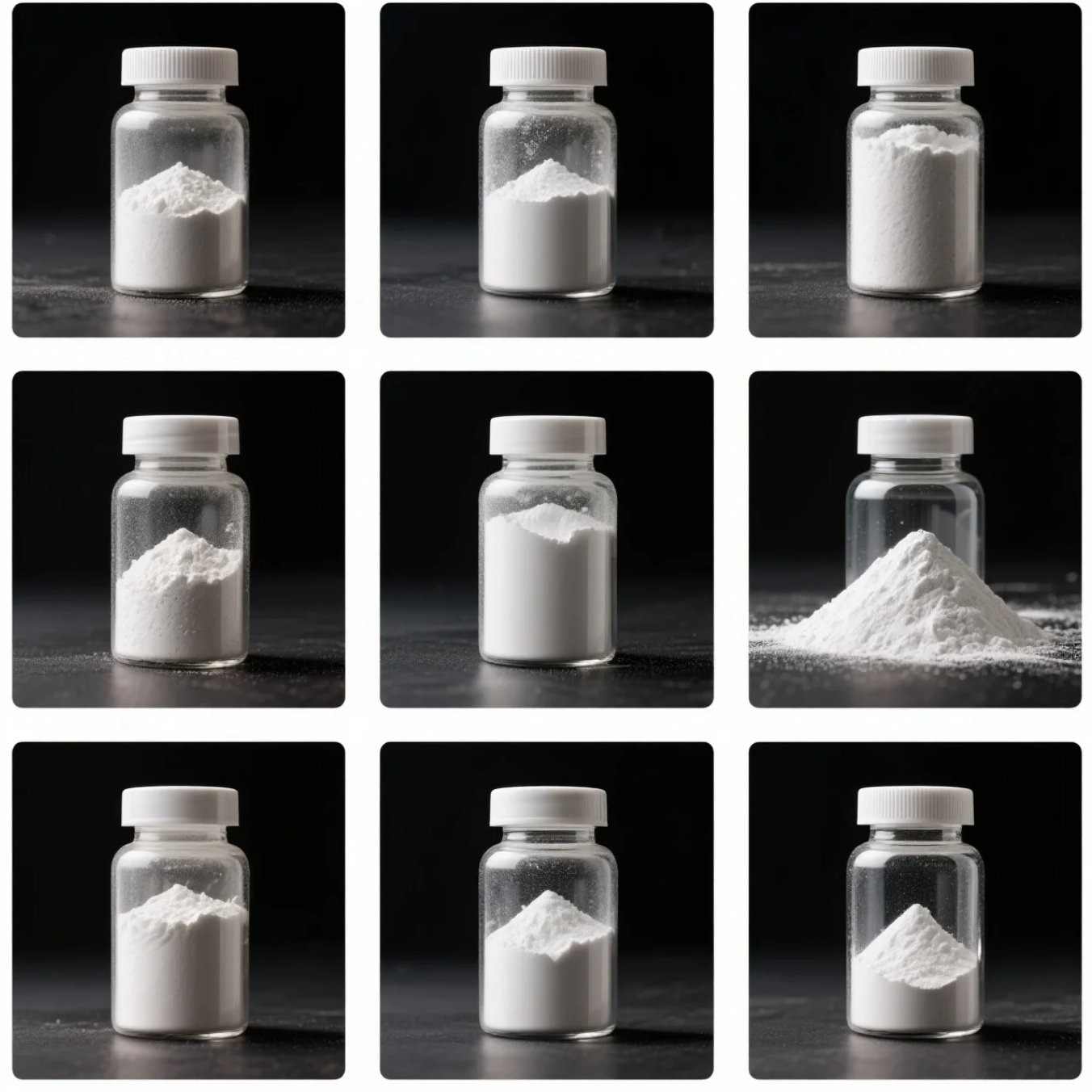
Not all solvents are created equal. Choosing the wrong one is like trying to dissolve sugar in oil—it just won’t work.
Solvent | Pros | Cons |
|---|---|---|
DMSO | Strong dissolving power | Can degrade compounds if overused |
Ethanol | More stable | Less powerful than DMSO |
PEG 400 | Balanced option | Slower dissolution |
Water | Safe | Often ineffective |
DMSO is often considered stronger and faster, but ethanol is safer and more stable for long-term solutions. It’s all about your research needs.
This is where things get complicated.
SARMs powders are often sold as “research chemicals,” but their legal status varies dramatically.
Region | Status |
|---|---|
USA | Legal for research, not for human consumption |
EU | Varies by country |
Australia | Prescription-only |
Canada | Restricted |
Just because something is available doesn’t mean it’s legal for all uses. Always check local regulations.
Handling SARMs powders isn’t like handling sugar or salt—it requires discipline.
Gloves and lab coats
Proper ventilation
Avoid inhalation
Accurate measurement tools
Precaution Level | Risk Level |
|---|---|
Full PPE | Low risk |
Minimal protection | Moderate risk |
No precautions | High risk |
Would you handle unknown chemicals with bare hands? Probably not. Treat SARMs with the same respect.
Short answer: Yes—but carefully.
Researchers may combine SARMs to explore synergistic effects. Think of it like mixing ingredients in a recipe—sometimes the result is better, sometimes it’s a disaster.
Aspect | Advantage | Disadvantage |
|---|---|---|
Effectiveness | Potentially stronger results | Increased complexity |
Research Value | More data insights | Harder to control variables |
Safety | Targeted outcomes | Unknown interactions |
Mixing SARMs is like mixing chemicals—you need precision, not guesswork.
Stability depends heavily on storage and solvent.
Condition | Stability Duration |
|---|---|
Refrigerated | Weeks to months |
Room Temperature | Days to weeks |
Poor storage | Rapid degradation |
Solutions degrade faster than powders. Always prepare fresh when possible.
Let’s cut through the noise.
No Certificate of Analysis (COA)
Unrealistically low prices
Fake reviews
No contact information
Overhyped claims
Reliable Seller | Unreliable Seller |
|---|---|
Verified testing | No proof |
Transparent | Anonymous |
Moderate pricing | Too cheap |
Clear policies | No returns |
If it sounds too good to be true—it probably is.
Let’s be honest—there’s a lot of noise out there.
SARMs powders are complex chemical compounds, not supplements you casually pick off a shelf. Relying on anecdotal advice is like navigating a lab with guesswork—it rarely ends well.
A qualified chemical supplier offers data, testing, and accountability. A gym bro offers opinions.
Which one sounds more reliable?

Question | Answer |
|---|---|
What are SARMs powders used for? | Primarily for laboratory and research purposes. |
Are SARMs powders safer than steroids? | They are more selective, but not risk-free. |
Can SARMs powders expire? | Yes, especially if not stored properly. |
Is 99% purity necessary? | For high-quality research, yes—it’s better and more reliable. |
Can SARMs be dissolved in water? | Usually not effectively; better solvents exist. |
Are SARMs legal to buy? | Depends on region and intended use. |
How do I verify authenticity? | Look for third-party lab reports (COA). |
Can SARMs be mixed? | Yes, but requires careful research design. |
Do SARMs degrade over time? | Yes, especially in solution form. |
What’s the biggest risk when buying online? | Receiving fake or contaminated products. |


