Introduction
Have you ever wondered how researchers explore the world of performance-enhancing compounds safely, legally, and scientifically? In the quest to understand muscle growth, fat loss, and endurance, SARMs powders (Selective Androgen Receptor Modulators) have emerged as a popular subject in laboratories worldwide. These compounds, often compared to anabolic steroids, promise targeted effects on muscle and bone tissue with fewer unwanted side effects. But the question that looms large is—how can these substances be legally procured for research while maintaining safety and compliance?
SARMs powders are gaining traction not only in the scientific community but also among fitness enthusiasts. Their appeal lies in their ability to promote muscle growth, fat loss, and strength gains, all while being lighter on the liver and other organs compared to traditional anabolic steroids. Think of SARMs as the sniper rifles of performance compounds—precise, effective, and less likely to cause collateral damage.
This article will walk you through the types of SARMs powders, how they work at a molecular level, the advantages they hold over traditional steroids, and key considerations for researchers. By the end, you'll have a comprehensive understanding of SARMs from a scientific, legal, and practical perspective.
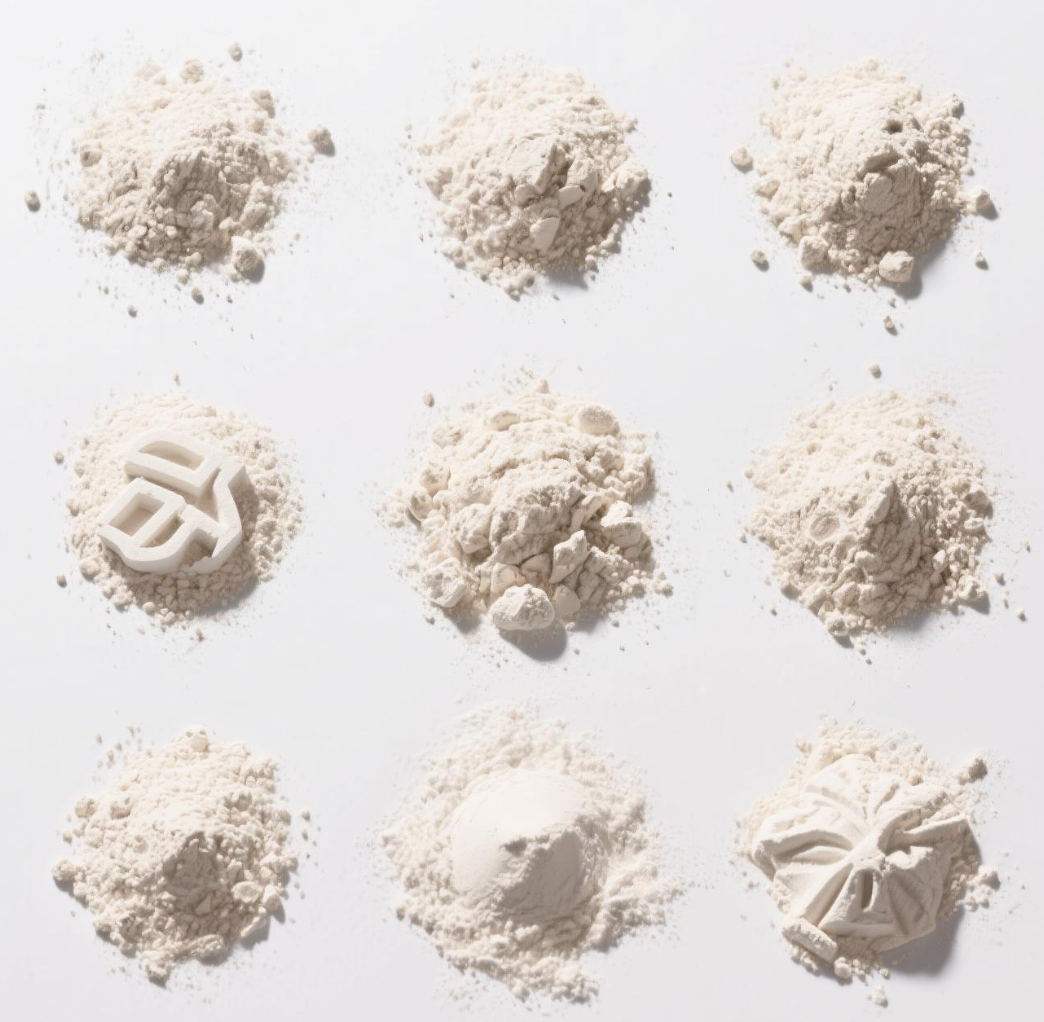
1.Understanding SARMs
Definition and Basic Concept
So, what exactly are SARMs? Simply put, SARMs are a class of compounds that bind selectively to androgen receptors in the body. Unlike anabolic steroids, which blanketly affect multiple tissues, SARMs are designed to target muscle and bone tissue more selectively. Imagine spraying fertilizer on your garden versus flooding the whole yard with water—the targeted approach reduces waste and unintended consequences.
SARMs mimic the effects of testosterone but are engineered to avoid excessive androgenic effects such as hair loss or prostate enlargement. They’re essentially custom-tailored molecules that can be fine-tuned for specific outcomes in research or therapeutic contexts.
How SARMs Differ from Anabolic Steroids
Compared to traditional anabolic steroids, SARMs are lighter, more selective, and generally less toxic. Steroids are like throwing a massive party—you get muscle growth, sure, but also potential side effects like liver strain, hormonal imbalance, and acne. SARMs, on the other hand, are like a curated dinner: you get what you want (muscle growth) without the overindulgence (side effects).
Here’s a quick comparison:
Steroids: Affect all androgen-sensitive tissues, higher risk of side effects.
SARMs: Selective action, primarily on muscles and bones, lower risk profile.
SARMs also have better oral bioavailability, meaning they can be administered in powder or capsule form and absorbed efficiently, whereas many steroids require injections. This makes them more flexible and less expensive to study in a lab setting.
Advantages of SARMs over Traditional Steroids
Let’s break down why SARMs are increasingly preferred for scientific research:
Better tissue selectivity: Muscle and bone receive the majority of the compound, reducing off-target effects.
Faster absorption: Oral powders can be dissolved or encapsulated easily.
Lower toxicity: Compared to anabolic steroids, SARMs tend to have fewer liver and cardiovascular side effects.
More precise dosing: Powders allow researchers to fine-tune doses for different experiments.
While SARMs offer these advantages, it’s important to note the safety and legal status. Many SARMs are classified as research chemicals, meaning they are legally available only for laboratory research, not human consumption. Handling, storage, and procurement must always comply with local regulations to ensure research integrity and legal compliance.
Now that we understand what SARMs are and why they’re advantageous, let’s explore the most common types of SARMs powders used in research and fitness studies. Each compound has unique characteristics, and understanding these differences is critical for scientific applications.
Ostarine (MK-2866)
Primary uses: Muscle growth, fat loss
Typical dosing form: Powder
Ostarine is one of the most well-known SARMs, often considered the gold standard for lean muscle development. Compared to other SARMs, Ostarine is gentler on the system but still effective for stimulating protein synthesis and promoting lean tissue preservation. Researchers favor its powder form because it allows precise measurement for lab experiments, avoiding variability in capsule or tablet forms.
Mechanism of action: Ostarine binds to androgen receptors in muscle tissue, triggering growth pathways while leaving most androgen-sensitive organs untouched. This selectivity is why it’s considered safer than traditional steroids.
Ligandrol (LGD-4033)
Benefits and applications: Ligandrol is stronger than Ostarine in terms of muscle mass gains, making it ideal for research on muscle wasting disorders or strength enhancement studies.
Powder form advantages: Compared to pre-made tablets, the powder form is lighter, more cost-effective, and allows for custom experimental dosages.
Mechanistic overview: Ligandrol activates androgen receptors more potently in muscles, enhancing anabolic pathways while minimizing androgenic effects in organs like the prostate. Think of it as a turbocharged version of Ostarine.
Andarine (S4)
Focused effects: Strength and lean muscle development
Typical use cases: Andarine is particularly interesting for fat reduction and strength improvement studies. It’s not necessarily stronger in mass gain than Ligandrol but excels in refining muscle definition.
Mechanism: Andarine selectively binds to androgen receptors in skeletal muscles and bones, stimulating protein synthesis and fat metabolism without the broader systemic effects typical of steroids.
Cardarine (GW-501516)
Technically, Cardarine isn’t a SARM—it’s a PPARδ agonist—but it’s often included due to its performance-enhancing effects.
Role in endurance and fat metabolism: Cardarine is better for boosting endurance and promoting fat oxidation compared to SARMs that primarily focus on muscle growth. Researchers use it to study metabolic pathways and cardiovascular efficiency.
How it works: By activating PPARδ, Cardarine increases energy expenditure in muscle tissues and promotes fat burning, making it a valuable tool in research targeting obesity or metabolic disorders.
Other Emerging SARMs
Several other SARMs powders are gaining attention in research:
RAD-140 (Testolone): Stronger anabolic effects than Ostarine, better for studying muscle hypertrophy.
YK-11: A myostatin inhibitor with unique mechanisms, potentially stronger in muscle growth but with limited long-term safety data.
Each emerging SARM offers unique mechanisms and research opportunities, giving scientists a range of tools to explore anabolic pathways while minimizing risks compared to traditional steroids.
3.Mechanisms of Action of SARMs Powders
To truly appreciate SARMs, we need to peek under the hood and see how these compounds work at a molecular level. Understanding their mechanisms is like exploring the blueprint of a high-tech machine—everything clicks into place once you see the design.
How SARMs Bind Selectively to Androgen Receptors
SARMs are designed to attach to androgen receptors (ARs), which are protein structures in cells that respond to hormones like testosterone. But unlike steroids, which bind almost everywhere, SARMs are selective. Think of steroids as a universal key that opens every lock in the building, sometimes causing chaos in rooms you didn’t intend to access. SARMs, on the other hand, are custom keys—they target specific locks in muscles and bones, leaving other tissues mostly unaffected.
This selective binding is what gives SARMs their reputation as “the smarter alternative to steroids.” By activating only the desired receptors, they maximize muscle growth and bone strength while minimizing the risks of side effects such as liver stress, prostate enlargement, or excessive androgenic effects like hair loss.
Anabolic vs. Androgenic Effects: Why SARMs Are “Selective”
One of the core differences between SARMs and traditional steroids is the anabolic-to-androgenic ratio.
Anabolic effects: Promote muscle growth, protein synthesis, and bone density.
Androgenic effects: Affect secondary sexual characteristics like facial hair, voice deepening, or prostate growth.
Steroids tend to increase both anabolic and androgenic effects, which is why bodybuilders often face side effects despite rapid gains. SARMs, however, have a highly favorable anabolic-to-androgenic ratio, meaning they are stronger at building muscles than at triggering androgenic changes.
Imagine two cars: one is a sports car with raw power but poor safety, the other is engineered for speed and precision with airbags and stability. SARMs are like the latter—optimized for efficiency and safety in targeted outcomes.
Cellular Effects: Muscle Tissue vs. Other Organs
Once SARMs bind to androgen receptors in muscle cells, a cascade of intracellular events occurs:
Protein synthesis ramps up – your cells are basically instructed to “build more muscle.”
Fat metabolism improves – energy utilization in muscles increases, aiding fat loss.
Bone density benefits – bone-forming cells get activated, enhancing skeletal strength.
Compared to anabolic steroids, SARMs are less likely to overstimulate androgen receptors in non-target organs like the liver, skin, or prostate. This is why researchers often describe SARMs as muscle-first compounds, focusing the anabolic “firepower” exactly where it’s needed.
Potential Impact on Protein Synthesis, Metabolism, and Fat Loss
The selectivity of SARMs translates into tangible physiological effects:
Protein synthesis: SARMs accelerate the creation of new muscle proteins, leading to lean muscle growth that is stronger and denser compared to gains achieved through diet or exercise alone.
Metabolism: SARMs may enhance energy expenditure and improve mitochondrial efficiency, meaning your cells burn fuel more effectively.
Fat loss: Some SARMs (like Andarine and Cardarine) are especially effective at mobilizing stored fat, making them lighter on unwanted body fat compared to steroids, which often increase weight non-selectively.
From a research perspective, understanding these mechanisms helps scientists predict outcomes, reduce risks, and tailor experiments to study muscle wasting diseases, osteoporosis, or metabolic disorders without the ethical complications of steroid overuse.
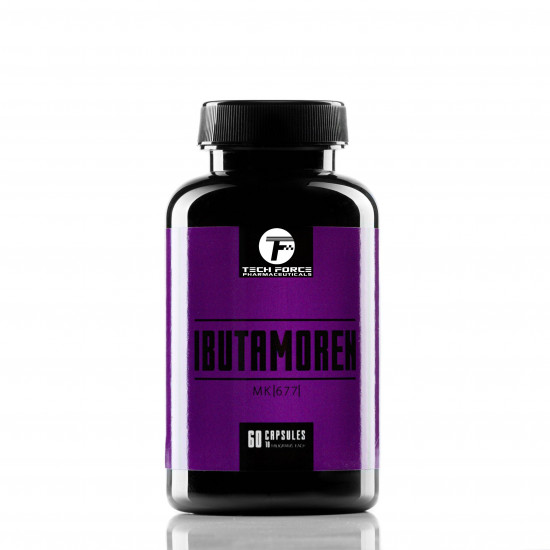
4.Forms and Usage of SARMs Powders
When it comes to SARMs, the form you choose can make a big difference—especially in a research setting. While capsules and liquids exist, powder form is widely preferred for scientific studies, thanks to its flexibility, purity, and ease of precise measurement.
Why Powders Are Popular in Research
SARMs powders offer several advantages compared to other forms:
Purity: High-quality powders often come with higher purity than pre-made capsules, which may contain fillers or binders. This ensures researchers are testing the compound itself, not extraneous substances.
Custom Dosing: Powders allow scientists to weigh out exact amounts for experiments. Compared to pre-mixed tablets, this is both more cost-effective and scientifically accurate.
Shelf Life: Powders generally have a longer shelf life than liquids or capsules if stored properly. Less degradation over time means more reliable and repeatable research results.
Cost Efficiency: For labs, powders are lighter and less expensive to ship compared to bulkier capsule forms.
Think of powders like raw ingredients in a chef’s kitchen—they give researchers control over every variable, rather than relying on pre-packaged meals with unknown additives.
Handling and Storage Guidelines
While SARMs are less toxic than anabolic steroids, they are still potent bioactive compounds, and handling them requires caution. Here’s a research-friendly guide for powders:
Storage Conditions: Store powders in a cool, dry place away from direct sunlight to maintain stability. Humidity and heat can degrade the compound, reducing effectiveness and skewing results.
Protective Equipment: Always use gloves, masks, and protective eyewear when handling powders to avoid accidental inhalation or skin exposure. Even in a lab setting, SARMs should be treated as bioactive chemicals.
Accurate Measurement: Use a precision scale capable of milligram or microgram accuracy. In research, even slight deviations can affect outcomes, so careful weighing is critical.
Avoid Cross-Contamination: Clean work surfaces and tools thoroughly. SARMs powders are highly concentrated, and residue can interfere with other experiments.
Legal Considerations
It’s important to remember that SARMs are generally legal only for laboratory research. Purchasing them for human use without regulatory approval is prohibited in many countries. Always:
Work through licensed chemical suppliers for scientific research.
Keep records of purchase, storage, and usage to comply with institutional and legal guidelines.
Ensure that any experiments comply with ethics board approvals and local laws.
By following these handling and storage best practices, researchers can maximize accuracy, safety, and legal compliance, all while exploring the fascinating effects of SARMs powders.
5.Benefits and Considerations of SARMs Powders
SARMs powders have become a hot topic in both research and fitness communities. But why exactly do researchers and athletes show so much interest? Let’s break down the benefits, potential drawbacks, and considerations of using SARMs powders, keeping the focus on scientific and legal applications.
Muscle Gain, Fat Loss, and Strength Improvement
One of the main reasons SARMs are popular is their ability to enhance body composition efficiently:
Muscle Gain: Compared to anabolic steroids, SARMs powders are lighter on off-target organs but still promote significant lean muscle growth. This makes them ideal for studies on muscle-wasting conditions like sarcopenia or cachexia.
Fat Loss: Certain SARMs (like Andarine and Cardarine) are particularly effective at mobilizing fat stores. Researchers often find that these compounds improve metabolic efficiency compared to steroids, which can increase overall weight rather than selectively enhancing muscle.
Strength Improvement: SARMs selectively stimulate muscle fibers responsible for power and endurance, allowing better performance gains without triggering excessive androgenic side effects like hair loss or prostate enlargement.
In essence, SARMs provide a more surgical approach to body composition improvements, compared to the “all-in-one” effects of steroids.
Lower Risk of Side Effects Compared to Steroids
Safety is a big consideration in both research and recreational use. Compared to anabolic steroids, SARMs powders are generally:
Less toxic to the liver: Many oral steroids are hepatotoxic, while SARMs are lighter on liver function.
Less androgenic: SARMs cause fewer androgen-driven side effects like acne, hair thinning, or voice changes.
More selective: Because SARMs target muscle and bone primarily, there is less risk to cardiovascular health or hormone imbalance.
Think of it as comparing a high-powered hammer (steroids) to a precision chisel (SARMs): both get the job done, but one is more likely to cause collateral damage.
Limitations and Unknowns
Despite their advantages, SARMs powders are not without limitations:
Long-term safety: While short-term studies show promising results, long-term human data is limited. Researchers must remain cautious when interpreting results.
Regulatory uncertainty: SARMs are not approved for human use in most countries, which can complicate research or create legal barriers.
Variable quality: Not all SARMs powders are created equal. Some unregulated sources may provide compounds that are less pure or contaminated, which could compromise research integrity.
Not a magic bullet: SARMs alone won’t replace proper nutrition, exercise, or therapeutic interventions—they work best as part of a controlled, scientifically guided study.
By understanding both the strengths and limitations of SARMs powders, researchers can design safer, more effective experiments while avoiding potential pitfalls that arise from hype or anecdotal claims.
Summary of Benefits vs. Considerations
| Benefit | Comparison / Advantage | Consideration / Limitation |
| Muscle Growth | Stronger targeted effect than diet alone | Long-term effects in humans are still under study |
| Fat Loss | More selective than steroids, reduces off-target weight gain | Effectiveness varies by compound and individual tissue response |
| Strength & Endurance | Enhances performance without high androgenic side effects | Not all SARMs equally effective for strength vs. endurance |
| Safety | Less liver stress and fewer androgenic issues than steroids | Quality control of powders can vary widely |
| Flexibility | Custom dosing allows precise experimental design | Legal restrictions limit human research in many countries |
SARMs powders are essentially precision research tools: they provide better control, safer profiles, and stronger targeted effects compared to anabolic steroids, but they still require careful handling, scientific rigor, and awareness of limitations.
6.Conclusion
SARMs powders have emerged as a revolutionary tool in scientific research, offering a more targeted, safer, and flexible alternative to traditional anabolic steroids. Through this article, we’ve explored their types, mechanisms of action, forms, and practical considerations, providing a detailed roadmap for researchers and enthusiasts who are curious about their applications.
Key takeaways include:
Understanding SARMs: Unlike steroids, SARMs selectively bind to androgen receptors in muscle and bone tissue, providing anabolic effects while minimizing androgenic risks. They are essentially precision compounds, allowing for more controlled experiments.
Common Types: Ostarine, Ligandrol, Andarine, and Cardarine each have unique benefits—from lean muscle growth to enhanced endurance—while emerging SARMs like RAD-140 and YK-11 continue to expand research possibilities.
Mechanisms of Action: SARMs enhance protein synthesis, improve metabolism, and promote fat loss by selectively activating anabolic pathways in target tissues. Compared to steroids, they offer stronger muscle-specific effects with lighter systemic impact.
Forms and Usage: Powdered forms are preferred in research for their purity, flexibility in dosing, and longer shelf life. Proper storage and handling are critical for safety and compliance.
Benefits and Considerations: SARMs powders provide faster, stronger, and more precise muscle and fat modulation with fewer side effects, but long-term safety and regulatory limitations remain important considerations.
Ultimately, SARMs powders are not just a fitness trend—they’re a scientific tool. By prioritizing legal procurement, ethical research practices, and careful handling, laboratories can explore the fascinating world of anabolic pathways safely and effectively.
7.FAQ
| Question | Answer |
| Are SARMs legal to purchase? | SARMs are legal for purchase only for scientific research purposes in most countries. They are not approved for human consumption and should only be procured through licensed chemical suppliers. |
| Can SARMs powders be used for bodybuilding? | No. While SARMs have anabolic effects, their legal status prohibits human use outside research settings. Using them for bodybuilding is illegal and unsafe. |
| What forms of SARMs are most commonly used in research? | Powdered forms are preferred due to purity, flexibility, and precise dosing. Capsules and liquids exist but are less controllable in experiments. |
| How should SARMs powders be stored? | Store in a cool, dry place, away from sunlight. Use airtight containers, avoid moisture, and keep in a controlled lab environment to maintain stability. |
| Are SARMs safer than anabolic steroids? | Yes, SARMs are generally lighter on the liver and have fewer androgenic side effects. However, long-term effects are still under research, so caution is essential. |
| What precautions should researchers take? | Use gloves, masks, and protective eyewear. Measure with precision scales, avoid cross-contamination, and always follow legal and ethical guidelines. |
| Can SARMs be combined with other compounds in research? | Yes, but combinations should be carefully designed with scientific rationale. Improper combinations may interfere with results or increase risk. |
| What emerging SARMs are worth studying? | RAD-140 (Testolone) and YK-11 are gaining attention for muscle hypertrophy and myostatin inhibition. Their mechanisms are unique but long-term safety data are limited. |


