
Views: 0 Author: Site Editor Publish Time: 2025-12-30 Origin: Site


In the world of skincare and medical aesthetics, technological advancements have led to the creation of innovative tools that promise enhanced results. One such breakthrough is the combination of microneedle technology and peptide pens. These devices have revolutionized the way we approach skincare by offering a non-invasive, efficient, and effective way to deliver potent ingredients like peptides directly into the skin.
But what exactly makes this combination so effective? Let’s take a deep dive into the background of these two powerful technologies and explore how they come together to offer a truly remarkable skincare solution.
Microneedle technology, in its most basic form, uses tiny, microscopic needles to create micro-channels in the skin's surface. These small punctures are not deep enough to cause harm or scarring, but they are sufficient to allow active ingredients to penetrate deeper layers of the skin, bypassing the natural barrier created by the skin's surface.
This technology has been in development for over two decades, and it’s become a cornerstone in dermatology and cosmetic medicine. Originally, microneedles were designed for painless drug delivery, but over time, their potential for enhancing skincare treatments has become increasingly apparent. Whether for promoting collagen production, delivering growth factors, or aiding in the absorption of topical treatments, microneedle technology has proven itself as a versatile and effective method.
The unique thing about microneedles is that they don’t cause pain, and their results are visible within a relatively short period, making them a popular option for those looking to improve their skin without undergoing more invasive procedures like lasers or chemical peels.
Now, let’s bring peptides into the picture. Peptides are short chains of amino acids that play a crucial role in skin repair and rejuvenation. When applied to the skin, they can stimulate collagen production, improve skin elasticity, and even reduce wrinkles. However, for peptides to be effective, they need to penetrate deeply into the skin layers, where they can do their work.
Here’s where peptide pens come in. These devices combine the power of microneedle technology with the benefits of peptide-based skincare products. The tiny microneedles help create micro-channels in the skin, allowing peptides to penetrate deeper and deliver more significant results. Instead of relying on traditional topical applications that often sit on the skin’s surface, peptide pens provide a direct route for these powerful ingredients to reach the dermal layers, where they can be most effective.
This marriage of technologies maximizes the potential of both components: microneedles enhance absorption, while peptides work to regenerate and repair the skin. It’s a win-win.
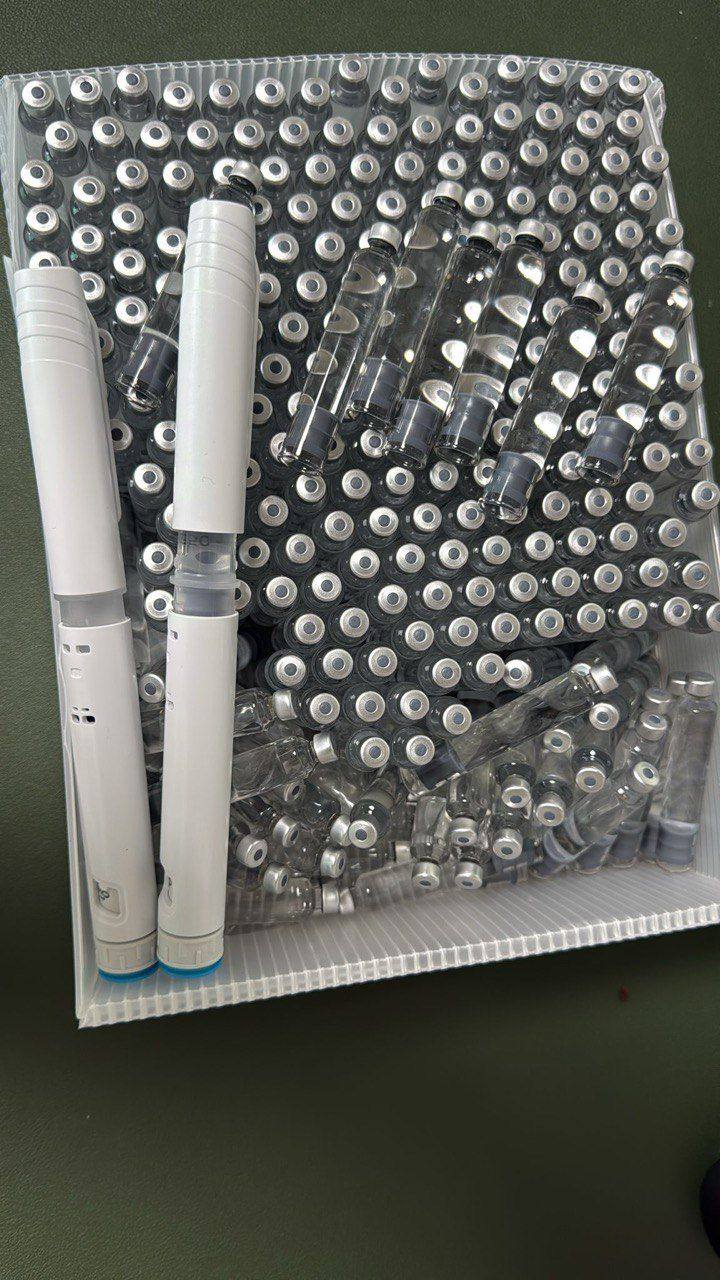
Now that we have a foundational understanding of how peptide pens work, let’s take a closer look at the working principle behind microneedle technology itself.
Microneedles are miniature needles, usually ranging from 50 to 900 micrometers in length, that are designed to be much smaller than the needles used in conventional injections. These microneedles are engineered to create micro-channels in the skin’s outer layer (epidermis) without damaging the underlying tissue.
The primary function of microneedles is to create these tiny channels that allow for the efficient delivery of active ingredients into the skin. They can be made from a variety of materials, including stainless steel, silicon, or even biodegradable polymers, depending on the type of application.
Unlike traditional needles, which may cause pain or discomfort, microneedles are typically painless. Most users report feeling only a slight tingling sensation or no discomfort at all, making them a more appealing option for those who have sensitive skin or a low pain threshold.
The skin's outer layer, the stratum corneum, acts as a protective barrier that prevents foreign substances from entering the body. While this serves a vital protective role, it also limits the effectiveness of many skincare products. To overcome this barrier, the microneedles on peptide pens create micro-channels that allow peptides to bypass the stratum corneum and reach deeper layers of the skin, where they can stimulate cellular regeneration, collagen production, and improved skin texture.
This mechanism is much more efficient than relying on traditional topical applications, where only a small percentage of the ingredients are able to penetrate the skin. Microneedles allow for more precise and effective delivery, which results in faster and more noticeable results. Essentially, the microneedles act as tiny “gateways” that allow the skin to absorb the peptides and other active ingredients in a way that would otherwise be impossible.
One of the main advantages of using a peptide pen with microneedle technology is the enhanced peptide penetration effect. When compared to traditional topical applications, peptide pens allow for significantly deeper delivery of the active ingredients into the skin. This not only increases the effectiveness of the treatment but also ensures that the peptides can reach the deeper layers of the dermis, where they can have the most significant impact on collagen production, elasticity, and skin rejuvenation.
Microneedles don’t just deliver active ingredients—they also stimulate the skin’s natural healing and self-repair processes. When the microneedles puncture the skin, they trigger a mild inflammatory response, which signals the body to produce collagen and elastin, key components that contribute to smoother, firmer skin.
This “wound healing” process is one of the reasons why microneedling (with or without peptides) is often used in professional treatments to reduce fine lines, wrinkles, and scarring. By encouraging the skin to heal itself, peptide pens help enhance the overall appearance and texture of the skin.
When peptides are applied using traditional methods, it can take a long time for them to show visible results. The barrier of the stratum corneum can slow down the absorption process, leaving many users feeling frustrated with their progress. However, with the use of microneedles, the peptides can penetrate the skin much more quickly and efficiently, leading to faster results.
Since the microneedles create tiny channels directly into the skin, the peptides can work immediately at the dermal level, rather than relying on slow absorption. This can result in visible improvements within days rather than weeks, providing users with faster gratification for their efforts.
Over the past few years, several skincare brands and companies have embraced the use of peptide pens and microneedles, offering a wide range of products for consumers. These products typically contain peptides, such as copper peptides, palmitoyl pentapeptide, or acetyl hexapeptide, all of which are designed to enhance skin regeneration and improve the appearance of fine lines and wrinkles.
Some products combine peptides with other ingredients like hyaluronic acid or growth factors to provide even more comprehensive skincare solutions. Whether it’s for reducing dark circles, plumping up the skin, or improving overall texture, microneedle peptide pens offer a variety of specialized treatments to suit different skin needs.
Users of peptide pens with microneedle technology often report positive experiences, with many claiming to see visible results in just a few uses. Clinical trials and studies have also shown that microneedles significantly enhance the absorption of peptides and other active ingredients, providing better and faster results than traditional methods.
However, it’s important to note that results can vary depending on the type of peptide used, the device's quality, and the individual’s skin type. Some users may experience mild redness or irritation after treatment, but this typically subsides within a few hours.
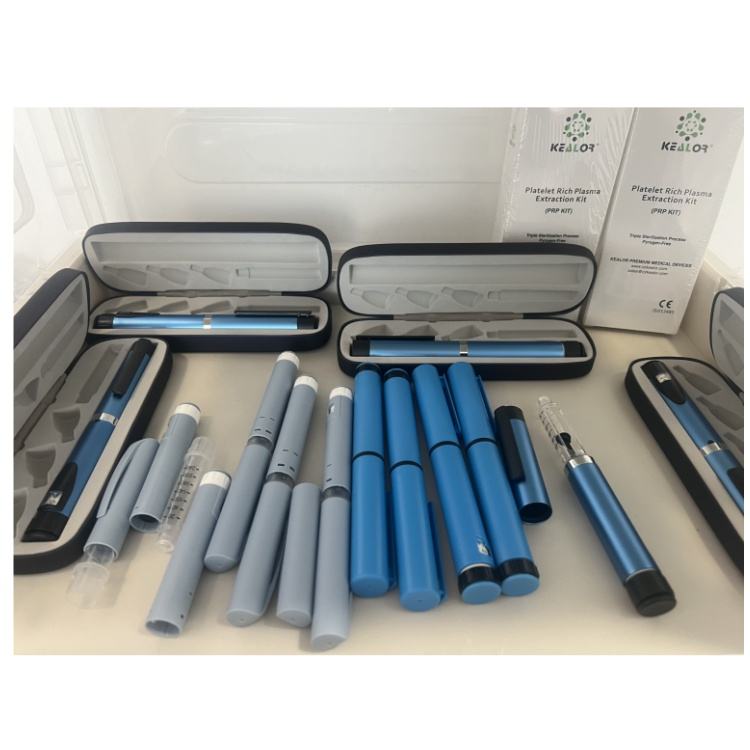
The future of microneedle technology in combination with peptide pens looks promising. Innovations in the materials used to create microneedles—such as biodegradable microneedles or those made from advanced polymers—are likely to enhance the safety and comfort of these devices. Additionally, researchers are exploring the potential of smart microneedles that can release peptides in response to specific skin conditions, further personalizing skincare treatments.
As we move toward a more personalized skincare future, the role of smart peptide pens will only grow. These pens will likely be equipped with sensors to detect skin conditions and adjust the peptide delivery accordingly, making them even more effective for a broader range of users. With continued technological advancements, we can expect peptide pens to become an even more integral part of at-home and professional skincare regimens.
The fusion of microneedle technology and peptide pens offers a remarkable approach to skincare that enhances the penetration
of active ingredients, accelerates results, and stimulates the skin's natural healing processes. With continued advancements and innovations, these devices have the potential to redefine how we approach skincare, offering a non-invasive yet powerful option for those looking to improve their skin’s appearance and health.
| Question | Answer |
|---|---|
| What is a peptide pen? | A peptide pen is a skincare device that uses microneedle technology to deliver peptides directly into the skin for enhanced skin regeneration and anti-aging benefits. |
| How does a peptide pen work? | The device uses tiny microneedles to create micro-channels in the skin, allowing peptides to penetrate deeper layers for better absorption and effectiveness. |
| Are peptide pens safe to use at home? | Yes, peptide pens are generally safe for at-home use, but it’s essential to follow the instructions carefully and ensure the device is used on clean, healthy skin. |
| What benefits can I expect from using a peptide pen? | You can expect improved skin texture, reduced fine lines and wrinkles, increased collagen production, and overall rejuvenation of the skin. |
| How often should I use a peptide pen? | Frequency depends on your skin’s needs, but generally, using a peptide pen 1-2 times a week can provide visible results. Always consult the product instructions. |


