
Views: 0 Author: Site Editor Publish Time: 2025-12-26 Origin: Site


In the ever-evolving world of skincare, we’re always searching for the next big breakthrough. For years, products like retinol, hyaluronic acid, and Vitamin C dominated the anti-aging market. But now, there’s a new contender stealing the spotlight—peptide pens. These nifty devices promise to combat the signs of aging in a way that’s faster, more efficient, and less invasive than traditional methods. Curious about how peptide pens can transform your skin?
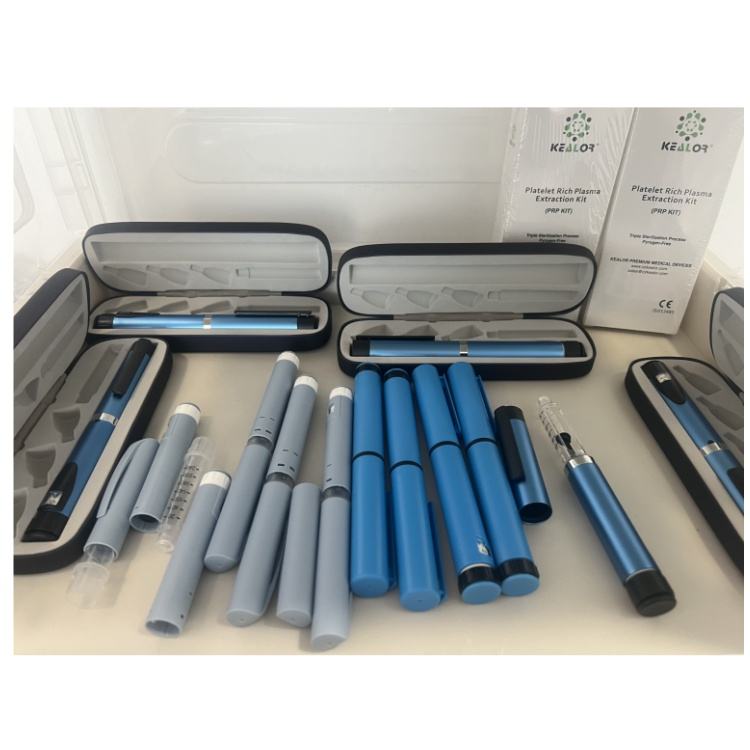
Let’s face it, we all want youthful, glowing skin. But as we age, our skin faces a series of challenges. Fine lines, wrinkles, sagging, and loss of elasticity become common concerns. According to dermatologists, skin aging is a natural process, primarily driven by the slowing down of collagen and elastin production. These two proteins are responsible for keeping the skin firm, smooth, and hydrated. However, by the time we reach our 30s, our body’s ability to produce them diminishes, leading to visible signs of aging.
In fact, research shows that by the age of 40, the skin’s collagen production drops by nearly 25%. It’s no wonder that anti-aging products are always in high demand. From serums to creams, people are constantly on the lookout for something that can help restore their skin’s youthful glow.
Among the latest innovations in skincare, peptide pens have emerged as a revolutionary tool in the fight against aging. Combining technology with the power of peptides, these pens allow for more direct and effective delivery of anti-aging ingredients into the skin. While peptides themselves are not new to skincare, the method of applying them via a pen device has raised the bar, offering a more efficient, targeted approach to skin rejuvenation.
What makes peptide pens stand out is their ability to deliver peptides directly to the skin layers where they’re needed the most, bypassing the outermost layers and increasing the efficacy of the treatment. Peptide pens have been hailed as a game-changer by beauty enthusiasts and skincare experts alike.
Before diving into the world of peptide pens, let’s break down what peptides are and why they matter for your skin. Peptides are short chains of amino acids, the building blocks of proteins. These tiny molecules play a crucial role in various bodily functions, including collagen production. In skincare, peptides are celebrated for their ability to stimulate the skin’s natural processes, encouraging the production of collagen, elastin, and other vital proteins.
In essence, peptides act as messengers, signaling your skin cells to produce what’s needed to keep your skin youthful, plump, and smooth. By replenishing these proteins, peptides help reduce the appearance of fine lines, wrinkles, and sagging.
Some common peptides found in skincare include:
Palmitoyl Pentapeptide-4: Boosts collagen production and reduces wrinkles.
Copper Peptides: Known for their healing properties, they promote skin regeneration and wound healing.
Argireline: Often referred to as “Botox in a bottle,” this peptide relaxes muscles to reduce wrinkles.
Now that we know what peptides are, let’s look at peptide pens. These pens are designed to deliver a concentrated dose of peptides directly to the skin using a pen-like applicator. The pen contains a vial of peptide-infused serum, and when activated, the device gently dispenses the serum onto your skin. Many pens also use microneedling or vibration technology to help the peptides penetrate deeper into the skin, ensuring better absorption.
By using a peptide pen, you can target specific areas of concern such as fine lines around the eyes, smile lines, or the neck area. The convenience of a pen applicator allows for more precision, giving users greater control over their skincare routine.
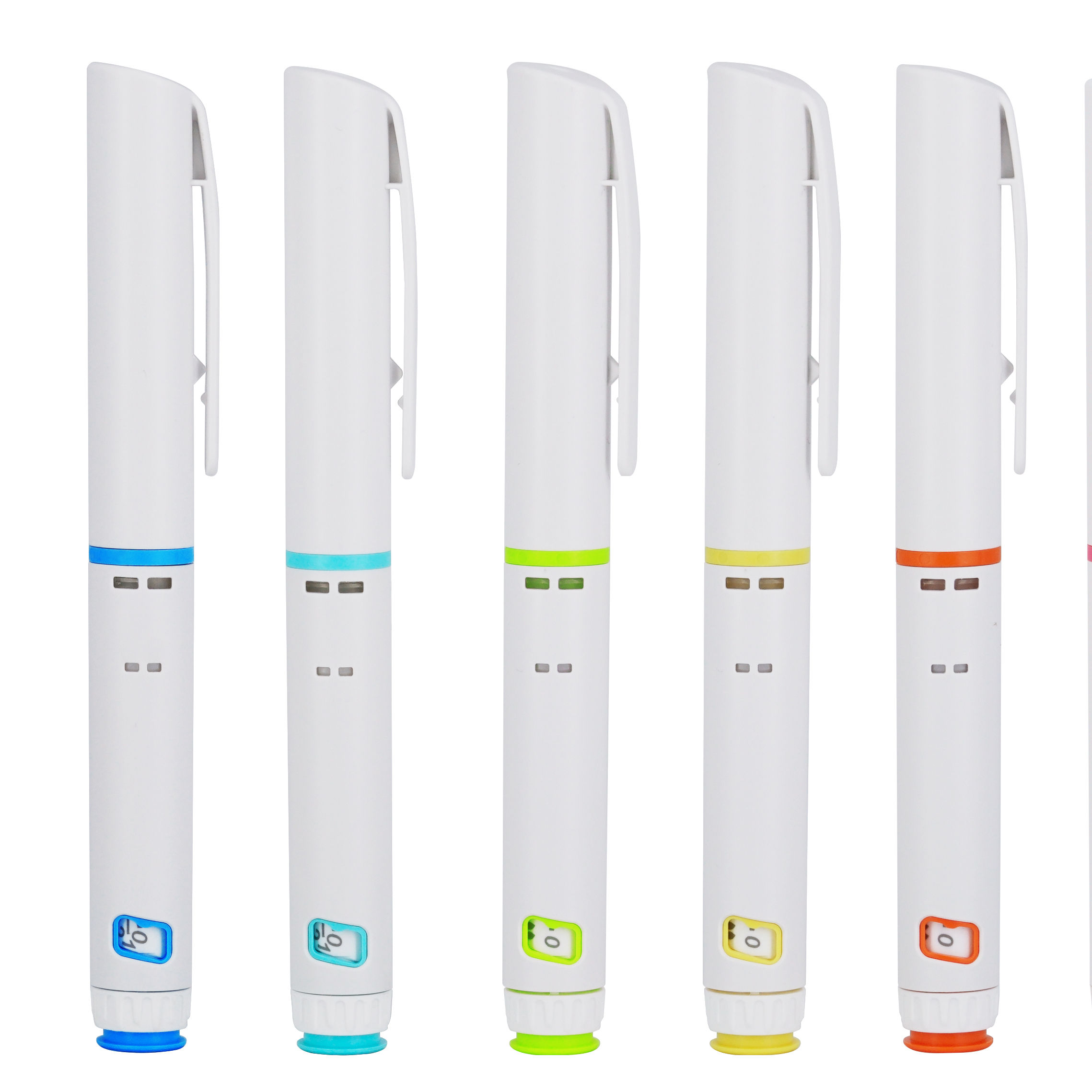
One of the main benefits of peptide pens is their ability to deliver peptides deep into the skin, where they can work their magic. Normally, when applying a serum or cream, the active ingredients must pass through the skin’s outer layers. However, many products fail to penetrate deeply enough to have a significant effect.
Peptide pens solve this issue by utilizing technology like microneedling or vibration. Microneedles create tiny channels in the skin, allowing peptides to reach deeper layers. This ensures that the peptides can stimulate collagen production and other vital skin functions where they’re needed the most. It’s a more effective way to target wrinkles, sagging, and other signs of aging.
When you apply a peptide pen, the device’s design helps the peptides travel deeper into the skin. Whether through microneedling, vibration, or other technologies, the pen enhances the delivery of active ingredients to the dermis—the deeper layer of the skin responsible for producing collagen and elastin.
The immediate benefit is faster, more noticeable results compared to traditional skincare products. Plus, the precision of the pen applicator means you can focus on specific problem areas, such as crow’s feet, forehead wrinkles, or laugh lines.
Peptide pens are most commonly used for their anti-aging benefits. One of the primary benefits of using a peptide pen is its ability to reduce fine lines and wrinkles. As peptides stimulate collagen production, they help plump and firm the skin, smoothing out wrinkles over time. Unlike invasive treatments like Botox or fillers, peptide pens offer a non-invasive option that can be done at home.
In clinical studies, participants who used peptide pens saw a reduction in the depth of wrinkles after just a few weeks of consistent use. The best part? There are minimal risks or side effects compared to harsher treatments.
In addition to reducing wrinkles, peptide pens also help brighten skin tone and improve overall firmness. Some peptides have skin-lightening properties, helping to fade age spots, hyperpigmentation, and other discolorations that often accompany aging. Additionally, the increased collagen production boosts skin firmness, giving you a more youthful and radiant complexion.
Skin elasticity naturally decreases with age, leading to sagging and a loss of bounce. Peptide pens help by stimulating the production of elastin, the protein responsible for keeping the skin elastic. This not only helps firm up sagging skin but also improves its ability to retain moisture, resulting in plumper, hydrated skin.
When choosing a peptide pen, it’s important to consider factors like the type of peptides used, the technology involved (e.g., microneedling or vibration), and the overall effectiveness of the device. Some popular brands on the market include:
Needle Pen: Known for its microneedling technology, this pen provides deep penetration of peptides.
Derma Pen: A well-established brand in the skincare world, it offers precise application and effective results.
TCA Pen: Offers a more budget-friendly option with comparable results.
When comparing different peptide pens, consider your skin type and specific needs. If you have sensitive skin, you may want to look for a pen with adjustable settings to ensure comfort during use.
Peptide pens have garnered positive reviews from users who have experienced visible improvements in skin texture, firmness, and wrinkles. Many users have reported smoother skin, a more even complexion, and a reduction in fine lines after using a peptide pen consistently. However, as with any product, there are some mixed opinions. Some users find the device a bit tricky to use at first, while others note that results take time and consistency.
To get the most out of your peptide pen, it’s essential to use it correctly. Most experts recommend using the pen two to three times a week. Avoid overusing it, as your skin needs time to recover and absorb the peptides. Always follow the manufacturer’s instructions regarding the frequency of use and never use the pen on broken or irritated skin.
Peptide pens can be highly effective when combined with other skincare products. For example, you might want to use a hydrating serum or moisturizer to lock in the peptides after use. Be cautious when combining products that contain retinol or other active ingredients, as they may cause irritation when used alongside peptide pens.
The future of peptide pens looks bright. As skincare technology continues to advance, we can expect to see even more innovative devices that make anti-aging treatments more accessible, affordable, and effective. Expect more customization options, such as adjustable settings for different skin types, and perhaps even smart technology that personalizes your treatment.
Peptide pens have the potential to revolutionize the anti-aging market. With their ability to deliver peptides directly to the skin’s deeper layers, these
pens offer a more efficient, targeted treatment than traditional skincare products. As consumers become more knowledgeable and demand more from their skincare routines, peptide pens are well-positioned to become a staple in every skincare cabinet.

| Question | Answer |
|---|---|
| What is a peptide pen? | A peptide pen is a handheld device that delivers peptides directly into the skin, often using microneedling or vibration technology. |
| How often should I use a peptide pen? | It’s recommended to use the peptide pen two to three times a week for optimal results. |
| Are there any side effects? | Generally, peptide pens are safe, but some users may experience mild redness or irritation, especially if used incorrectly or too frequently. |
| Can peptide pens replace Botox? | While peptide pens can reduce the appearance of wrinkles, they are not as immediate or dramatic as Botox. However, they offer a non-invasive, at-home option. |
| Which peptide pen brand is the best? | The best brand depends on your skin type and needs. Popular options include Needle Pen, Derma Pen, and TCA Pen. |
| Can I use peptide pens with other products? | Yes, but be cautious when combining them with products like retinol, as it may cause irritation. Always follow the manufacturer’s guidelines. |


