Introduction: Why Peptide Pens Have Become a Hot Tool in Medical Aesthetics and Skincare
If you’ve spent even five minutes scrolling through medical aesthetics forums, dermatology conferences, or skincare innovation expos lately, you’ve probably noticed one term popping up again and again: peptide pen. And no, this isn’t just another flashy gadget chasing a short-lived trend. Peptide pens are becoming a serious player in professional skincare, and there are some very real reasons why.
Market Growth Trends in Peptide-Based Skincare
Let’s zoom out for a moment.
The global skincare market has shifted dramatically over the last decade. Consumers are no longer impressed by vague promises like “radiant glow” or “youthful appearance.” Today’s users want science-backed ingredients, measurable results, and faster outcomes compared to traditional creams and serums.
Peptides fit that demand perfectly.
Compared to older hero ingredients like retinol or vitamin C, peptides are gentler, more targeted, and often better tolerated, especially by sensitive or post-procedure skin. As a result, peptide-based skincare has experienced double-digit annual growth, particularly in medical aesthetics clinics and dermatology practices.
Now combine peptides with advanced delivery technology, and you get the peptide pen—a tool that makes peptides stronger, faster, and more effective compared to topical application alone.
Think of it like this:
Using peptides in a cream is like shouting instructions from outside a building. Using a peptide pen is like walking inside and giving directions face-to-face.
Basic Definition of the Peptide Pen and Its Application Scenarios
So what exactly is a peptide pen?
At its core, a peptide pen is a handheld aesthetic device designed to deliver peptide solutions into the skin more efficiently compared to traditional skincare application. It uses technologies such as micro-permeation, microneedling, or transdermal infusion to help active peptides bypass the skin’s outer barrier.
You’ll typically find peptide pens used in:
Medical aesthetics clinics
Dermatology practices
Post-procedure recovery protocols
Advanced skincare centers
High-end home-use systems (with limitations)
Compared to injections, peptide pens are lighter, less invasive, and often less expensive, while still delivering noticeable skin benefits. Compared to creams and serums, they’re faster, stronger, and significantly better at penetration.
And that’s exactly why professionals are paying attention.
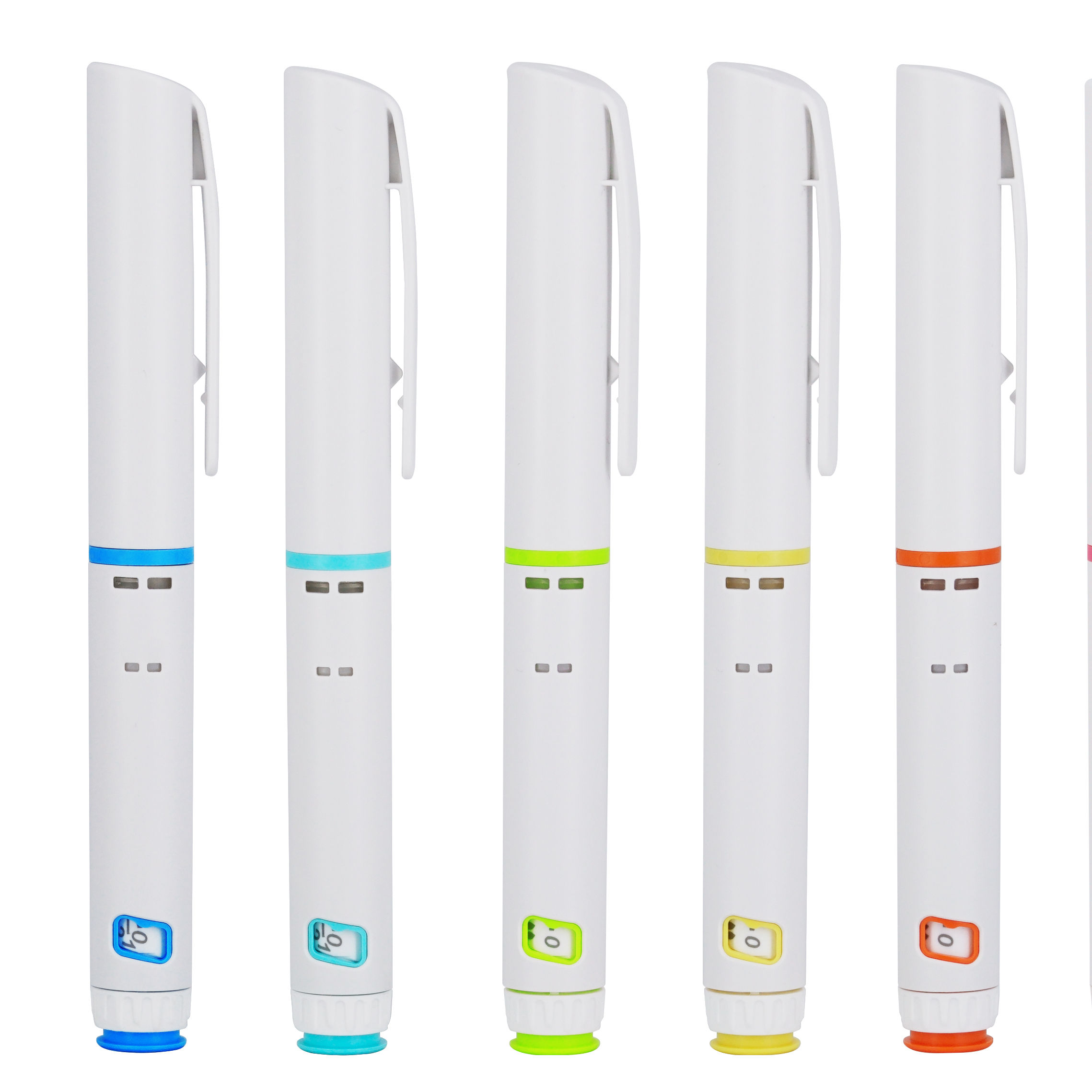
What Is a Peptide Pen? An Analysis of Its Working Principles
Understanding why peptide pens work requires a quick dive into how skin actually functions—and why it’s so stubborn about letting things in.
Structure and Usage of the Peptide Pen
A peptide pen typically consists of:
A pen-shaped handheld body (ergonomic and lightweight)
A micro-needle or nano-cartridge system
A peptide serum or ampoule chamber
Adjustable depth or intensity settings
Compared to bulky aesthetic devices, peptide pens are smaller, quieter, and easier to control, making them ideal for both professionals and trained users.
Usage is straightforward but precise:
The peptide solution is loaded into the device
The pen is gently passed over the skin
Micro-channels are created or infusion pressure is applied
Peptides penetrate into targeted skin layers
Compared to manual microneedling rollers, peptide pens offer better depth consistency, faster treatment time, and stronger delivery precision.
Principles of Micro-Permeation, Microneedling, and Transdermal Delivery Technologies
Here’s where the real magic happens.
The skin’s outermost layer—the stratum corneum—is incredibly good at its job. It keeps bacteria, toxins, and moisture loss under control. Unfortunately, it also blocks most skincare ingredients, especially large molecules like peptides.
Peptide pens work by temporarily bypassing this barrier through:
Micro-Permeation
Creates microscopic openings that allow peptides to pass through. These openings close naturally within hours, making the process safe when done correctly.
Microneedling
Uses ultra-fine needles to stimulate the skin’s natural repair response while simultaneously delivering peptides. Compared to aggressive microneedling, peptide pens are often lighter and less traumatic.
Transdermal Infusion
Some peptide pens use pressure or vibration to push peptides deeper into the skin without needles. This approach is less painful but sometimes slower compared to microneedling-based systems.
Think of these technologies like opening temporary doors in a locked building. The peptides rush in, do their job, and the doors close behind them.
Differences Compared with Traditional Topical Skincare Application
Let’s be honest—how much of your expensive peptide serum actually penetrates the skin when applied by hand?
Studies suggest that less than 5–10% of most topical peptides reach meaningful skin depths. The rest sits on the surface or evaporates.
Compared to that, peptide pens offer:
That doesn’t mean creams are useless. They’re great for maintenance. But if creams are like watering plants from above, peptide pens are like delivering nutrients directly to the roots.
Mechanisms of Action of Peptides from a Dermatological Perspective
Now that we understand how peptide pens deliver ingredients, let’s talk about what peptides actually do once they’re inside the skin.
Not all peptides are created equal—and that’s where things get interesting.
Differences Between Signal Peptides, Carrier Peptides, and Growth Factor Peptides
Dermatologists typically classify peptides into three main categories:
Signal Peptides
These peptides act like messengers. They tell skin cells to produce more collagen, elastin, or hyaluronic acid. Compared to harsh stimulants, signal peptides are gentler and better tolerated.
Carrier Peptides
Carrier peptides transport essential minerals like copper into the skin. Copper peptides, for example, are stronger in wound healing and skin regeneration compared to many botanical extracts.
Growth Factor Peptides
These are the heavy hitters. They influence cellular growth, repair, and differentiation. Compared to basic anti-aging ingredients, growth factor peptides are faster and more powerful, but also require careful usage.
A peptide pen allows practitioners to choose the right peptide type for the right skin concern, which is a massive advantage compared to one-size-fits-all creams.
How Peptides Stimulate Collagen and Elastin Production
Collagen loss is one of the main reasons skin starts to sag, wrinkle, and thin over time. After age 25, collagen production drops steadily—no mercy there.
Peptides help by:
Signaling fibroblasts to produce new collagen
Supporting elastin fiber formation
Reducing collagen degradation
Compared to retinoids, peptides are less irritating and more compatible with frequent use, especially when delivered via a peptide pen.
It’s like reminding tired workers how to do their job—politely but persistently.
Effects on the Skin Barrier and Cellular Repair
One underrated benefit of peptides is how they support the skin barrier.
A healthy barrier means:
Peptide pens enhance this effect by placing peptides exactly where barrier repair happens. Compared to surface-level products, this approach is better for compromised skin, such as post-laser, post-peel, or acne-affected areas.
Of course, improper use can cause irritation or over-stimulation. That’s why professional protocols and correct depth control matter.
Analysis of the Core Aesthetic Benefits of Peptide Pens in Medical Aesthetics and Skincare
At this point, you might be thinking: “Okay, I understand the science—but what does a peptide pen actually do for the skin?” Fair question. Science is great, but in aesthetics, results are everything.
This is where peptide pens truly shine. Compared to traditional skincare, and even compared to some invasive treatments, peptide pens sit in a sweet spot: strong enough to deliver visible changes, but gentle enough for repeated use.
Anti-Aging Effects and Improvement of Fine Lines
Let’s start with the biggest reason most people seek aesthetic treatments: aging skin.
Wrinkles don’t appear overnight. They’re the result of collagen loss, elastin breakdown, repetitive muscle movement, and slower cellular turnover. Traditional anti-aging creams work slowly, and injectables—while effective—can be more expensive, more invasive, and not always suitable for everyone.
Peptide pens offer a compelling middle ground.
Why Peptide Pens Perform Better Compared to Topical Anti-Aging Products
When peptides are delivered using a peptide pen:
Collagen stimulation happens faster
Fine lines appear softer and shallower
Skin density improves over multiple sessions
Compared to creams, peptide pens are stronger because the peptides don’t get stuck on the skin surface. Compared to injectables, they’re lighter and less risky, especially for patients who fear needles or downtime.
Many practitioners describe the effect as a “progressive tightening” rather than a dramatic overnight change. Think of it like reinforcing the structure of a building from within instead of just repainting the walls.
Areas That Respond Particularly Well
Compared to aggressive microneedling, peptide pen treatments in these areas are less painful and more precise, especially when performed by trained professionals.
Skin Brightening and Enhancement of Skin Texture
Dull skin isn’t just about pigmentation. It’s often a sign of slow cell turnover, uneven hydration, and micro-inflammation.
Peptide pens address these issues from multiple angles.
How Peptides Improve Skin Tone Compared to Brightening Serums
Brightening serums often rely on acids or tyrosinase inhibitors. While effective, they can be irritating or too strong for sensitive skin.
Peptides, on the other hand:
When delivered via a peptide pen, these benefits become faster and more visible compared to topical use alone.
Clients often describe their skin as:
That distinction matters. Shiny skin can mean oil. Luminous skin usually means health.
Texture Refinement and Pore Appearance
Peptide pens also help improve:
Rough texture
Enlarged pores
Mild acne scarring
Compared to chemical peels, peptide pens are less aggressive and require less downtime. Compared to laser treatments, they’re more affordable and suitable for a wider range of skin tones.
Promotion of Post-Procedure Recovery and Skin Regeneration
This is where peptide pens quietly outperform many other tools.
After procedures like:
The skin enters a vulnerable healing phase. Using the wrong product can slow recovery or trigger inflammation.
Why Peptide Pens Are Better for Recovery Compared to Standard Aftercare
Peptides delivered via a peptide pen can:
Compared to heavy occlusive creams, peptide delivery is lighter and allows skin to breathe. Compared to growth-factor injections, it’s less invasive and more comfortable.
Many clinics now integrate peptide pen sessions into their post-treatment protocols because they shorten downtime—a huge selling point for modern clients.
Time is money, after all.
Scientific Research and Clinical Feedback on Peptide Pens
Now let’s talk evidence. Aesthetic professionals don’t adopt new tools based on hype alone. They want data, results, and peer feedback.
Overview of Relevant Studies and Experimental Data
While the peptide pen as a device category is still evolving, its foundational components—peptides, microneedling, and transdermal delivery—are well supported by scientific literature.
Research highlights include:
Increased collagen synthesis following peptide-enhanced microneedling
Faster epidermal repair compared to microneedling alone
Improved penetration depth of bioactive peptides
Compared to standalone peptide creams, studies consistently show higher bioavailability when peptides are delivered through micro-channels.
Below is a descriptive comparison table summarizing delivery effectiveness:
| Delivery Method Comparison | Penetration Depth | Speed of Results | Skin Trauma Level | Cost Efficiency |
| Topical Peptide Creams | Low | Slow | Minimal | Moderate |
| Peptide Pen Delivery | Medium–High | Faster | Low–Moderate | Better |
| Injectable Peptides | High | Fastest | Higher | More expensive |
Table: Comparison of peptide delivery methods and clinical performance
Usage Feedback from Medical Aesthetics Institutions and Professionals
Clinical feedback paints a consistent picture.
Practitioners report that peptide pens:
Improve patient satisfaction
Reduce recovery complaints
Increase repeat treatment rates
Compared to traditional microneedling devices, peptide pens are often described as easier to control and more versatile.
However, professionals also emphasize limitations:
Results depend heavily on peptide formulation quality
Incorrect depth settings can cause irritation
Not all skin types respond equally
In other words, peptide pens are powerful tools—but not magic wands.
Safety Considerations, Usage Precautions, and Side Effects of Peptide Pens
No matter how advanced or effective a device is, safety always comes first—especially in medical aesthetics. Peptide pens are generally considered safer and lighter compared to injectables or aggressive resurfacing treatments, but they are not completely risk-free.
Common Side Effects Compared to Other Aesthetic Devices
When used correctly, peptide pens tend to cause fewer side effects compared to deeper microneedling or laser treatments. However, mild reactions can still occur.
Common, temporary effects include:
Compared to injectable peptides, peptide pens are less likely to cause bruising. Compared to chemical peels, they are less irritating and easier to control.
However, improper usage—such as excessive depth, low-quality peptides, or poor hygiene—can lead to:
Think of a peptide pen like a precision tool rather than a toy. In skilled hands, it’s powerful. In careless hands, it’s problematic.
Usage Precautions for Best Results
To achieve better, faster, and safer outcomes, professionals generally recommend:
Using pharmaceutical- or medical-grade peptide formulations
Adjusting penetration depth based on treatment area
Avoiding over-treatment (more is not always better)
Maintaining strict sanitation protocols
Compared to home-use devices, professional peptide pens offer stronger control, better consistency, and lower long-term risk.
Suitable Target Populations and Contraindications
Not everyone is an ideal candidate for peptide pen treatments. Understanding who benefits most—and who should avoid them—is essential.
Ideal Candidates for Peptide Pen Treatments
Peptide pens are particularly better suited for individuals who:
Show early to moderate signs of aging
Want non-invasive skin rejuvenation
Have sensitive skin that reacts poorly to acids or retinoids
Need post-procedure skin repair
Prefer gradual, natural-looking improvements
Compared to aggressive anti-aging procedures, peptide pens are more inclusive and adaptable.
Populations That Should Use Caution or Avoid Peptide Pens
Peptide pens may be less suitable or require medical supervision for:
Pregnant or breastfeeding individuals
Active skin infections or inflammatory conditions
Severe acne or cystic lesions
Individuals with poor wound healing
Compared to topical skincare, peptide pens demand more responsibility and professional assessment.
Conclusion
So, after all the science, comparisons, and real-world feedback, the big question remains:
Are peptide pens worth promoting in the medical aesthetics and skincare industry?
The short answer: yes—but with realistic expectations.
Summary of Overall Effectiveness
Peptide pens are not miracle devices, but they offer a better balance between efficacy and safety compared to many alternatives.
Key strengths include:
Faster results compared to topical products
Less invasiveness compared to injectables
Stronger peptide bioavailability
Better post-procedure recovery support
Limitations include:
Results are cumulative, not instant
Operator skill matters significantly
Peptide quality determines outcomes
Not suitable for every skin condition
In a market flooded with overpromising tools, peptide pens stand out because they are science-aligned, versatile, and scalable.
Application Recommendations for Clinics and Brands
For clinics, peptide pens are excellent for:
Entry-level aesthetic treatments
Add-on services to existing procedures
Post-treatment recovery protocols
For brands, they represent a high-growth category aligned with consumer demand for non-invasive, biologically active skincare.

FAQ
| Peptide Pen Questions and Answers | Detailed Explanation |
| What is a peptide pen used for? | A peptide pen is used to deliver bioactive peptides into the skin to improve anti-aging, texture, hydration, and recovery compared to topical skincare. |
| Is a peptide pen better than microneedling? | Compared to traditional microneedling, peptide pens are lighter, more precise, and better for peptide delivery, but less aggressive for deep scarring. |
| How often should peptide pen treatments be done? | Most professionals recommend sessions every 2–4 weeks, depending on skin condition and peptide formulation. |
| Are peptide pen treatments painful? | Discomfort is minimal compared to injectables or deep microneedling, often described as mild tingling. |
| Can peptide pens be used at home? | Home-use peptide pens exist but are less powerful and riskier if misused compared to professional systems. |
| Do peptide pens work for sensitive skin? | Yes, peptide pens are often better tolerated than acids or retinoids, but depth and formulation must be adjusted carefully. |
| How long does it take to see results? | Many users notice improved hydration and texture within days, with anti-aging benefits appearing after several sessions. |
| Are there side effects? | Temporary redness or sensitivity may occur, but serious side effects are rare when used correctly. |


