Introduction: Why Anti-Aging Is Entering the “Precision Skincare” Era
Rising Demand for Non-Invasive, Science-Backed Anti-Aging Solutions
A decade ago, anti-aging usually meant one of two extremes: drugstore creams that promised miracles or injectables that required needles, downtime, and higher costs. Today’s consumers want something different.
They want solutions that are:
Non-invasive
Scientifically credible
Gentler but still effective
Usable at home
Less expensive compared to injectables
Better for long-term skin health
This shift isn’t accidental. People are more educated about ingredients, more skeptical of exaggerated claims, and more focused on skin longevity rather than overnight transformation. Instead of asking, “How fast can I erase wrinkles?” the question has become, “How can I support my skin so it ages better?”
That mindset opened the door to precision skincare technologies, including LED masks, microcurrent devices, and now—the peptide pen.
From Traditional Creams to Targeted Delivery Technologies
Here’s the hard truth: most traditional creams don’t penetrate deeply enough to fully activate advanced ingredients.
Compared to peptide pens:
Creams are lighter, but less targeted
Absorption is slower and less predictable
Active ingredients often sit on the surface
The skin barrier, while essential for protection, is also stubborn. It’s like a bouncer at a club—very selective about who gets in. Peptides, despite being powerful, often struggle to cross that barrier when simply rubbed on.
That’s where targeted delivery changes the game.
A peptide pen doesn’t rely on hope. It relies on precision, controlled dosage, and direct application to specific skin zones—the areas where aging signs actually show up.
Introducing the Peptide Pen as a New-Generation Skincare Innovation
So what exactly is a peptide pen?
In simple terms, a peptide pen is a handheld skincare device designed to deliver bioactive peptides more efficiently compared to standard topical application. It combines advanced formulations with controlled delivery mechanisms to help peptides work where they’re needed most.
Compared to injectables:
It’s less invasive
It’s pain-free
It’s more affordable
It carries lower risk
Compared to creams:
It’s stronger in delivery
Faster in visible results
More precise in targeting
It’s not trying to replace dermatologists or medical procedures. Instead, it fills a growing gap between basic skincare and clinical treatments.
The Core Promise: Younger-Looking Skin, Not Changing Your Age
This distinction matters—especially for trust and credibility.
A peptide pen does not:
What it can do is help skin look younger, behave healthier, and age more gracefully by supporting natural biological processes.
That makes peptide pens E-E-A-T friendly:
Experience: Used by skincare professionals and educated consumers
Expertise: Built on peptide science and dermatological research
Authoritativeness: Aligns with modern cosmetic technology trends
Trustworthiness: Avoids exaggerated, unrealistic claims
Now let’s define what a peptide pen actually is.
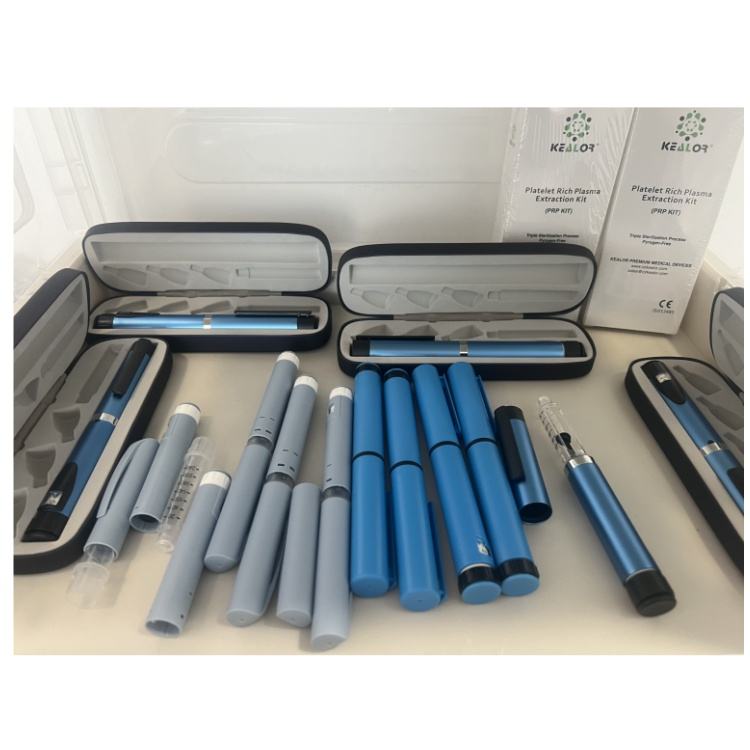
What Is a Peptide Pen?
Definition and Core Concept
A peptide pen is a precision skincare device designed to apply peptide-based formulations to the skin in a controlled, targeted, and efficient manner.
Compared to ordinary skincare tools like rollers or spatulas:
At its core, the peptide pen combines:
Bioactive peptides (the “brains” of the operation)
Micro-delivery technology (the “transport system”)
Think of peptides as the message and the pen as the courier. A message is useless if it never reaches its destination.
How It Differs Compared to Ordinary Skincare Tools
Let’s compare:
Compared to jade rollers: peptide pens are stronger in biological impact
Compared to facial massagers: peptide pens focus on chemistry, not just circulation
Compared to droppers: peptide pens offer better precision and less product waste
Instead of spreading product everywhere, a peptide pen allows you to treat smile lines, crow’s feet, forehead lines, or jawline laxity directly.
That’s precision skincare in action.
Key Components of a Peptide Pen
Peptide-Infused Cartridges or Serums
Most peptide pens use pre-formulated cartridges or compatible peptide serums. These formulations are designed for stability, safety, and optimal molecular size.
Compared to DIY peptide mixing:
Pre-formulated options are safer
Dosage is more consistent
Risk of irritation is lower
Precision Applicator and Micro-Delivery Mechanism
Depending on the model, the delivery system may include:
Micro-needling–inspired tips (non-invasive)
Pressurized micro-channels
Oscillating applicator heads
Compared to traditional microneedling:
Controlled Dosage and Targeted Skin Zones
One of the biggest advantages is dosage control.
Compared to creams:
That’s especially important for people with sensitive or reactive skin.
Why Peptides Matter in Anti-Aging Skincare
What Are Peptides? (Simplified Science)
Peptides are short chains of amino acids, and amino acids are the building blocks of proteins like collagen, elastin, and keratin.
If your skin were a brick wall:
Amino acids would be the bricks
Proteins would be the walls
Peptides would be the construction signals telling workers where to build or repair
They don’t act like fillers. They act like messengers.
The Role of Peptides in Skin Communication
As skin ages, communication slows down. Cells become less responsive, repair cycles become slower, and collagen production drops.
Peptides help by:
Signaling collagen production
Encouraging elastin support
Strengthening the skin barrier
Supporting cellular turnover
Compared to harsher actives, peptides are gentler but smarter.
How Peptides Signal Younger-Looking Skin
Stimulating Collagen Production
Certain peptides tell fibroblasts, “Hey, we need more collagen here.”
Compared to retinol, this process is slower but less irritating.
Improving Elasticity and Firmness
Elasticity loss is what makes skin sag. Peptides help reinforce structural proteins, making skin feel stronger and more resilient over time.
Reducing Fine Lines and Wrinkles
By supporting the skin’s matrix, peptides soften the appearance of lines instead of forcing rapid exfoliation.
Enhancing Skin Barrier Repair
Compared to exfoliating acids, peptides are better for barrier health, making them ideal for long-term use.
Peptides Compared to Traditional Anti-Aging Ingredients
Peptides vs Retinol
Retinol is faster, but harsher
Peptides are slower, but gentler
Retinol can cause peeling; peptides rarely do
Peptides vs Hyaluronic Acid
This makes peptides ideal for people who want sustainable anti-aging without irritation.
How a Peptide Pen Works to Make Skin Look Younger
If skincare products were delivery services, most creams would be riding bicycles—slow, indirect, and at the mercy of traffic. A peptide pen, on the other hand, is closer to a GPS-guided courier. It knows where, how much, and how often to deliver.
That’s the core difference.
Targeted Delivery: Getting Peptides Where They Matter
One of the biggest challenges in skincare isn’t the ingredient itself—it’s getting that ingredient past the skin barrier.
The outermost layer of your skin, the stratum corneum, is designed to keep things out. Water, bacteria, pollution, and yes—even expensive peptides. Compared to topical creams, which rely on passive absorption, peptide pens are designed to optimize penetration without breaking the skin.
Overcoming the Skin Absorption Barrier
A peptide pen works by:
Creating micro-pathways or pressure-assisted contact
Ensuring peptides sit exactly where they’re needed
Reducing evaporation and surface loss
Compared to rubbing in a serum:
This precision means peptides don’t just sit on the surface looking pretty—they actually get the chance to do their job.
Precision Application Compared to Topical Creams
Let’s be honest: when you apply a cream, most of it ends up:
A peptide pen flips that script.
Compared to creams:
That’s not just more effective—it’s more economical in the long run.
Boosting Skin Renewal at the Cellular Level
Once peptides are delivered more effectively, the real magic begins—not overnight, but steadily.
Peptide pens support:
This isn’t a “freeze your face” approach. It’s more like coaching your skin to perform better, the same way a personal trainer helps muscles get stronger instead of artificially inflating them.
Encouraging Skin Regeneration
Peptides encourage fibroblasts to stay active. Fibroblasts are the cells responsible for producing collagen and elastin. As we age, they slow down.
Compared to aggressive treatments:
Supporting Natural Repair Cycles
Skin repairs itself mostly at night. Using a peptide pen consistently helps align skincare with those natural rhythms.
Compared to exfoliating acids that force turnover:
Think marathon, not sprint.
Improving Texture and Tone Over Time
With continued use, users often notice:
Smoother skin texture
More even tone
Reduced dullness
Compared to instant glow products, peptide pens deliver structural improvements, not just cosmetic shine.
Visible Results Over Time
Let’s talk expectations—because realistic expectations build trust.
Short-Term Results (Weeks 1–2)
Compared to injectables, results are lighter but more natural.
Mid-Term Results (Weeks 4–8)
Smoother fine lines
Better firmness
Improved elasticity
Compared to creams alone, results are stronger and more noticeable.
Long-Term Results (3+ Months)
This is where peptide pens shine—long-term skin quality.
Benefits of Using a Peptide Pen for Anti-Aging
So why are peptide pens gaining traction so fast?
Because they sit in a sweet spot between effectiveness, safety, and convenience.
Non-Invasive and Pain-Free
Compared to needles and injections:
No puncturing
No bruising
No swelling
For people who hate needles, this is a huge psychological win.
Minimal Downtime
After using a peptide pen:
Compared to microneedling, downtime is significantly lower.
Suitable for Sensitive Skin
Peptides are biologically compatible. Compared to retinol or acids:
That makes peptide pens ideal for:
Home Use or Professional Settings
Some peptide pens are designed for:
At-home routines
Professional clinics
Hybrid use
Compared to clinic-only treatments, peptide pens are more accessible and more affordable.
Complements Existing Skincare Routines
You don’t have to throw out your routine.
Peptide pens work well compared to:
Vitamin C serums
Hyaluronic acid
Sunscreen
They enhance—not replace—good skincare habits.
Who Should Use a Peptide Pen?
Peptide pens aren’t for everyone, but they’re ideal for many.
Ideal User Profiles
Adults Noticing Early Signs of Aging
Fine lines, slight sagging, dullness—this is where peptide pens perform better than basic creams.
People Seeking Alternatives to Injectables
If you want improvement without needles:
Skincare Enthusiasts Focused on Prevention
Prevention beats correction every time.
Compared to waiting for deep wrinkles:
Skin Concerns a Peptide Pen Can Address
Fine Lines and Wrinkles
Peptide pens soften lines instead of freezing muscles.
Loss of Firmness
Compared to lifting treatments:
Dull or Tired-Looking Skin
Peptides improve cellular communication, which boosts radiance.
Uneven Texture
Over time, skin becomes smoother and more refined.
Who Should Be Cautious or Avoid Use
Compared to harsh treatments, peptide pens are safer—but not universally appropriate.
Safety, Effectiveness, and Scientific Credibility of Peptide Pens
When it comes to anti-aging tools, effectiveness gets all the attention—but safety is the foundation. A product that works fast but compromises skin health isn’t better; it’s riskier. This is where peptide pens stand out compared to many aggressive treatments.
Why Peptides Are Widely Used in Dermatology
Peptides aren’t new or experimental. They’ve been used in dermatological formulations for decades, especially in products designed for:
Compared to retinoids or chemical exfoliants, peptides are:
That’s why dermatologists often recommend peptides for patients who can’t tolerate stronger actives.
Controlled Dosage Reduces the Risk of Irritation
One overlooked advantage of peptide pens is dosage control.
Compared to creams and serums:
Overuse is a major cause of irritation in skincare. A peptide pen helps remove that variable.
Importance of Product Quality and Formulation
Not all peptide pens are created equal.
High-quality peptide pens:
Use stable peptide formulations
Are tested for skin compatibility
Follow cosmetic-grade safety standards
Lower-quality devices, compared to reputable ones, may:
Always prioritize quality over price. A cheaper device isn’t better if it compromises safety.
Compliance with Cosmetic Safety Standards
Reputable peptide pens comply with:
Cosmetic regulatory guidelines
Ingredient safety assessments
Manufacturing quality controls
Compared to injectable peptides, peptide pens:
Do not enter the bloodstream
Carry fewer systemic risks
Are regulated under cosmetic—not medical—standards
That distinction matters.
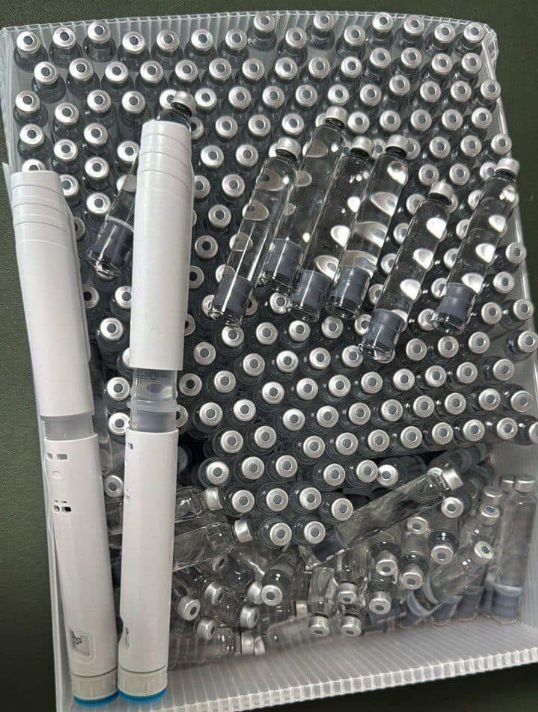
How to Use a Peptide Pen Correctly for Best Results
Using a peptide pen correctly is the difference between subtle improvement and visible transformation.
Preparation: Cleansing and Skin Readiness
Before using a peptide pen:
Compared to rushed application, proper prep leads to better absorption and stronger results.
Application Steps and Frequency
A general guideline (always follow manufacturer instructions):
Apply peptide serum or insert cartridge
Gently glide or press the pen over target areas
Focus on fine lines, not the entire face
Use light pressure—more is not better
Compared to daily use, 2–3 times per week is often more effective and safer.
Post-Treatment Skincare Tips
After using a peptide pen:
Apply a calming moisturizer
Avoid strong actives for 24 hours
Use sunscreen during the day
Compared to skipping aftercare, proper post-treatment habits deliver faster and longer-lasting results.
Common Mistakes to Avoid
Peptide pens reward consistency, not aggression.
Peptide Pen Compared to Other Anti-Aging Treatments
Let’s break down how peptide pens stack up compared to popular alternatives.
Peptide Pen vs Microneedling
| Feature | Peptide Pen | Microneedling |
| Invasiveness | Non-invasive | Minimally invasive |
| Downtime | None | 1–3 days |
| Pain | Pain-free | Mild to moderate |
| Risk | Lower | Higher |
| Results | Gradual, natural | Faster, more intense |
Microneedling is stronger—but peptide pens are safer and lighter, especially for sensitive skin.
Peptide Pen vs Injectables
Compared to injectables:
Injectables work faster, but peptide pens are better for long-term maintenance.
Peptide Pen vs Anti-Aging Creams
Compared to creams:
Creams are easier, but peptide pens are more effective when targeting aging signs.
The Future of Peptide-Based Skincare Technology
Peptide pens aren’t a trend—they’re a preview of what’s coming.
Growth of Smart Beauty Devices
The beauty industry is shifting toward:
Compared to passive skincare, smart devices deliver better outcomes.
Personalized Peptide Formulations
The future includes:
Compared to one-size-fits-all creams, personalization is stronger, faster, and more effective.
Home-Use Professional-Grade Skincare Trends
Consumers want:
Peptide pens are perfectly positioned—lighter than medical devices, stronger than cosmetics.
Why Peptide Pens Are Likely to Become Mainstream
They check every box:
Safe
Effective
Affordable
Non-invasive
Science-backed
That’s a rare combination.
Conclusion
So, is a peptide pen a miracle?
No—and that’s actually its strength.
A peptide pen doesn’t promise overnight transformation. Instead, it offers something better:
realistic, sustainable skin rejuvenation.
Compared to harsh treatments:
Compared to creams:
It’s stronger
More precise
More effective
If your goal is to support your skin, improve texture, soften fine lines, and age gracefully—then yes, a peptide pen may be one of the smartest tools you can add to your routine.
FAQ
| Question | Answer |
| What is a peptide pen used for? | A peptide pen delivers bioactive peptides to targeted skin areas to reduce visible aging signs and improve skin quality. |
| Is a peptide pen safe for sensitive skin? | Yes, compared to retinol or acids, peptide pens are gentler and better tolerated by sensitive skin types. |
| How often should I use a peptide pen? | Most users see better results using it 2–3 times per week compared to daily use. |
| Can a peptide pen replace Botox or fillers? | No. Compared to injectables, peptide pens offer lighter, more natural results without altering facial movement. |
| How long does it take to see results? | Hydration and glow appear faster (1–2 weeks), while firmness and wrinkle reduction take 1–3 months. |
| Are there side effects? | Side effects are rare but may include mild redness or sensitivity if overused. |
| Is a peptide pen better than anti-aging creams? | Compared to creams, peptide pens provide stronger delivery and better long-term structural improvement. |
| Can I use a peptide pen at home? | Yes. Many peptide pens are designed specifically for safe home use. |


