
Views: 0 Author: Site Editor Publish Time: 2026-01-12 Origin: Site


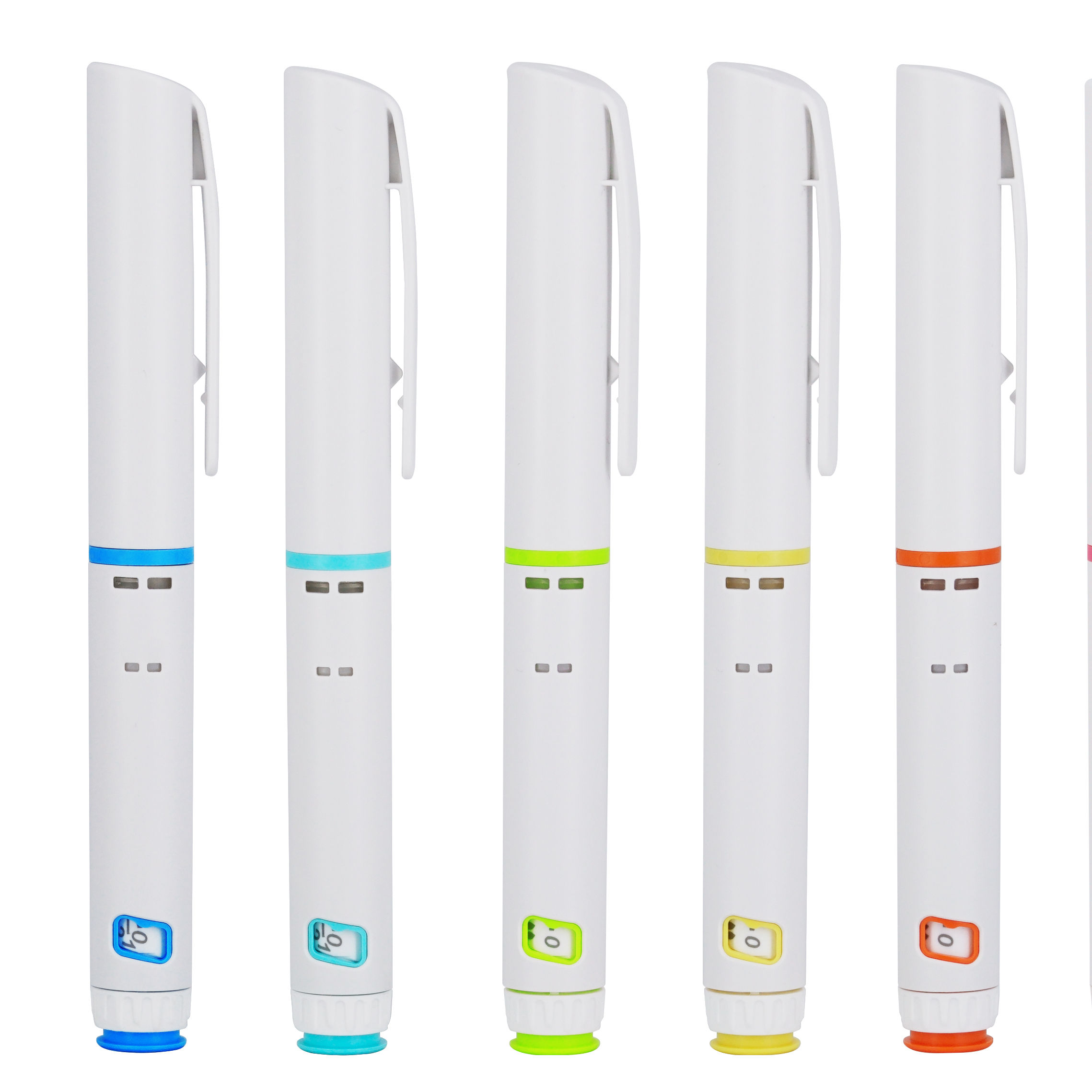
At its core, a peptide pen is a precision-engineered injection device designed to deliver peptide compounds in a controlled, consistent, and user-friendly way. Compared to traditional syringes, it’s smaller, lighter, and far more intuitive to use. You could almost think of it as the “smartphone” of peptide delivery—compact, refined, and built for modern lifestyles.
Structurally, a peptide pen typically consists of:
A pen-like outer casing, usually made of medical-grade plastic or lightweight metal, making it both durable and portable.
A cartridge or reservoir, where the peptide solution is stored.
A dosing dial, which allows users to select precise amounts.
A fine-gauge needle or needle-compatible tip, designed to minimize discomfort.
A plunger or internal drive mechanism, which delivers the peptide smoothly once activated.
Compared to bulkier injection tools, the peptide pen feels lighter in the hand, almost deceptively simple. This simplicity, however, hides a sophisticated internal mechanism engineered for accuracy and repeatability.
From an SEO standpoint, it’s important to emphasize that the peptide pen is not just a container—it’s a delivery system. And that distinction matters because delivery affects efficacy, safety, and user confidence.
When people first hear about peptide pens, the most common question is: “How is this really different from a regular syringe?” The short answer? In almost every meaningful way.
Let’s compare peptide pens to traditional injection methods side by side—not in a table, but in real-world terms that actually matter.
Ease of Use
Traditional syringes require manual drawing, air bubble removal, and steady hands. A peptide pen, compared to that, is faster and simpler. You dial the dose, position the pen, and inject. No guesswork. No fiddling.
Accuracy
Manual syringes depend heavily on user skill. Even a slight misreading can lead to underdosing or overdosing. Peptide pens are better at maintaining dosing consistency, thanks to their mechanical dose-control systems. This makes them particularly appealing for users who prioritize precision.
Comfort
Let’s be honest—syringes can be intimidating. The visible needle alone is enough to make some users hesitant. Peptide pens use finer needles, often hidden until the moment of injection, making the experience less stressful and less painful compared to traditional methods.
Portability and Discretion
Carrying syringes, alcohol swabs, and vials isn’t exactly convenient. Peptide pens are more portable, fitting easily into a bag or pocket. Compared to traditional injection kits, they are lighter, more discreet, and easier to transport.
Safety Profile
Traditional methods increase the risk of contamination due to repeated handling. Peptide pens, by design, reduce unnecessary exposure, making them safer in day-to-day use, especially for non-clinical environments.
Of course, it’s not all upside. Peptide pens can be more expensive upfront compared to basic syringes. However, many users find that the time saved, improved accuracy, and reduced error rate more than justify the cost.
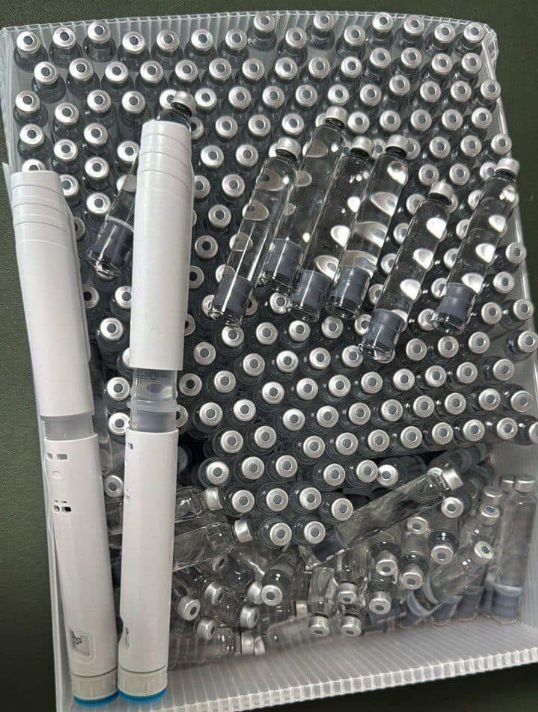
Understanding how a peptide pen works is where everything starts to click. Once you grasp the internal logic, you’ll see why so many users describe it as a smarter, more efficient system rather than just another injection tool.
The heart of a peptide pen is its dose control mechanism. This is what separates it from manual injection tools and elevates it into a precision instrument.
Most peptide pens use a rotational dosing dial. Each click corresponds to a specific volume of peptide solution. Compared to visually estimating liquid levels in a syringe, this system is more intuitive and more reliable.
Here’s how it works in practice:
You rotate the dial to your desired dose.
The pen internally limits how far the plunger can move.
When activated, the device delivers exactly that amount—no more, no less.
It’s similar to setting the temperature on an oven. You don’t guess when it’s “hot enough.” You set it, trust the mechanism, and let it do its job.
This mechanism is particularly better for consistency over long-term use. Whether you’re administering peptides daily or weekly, the experience stays the same. Compared to traditional injections, this repeatability is a major advantage.
Accuracy isn’t just a technical buzzword—it’s a real-world concern with tangible consequences. In peptide administration, precision directly impacts outcomes, whether those outcomes relate to fitness optimization, health management, or research reliability.
Peptide pens are engineered to be stronger in dosing consistency compared to manual syringes. Why?
Mechanical constraints limit human error.
Fixed increments ensure repeatable dosing.
Reduced variability improves predictability over time.
Compared to traditional injection methods, peptide pens show less deviation between intended and delivered doses, especially when used by non-professionals. This is one reason they’re increasingly favored in controlled environments and by individuals who value precision without advanced medical training.
However, it’s important to stay balanced. No system is perfect. A peptide pen’s accuracy depends on:
Proper calibration
Correct cartridge installation
Appropriate storage conditions
Misuse or poor maintenance can still lead to errors. That said, when used correctly, peptide pens are better, faster, and more reliable than traditional options for most users.
Here’s the bigger picture. Using a peptide pen isn’t just about convenience—it’s about confidence. Confidence that you’re administering the right amount. Confidence that today’s dose matches yesterday’s. Confidence that you’re minimizing risk while maximizing consistency.
Compared to traditional injection methods, peptide pens feel like stepping into the modern era. They don’t just deliver peptides—they standardize the experience, making it easier, safer, and more approachable.
Once people understand what a peptide pen is and how it works, the next natural question is simple: “What are people actually using this thing for?” And the answer is—quite a lot.
Compared to traditional injection tools, peptide pens have quietly become the preferred delivery method across multiple domains because they are faster, safer, easier to use, and more precise. Let’s explore the most common use cases and why peptide pens are increasingly chosen over other options.
In the fitness world, efficiency matters. Athletes, bodybuilders, and everyday gym-goers are all chasing the same thing: better results with less friction. This is where the peptide pen fits naturally into the lifestyle.
Compared to traditional syringes, peptide pens are lighter and more convenient, which makes them easier to integrate into a busy training schedule. No one wants to fumble with vials and needles before an early-morning workout. A peptide pen, by comparison, feels almost effortless—dial, inject, move on.
From a performance-management perspective, peptide pens are commonly associated with:
Recovery-focused routines
Muscle support and adaptation strategies
Training consistency over long periods
What really sets peptide pens apart here is dose consistency. Fitness outcomes are cumulative. Missing a dose or accidentally underdosing—something that happens more often with manual injections—can disrupt progress. Peptide pens are better at maintaining routine compliance, which, over time, leads to stronger and more predictable results.
Think of it like following a workout program. A sloppy, inconsistent routine yields sloppy results. A peptide pen helps remove inconsistency from the equation.
Advantages compared to traditional injection methods in fitness contexts:
Faster administration before or after workouts
Less intimidating for first-time users
Easier to travel with for competitions or trips
Reduced user error, especially when fatigued
Disadvantages to consider:
More expensive upfront than basic syringes
Requires proper storage and maintenance
Still, when compared head-to-head, most fitness-focused users find peptide pens better suited to long-term performance management than traditional injection tools.
Now let’s shift gears. The anti-aging and health optimization space is where peptide pens truly shine.
People pursuing long-term wellness are not looking for complexity—they’re looking for sustainability. And compared to traditional injection methods, peptide pens are less stressful, more approachable, and easier to stick with over time.
Imagine asking someone to manually inject something several times a week for months or years. Compliance drops fast. But give them a peptide pen, and suddenly the process feels manageable—almost routine, like brushing your teeth.
Peptide pens are commonly used in health-management contexts where:
Precision dosing matters more than speed
Long-term consistency is critical
Users may not have medical training
Compared to syringes, peptide pens are safer for non-professionals. The controlled dosing mechanism reduces the risk of accidental overuse, which is particularly important in health-related applications.
Another advantage is psychological comfort. Traditional needles can create anxiety, which discourages regular use. Peptide pens, by comparison, feel less medical and more consumer-friendly. That subtle difference makes them better for long-term adherence.
Compared to other delivery methods, peptide pens are:
More precise than oral alternatives
Less invasive-feeling than syringes
Faster and cleaner than multi-step injection setups
Of course, they are not a magic solution. Users still need education, proper guidance, and realistic expectations. But as a delivery tool, peptide pens are stronger in usability and consistency than older methods.
Beyond personal use, peptide pens have carved out a growing role in scientific research and laboratory environments. In these settings, precision isn’t just nice to have—it’s mandatory.
Compared to manual dosing methods, peptide pens offer better repeatability, which is crucial in experimental design. When researchers need to ensure that each administration is identical, mechanical dosing systems outperform human estimation.
In laboratory contexts, peptide pens are valued for:
Standardized dosing across test subjects
Reduced variability between administrations
Faster training for new personnel
Think of it like using a digital scale instead of eyeballing measurements. The digital tool removes uncertainty. Peptide pens do the same for peptide delivery.
Another often-overlooked benefit is documentation and protocol consistency. Because peptide pens deliver fixed increments, they make it easier to design and replicate protocols. Compared to traditional injections, this improves data reliability and reduces experimental noise.
Limitations in research settings:
Not all peptides are compatible with pen systems
Higher cost compared to bulk syringe setups
Requires calibration and validation
Even with these drawbacks, peptide pens are increasingly viewed as a better tool for controlled environments, especially when repeatability and user safety are priorities.
Across fitness, health management, and research, the pattern is the same. Peptide pens win not because they are flashy, but because they are practical.
Compared to traditional injection methods, peptide pens are:
Faster to use
Easier to learn
Safer for non-experts
More consistent over time
They reduce friction. And when friction disappears, adoption follows.
Trends don’t spread unless they solve real problems. The reason peptide pens are gaining traction isn’t hype—it’s practicality. Compared to traditional injection methods, peptide pens simply fit better into real life. They’re designed for humans, not just clinics.
Let’s break down the core reasons driving this shift and examine why peptide pens are increasingly viewed as the better option.
Portability might sound trivial until you’ve tried carrying glass vials, syringes, and accessories while traveling. Traditional injection setups are bulky, fragile, and inconvenient. Peptide pens, by comparison, are lighter, more compact, and easier to transport.
Think of it like comparing a desktop computer to a laptop. Both can do the job, but only one is built for movement.
A peptide pen typically:
Fits easily in a pocket or small case
Reduces the number of accessories needed
Is less likely to break or leak during transport
For users who travel frequently—whether for work, competitions, or personal reasons—this makes a noticeable difference. Compared to traditional methods, peptide pens are faster to deploy and easier to store, which increases consistency of use.
Disadvantage to note:
Some peptide pens require specific cartridges, which may be harder to replace while traveling. Still, most users find the portability trade-off overwhelmingly positive.
Safety is where peptide pens quietly outperform older methods.
Traditional injections rely heavily on technique. Poor lighting, shaky hands, or fatigue can increase the risk of mistakes. Peptide pens are better designed to reduce human error, especially for non-medical users.
Key safety improvements compared to traditional injections include:
Controlled dose limits, reducing accidental overuse
Reduced handling, lowering contamination risk
Finer needles, minimizing tissue damage
Compared to manual syringes, peptide pens are safer for repeated use over long periods, particularly outside clinical environments.
However, it’s important to be realistic. Peptide pens do not eliminate risk entirely. Improper storage, reused needles, or ignoring hygiene protocols can still cause issues. Compared to traditional injection methods, though, peptide pens provide a stronger baseline of safety.
User experience might be the most underrated factor in long-term adoption. If something feels frustrating or intimidating, people avoid it. Peptide pens are popular because they simply feel better to use.
Compared to traditional injection tools, peptide pens offer:
Faster setup time
Less visible needle exposure
A more intuitive process
The experience is smoother, almost ritual-like. Dial, inject, done. No measuring, no second-guessing. This simplicity reduces mental friction, making it easier to stick to routines.
An analogy fits well here: using a peptide pen is like using a modern coffee machine instead of manually grinding beans and boiling water. Both can produce coffee, but one fits seamlessly into daily life.
Downside:
Some users feel less “control” compared to manual syringes. But for most, the consistency and ease outweigh that concern.

Now let’s address a critical question directly reflected in search intent: Who should actually be using a peptide pen?
The answer isn’t “everyone,” but it’s broader than many expect.
Peptide pens are particularly suitable for:
Individuals seeking consistent, long-term administration
Users without medical training who value simplicity
Fitness-focused individuals prioritizing routine compliance
Health-conscious users focused on precision and safety
Researchers requiring standardized dosing
Compared to traditional injection methods, peptide pens are better suited for beginners. The learning curve is shorter, and the margin for error is smaller.
Despite their advantages, peptide pens are not ideal for everyone.
Less suitable populations include:
Users requiring highly customized dosing beyond pen increments
Individuals unwilling to follow storage and hygiene guidelines
Those seeking the lowest-cost option regardless of convenience
Compared to syringes, peptide pens are more expensive upfront, which may not appeal to budget-focused users. Additionally, not all peptide formulations are compatible with pen systems.
Using a peptide pen responsibly matters. While they are safer and easier than traditional injections, misuse can still lead to side effects.
Common precautions include:
Always verifying dose settings before use
Rotating injection sites to reduce irritation
Proper storage to maintain peptide stability
Compared to traditional injection methods, peptide pens are more forgiving, but they still require attention and respect.
Subjectively, most users report:
Higher confidence in dosing
Less anxiety during administration
Better adherence to routines
That psychological comfort is not trivial—it’s one of the strongest drivers behind adoption.
No tool is perfect. The real value comes from understanding trade-offs. Peptide pens are popular because, compared to other delivery methods, they strike a better balance between precision, convenience, and safety. But they also come with limitations that users should understand clearly.
Let’s break this down in a practical, experience-driven way.
When people switch to peptide pens, they usually do so after experiencing the friction of older methods. Compared to traditional syringes, peptide pens offer several clear advantages that affect daily use.
1. Better Dosing Consistency
Peptide pens are mechanically controlled. Compared to visually measuring liquid in a syringe, this is more accurate and more repeatable. Over time, this consistency can produce stronger and more predictable outcomes.
2. Faster and Easier Administration
Traditional injections require preparation steps that slow things down. Peptide pens are faster to use, especially for people injecting regularly. That time savings adds up over weeks and months.
3. Improved Safety for Non-Professionals
Compared to manual injections, peptide pens reduce handling errors and accidental misdosing. This makes them safer for home use, particularly for beginners.
4. Better User Compliance
Because peptide pens are less intimidating and easier to use, people are more likely to stick to their routines. Compared to syringes, they are better for long-term adherence.
5. Portability and Discretion
Compared to vials and syringes, peptide pens are lighter, more discreet, and easier to carry, which supports consistent use while traveling or working.
Balanced evaluation matters, especially for SEO credibility and user trust. Peptide pens do have disadvantages when compared to other methods.
1. More Expensive Upfront
Compared to basic syringes, peptide pens are more expensive initially. While many users feel the convenience justifies the cost, price-sensitive users may disagree.
2. Limited Dosing Flexibility
Peptide pens deliver fixed increments. Compared to syringes, they are less flexible for highly customized micro-dosing strategies.
3. Compatibility Constraints
Not all peptide formulations are suitable for pen systems. Compared to traditional injections, peptide pens may be more restrictive in terms of what can be used.
4. Mechanical Dependency
Peptide pens rely on internal mechanisms. If poorly maintained, they can malfunction. Syringes, by comparison, are mechanically simpler.
The following table summarizes how peptide pens compare to common alternatives. The caption is descriptive to support SEO and scannability.
Comparison of Peptide Pens Versus Traditional Syringes and Oral Alternatives
| Feature | Peptide Pen | Traditional Syringe | Oral Delivery |
|---|---|---|---|
| Dosing accuracy | Better and more consistent | User-dependent | Less precise |
| Ease of use | Easier and faster | Slower and technical | Easiest |
| Safety | Safer for non-professionals | Higher error risk | Lower injection risk |
| Portability | Lighter and compact | Bulkier | Most portable |
| Cost | More expensive upfront | Less expensive | Variable |
| Long-term compliance | Stronger | Weaker | Moderate |
This comparison highlights why peptide pens occupy a middle ground—more precise than oral methods and more user-friendly than syringes.
Any delivery method comes with risks. Peptide pens reduce many risks compared to traditional injections, but they do not eliminate them entirely.
Side effects are typically related to user technique, dosing errors, or hygiene issues, rather than the pen itself.
Commonly reported issues include:
Mild injection site irritation
Temporary redness or swelling
Discomfort if injection sites are not rotated
Compared to traditional syringes, these side effects tend to be less severe and less frequent, largely due to finer needles and controlled delivery.
More serious side effects are rare but possible if:
Doses are consistently set incorrectly
Storage conditions degrade peptide quality
Hygiene protocols are ignored
Compared to manual injections, peptide pens are more forgiving, but they still require responsible use.
To maximize benefits and minimize risks, users should follow basic precautions.
Best practices include:
Double-checking dose settings before each use
Rotating injection sites to prevent tissue stress
Using new needles consistently
Storing peptides according to stability guidelines
Compared to traditional injection methods, peptide pens simplify these practices, making them easier to follow consistently.
From a subjective standpoint, user feedback is overwhelmingly positive.
Most users report that peptide pens:
Feel less intimidating
Increase confidence in dosing
Reduce mental stress associated with injections
Compared to syringes, users often describe peptide pens as more approachable and less clinical, which improves long-term adherence.
That emotional component matters. Tools that feel easier are used more consistently—and consistency drives results.
| Question | Answer |
|---|---|
| What is a peptide pen used for? | A peptide pen is used to deliver peptide compounds in a controlled and consistent manner. Compared to traditional injection methods, it is easier, faster, and more precise, making it popular for fitness routines, health management, and research applications. |
| Is a peptide pen better than a syringe? | In many cases, yes. Compared to syringes, peptide pens are better for dosing accuracy, easier for beginners, safer for repeated use, and more convenient. However, syringes may be less expensive and offer more flexible dosing. |
| Are peptide pens safe for beginners? | Compared to traditional injection tools, peptide pens are safer for beginners because they reduce handling errors and dosing mistakes. That said, proper education and hygiene practices are still essential. |
| Do peptide pens hurt less than injections? | Generally, yes. Peptide pens typically use finer needles and controlled delivery, which makes them less painful and less intimidating compared to traditional syringes. |
| Are peptide pens more expensive? | Peptide pens are more expensive upfront compared to basic syringes. However, many users feel the added cost is justified by better accuracy, safety, and long-term convenience. |
| Can peptide pens be used for long-term routines? | Yes. Compared to traditional injection methods, peptide pens are better suited for long-term use because they promote consistency, reduce user fatigue, and improve adherence. |
| What precautions should be taken when using a peptide pen? | Users should always verify dose settings, rotate injection sites, use sterile needles, and store peptides correctly. Compared to syringes, peptide pens simplify these precautions but do not eliminate the need for them. |
| Are there side effects specific to peptide pens? | Most side effects are related to injection technique rather than the pen itself. Compared to traditional injections, peptide pens generally result in fewer injection-site issues when used properly. |
| Who should avoid using a peptide pen? | Individuals requiring highly customized dosing, those unwilling to follow usage guidelines, or users seeking the lowest-cost option may find traditional methods more suitable. |


