
Views: 0 Author: Site Editor Publish Time: 2025-12-27 Origin: Site


In recent years, the world of wellness and skincare has been revolutionized by a breakthrough technology—the peptide pen. Initially associated with skincare, peptide pens have expanded far beyond beauty, carving their niche in health management, particularly in areas like diabetes and sports recovery. But what exactly makes the peptide pen so special? In this article, we'll explore the diverse uses of peptide pens, the science behind them, and how they are shaping the future of healthcare.
Peptide pens might seem like a novelty in the beauty and skincare industry, but they are far from it. These devices have evolved into multi-functional tools that go beyond skin rejuvenation and can be seen in emerging fields of healthcare as well. Let’s start by diving into the versatility of these devices and how they’ve expanded their influence into various health domains.
1.1 The Versatility of Peptide Pens
Peptide pens are small, portable, and user-friendly devices designed to deliver peptides into the skin or body. Peptides are short chains of amino acids, which are the building blocks of proteins. They play a crucial role in the body, promoting collagen production, wound healing, and muscle repair. The peptide pen typically uses microneedling or injectable technology to infuse these peptides directly into the target area.
What makes the peptide pen so versatile is its ability to serve different purposes. In the world of skincare, it can target wrinkles, fine lines, and hyperpigmentation. However, its usage doesn't stop there. From diabetes management to weight loss and sports recovery, the peptide pen has shown potential across numerous fields.
While peptide pens started as a cosmetic tool to combat signs of aging, their potential in healthcare has only recently begun to shine. Today, these devices are being explored for their possible applications in managing chronic conditions, hormonal imbalances, and metabolic disorders. Researchers are even investigating peptide pens as a way to deliver insulin to diabetic patients, giving them a potentially more efficient and less invasive alternative to traditional insulin injections.
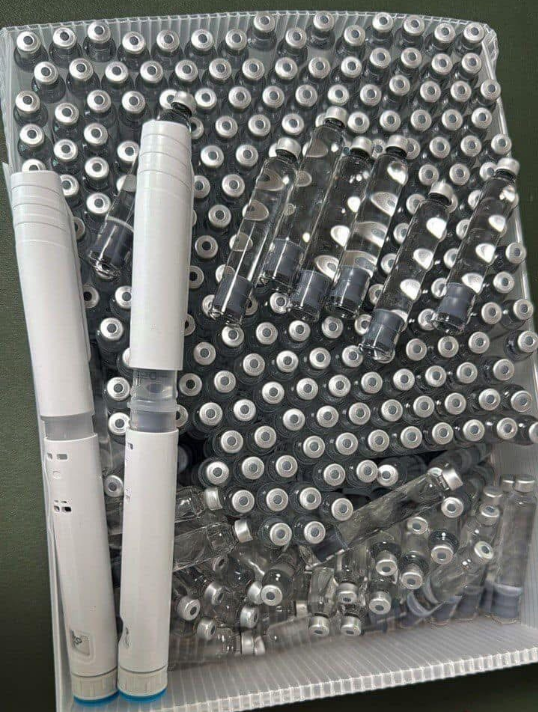
Now that we’ve seen the versatility of peptide pens, let’s dive deeper into their skincare applications. Over the years, peptides have become essential components in anti-aging and skin repair formulations. Let’s explore how peptide pens are changing the way we approach skincare.
2.1 Anti-aging and Skin Repair
One of the most popular uses for peptide pens is in the realm of anti-aging skincare. As we age, our body’s ability to produce collagen decreases, leading to the formation of fine lines, wrinkles, and sagging skin. Peptides help by stimulating collagen synthesis, improving the skin’s elasticity, and promoting smoother, firmer skin.
Peptide pens can be used to directly target areas of the skin where signs of aging are most prominent, like around the eyes, forehead, and mouth. By delivering these peptides through a microneedling process or direct injection, the skin is able to absorb the peptides more effectively, leading to visible improvements in texture, tone, and firmness.
Peptides are not just for fine lines and wrinkles; they also serve a broader purpose in skin repair. For individuals dealing with scarring, hyperpigmentation, or sun damage, peptides can help regenerate the skin, promoting a more even tone and smoother appearance.
The role of peptides goes beyond collagen production. Some peptides have anti-inflammatory properties that can help soothe irritated skin, while others act as powerful antioxidants, combating the damage caused by free radicals. Whether used in topical creams or administered via peptide pens, these compounds help keep the skin healthy and vibrant.
Peptide pens are not just for skincare—they’re making waves in diabetes management as well. In recent years, there has been significant interest in using peptides to regulate insulin secretion, which is crucial for diabetes patients. Let’s take a look at the research surrounding this innovative application.
3.1 Research: The Impact of Peptides on Insulin Secretion
Diabetes is a condition where the body cannot produce enough insulin or use it effectively. One of the key challenges in managing diabetes is ensuring that insulin is delivered properly to regulate blood sugar levels. Researchers are exploring the use of GLP-1 peptides—hormones that help regulate blood sugar levels and stimulate insulin secretion—as a potential treatment for diabetes.
Peptide pens are being developed to deliver these peptides more directly and effectively than traditional methods like oral medication or insulin injections. Some studies have already shown that peptides like GLP-1 can not only help improve insulin secretion but also reduce appetite, making them a potential option for managing both diabetes and weight loss.
The future looks bright for peptide pens in diabetes care. While currently used for skincare, these devices could soon become an integral part of diabetes management. Injections through peptide pens could allow for more efficient insulin delivery, potentially reducing the need for traditional insulin pumps or injections. Additionally, peptide pens may help target specific areas of the body, potentially leading to more precise insulin regulation and fewer side effects.
Clinical trials are ongoing to test the effectiveness of peptide pens in diabetes management. Early studies show promising results, with participants experiencing improved blood sugar regulation when using peptide-based treatments. As these trials progress, peptide pens could become an indispensable tool in the daily management of Type 1 and Type 2 diabetes.

While skincare and diabetes management are the most common uses, peptide pens hold promise in several other health areas. Let's take a look at some of these potential applications.
4.1 Potential Roles of Peptide Pens in Weight Loss, Sports Recovery, and More
The benefits of peptides extend beyond just diabetes and skincare. For example, certain peptides can promote fat loss, making them valuable tools for individuals struggling with weight management. Others are being studied for their role in sports recovery, helping athletes repair muscle tissue faster and reduce inflammation after intense exercise.
Peptide pens could be used to deliver these peptides directly to areas that need repair, enhancing the body’s natural healing processes. For athletes and fitness enthusiasts, this could mean faster recovery times and better performance.
The endocrine system plays a vital role in regulating many bodily functions, including metabolism, growth, and stress responses. Some peptides help regulate hormones in the body, and peptide pens may offer a targeted way to deliver these hormones for more effective regulation. For individuals with hormonal imbalances, such as those experiencing symptoms of PCOS or hypothyroidism, peptide pens could serve as a game-changer in hormone therapy.
The peptide pen market is still in its infancy, but the potential for growth is enormous. As research continues and the technology advances, we can expect to see peptide pens used in a broader range of applications. Let’s explore the future trends and business opportunities created by this cutting-edge technology.
5.1 Future Trends in Peptide Technology
As scientists continue to study the role of peptides in the body, we can expect new and improved peptide delivery systems. More efficient and precise peptide pens may be developed, allowing for better treatment outcomes with fewer side effects. We might also see peptide pens tailored for specific health conditions, such as heart disease or neurodegenerative disorders.
The cross-field integration of beauty and healthcare is creating exciting business opportunities for peptide pens. Companies are beginning to explore partnerships with healthcare providers, offering specialized peptide treatments for both cosmetic and medical purposes. As the demand for multi-functional health devices grows, peptide pens could become a staple in both wellness clinics and cosmetic dermatology practices.
Peptide pens represent the future of both skincare and healthcare. What started as a tool for beauty has now evolved into a cross-disciplinary health solution, with potential applications ranging from anti-aging to diabetes management. As research continues to uncover the full range of peptide benefits, we can expect to see peptide pens become an even more integral part of health management in the years to come.

| Question | Answer |
|---|---|
| What is a peptide pen? | A peptide pen is a device that uses peptides to improve skin health, manage diabetes, and even aid in muscle repair and weight loss. |
| How do peptide pens work? | Peptide pens deliver peptides through microneedling or injectable methods, directly targeting specific areas for skin rejuvenation or health management. |
| Are peptide pens safe? | Yes, when used correctly, peptide pens are safe. However, like any medical device, it’s essential to follow the instructions and consult a healthcare professional if unsure. |
| Can peptide pens be used for anti-aging? | Absolutely! Peptide pens are a popular tool in the anti-aging industry, promoting collagen production and improving skin texture and tone. |
| Are there any side effects of using peptide pens? | In general, side effects are rare but can include mild irritation or redness at the injection site. Always follow guidelines and consult a professional. |


