
Views: 0 Author: Site Editor Publish Time: 2025-12-23 Origin: Site


Peptide pens have recently taken the skincare world by storm. Despite their increasing popularity, there are still a lot of misconceptions surrounding them. If you've been hearing about these nifty little skincare tools and wondering whether they live up to the hype, you’re not alone. From younger users to first-time peptide pen buyers, many people still don’t fully understand the role of these devices in skincare routines.
In this comprehensive guide, we’ll explore everything you need to know about peptide pens, break down common myths, and explain how to make the most out of your peptide pen. Let’s get started!
Peptide pens are becoming a hot topic in the beauty world, and for good reason. These devices are designed to deliver peptides directly to the skin, targeting various skin issues from aging to acne. But while they’re praised for their effectiveness, there’s a lot of confusion about how they work and who can benefit from them.
In reality, peptide pens are a powerful skincare tool for anyone looking to address multiple skin concerns. Peptides—short chains of amino acids—act as building blocks for proteins like collagen and elastin, which are vital for keeping the skin firm, smooth, and youthful. When these peptides are delivered into the skin via a pen-like device, they can trigger a variety of responses depending on the formula used.
While the idea behind peptide pens might sound complex, using them is straightforward. You simply apply them to your skin regularly to see long-term benefits. However, it’s important to avoid falling for myths that surround these pens. Misunderstandings can lead to missed opportunities for better skin health.
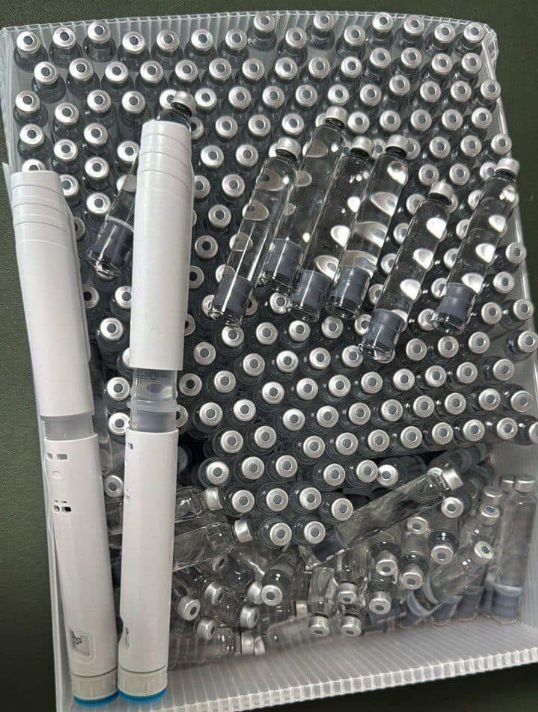
One of the most common misconceptions is that peptide pens are only for older adults dealing with the signs of aging. Sure, they’re effective for reducing wrinkles, fine lines, and sagging skin, but the benefits don’t stop there. Peptide pens are actually highly beneficial for younger skin too, and here's why.
As we age, our skin’s natural ability to produce collagen decreases, leading to sagging, thinning, and wrinkling. Peptide pens can help boost collagen production and restore the skin's firmness, making them perfect for older individuals. However, young skin can also benefit from peptides.
Think of it this way: peptides are like a protective shield for your skin. Using a peptide pen early in life can help prevent the visible signs of aging by boosting skin elasticity and promoting cell regeneration. The earlier you start, the better the results in the long term. It’s like preparing your skin for future challenges before they even appear.
So, don’t limit peptide pens to your grandmother’s vanity drawer! Younger individuals can benefit just as much, if not more, from early peptide use.
While we’d all love to see instant results from our skincare routines, peptide pens don’t exactly work that way. Peptides are powerful, but they need time to take effect. Patience is key when using peptide pens.
Many people expect immediate smoothness, tightness, or even a glow right after applying the product, but that’s not how peptides function. Peptides work by gradually stimulating your skin to produce more collagen, elastin, and other essential proteins. This process takes time—think weeks, not hours.
In fact, it might take anywhere from 4 to 6 weeks of consistent use to notice the real benefits of peptide pens. This doesn’t mean they don’t work; it simply means they’re doing their job by working deeply within the layers of your skin to provide long-lasting improvements.
To make the most out of your peptide pen, think of it like a workout routine for your skin. You won’t see muscle growth after one gym session, right? Similarly, consistent use of peptide pens over time leads to the best results.
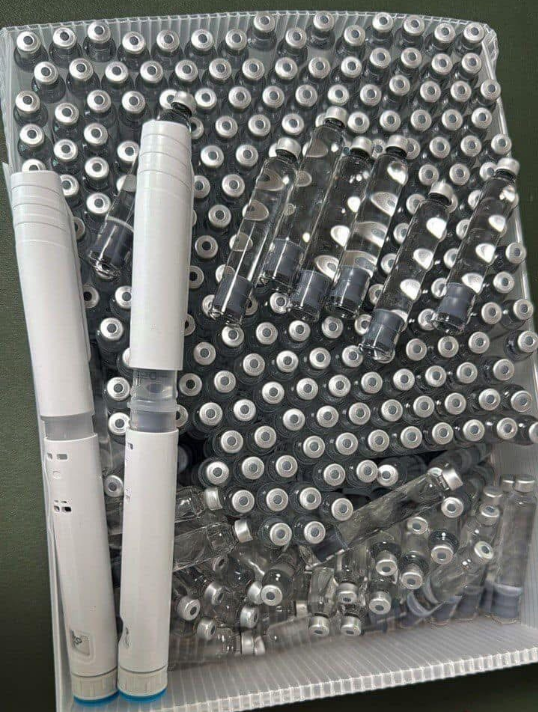
Another myth that often pops up is that peptide pens are completely safe and don’t cause side effects. While peptide pens are generally well-tolerated, they can cause side effects for some people—especially those with sensitive skin.
In fact, skin reactions like redness, itching, or irritation can occur, particularly if you're new to peptides or using them too frequently. It's important to be mindful of your skin's sensitivity and test the pen on a small patch of skin before applying it to your face.
Moreover, some peptide formulas may not be suitable for all skin types. For example, people with sensitive or reactive skin may want to opt for gentler peptide pens with fewer active ingredients. You may also want to avoid using them if you have certain skin conditions, like eczema or rosacea, unless advised by a dermatologist.
While side effects are rare, understanding your skin type and how it reacts to peptides will help you avoid any potential problems.
Here’s another common misconception: peptide pens are universally safe for everyone and can be used at any time of day or night. While this is mostly true, there are certain skin types and times when you should exercise caution.
For instance, if you have oily or acne-prone skin, you might want to look for a peptide pen designed for acne treatment, as certain formulas can clog pores. Similarly, those with dry skin might prefer a peptide pen that includes moisturizing agents to prevent further dehydration.
The best time to use your peptide pen is after cleansing and before moisturizing. You want your skin to be free of makeup, dirt, and oils so that the peptides can penetrate effectively. Using it at night is ideal since your skin goes into repair mode while you sleep.
Peptide pens also aren’t one-size-fits-all. Understanding your skin type and choosing a pen designed for your needs is key. If you have doubts, consulting a dermatologist before starting a peptide regimen is a good idea.
While peptide pens are undoubtedly excellent for anti-aging purposes, that’s just the tip of the iceberg. These versatile tools offer a range of benefits beyond wrinkle reduction.
Peptides have the ability to repair and renew skin, making them great for people suffering from sun damage, hyperpigmentation, or acne scars. Some formulations even target acne breakouts directly by controlling inflammation and promoting skin healing.
Let’s break it down further:
Repairing damaged skin: Peptides help repair skin that has been damaged by sun exposure or environmental stressors, leading to more even, smoother skin.
Brightening the complexion: Some peptides can help fade dark spots or pigmentation, giving your skin a more radiant and even tone.
Acne treatment: Peptides can also help reduce acne flare-ups by soothing inflammation and controlling excess oil production.
So, peptide pens aren’t just for fighting wrinkles; they can also be used to tackle acne, brighten your skin, and help with skin renewal.
In conclusion, peptide pens are a powerful tool in your skincare arsenal. They aren’t magical or instant, but with consistent use, they can work wonders for your skin. Whether you're using them to fight signs of aging, improve skin texture, or heal acne, understanding the facts will help you avoid common misconceptions.
Remember, the best results come from patience, consistency, and choosing the right product for your skin type. Don’t fall for myths, and always be cautious when trying new skincare products. If you approach peptide pens with the right expectations and the right formula, they’ll likely become a staple in your skincare routine for years to come.

| Question | Answer |
|---|---|
| How often should I use my peptide pen? | Generally, you should use your peptide pen once a day—preferably at night after cleansing. You can adjust the frequency based on your skin’s sensitivity. |
| Are peptide pens safe for all skin types? | Peptide pens are safe for most skin types, but sensitive skin may react. Always test the product on a small patch before applying it to your face. |
| How long does it take to see results? | Results usually take about 4 to 6 weeks of regular use to become noticeable. Peptides work gradually to enhance skin health. |
| Can I use a peptide pen with other skincare products? | Yes! You can use a peptide pen alongside most other products, but avoid mixing it with harsh exfoliants or acids that could irritate your skin. |
| Are there any side effects from using peptide pens? | Some users may experience redness, irritation, or itching, especially those with sensitive skin. It’s always best to patch-test first. |


