
Views: 0 Author: Site Editor Publish Time: 2026-04-10 Origin: Site


In today’s rapidly evolving pharmaceutical landscape, the role of a peptide pen supplier has transformed dramatically. What used to be a straightforward transactional relationship—buying a device and filling it—has now become a deeply integrated partnership involving design, technology, compliance, and patient experience.
Think about it this way: if traditional syringe suppliers were like hardware stores, modern peptide pen suppliers are more like tech companies—building ecosystems, not just products.
So, what really defines a top-tier peptide pen supplier in 2026? And how do you choose the right one?
Let’s dive deep.
Not long ago, pharmaceutical companies treated device suppliers like interchangeable parts. Need a pen injector? Order it. Fill it. Ship it.
But peptide therapies—used in areas like metabolic disorders, weight management, and hormone treatments—have changed the game.
These therapies are:
Sensitive to dosing precision
Often self-administered
Highly dependent on patient adherence
That means the delivery device is no longer just a container. It’s part of the therapy itself.
Aspect | Traditional Vendor | Modern Peptide Pen Supplier (Co-Developer) |
|---|---|---|
Role | Provides hardware | Collaborates on full solution |
Involvement | Late-stage | Early-stage (R&D integration) |
Flexibility | Limited | Highly customizable |
Innovation | Reactive | Proactive |
Value | Cost-driven | Outcome-driven |
A co-developer is better because they:
Help optimize drug-device compatibility
Reduce time-to-market
Improve patient adherence outcomes
But they may also be more expensive upfront, which can be a barrier for smaller biotech firms.
Imagine developing a peptide therapy for diabetes. A basic pen might deliver the drug just fine. But a smart, co-developed pen can:
Adjust dosing reminders
Track adherence
Sync with mobile apps
That’s not just better—it’s transformative.

Modern peptide pens are no longer just mechanical tools. They’re becoming intelligent health companions.
We’re talking about:
Bluetooth connectivity
Dose tracking
Real-time feedback
App integration
Let’s be honest—patients forget things. Especially when managing chronic conditions.
A smart peptide pen:
Reminds users to take doses
Tracks injection history
Alerts for missed doses
Compared to traditional pens, these are:
Smarter
Faster in feedback
Better for long-term adherence
Feature | Standard Pen | Smart Peptide Pen |
|---|---|---|
Dose Tracking | Manual | Automatic |
Connectivity | None | Bluetooth/App |
User Feedback | Limited | Real-time |
Cost | Less expensive | More expensive |
Patient Engagement | Low | High |
Smart pens don’t just help patients—they generate data.
And data is gold.
Pharma companies can:
Analyze adherence trends
Improve therapy protocols
Support regulatory submissions
Have you ever used a product that just felt right?
That’s human-centered design.
For peptide pens, this includes:
Grip comfort
Injection force
Audible clicks
Visual feedback
If a device is hard to use, patients won’t use it correctly—or at all.
That leads to:
Reduced efficacy
Increased side effects
Poor treatment outcomes
Design Factor | Poor Design | Optimized Design |
|---|---|---|
Grip | Slippery | Ergonomic |
Feedback | Silent | Audible/visual |
Force Required | High | Low |
Learning Curve | Steep | Intuitive |
A well-designed pen is:
Easier to use
Safer for elderly patients
Better for long-term adherence
Elderly patients
First-time injectors
Patients with limited dexterity
But here’s the trade-off:
More advanced design often means higher manufacturing costs.
Regulatory requirements for peptide pens are complex and evolving.
We’re talking about:
FDA (USA)
EMA (Europe)
NMPA (China)
Each has different standards.
A strong peptide pen supplier acts like a regulatory shield.
They:
Understand global requirements
Provide documentation
Support submissions
Factor | Inexperienced Supplier | Experienced Supplier |
|---|---|---|
Documentation | Incomplete | Comprehensive |
Approval Speed | Slower | Faster |
Risk | Higher | Lower |
Cost of Delays | High | Reduced |
An experienced supplier is:
Faster in approvals
Safer in compliance
More reliable overall
But again—often more expensive upfront.
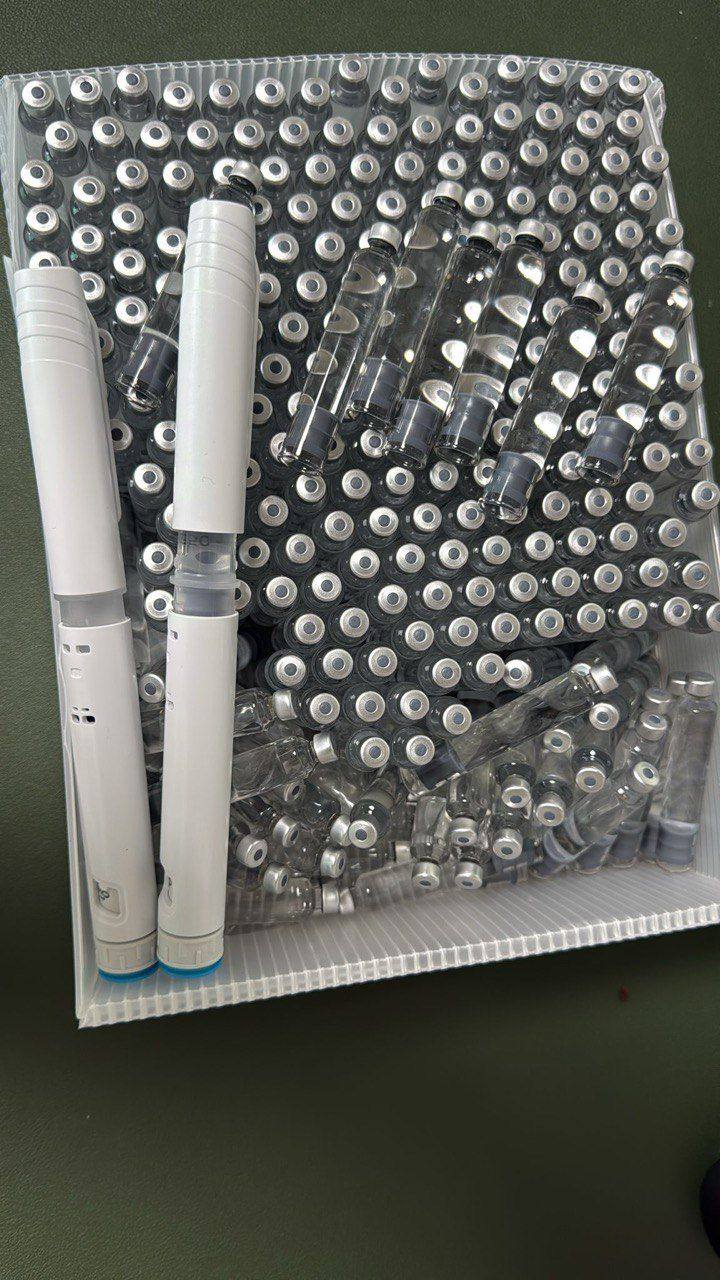
Sustainability is no longer optional. Regulators and consumers are demanding it.
Peptide pens traditionally use:
Plastics
Single-use components
Modern suppliers are introducing:
Reusable pen systems
Recyclable materials
Reduced packaging
Feature | Disposable Pen | Reusable Pen |
|---|---|---|
Waste | High | Lower |
Cost Over Time | Higher | Lower |
Convenience | High | Moderate |
Sustainability | Poor | Better |
Reusable pens are:
Better for the environment
Less expensive long-term
But:
Require more user training
Slightly less convenient
Demand for peptide therapies is exploding—especially in:
Weight management
Diabetes
Anti-aging medicine
This creates a capacity crunch.
A good peptide pen supplier must:
Scale production quickly
Maintain quality
Avoid delays
Factor | Rigid Manufacturing | Agile Manufacturing |
|---|---|---|
Scalability | Limited | High |
Lead Time | Longer | Faster |
Flexibility | Low | High |
Cost Efficiency | Moderate | Better at scale |
Agile manufacturers are:
Faster to respond
Better at handling demand spikes
More resilient
But may require:
Higher initial investment
Advanced infrastructure
So where is all this heading?
The peptide pen of the future will be:
Smarter (digital integration)
More human-centered (better design)
Greener (sustainable materials)
More connected (data ecosystems)
And the supplier?
They won’t just supply—they’ll co-create, innovate, and guide.
Choosing the right peptide pen supplier is no longer a procurement decision.
It’s a strategic partnership.

Question | Answer |
|---|---|
What is a peptide pen supplier? | A peptide pen supplier provides specialized injection devices designed for delivering peptide-based medications safely and accurately. |
Why are smart peptide pens better? | They offer better adherence tracking, real-time feedback, and improved patient outcomes compared to traditional pens. |
Are reusable peptide pens more cost-effective? | Yes, they are less expensive over time compared to disposable pens, though they may require more maintenance. |
What should I look for in a supplier? | Look for regulatory expertise, design capabilities, manufacturing agility, and digital integration support. |
Do peptide pens have side effects? | The pen itself doesn’t cause side effects, but improper use can lead to dosing errors, injection site reactions, or reduced efficacy. |
Who benefits most from advanced peptide pens? | Patients with chronic conditions, elderly users, and those requiring precise dosing benefit the most. |
Are smart pens more expensive? | Yes, they are more expensive upfront but often provide better long-term value through improved outcomes. |
How do suppliers help with regulatory approval? | They provide documentation, testing data, and compliance expertise to streamline approval processes. |


