
Views: 0 Author: Site Editor Publish Time: 2026-04-09 Origin: Site


When you hear the term peptide pen supplier, what comes to mind? Maybe a sleek injection device, or perhaps a biotech lab producing cutting-edge therapeutics. But here’s the thing—behind every peptide pen lies a deeply complex ecosystem. It’s not just about the product; it’s about the process, the partners, and most importantly, the risk.
So let’s unpack this together. Whether you're a biotech startup, a pharma procurement manager, or just someone curious about how peptide delivery systems reach the market, this guide will walk you through everything you need to know—step by step, story by story.
Imagine you’re building a house. You hire one contractor for the foundation, another for the walls, and a third for the roof—but none of them talk to each other. Sounds like a nightmare, right?
That’s exactly what happens in a fragmented peptide pen supply chain.
In traditional peptide pen manufacturing, you often deal with:
A peptide manufacturer
A formulation specialist
A device supplier
Each stage involves a handoff. And every handoff introduces friction—miscommunication, delays, and increased costs.
Let’s break it down:
Supply Chain Model | Advantages | Disadvantages |
|---|---|---|
Fragmented Model | Specialized expertise | Slower, more expensive, higher risk |
Integrated Supplier | Faster, better coordination | Less flexibility in niche customization |
Compared to an integrated peptide pen supplier, fragmented systems are:
Slower due to coordination delays
More expensive because of duplicated processes
Less reliable due to misaligned quality standards
Time is money—but in biotech, it’s everything. A 6-month delay can mean:
Missed clinical milestones
Lost investor confidence
Regulatory setbacks
And here’s the kicker: most of these delays are avoidable.

Standardization sounds like a good thing, right? Consistency, predictability, scalability. But in the world of peptide pen suppliers, it can actually increase risk if used blindly.
A platform approach means using a pre-designed system for:
Drug formulation
Delivery device
Manufacturing process
Think of it like using a template instead of starting from scratch.
Compared to custom development:
It’s faster to implement
It’s less expensive upfront
It reduces early-stage uncertainty
Not all peptides behave the same.
Some are:
Highly sensitive to temperature
Prone to degradation
Difficult to stabilize
Using a standardized platform for a complex peptide is like trying to fit a square peg into a round hole.
Approach | Better For | Trade-Offs |
|---|---|---|
Platform-Based | Speed, early-stage trials | Less flexibility |
Fully Customized | Complex molecules | Higher cost, longer timelines |
So what’s better? Honestly—it depends.
The best peptide pen supplier knows when to use a platform and when to go custom.
Let’s take a journey—from lab bench to patient bedside.
Focus: Stability and feasibility
Risk Level: High
Supplier Role: Early formulation support
Focus: Safety, efficacy, scalability
Risk Level: Moderate to high
Supplier Role: Device integration, batch production
Focus: Mass production, compliance
Risk Level: Lower (but still critical)
Supplier Role: Full-scale manufacturing
Phase | Common Bottleneck | Impact |
|---|---|---|
Preclinical | Poor formulation | Restart required |
Clinical | Device mismatch | Trial delays |
Commercial | Regulatory issues | Market entry delay |
Compared to traditional suppliers, an integrated peptide pen supplier can:
Move faster across phases
Reduce redundancy
Provide stronger continuity
Switching suppliers mid-process is like changing pilots mid-flight. It’s risky, expensive, and often unnecessary if you choose wisely from the start.
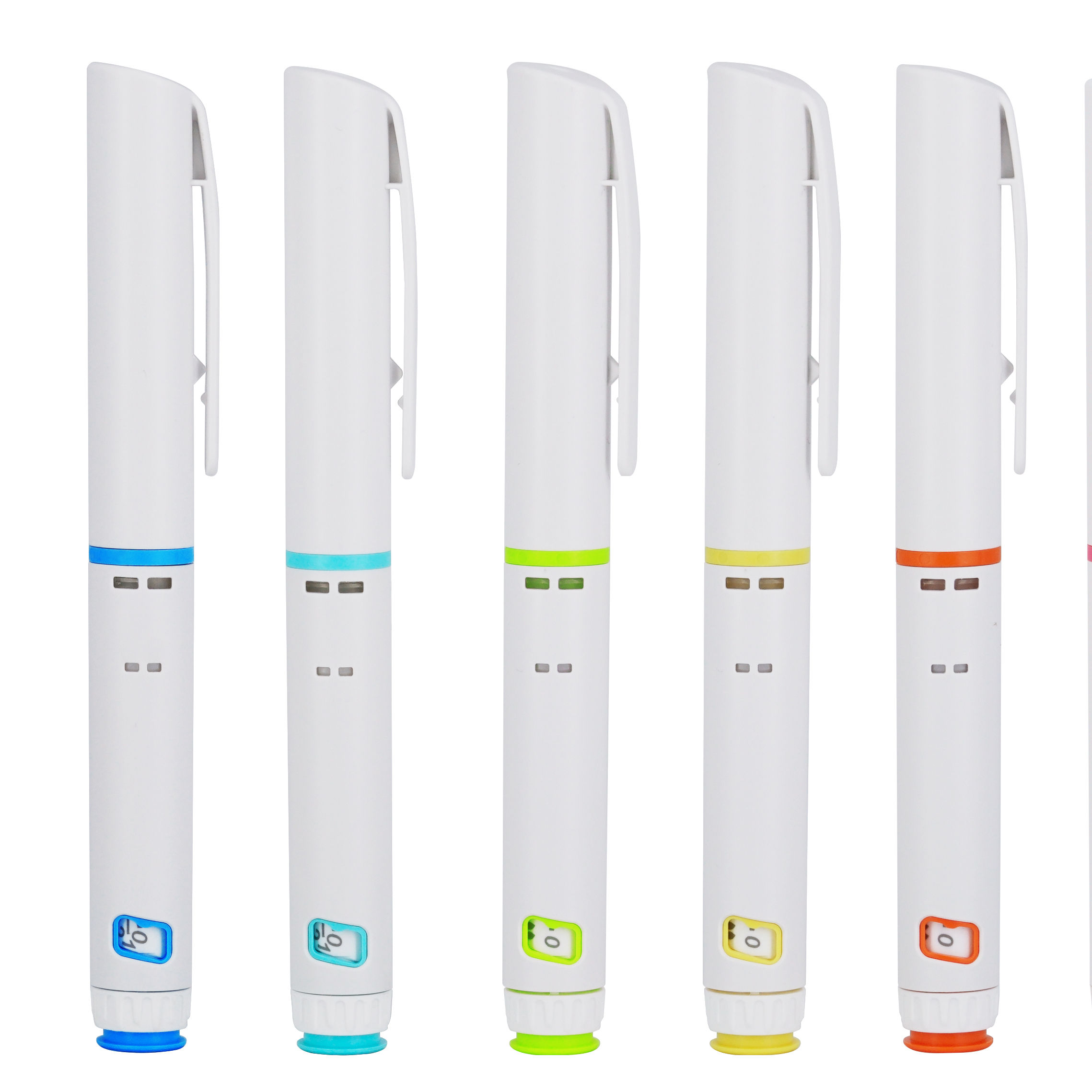
Now we’re getting into the regulatory jungle. Don’t worry—I’ll keep it simple.
A Type V Drug Master File (DMF) is a document submitted to regulatory authorities that contains confidential information about:
Manufacturing processes
Facilities
Materials
Compared to suppliers without DMF support:
It’s faster to gain approval
It reduces documentation burden
It provides stronger regulatory credibility
Factor | Without DMF | With Type V DMF |
|---|---|---|
Approval Time | Longer | Shorter |
Compliance Risk | Higher | Lower |
Documentation Effort | More | Less |
A peptide pen supplier offering Type V DMF support isn’t just a vendor—they’re a regulatory partner.
And in a world where compliance can make or break your product, that’s huge.
Let’s bring this to life.
3 suppliers
Custom device development
No DMF support
Single partner
Platform-based device
Type V DMF included
Metric | Company A | Company B |
|---|---|---|
Time to Clinical Trial | 18 months | 12 months |
Development Cost | $12M | $8M |
Regulatory Delays | 3 major | 1 minor |
Market Readiness | Delayed | On schedule |
Compared to Company A, Company B was:
Faster to market
Less expensive
More reliable
And here’s the kicker—Company B also reported fewer product failures.
Let’s talk money.
Because at the end of the day, every decision comes down to ROI.
A cheaper supplier might seem attractive—but is it really?
Factor | Low-Cost Supplier | Premium Integrated Supplier |
|---|---|---|
Upfront Cost | Lower | Higher |
Long-Term Risk | Higher | Lower |
Time to Market | Slower | Faster |
ROI | Uncertain | More predictable |
Delayed trials = lost revenue
Product recalls = reputational damage
Regulatory failures = sunk costs
Think of it like insurance.
You pay more upfront, but you save a lot more in the long run.
Compared to traditional models, a high-quality peptide pen supplier offers:
Better predictability
Stronger compliance
Faster returns
Here’s the truth—your peptide pen supplier isn’t just a vendor. They’re a partner in your journey.
Choose wrong, and you’ll face delays, costs, and headaches.
Choose right, and you’ll gain:
Speed
Stability
Strategic advantage
So ask yourself:
Do they offer integration or just components?
Can they support regulatory needs?
Are they flexible enough for your molecule?
Because in this industry, the path you choose is the outcome you get.

Question | Answer |
|---|---|
What is a peptide pen supplier? | A peptide pen supplier provides integrated solutions for peptide drug delivery, including formulation, device design, and manufacturing. |
Why is an integrated supplier better? | Compared to fragmented suppliers, integrated partners are faster, more reliable, and reduce overall risk. |
What are the risks of a fragmented supply chain? | Higher costs, longer timelines, and increased chances of regulatory failure. |
What is a Type V DMF? | A regulatory document that helps streamline approval processes and ensures compliance. |
Is a platform approach always better? | Not always. It’s better for speed but may not suit complex peptides requiring customization. |
How do I choose the right supplier? | Look for experience, regulatory support, integration capabilities, and flexibility. |
Are peptide pens safe? | Generally yes, but safety depends on formulation, device quality, and proper usage. |
Who uses peptide pens? | Patients with chronic conditions, clinical trial participants, and specialized therapeutic users. |
What are the side effects? | Possible side effects include injection site reactions, dosage errors, or peptide instability if poorly manufactured. |
Are peptide pens expensive? | They can be more expensive upfront but often provide better long-term value due to reduced risk. |


