
Views: 0 Author: Site Editor Publish Time: 2026-05-21 Origin: Site


Let’s be honest—few things spike your anxiety faster than a peptide pen that suddenly stops working the way it should.
You’re holding this sleek little device that’s supposed to make your life easier—whether for weight management, hormone therapy, or performance optimization—and suddenly… nothing. No injection. Wrong dose. Weird resistance. Maybe even a sting that feels stronger than usual.
Sound familiar?
Here’s the truth: you’re not the only one dealing with peptide pen issues. Not even close.
Compared to traditional syringe injections, peptide pens are supposed to be easier, faster, and more user-friendly. And most of the time, they are. But like any precision device, they can fail—or at least feel like they are failing—when something small goes wrong.
Think of it like a high-end coffee machine. It’s better, faster, and more convenient than manual brewing… until one tiny clog throws everything off.
This guide is here to walk you through every common issue, break it down in plain English, and help you fix it without wasting time, money, or medication.
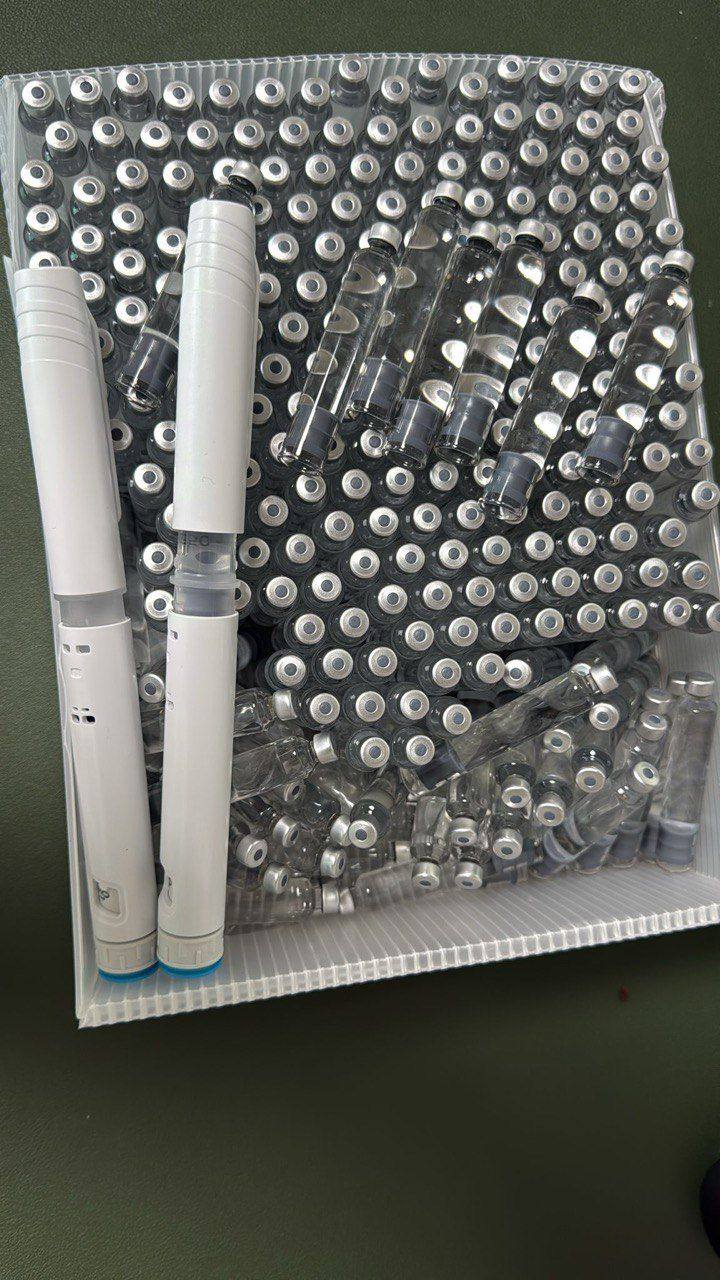
Before you assume your peptide pen is broken, take a breath. Most problems are surprisingly simple.
Here’s your quick-win diagnostic checklist:
Quick Check | What to Look For | Why It Matters |
|---|---|---|
Needle attached properly | Loose or crooked needle | Prevents injection pressure |
Air bubbles | Visible gaps in liquid | Can cause weak or uneven dose |
Dose dial set correctly | Misaligned numbers | Leads to under- or overdosing |
Pen temperature | Too cold or too hot | Affects viscosity and flow |
Cartridge status | Empty or nearly empty | Obvious but often missed |
Compared to traditional syringes, peptide pens are more convenient—but also more sensitive. A tiny misalignment can stop everything.
It’s like trying to unlock your phone with slightly wet fingers. Nothing’s broken, but it just won’t cooperate.
80% of “broken pen” issues are user setup errors
Fixing them is usually faster than contacting support
You can save a dose—and sometimes hundreds of dollars
This is the most frustrating scenario. You press the button… and nothing happens.
A peptide pen relies on internal pressure mechanics. If anything interrupts that system, injection stops completely.
Problem | Symptoms | Fix |
|---|---|---|
Blocked needle | No fluid movement | Replace needle immediately |
Airlock | Clicking sound, no injection | Prime the pen |
Cartridge jam | Button won’t press fully | Reset or replace cartridge |
Faulty spring | No resistance at all | Pen may need replacement |
Syringes: More manual, but less prone to mechanical failure
Peptide pens: Faster and cleaner, but more complex internally
So yes, peptide pens are better for convenience—but slightly more fragile in terms of mechanics.
If your pen clicks but doesn’t inject, it’s usually not “dead”—it’s just airlocked or blocked.
This one’s tricky because it’s subjective.
You inject—and something feels off. Maybe:
Stronger than usual
Barely noticeable
Or like only half the dose went in
Peptide dosing isn’t just about the number on the dial. It’s about delivery consistency.
Issue | Effect on Dose | Explanation |
|---|---|---|
Air bubbles | Weak dose | Air displaces medication |
Partial injection | Half dose | Needle removed too early |
Temperature changes | Stronger/weaker effect | Alters absorption rate |
Pen miscalibration | Inconsistent dosing | Internal mechanism issue |
Manual syringes give you more control—but require skill.
Peptide pens are easier, but when something goes wrong, it’s harder to see the issue.
It’s like pouring soda into a glass full of ice. If half the space is air or gaps, you’re not getting the full drink.
Same idea with your dose.
Here’s where things get interesting.
Most guides focus on obvious mechanical failures. But the real problems? They’re often subtle.
Inject too fast → discomfort
Inject too slow → incomplete delivery
Different injection sites have different resistance levels.
Abdomen: softer, easier
Thigh: firmer, sometimes more painful
Compared to other injection methods, peptide pens are more sensitive to this variation.
Ever notice how a dose feels stronger when you’re expecting it to?
That’s real. Your perception can influence how you interpret results.
Let’s say you’re mid-injection and something goes wrong.
You don’t want to waste that dose—especially if it’s expensive.
Situation | Immediate Action | Why It Works |
|---|---|---|
Pen stops mid-injection | Keep needle in place, retry | Prevents dose loss |
Weak flow | Re-prime quickly | Clears blockage |
Air bubble detected | Flick and re-prime | Restores consistency |
Resistance increases | Adjust angle slightly | Reduces tissue pressure |
Don’t panic-remove the needle immediately.
That’s how most doses get wasted.
Think of it like pulling a USB drive mid-transfer—you risk losing everything.
A peptide pen is like a high-performance tool. Treat it right, and it’ll perform beautifully.
Care Tip | Benefit |
|---|---|
Store at proper temperature | Maintains peptide stability |
Replace needles every use | Prevents blockage and infection |
Clean regularly | Ensures smooth operation |
Avoid dropping | Protects internal mechanism |
Peptide pens: cleaner, safer, more convenient
Syringes: cheaper, but less user-friendly
So yes—pens are better overall, but they require more care.
Sometimes, fixing isn’t worth it.
Repeated injection failure
Inconsistent dosing despite fixes
Visible physical damage
Internal clicking without function
A new pen might feel more expensive upfront—but compared to risking incorrect dosing, it’s often the smarter move.
Think of it like replacing worn-out running shoes. You can keep using them… but at what cost?
Never assume your fix worked.
Always test.
Prime the pen
Inject into a test surface (or follow safe guidelines)
Observe flow consistency
Compared to guessing, testing gives you confidence.
And confidence is everything when dealing with precise dosing.
Peptide pens are powerful tools—but they’re not foolproof.
The good news?
Most problems are:
Fixable
Preventable
Not as serious as they seem
So next time your peptide pen acts up, don’t panic.
Troubleshoot. Adjust. Test.
And if needed? Replace it without hesitation.
Because at the end of the day, your health—and accurate dosing—is worth far more than holding onto a faulty device.

Question | Answer |
|---|---|
What is a peptide pen? | A peptide pen is a prefilled or refillable injection device designed to deliver precise doses of peptide medications quickly and easily. |
Why is my peptide pen not injecting? | Common reasons include a blocked needle, air bubbles, or improper assembly. |
Is a peptide pen better than a syringe? | Yes, it’s more convenient and faster, but slightly more complex and expensive compared to traditional syringes. |
Can I reuse a needle? | Not recommended. Reusing needles increases infection risk and reduces injection efficiency. |
Why does my dose feel inconsistent? | Air bubbles, temperature, and injection technique can all affect perceived dose strength. |
How do I store a peptide pen? | Typically in a refrigerator, but always follow manufacturer guidelines for best results. |
When should I replace my pen? | If it consistently fails, delivers uneven doses, or shows physical damage. |
Are peptide pens safe? | Yes, when used correctly. They are generally safer and cleaner than manual injection methods. |


