
Views: 0 Author: Site Editor Publish Time: 2026-05-20 Origin: Site


If you’ve recently started using a peptide pen, you’re probably focused on the big promises—faster recovery, better fat loss, improved performance, or optimized hormone balance. But here’s the truth most people overlook: how you inject can matter just as much as what you inject.
Think of your body like a garden. You wouldn’t plant seeds in the exact same spot every day and expect the soil to stay fertile, right? The same principle applies to peptide injections. Site rotation isn’t just a suggestion—it’s foundational science.
Let’s break this down in a way that actually sticks.
Using a peptide pen might feel simple—click, inject, done. But beneath that simplicity lies a surprisingly complex biological process.
When you inject peptides subcutaneously (just under the skin), your body absorbs them through local capillaries. Over time, repeatedly using the same spot can cause lipohypertrophy—a fancy term for lumps or thickened tissue under the skin.
Because absorption becomes inconsistent. One day your peptide might work better, the next day slower, and sometimes barely at all. Compared to rotating sites, sticking to one spot leads to less predictable results, which can sabotage your progress.
Repeated injections → tissue damage
Tissue damage → scar tissue buildup
Scar tissue → reduced blood flow
Reduced blood flow → weaker absorption
It’s like trying to water a plant through a clogged pipe. Not very effective, right?
Factor | Rotating Injection Sites | Not Rotating |
|---|---|---|
Absorption | More consistent | Irregular |
Tissue health | Better | Worse |
Pain level | Lower over time | Higher |
Effectiveness | Stronger results | Weaker outcomes |
So yes, rotation isn’t optional—it’s essential.

Not all areas of your body are created equal when it comes to peptide injections. Some spots are better, faster, and more reliable than others.
Let’s explore your “prime real estate.”
This is the gold standard.
Easier to access
Better fat distribution
Faster absorption compared to other areas
Think of it as the “downtown district” of injections—high traffic, efficient, reliable.
A solid alternative.
Slightly slower absorption compared to the abdomen
Good for rotation variety
Compared to the abdomen, thighs are more comfortable for some users, but may feel slightly less efficient.
Often overlooked but useful.
Harder to self-administer
Moderate absorption rate
Compared to thighs, arms can be more awkward but equally effective if done correctly.
Great for rotation expansion.
Larger surface area
Less nerve sensitivity
Compared to arms, this area is often less painful but harder to see.
Site | Ease of Use | Absorption Speed | Pain Level | Best For |
|---|---|---|---|---|
Abdomen | Easy | Fast | Low | Beginners |
Thighs | Moderate | Medium | Medium | Rotation |
Arms | Hard | Medium | Medium | Experienced users |
Lower Back | Moderate | Medium | Low | Expanded rotation |
Now comes the practical part. Knowing where to inject is one thing. Knowing how to rotate effectively is where most people mess up.
Simple—but surprisingly ignored.
Imagine dividing your abdomen into a grid—like a tic-tac-toe board. Each square becomes a different injection zone.
Day 1 → Top left
Day 2 → Top middle
Day 3 → Top right
And so on
By the time you circle back, the tissue has recovered.
Compared to random rotation, the grid method is:
More organized
Easier to track
Less prone to mistakes
It’s like following a workout plan versus randomly lifting weights—you get stronger, faster results.
Even experienced users slip up. Let’s call out the biggest mistakes.
We all have that one spot that feels easier. But overusing it leads to tissue damage.
Spacing matters. Even half an inch too close can cause overlap.
Pain is your body’s way of saying, “Hey, give me a break.”
Using the wrong angle or depth can make even the best site perform worse.
Habit | Outcome |
|---|---|
Good rotation | Better absorption |
Poor rotation | Inconsistent results |
Careful technique | Less pain |
Rushed injections | More irritation |
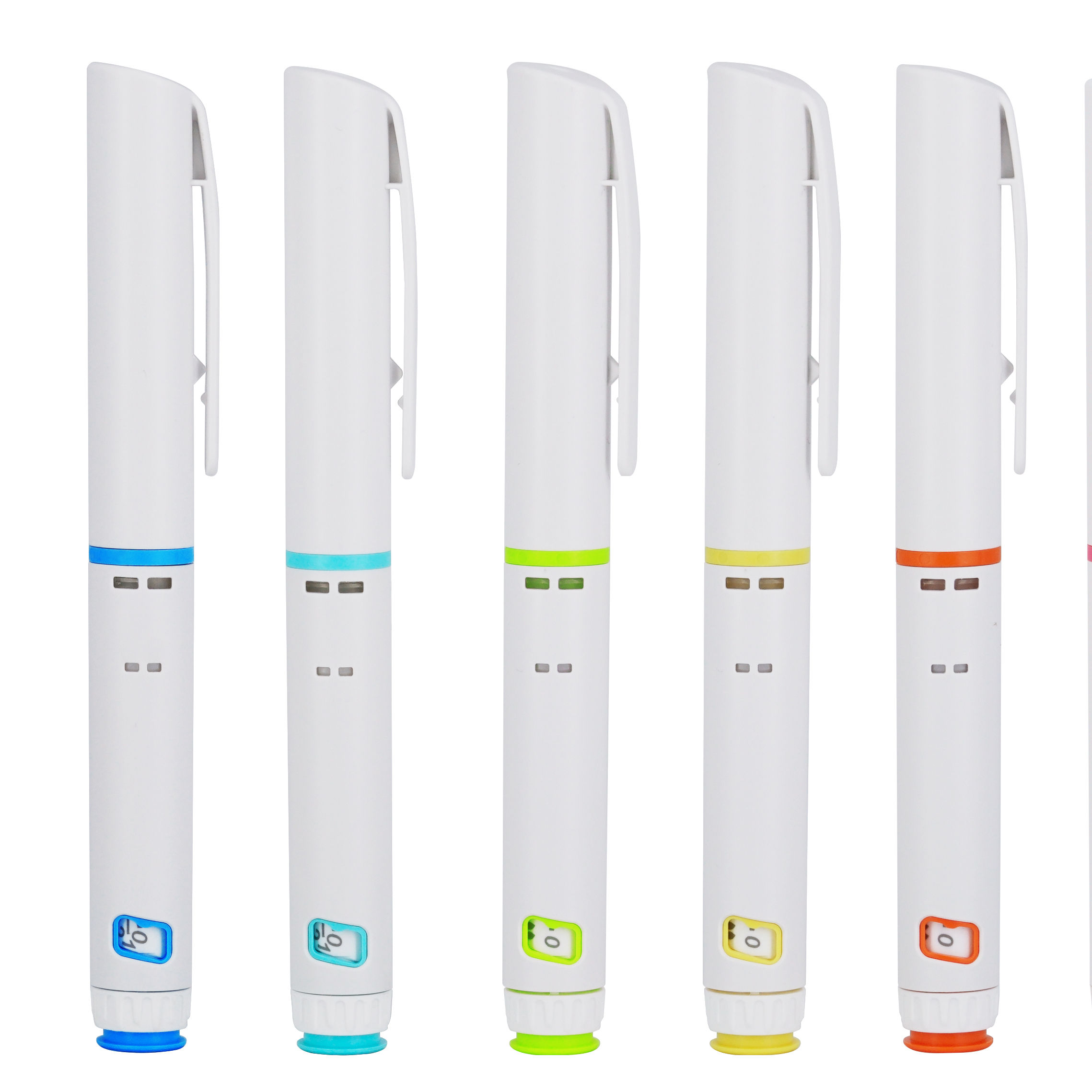
Life isn’t always textbook perfect. Sometimes you need to adapt.
If you’re lean, you may have fewer usable spots.
Solution: Rotate more frequently within smaller zones but increase spacing.
Some people experience redness or irritation.
Compared to standard users, sensitive individuals may need:
Smaller needles
Slower injections
More recovery time between sites
Daily or multiple daily injections increase risk.
Adjustment Strategy:
Expand rotation zones
Track sites more carefully
Prioritize tissue recovery
Peptide pens are designed for convenience, but rushed injections can lead to mistakes.
Compared to home use, mobile injections are:
Faster but less controlled
More prone to poor site selection
Let’s simplify this into a real-world process you can follow every day.
Ask yourself: Where did I inject last time?
Think distance, not just difference.
Look for:
Redness
Swelling
Lumps
If any are present, skip that area.
You want a soft, fatty layer—not muscle.
Steady hand, consistent angle, controlled speed.
Compared to guessing, this method is:
More reliable
Less painful
More effective
It’s like following GPS instead of driving blindly—you get there faster with fewer mistakes.
Using a peptide pen isn’t just about convenience—it’s about precision. And precision comes from good habits.
Site rotation might feel like a small detail, but it has a massive impact on your results. Compared to ignoring it, proper rotation delivers:
Better absorption
Faster results
Stronger consistency
Less discomfort
So the next time you reach for your peptide pen, remember: you’re not just injecting—you’re optimizing.

Question | Answer |
|---|---|
What is a peptide pen used for? | A peptide pen is used to deliver peptides subcutaneously for purposes like fat loss, muscle recovery, anti-aging, or hormone optimization. It’s more convenient compared to traditional syringes. |
Why is site rotation important? | Rotation prevents tissue damage and ensures consistent absorption. Compared to not rotating, it leads to better and more predictable results. |
Which injection site is best? | The abdomen is generally the best due to faster absorption and ease of use. However, rotating with thighs and arms is essential. |
How often should I rotate injection sites? | Every single injection. Never use the exact same spot twice in a row. |
What happens if I don’t rotate sites? | You risk developing lumps, poor absorption, and inconsistent results. Over time, effectiveness decreases significantly. |
Are peptide pens better than syringes? | Peptide pens are more convenient, easier to use, and often more precise. However, they can be more expensive compared to traditional syringes. |
Do injections hurt? | Minimal pain if done correctly. Compared to poor technique, proper injection methods make the process nearly painless. |
Can I inject in the same general area? | Yes, but you must move within that area (e.g., different spots on the abdomen) to avoid tissue damage. |
What are common side effects? | Mild redness, swelling, or irritation. Compared to improper rotation, correct technique reduces these risks significantly. |
Who should use peptide pens? | They’re ideal for individuals seeking convenient, consistent peptide delivery—especially beginners or those with frequent dosing schedules. |


