
Views: 0 Author: Site Editor Publish Time: 2026-01-14 Origin: Site


Imagine this: you're standing in front of your mirror, ready to enhance your skin or take your fitness routine to the next level. You've heard about peptide pens from various sources—maybe even seen influencers or professionals recommending them. But now, you're faced with a decision: Which peptide pen is right for you? How do you ensure you're getting the best results?
Well, choosing the right peptide pen is more than just a matter of picking a tool—it's about ensuring that your investment delivers real, noticeable results. Whether you're using it for skincare or fitness, the wrong choice can lead to wasted time, money, and even risks to your health.
Peptide pens have become quite popular in recent years, but as with any beauty or health product, there’s a lot to consider before diving in. From understanding their purpose to comparing different types, knowing what factors truly matter can make a world of difference in maximizing the results you seek.
In this article, we’re going to break down everything you need to know about peptide pens, helping you to make an informed choice. From the science behind them to their applications in skincare, fitness, and overall health, we’ve got you covered. So, let’s dive in!
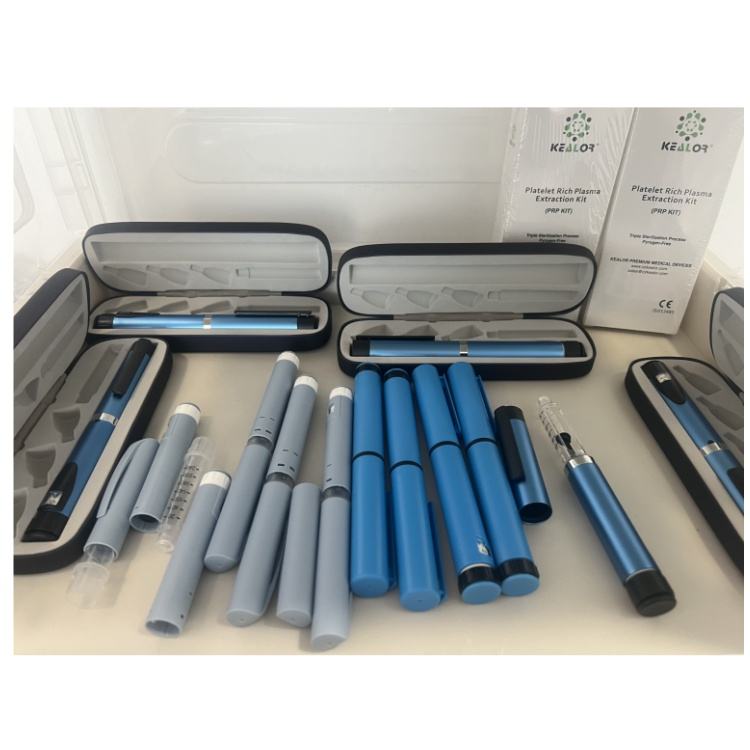
Peptide pens are innovative devices designed to deliver peptides directly into the skin or muscles, helping to trigger specific biological responses. These pens usually contain a cartridge filled with various peptides—short chains of amino acids that are vital for various body processes. Think of them as the building blocks of proteins, which help with everything from repairing muscle tissue to encouraging collagen production for skin health.
The pen's design allows for controlled delivery, ensuring that the peptides are applied precisely where they’re needed. Instead of needing to visit a clinic for an expensive injection or treatment, a peptide pen gives you the power to perform the treatment at home. All you need to do is fill it with the peptide solution, adjust the settings (usually by selecting the desired dosage), and then apply it.
In the world of beauty, peptide pens are commonly used for anti-aging treatments and skin regeneration. These treatments typically use peptides that encourage the production of collagen, elastin, and other skin proteins. If you're aiming for firmer, smoother, and younger-looking skin, peptide pens can be a game-changer. It’s almost like giving your skin a little boost, helping it regenerate and repair itself from within.
On the health and fitness side, peptide pens are highly favored for their ability to assist in muscle repair, fat loss, and even injury recovery. Peptides like BPC-157 (Body Protective Compound) and GHRP-6 (Growth Hormone Releasing Peptide) are used to promote healing and improve overall muscle function. These peptides can work wonders for athletes or anyone recovering from intense physical activity, helping to accelerate recovery and repair.
The growing trend of DIY peptide treatments is largely driven by the convenience and cost-effectiveness they offer. Instead of booking expensive clinic appointments, people now have access to safe, effective treatments right in their own homes. This rise in popularity has made peptide pens a hot commodity, with more and more consumers seeking to improve their skin and muscle health through affordable, at-home options.
Now that you know what peptide pens are and why they’re gaining traction, let’s break down the top benefits of using one. After all, convenience, precision, and customization are huge selling points when it comes to selecting the best tool for the job.
When comparing peptide pens to traditional methods like injections, one of the biggest advantages is convenience. Injections, which require professional assistance, can be both time-consuming and costly. Peptide pens, on the other hand, give you the ability to perform treatments in the comfort of your home, whenever it suits you. Whether you’re targeting your skin or muscle tissue, a peptide pen allows for quick and easy application with minimal fuss. All you need is the right peptide solution, and you’re good to go!
A major advantage of peptide pens is the precision they offer. These pens are designed to deliver a controlled dose of peptides, ensuring you get exactly what your skin or body needs. Whether you need a light dose for your face or a stronger dose for muscle recovery, the customizable settings let you adjust the strength of the treatment. This control gives you a better shot at achieving the exact results you’re aiming for.
Compared to other methods like standard injections, peptide pens provide a more controlled and personalized experience. This is especially important because the effectiveness of the treatment depends on the right peptide concentration reaching the target area.
While the initial cost of a peptide pen might seem high, the long-term savings are significant. Professional treatments like Botox injections, microneedling, or other peptide-based therapies at a clinic can add up quickly. With a peptide pen, you’re making a one-time investment and can use it repeatedly, saving both time and money. Plus, many peptide pens are designed to last, meaning you’ll get plenty of treatments out of each pen before needing to replace it.
Unlike clinic treatments where you’re often restricted to a single, predefined treatment plan, a peptide pen lets you personalize your approach. You can choose which peptides you want to use based on your specific goals. Whether you're after anti-aging, muscle repair, or fat loss, you can find a peptide that suits your needs. This level of flexibility ensures that you’re always in control of your treatments, making the peptide pen a standout option.
Selecting the right peptide pen isn’t as simple as picking the first one that looks nice or seems affordable. To maximize the results from your peptide treatments, you need to focus on key factors that determine how effective, safe, and comfortable your pen will be. Let’s take a closer look at what you need to consider before making your purchase.
Peptide pens are designed to work with specific types of peptides, and the type of peptide you choose will directly impact your results. When deciding on a peptide pen, it’s crucial to match it with the right peptides to ensure optimal absorption and effectiveness.
Collagen-Boosting Peptides:
These peptides are often used for skin regeneration, aiming to increase collagen and elastin production. They’re commonly found in anti-aging peptide pens that target wrinkles, sagging skin, and fine lines. Matrixyl 3000 and Copper Peptides are prime examples of this kind of peptide. If your goal is smoother, firmer skin, look for a pen compatible with these peptides.
Muscle Repair Peptides:
For fitness enthusiasts, muscle-repairing peptides like BPC-157 or CJC-1295 are used to encourage faster recovery and tissue repair. These peptides work by stimulating the body’s natural healing processes, making them popular for athletes or individuals recovering from muscle injuries.
Fat Loss Peptides:
Some peptide pens also deliver peptides that help with fat loss. AOD-9604 and Fragment 176-191 are examples of peptides that specifically target fat-burning properties. If weight management or fat reduction is a primary goal, you’ll want a peptide pen that supports these peptides.
When choosing a peptide pen, it’s crucial to ensure that the pen is designed to work with the specific peptides you plan on using. Some pens are optimized for thicker, more viscous peptides, while others are designed for lighter, water-based solutions. Make sure to research which peptides your pen can accommodate to avoid any issues during use.
The material of the peptide pen plays a significant role in its performance, durability, and safety. A poorly made pen can lead to broken components, uneven distribution of peptides, and even infections or irritation if the materials are not safe for direct contact with your skin or body. So, let’s dive into what you should look for in terms of pen quality.
Most peptide pens on the market are made from either plastic or medical-grade materials. The latter is typically your best bet, especially when you’re considering skin safety and performance. Medical-grade materials are designed to withstand repeated use, are highly resistant to bacteria, and ensure that the peptides are delivered without contamination. Plastic pens can sometimes crack or degrade over time, leading to performance issues, especially when exposed to the ingredients in peptide solutions.
Tip: When shopping for a peptide pen, always check if the product explicitly mentions medical-grade construction. This ensures the pen is safe, reliable, and durable.
Aside from safety concerns, the material of the pen can also affect how efficiently it delivers peptides. Low-quality materials may affect the consistency and flow of the peptide solution, which could result in inconsistent dosing or uneven application. This can negatively impact the effectiveness of the treatment. Therefore, investing in a pen made from high-quality materials helps ensure that your peptide treatments work as intended.
While it may seem like a minor detail, needle size and injection depth are critical factors in how effective your peptide pen will be. These factors determine how well peptides are absorbed by your skin or muscles and how comfortable the experience will be.
Peptide pens generally come with fine needles, but the size of these needles can vary. A smaller needle is typically used for skin treatments, such as anti-aging and collagen regeneration, where superficial penetration is needed. On the other hand, larger needles may be required for deeper muscle penetration when delivering peptides for muscle repair or fat loss.
The key to maximizing the effectiveness of the peptide pen is understanding the right depth of delivery. If the peptide is delivered too shallow or too deep, it could affect absorption and reduce its effectiveness. This is why knowing what kind of treatment you’re performing and selecting a pen with the right needle depth is vital.
When selecting a peptide pen, make sure you consider the area of application. For example:
For facial treatments, such as wrinkle reduction or collagen boosting, a shallow injection with a fine needle is best.
For body treatments, like muscle recovery or fat loss, you may need a pen with a longer needle that can penetrate deeper into the tissue.
Comfort is everything when it comes to using a peptide pen. If a pen isn’t easy to hold, maneuver, or adjust, you may avoid using it consistently, which can affect your results.
Grip: A comfortable, non-slip grip ensures you can apply the treatment precisely and without straining your hand.
Weight: The pen should be lightweight enough for easy handling, but not so light that it feels flimsy.
Button Design: Look for a pen with a user-friendly button or trigger that’s easy to press, allowing for precise control over the delivery.
One of the most important things to consider when choosing a peptide pen is safety. A high-quality peptide pen should have safety features that protect you from accidents, such as auto-lock mechanisms that prevent accidental injection or automatic needle protection.
Before buying any peptide pen, be sure to check if it has passed safety certifications from reputable authorities, like the FDA or similar organizations in your country. Reviews from other users can also offer valuable insights into the pen’s safety, effectiveness, and ease of use. Look for feedback about comfort, safety mechanisms, and consistency in delivery.
When it comes to choosing a peptide pen, you’ll quickly realize that the market is filled with a wide variety of brands and models. Some of these pens stand out for their reliability, performance, and user-friendliness, while others may fall short. So how do you know which ones are worth investing in? Don’t worry—we’ve done the legwork for you and gathered some of the top brands that are worth considering.
Dermapen is one of the most well-known names in the world of microneedling and peptide treatments. Known for its high-quality construction and precision, Dermapen has earned a reputation for providing some of the most effective and user-friendly devices on the market.
Pros:
Professional-grade: Designed for both home and professional use.
Advanced technology: Features adjustable depth settings, which allow for versatility in skin and muscle treatments.
Durability: Built with high-quality medical-grade materials, making it a long-lasting investment.
Great for all skin types: Suitable for a wide range of skin conditions, from anti-aging to scar treatment.
Cons:
Price: The Dermapen is more expensive than many other options on the market.
Learning curve: While it’s easy to use, beginners may need to spend some time getting used to the settings and application techniques.
Price: $200–$400 depending on the model and features.
Another heavy hitter in the peptide pen market is Dr. Pen. This brand has become quite popular for its affordability and effective results. Dr. Pen is often considered one of the best options for those seeking professional-quality treatments at home without breaking the bank.
Pros:
Affordability: Offers a more budget-friendly range compared to premium brands like Dermapen.
Ease of use: Excellent for beginners, with an intuitive design and clear instructions.
Adjustable needle length: The ability to adjust the needle length allows for customized treatments tailored to different needs (skin regeneration, muscle recovery, etc.).
Cons:
Build quality: Some models are made from plastic and may not be as durable as others.
No auto-lock safety: Some models lack the advanced safety features that are present in higher-end pens.
Price: $100–$250 depending on the model and included accessories.
For those looking to incorporate peptide treatments into their skincare routine, BeautyBio offers a more luxurious and high-end option. This brand is popular for its microneedling tools, and the pen is designed to treat everything from wrinkles to fine lines with a specific focus on collagen-boosting peptides.
Pros:
Effective for anti-aging: Known for delivering professional-grade results that help improve skin texture and elasticity.
Premium design: Features an ergonomic design with a sleek, comfortable handle.
Safe and hygienic: Comes with a self-disinfecting cartridge for added peace of mind.
Cons:
Price: As a premium brand, BeautyBio products can be quite expensive.
Limited flexibility: Primarily designed for skincare rather than muscle repair or fat loss treatments.
Price: $150–$350.
The TCA Pen is an option that’s often used for deeper treatments, including fat loss and muscle regeneration. It's highly regarded by fitness enthusiasts for its ability to administer peptides with a high level of precision and control.
Pros:
High precision: Ideal for those looking for accuracy in deeper skin layers or muscle tissues.
Durable: Built to last with medical-grade materials.
Advanced features: Many models come with adjustable needle depth settings.
Cons:
Pricey: TCA pens are on the expensive side, often geared toward professionals or serious users.
Complexity: May not be the best choice for beginners due to its advanced settings and uses.
Price: $300–$500.
The LumaPen is a more affordable option, aimed at those who are looking for a more budget-friendly alternative to the high-end brands. Despite its price point, the LumaPen delivers impressive performance, especially for skin treatments like anti-aging and scarring.
Pros:
Affordable: A great option for those who want to try peptide pens without a hefty investment.
Lightweight and portable: Easy to handle and perfect for on-the-go use.
Good results: Provides noticeable improvements in skin texture, elasticity, and overall appearance.
Cons:
Not ideal for deeper treatments: Best used for skincare, not as effective for muscle recovery or fat loss.
Basic features: Lacks advanced settings that higher-end brands offer.
Price: $100–$150.
| Brand | Key Features | Pros | Cons | Price Range |
|---|---|---|---|---|
| Dermapen | Adjustable needle depth, professional-grade | Great for skin & muscle treatments, durable construction | Higher price, learning curve | $200–$400 |
| Dr. Pen | Adjustable needle length, beginner-friendly | Affordable, easy to use | Build quality, no auto-lock safety features | $100–$250 |
| BeautyBio | Collagen-boosting, sleek design | Professional results, self-disinfecting cartridges | Expensive, limited to skincare | $150–$350 |
| TCA Pen | High precision, designed for deeper treatments | High accuracy, medical-grade build | Expensive, more complex | $300–$500 |
| LumaPen | Lightweight, affordable | Budget-friendly, effective for skin treatments | Basic features, not for muscle or fat treatments | $100–$150 |
When it comes to pricing, there’s a clear divide between entry-level, mid-range, and high-end peptide pens. Here's a breakdown of what you can expect at different price points:
$100–$200 (Entry-Level):
Expect simpler features, basic designs, and limited customization options.
Best for casual users or those looking for a budget-friendly option.
Examples: Dr. Pen, LumaPen.
$200–$350 (Mid-Range):
Offers more advanced features, higher-quality materials, and better precision.
Great for users who want professional-grade results without the premium price tag.
Examples: Dermapen, BeautyBio.
$350–$500 (High-End):
Premium features, medical-grade build quality, and exceptional performance.
Ideal for those looking for deep tissue treatments or more customized experiences.
Examples: TCA Pen, Dermapen (high-end models).
Now that you’ve chosen your ideal peptide pen, it's time to get the most out of it. Proper usage isn’t just about applying the peptides—it’s about doing so safely, effectively, and in a way that ensures optimal results. Whether you’re new to peptide pens or have been using them for a while, these tips will help guide you through the process.
Before you start, you need to ensure everything is ready. This involves both setting up the pen and prepping your peptides.
First things first: sanitize everything. Your skin, the pen, and the peptides need to be free of bacteria to avoid any risk of infection. Here's how:
Clean your hands thoroughly with soap and water or a hand sanitizer with at least 60% alcohol.
Disinfect the area where you'll be applying the treatment, especially if you're working on your face.
Sterilize the needle and the peptide vial. Use an alcohol wipe to clean both.
Check the peptide vial: Make sure it hasn’t expired and that the solution is clear. If there’s any cloudiness or strange coloration, do not use it.
Next, you need to load the peptide pen with the correct solution:
Fill the cartridge with the appropriate peptide solution. Make sure to follow the recommended dosage. If your pen requires a specific type of peptide, ensure it’s compatible.
Attach the cartridge to the pen. Some pens have disposable cartridges, while others may require you to refill.
Set the dosage. Many pens have adjustable dosages, so you can control the number of peptides being delivered per treatment. Adjust according to the area you're treating.
Once your pen is ready, it’s time to apply the peptide solution. The key to effective treatment lies in the correct technique.
Before you begin, identify where you're applying the peptide:
For skin regeneration or anti-aging, you’ll typically apply peptides on areas with wrinkles, fine lines, or uneven skin tone.
For muscle repair or fat loss, focus on the areas that require deeper tissue penetration.
Hold the pen at a 45-degree angle for optimal application. If you’re targeting the skin, ensure the needle just grazes the surface, and if you’re focusing on muscle tissue, adjust to a steeper angle.
Gently press the pen against your skin (or the treated muscle area), but don’t apply too much force. Peptide pens are designed to be precise, so a gentle pressure will do the trick.
Facial treatments: Shallow penetration (1–2mm) is typically enough for skin treatments, as these areas need just a light touch to stimulate collagen and elastin production.
Body and muscle treatments: If you’re working on deeper tissue, such as muscle repair or fat loss, set the pen to a deeper penetration (2–3mm) to ensure the peptides reach the target muscle layer.
For both skin and muscle treatments, apply the pen slowly and steadily. Avoid quick movements, as this can cause uneven distribution of the peptides.
Keeping your peptide pen clean is essential for both safety and performance. Here’s a quick guide to maintaining your pen in top condition:
After every treatment:
Disinfect the needle by wiping it with an alcohol pad. This helps remove any leftover peptides and bacteria.
Wash the pen with warm water and mild soap, avoiding harsh chemicals that can damage it.
Store it in a clean, dry place away from moisture to prevent mold or bacterial growth.
Some peptide pens come with disposable cartridges or needles, while others may require periodic replacement:
Cartridges: Replace the cartridge after several uses or if it shows any signs of damage. Make sure to replace it if you switch peptide types to avoid cross-contamination.
Needles: Even if your pen has a reusable needle, it’s best to replace it every 5–10 uses to maintain precision and hygiene.
Proper storage is just as important as usage when it comes to peptide pens. If you don’t store the pen and peptide solutions correctly, they could lose their potency or even become contaminated.
Keep your peptide pen in a cool, dry place away from direct sunlight or heat sources, as extreme temperatures can damage the components.
Store it in a clean container or case to avoid contamination from dust or bacteria.
Most peptide solutions need to be refrigerated to maintain their potency, especially if they are in a liquid form. Always check the storage guidelines provided by the manufacturer.
Freeze-dried peptides: Some peptide solutions come in freeze-dried form and need to be reconstituted with water or saline before use. These should also be stored in the refrigerator until you’re ready to use them.
Start Slow: If you’re new to using peptide pens, start with a lower dosage or shorter application time. This will allow you to gauge your body’s reaction and minimize the risk of irritation.
Be Consistent: For the best results, consistency is key. Use your peptide pen as directed (e.g., once a week for skin, after workouts for muscle recovery), and avoid overuse.
Avoid Sensitive Areas: Avoid using peptide pens on broken skin, open wounds, or areas with active acne. This can lead to irritation and unwanted side effects.
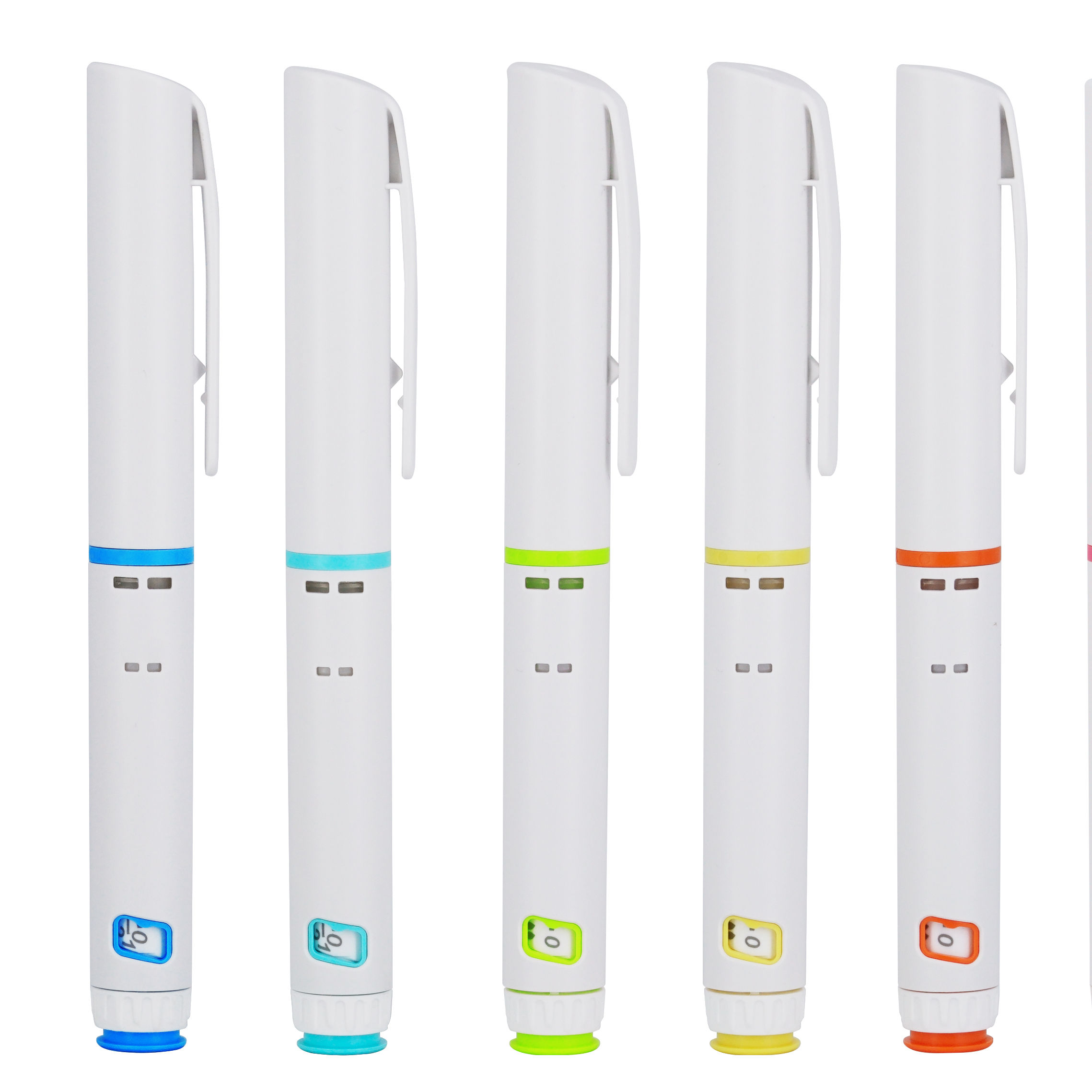
While peptide pens are generally safe when used correctly, like any skincare or health tool, there are potential risks and side effects to be aware of. Knowing what these are and how to manage them will help ensure you’re using the pen effectively and safely.
Skin Irritation: One of the most common side effects of peptide pens is skin irritation. This can manifest as redness, swelling, or itching, especially if the pen is used on sensitive skin or applied too aggressively. If you have sensitive skin or are prone to allergic reactions, start with a patch test before using the pen on larger areas.
Needle Sensitivity: Some users may experience discomfort or a mild burning sensation during or after the treatment. This is often related to the needle penetration, especially if the pen is set to a deeper level. The discomfort is usually mild, but if it persists or worsens, reduce the needle depth and consult a healthcare professional if necessary.
Infection Risk: If the peptide pen isn’t properly sanitized between uses, there’s a risk of bacterial infection. This is particularly concerning if the needle is reused without proper cleaning. Always ensure the pen is disinfected after every use, and replace the needle regularly. Never share your peptide pen with others.
Peptide Reactions: Not all peptides are compatible with everyone’s skin or body type. If you use the wrong peptide for your specific needs, or if you have an allergy to certain peptides, you could experience an adverse reaction. Some common signs of an allergic reaction include redness, hives, or itchiness. Always research the peptides you're using and consult with a dermatologist if you're unsure about their compatibility with your skin.
While most side effects from peptide pens are short-term, there are some potential long-term effects you should be aware of:
Overuse Leading to Skin Thinning: If you use the peptide pen too frequently, especially on the skin, there's a potential risk of skin thinning over time. This is most likely to occur if the needle depth is too deep or the peptide is applied too often. Microneedling (like peptide pen use) works by stimulating the skin's natural regeneration processes, but overdoing it can cause long-term damage, like weakening the skin's structure.
Unintended Muscle Growth or Fat Loss: In the case of using peptide pens for muscle repair or fat loss, some users might experience unintended side effects such as excessive muscle growth or disproportionate fat loss in certain areas. This can happen if the pen is used improperly or with the wrong type of peptide. It’s important to follow the guidelines for each peptide and avoid using it too frequently.
Hormonal Disruption: Some peptides, especially growth hormone-releasing peptides (GHRPs), can affect hormone levels in the body. If used incorrectly or without supervision, they may lead to hormonal imbalances. While this is rare, it’s essential to use caution and not overuse peptide pens, especially those targeting muscle recovery or fat loss.
If you're unsure about anything related to your peptide pen usage, it's always a good idea to consult a professional. Here are some situations where seeking guidance from a healthcare provider or dermatologist is recommended:
Pre-existing Skin Conditions: If you have a skin condition such as eczema, psoriasis, rosacea, or acne, it’s essential to consult a dermatologist before using a peptide pen. These conditions can make the skin more sensitive and prone to irritation, and your doctor may recommend specific peptides or treatment alternatives.
Underlying Health Conditions: If you have any underlying health issues, such as diabetes, autoimmune disorders, or hormonal imbalances, it’s important to get medical advice before using a peptide pen. Some peptides may interfere with certain medications or health conditions, so getting a professional’s opinion will ensure you're making a safe choice.
Allergies: If you’ve had previous allergic reactions to any cosmetic treatments or skincare ingredients, consult a dermatologist before trying a peptide pen. They can recommend patches or specific types of peptides that are less likely to trigger an allergic response.
Inconsistent Results: If you're using your peptide pen consistently and not seeing the desired results, or if you notice any adverse side effects, it may be time to consult a professional. They can help adjust the dosage, recommend a different peptide, or provide alternative treatments.
If you notice any signs of skin irritation or discomfort after using your peptide pen:
Stop using the pen immediately.
Rinse the treated area with cool water to reduce irritation.
Apply a soothing gel like aloe vera or hydrocortisone to calm the skin.
If symptoms persist or worsen, it’s important to consult a dermatologist or healthcare provider.
To minimize risks and ensure your peptide pen treatments are effective and safe, follow these best practices:
Patch Test: Before using a new peptide pen or solution, always conduct a patch test on a small area of skin. Wait 24–48 hours to see if you experience any irritation or allergic reaction.
Follow Dosage Guidelines: Stick to the recommended dosage and application frequency. Overuse can lead to side effects like skin thinning, muscle overgrowth, or hormonal imbalances.
Use Proper Needle Depth: Adjust the needle depth based on the area you’re treating. For delicate skin, such as the face, use a shallow depth. For muscle recovery or fat loss, a deeper penetration may be necessary.
Hydration and Moisturization: Keep your skin well-hydrated before and after using the peptide pen. This helps with the healing process and can reduce irritation.
Peptide pens are an excellent tool for both skincare and fitness when used properly. However, as with any powerful tool, it's essential to be aware of potential side effects and risks. By following safety protocols, maintaining proper hygiene, and consulting professionals when in doubt, you can enjoy the benefits of peptide treatments without unnecessary complications.

The frequency of use largely depends on the purpose of your treatment and the specific peptide you're using. For skincare treatments like anti-aging or collagen stimulation, most users apply the peptide pen once a week. For muscle recovery or fat loss, you might use it after workouts or 2–3 times per week, depending on the peptide and your goals. Always follow the manufacturer's instructions and avoid overuse to prevent side effects like skin thinning or irritation.
Yes, you can use a peptide pen on both the face and body, but the needle depth and peptide type may vary depending on the area you're targeting. For facial treatments, like anti-aging or skin regeneration, a shallow needle depth (around 1–2mm) is usually sufficient. For body treatments, such as muscle recovery or fat loss, a deeper needle (2–3mm) may be necessary. Make sure to choose the appropriate peptide solution for each area of the body.
Using the wrong peptide for your pen can lead to ineffective treatment, or worse, irritation or allergic reactions. Peptide pens are designed to work with specific types of peptides, and using the wrong one may prevent the active ingredients from being properly absorbed. Always check the compatibility of the peptides with your pen, and if you're unsure, consult the pen's manual or a healthcare professional.
Peptide pens are generally safe for most skin types, but there are a few things to consider:
Sensitive skin: If you have sensitive or reactive skin, start with a patch test before using the pen on larger areas. You may also need to use a lower needle depth to minimize irritation.
Pre-existing conditions: If you have skin conditions like eczema, rosacea, or active acne, consult a dermatologist before using a peptide pen. These conditions might require special care or a different approach to treatment.
If you're unsure about how your skin will react, it’s always best to speak with a skincare professional before using a peptide pen.
It's always best to consult your doctor before using any type of skincare or health product, especially during pregnancy or while breastfeeding. While peptides are generally considered safe, some peptides (like growth hormone-releasing peptides) may have effects on hormone levels that could be a concern during pregnancy or lactation. A healthcare provider can give you personalized advice based on your situation.
Peptide pens typically cause only minimal discomfort because they use fine needles designed for superficial skin penetration. However, the level of discomfort varies depending on the depth of the needle, the area being treated, and your personal pain tolerance. If you're concerned about pain, you can apply a numbing cream before using the pen, or simply adjust the needle depth for a more comfortable experience.
You should begin to see results after several treatments—usually within 2–4 weeks depending on the area and the peptide used. For skin treatments, results like smoother texture, reduced wrinkles, and firmer skin are common. For muscle recovery or fat loss, look for signs of improved muscle tone or reduced body fat. If you don’t see any noticeable improvements after using the pen as directed, it could be a sign that the pen or peptides aren’t the right fit for you, and you may need to adjust your treatment.
If you experience skin irritation, discomfort, or allergic reactions after using your peptide pen, discontinue use immediately. Gently wash the area with cool water and apply a soothing gel like aloe vera. If the side effects persist or worsen, consult a dermatologist or a healthcare professional for advice.
Peptide pens have proven to be a revolutionary tool for both skincare and fitness enthusiasts. They offer convenience, precision, and customization in delivering peptides for various purposes—from reducing wrinkles and fine lines to repairing muscles and burning fat. However, like any tool that interacts with your body, it’s crucial to use them safely and correctly to achieve the best results.


