
Views: 0 Author: Site Editor Publish Time: 2026-01-13 Origin: Site


Peptides have quietly moved from the shadows of niche medical research into the spotlight of wellness clinics, aesthetic practices, and even home-based self-care routines. Whether you’re hearing about peptides for recovery, anti-aging, metabolic health, or performance optimization, one thing is clear: peptides are no longer “experimental” curiosities. They’re mainstream tools—used, prescribed, and discussed every day.
But here’s the part most people overlook: how you deliver a peptide can be just as important as the peptide itself.
Think of it like fueling a high-performance car. Premium fuel matters, sure—but if the delivery system is flawed, leaky, or imprecise, performance suffers. The same logic applies to peptides. The method of administration directly affects safety, accuracy, comfort, consistency, and outcomes.
For decades, the traditional syringe has been the default option. It’s familiar, inexpensive, and widely available. But familiarity doesn’t always mean better. In recent years, the peptide pen has emerged as a modern alternative—designed to be safer, more precise, faster, and easier to use compared to conventional syringes.
This article takes a deep, practical look at peptide pens compared to traditional syringes, focusing on what really matters:
Safety
Precision
Ease of use
Cost
Real-world user experience
If you’re researching peptide delivery systems and wondering which option is better for you—or for your patients—this guide is designed to inform, teach, and help you decide with confidence.

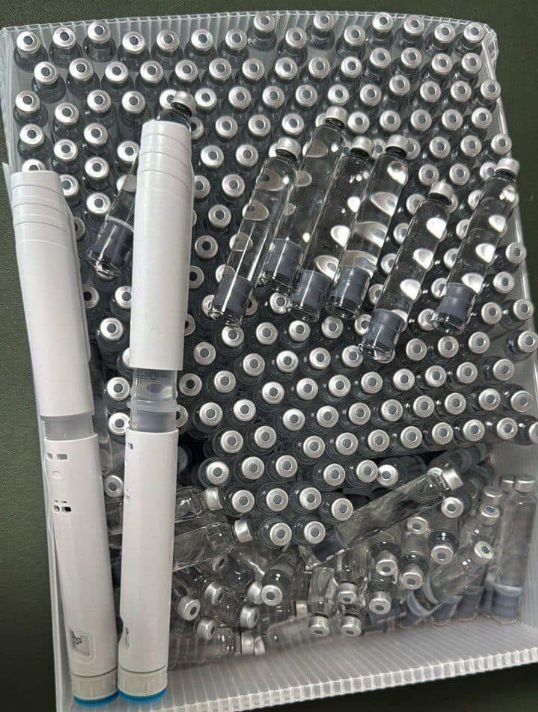
A peptide pen is a modern injection device designed specifically for precise, controlled delivery of peptides and other injectable compounds. If you’ve ever seen or used an insulin pen, the concept will feel familiar.
At its core, a peptide pen typically consists of:
A pen body that houses the mechanism
A peptide cartridge (pre-filled or refillable)
A micro-needle system, often disposable and ultra-fine
A dose-dial mechanism that allows precise measurement
Unlike traditional syringes, peptide pens are designed to minimize handling, reduce exposure to needles, and standardize dosing.
Using a peptide pen is almost intuitive:
Attach a new micro-needle
Dial the prescribed dose
Press the pen against the skin
Activate the injection with a button or trigger
The internal mechanism controls injection speed, depth, and volume. Compared to syringes, this process is faster, cleaner, and far less intimidating—especially for beginners.
Peptide pens are commonly used by:
Wellness and longevity clinics
Aesthetic practices
Hormone optimization providers
Self-administering peptide users
Beginners who want a safer, simpler option
Compared to syringes, peptide pens are often seen as lighter, smarter, and more user-friendly, particularly in non-hospital environments.
The traditional syringe is one of the oldest medical tools still in widespread use today. Its design is simple and effective:
A hollow needle
A cylindrical barrel
A plunger to draw and inject fluid
This simplicity is exactly why syringes have remained the industry standard for decades. They’re cheap, versatile, and work for almost any injectable substance.
Syringes are used everywhere:
Hospitals and clinics
Vaccinations
IV medications
Peptide and hormone injections
Research laboratories
Because they’re universal, syringes are often the first option people encounter when starting peptide therapy.
Compared to newer systems, syringes are:
More affordable upfront
Universally available
Compatible with almost all injectables
However, longevity doesn’t equal superiority. Compared to peptide pens, syringes introduce higher risks of user error, contamination, and inconsistent dosing, especially outside professional clinical settings.
One of the most immediate differences between peptide pens and syringes is needle exposure.
Most peptide pens use:
Concealed needles
Auto-retracting systems
Ultra-fine micro-needles
This design dramatically reduces accidental needle sticks. Compared to syringes, peptide pens are safer, cleaner, and less intimidating, especially for users with needle anxiety.
With syringes, the needle is fully exposed during:
Preparation
Drawing the peptide
Injection
Disposal
Compared to peptide pens, syringes carry a higher risk of accidental injury, especially for beginners or shaky hands.
Many peptide pens use:
Pre-filled cartridges
Sealed systems
Single-use needle tips
This reduces contamination risk dramatically. Compared to syringes, peptide pens are cleaner and more standardized.
With syringes, users often need to:
Reconstitute peptides manually
Handle vials repeatedly
Measure doses visually
Each step increases the risk of contamination. Compared to peptide pens, syringes rely heavily on user skill and discipline.
Most peptide pens feature:
Dose-lock mechanisms
Click-based dose adjustments
Pre-set limits
This makes overdosing harder. Compared to syringes, peptide pens are better for preventing mistakes.
Syringe dosing depends on:
Clear eyesight
Steady hands
Accurate interpretation of markings
Compared to peptide pens, syringes are more error-prone, especially for micro-dosing.
Peptides often require very small, precise doses. This is where peptide pens shine.
Peptide pens allow:
Incremental dose adjustments
Repeatable measurements
Mechanical consistency
Compared to syringes, peptide pens are stronger in precision.
Even with insulin syringes, micro-dosing can be tricky. Compared to peptide pens, syringes rely too much on estimation.
Consistency matters more than people realize.
Peptide pens deliver the same dose every time
Syringes vary based on hand pressure and angle
Compared to syringes, peptide pens are more reliable long-term.
Precision isn’t just technical—it’s clinical.
Underdosing reduces effectiveness
Overdosing increases side effects
Compared to syringes, peptide pens offer better long-term treatment stability.
Peptide pens are designed for non-clinical users. Syringes assume medical familiarity.
Compared to syringes, peptide pens are:
Faster to learn
Less intimidating
More accessible
Smaller needles, controlled depth, and smooth delivery make peptide pens less painful compared to syringes.
Psychologically, not seeing the needle makes a huge difference.
Peptide pens are:
Compact
Travel-friendly
Discreet
Syringes require:
Sharps containers
Alcohol wipes
Extra storage
Compared to syringes, peptide pens are lighter and more convenient.
| Cost Factor | Peptide Pen | Traditional Syringe |
|---|---|---|
| Initial cost | Higher | Lower |
| Long-term efficiency | Better | Worse |
| Waste | Less | More |
Compared to syringes, peptide pens are more expensive upfront but cheaper long-term for frequent users.
Syringes are easier to obtain. Peptide pens may require:
Specific suppliers
Prescriptions
Training
Compared to syringes, peptide pens face more regulatory variation.
Syringes remain useful in hospitals. But peptide pens are gaining traction in outpatient care.
Peptide pens look more professional, reduce risk, and improve client experience.
Compared to syringes, peptide pens are clearly better for beginners.
The industry is moving toward:
Safer devices
Standardized dosing
Self-administration tools
Compared to syringes, peptide pens represent the future—not the past.
Peptides are powerful tools—but only when delivered correctly.
Compared to traditional syringes, peptide pens are:
Safer
More precise
Easier to use
More comfortable
Syringes still have their place, but for peptide-specific use, the peptide pen often outperforms the syringe in every meaningful way.

| Question | Answer |
|---|---|
| What is a peptide pen used for? | A peptide pen is used to deliver precise doses of peptides safely and consistently compared to traditional syringes. |
| Are peptide pens safer than syringes? | Yes, compared to syringes, peptide pens reduce needle exposure, dosing errors, and contamination risks. |
| Are peptide pens more expensive? | Upfront, yes. Long-term, they are often less expensive due to reduced waste and better accuracy. |
| Can beginners use peptide pens? | Absolutely. Compared to syringes, peptide pens are better for beginners due to ease of use. |
| Do peptide pens hurt less? | Generally yes. Smaller needles and controlled injection make them less painful compared to syringes. |
| Are peptide pens regulated? | Regulations vary by region and peptide type. Some require prescriptions. |


