
Views: 0 Author: Site Editor Publish Time: 2025-12-19 Origin: Site


In the world of skincare, new technologies and innovative solutions are constantly being introduced to meet the growing demand for youthful, radiant skin. One of the most exciting and effective advancements in recent years has been the emergence of peptide pens. These small yet powerful devices are quickly gaining traction as essential tools for those seeking targeted skincare solutions with visible results.
So, what exactly makes peptide pens so special? And why are they rapidly becoming a staple in many skincare routines? Let’s explore the science behind them, their benefits, and why they are creating such a buzz in the beauty industry.
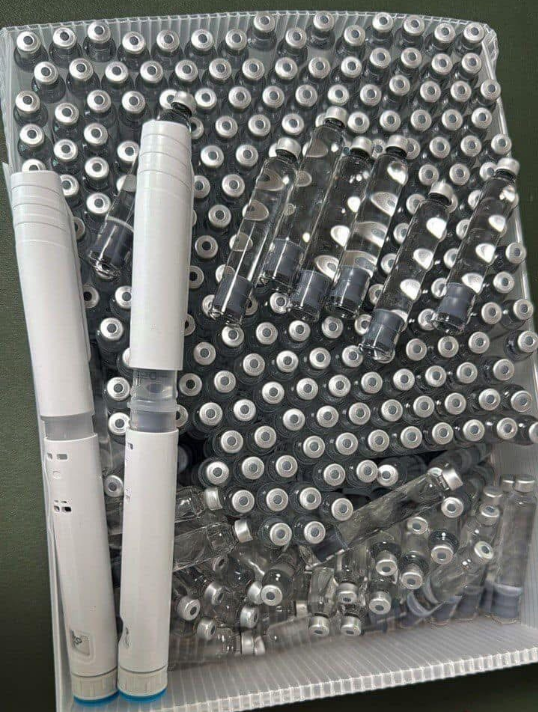
Peptide pens are handheld devices designed to deliver a precise dose of peptides directly to the skin. Peptides, which are short chains of amino acids, serve as the building blocks of proteins like collagen and elastin. These proteins play crucial roles in maintaining skin elasticity, firmness, and overall health. When peptides are applied topically, they help stimulate the skin’s natural repair processes, leading to smoother, healthier skin.
But here’s the twist: rather than just slathering a peptide serum on your face, peptide pens offer a more advanced and efficient method of application. Using a small, pen-like device equipped with microneedles, the pen gently punctures the skin’s surface, allowing the peptides to be absorbed more deeply and effectively. This process is known as microneedling or dermarolling, and it enhances the absorption of the active ingredients while stimulating collagen production.
Peptides are naturally occurring compounds made up of amino acids. They are essentially smaller versions of proteins and play a vital role in cellular communication. When it comes to skin health, peptides have several key benefits:
Collagen Production: Peptides help stimulate collagen production, which is essential for maintaining skin elasticity and reducing the appearance of fine lines and wrinkles.
Skin Repair: Peptides promote the regeneration of skin cells, aiding in the repair of damaged skin and reducing the effects of environmental stressors.
Moisture Retention: Certain peptides act as moisture-binding agents, ensuring that the skin retains hydration for a smoother, more supple appearance.
Anti-Inflammatory: Some peptides have anti-inflammatory properties, which can help soothe irritated skin and reduce redness and puffiness.
In short, peptides are the superheroes of skincare—helping your skin stay firm, smooth, and youthful by enhancing its natural processes.
When it comes to skincare, the effectiveness of a product is largely determined by how well the active ingredients penetrate the skin. Traditional serums and creams can sometimes have limited absorption, leaving a lot of the active ingredients sitting on the surface without fully penetrating the skin.
Peptide pens, however, are designed to solve this issue. The microneedling process creates tiny micro-channels in the skin, which allows for deeper penetration of the peptides. As a result, your skin gets a higher concentration of peptides directly where they are needed, enhancing the product’s effectiveness. This targeted delivery system ensures that the peptides work their magic more efficiently, leading to faster and more noticeable results.
One of the most significant benefits of peptide pens is their ability to promote skin repair and combat the signs of aging. As we age, collagen production slows down, leading to sagging skin, fine lines, and wrinkles. Peptide pens, through their microneedling action and peptide infusion, stimulate collagen and elastin production, helping to tighten and firm the skin.
The targeted treatment of peptide pens helps address specific skin concerns such as hyperpigmentation, acne scars, and fine lines. Unlike traditional serums that might be applied over the entire face, the precision of the peptide pen allows for targeted treatments that can focus on problem areas, ensuring that you get the maximum benefit where you need it most.

For Sensitive Skin: If you have sensitive skin, it’s crucial to choose a peptide pen that has adjustable needle depths or uses more gentle microneedling technology. These pens typically focus on delivering hydration and calming peptides to soothe irritation and inflammation.
For Mature Skin: Mature skin often requires more intensive treatment, and peptide pens designed for this skin type usually come with stronger microneedles that help promote collagen production and tackle deep wrinkles and sagging.
For Acne-Prone Skin: Peptide pens for acne-prone skin often incorporate peptides that not only promote healing but also have antibacterial properties to help combat breakouts. These pens may also use finer needles to reduce irritation.
When choosing a peptide pen, consider your skin type and specific concerns to ensure you select the right device for your needs.
The peptide pen market is relatively new, but there are already several reputable brands that are making waves. Some of the most trusted brands include:
Dr. Dennis Gross Skincare: Known for their high-quality devices and scientifically-backed formulations, Dr. Dennis Gross peptide pens are ideal for those seeking professional-level results.
SkinPen: SkinPen is one of the most well-known brands in the microneedling space, offering products that target anti-aging and skin rejuvenation.
Dermapen: This brand offers devices for professional use and at-home treatments, with a focus on skin repair and collagen stimulation.
Before purchasing a peptide pen, make sure to read reviews, check the ingredients, and ensure that the device is FDA-approved or certified by relevant authorities.
The skincare industry is always evolving, and the future of peptide pens looks incredibly promising. Innovations in microneedling technology are paving the way for even more precise treatments with minimal discomfort. Brands are also incorporating AI and skin analysis technology into their devices, which could lead to personalized peptide pen treatments based on individual skin needs.
As more research is conducted, we can expect to see even more potent peptides and advanced delivery systems, allowing for faster results with fewer side effects. The growing popularity of at-home treatments means that peptide pens will continue to be an essential tool in both professional and DIY skincare routines.
Peptide pens are quickly becoming a staple in modern skincare routines, and it’s easy to see why. Their ability to efficiently deliver peptides deep into the skin, combined with the skin-repairing and anti-aging benefits, make them a powerful tool for anyone looking to enhance their complexion. Whether you're battling wrinkles, acne scars, or just looking to maintain healthy skin, peptide pens offer a targeted, effective, and non-invasive solution.
In a world filled with skincare products, the peptide pen stands out as a game-changer. With continued innovation and improved technology, we can expect peptide pens to play an even more significant role in the future of skincare.

| Question | Answer |
|---|---|
| What is a peptide pen? | A peptide pen is a handheld device that uses microneedles to deliver peptides directly into the skin, improving absorption and promoting skin repair and anti-aging benefits. |
| How does a peptide pen work? | Peptide pens use microneedling technology to create tiny channels in the skin, allowing peptides to penetrate deeply and stimulate collagen production for healthier, firmer skin. |
| Are peptide pens safe to use? | Yes, peptide pens are generally safe when used correctly. However, it’s essential to follow the manufacturer’s guidelines and avoid using them on broken or irritated skin. |
| Can peptide pens help with acne scars? | Yes, peptide pens can be effective for treating acne scars by promoting skin regeneration and collagen production, which helps smooth the skin and fade scars. |
| How often should I use a peptide pen? | It depends on your skin type and the device you're using. Typically, you can use a peptide pen once a week or as recommended by the manufacturer or a dermatologist. |
American Academy of Dermatology (AAD)
Journal of Cosmetic Dermatology
Peptide Research Reviews: Applications in Skincare


