
Views: 0 Author: Site Editor Publish Time: 2025-12-18 Origin: Site


Peptides are increasingly being recognized as one of the most innovative and essential tools in the world of medicine, health, and wellness. As the demand for personalized, efficient, and cost-effective treatments grows, peptide pens have surfaced as an incredibly valuable device. This guide takes a deep dive into the peptide pen market, its technological upgrades, trends in user demand, and much more.
The peptide pen market is currently experiencing rapid growth and transformation. With the increasing interest in peptide-based therapies, the peptide pen stands at the forefront of this market. So, what exactly is a peptide pen, and why is it generating so much buzz?
A peptide pen is a device designed to deliver peptides, small chains of amino acids, directly into the body. Unlike traditional methods of peptide delivery, which often involve cumbersome and painful injections, the peptide pen is designed to be user-friendly, efficient, and minimally invasive.
As of now, the peptide pen market is booming, largely due to the rising demand for hormone replacement therapy (HRT), weight loss treatments, anti-aging solutions, and metabolic disorders management. With significant investments from pharmaceutical companies and a surge in consumer interest, the global peptide pen market is predicted to grow exponentially in the coming years.
Key market drivers:
Increased Demand for Personalized Medicine: As more individuals seek personalized healthcare solutions, peptide pens offer a convenient method for administering tailored treatments.
Technological Advancements: Peptide pens have evolved significantly in terms of ease of use, precision, and automation. This has enhanced their appeal to a wider audience.
Rising Incidence of Chronic Diseases: The growing number of conditions like diabetes, obesity, and aging-related ailments has accelerated the need for peptide-based therapies.

The evolution of the peptide pen from its early versions to the current sophisticated models has been remarkable. Technological advancements in the pen's design, functionality, and delivery mechanisms have played a critical role in making the device more accessible and reliable.
Key Technological Upgrades:
Needle-free Technology: One of the most significant advancements in peptide pen design is the move toward needle-free delivery. This upgrade reduces pain and discomfort during administration, making it a more attractive option for users.
Smart Features: Modern peptide pens now come with Bluetooth connectivity, allowing users to track their doses, set reminders, and monitor their progress using a connected mobile app. This feature enhances the overall user experience by making the process seamless and integrated with daily life.
Precision Dosing Mechanism: Technological improvements have led to more precise dosing mechanisms. This ensures that the correct peptide dosage is delivered consistently, minimizing the risk of errors.
User-Friendly Interface: Earlier models required manual adjustments, making them less user-friendly. However, the latest models feature digital interfaces, making them easy for both novice and experienced users to operate.
What makes these upgrades so exciting?
These technological advancements have made peptide pens more efficient, user-friendly, and adaptable to a wide range of healthcare needs. As these innovations continue, it is expected that more people will be encouraged to integrate peptide therapies into their health and wellness routines.
The demand for peptide pens is undergoing noticeable shifts. Consumers are increasingly looking for methods that are not only effective but also comfortable, discreet, and easy to incorporate into their daily routines.
Current Trends:
Personalized Health and Wellness: People are gravitating toward therapies that offer customized treatments tailored to their specific needs. Whether for weight loss, anti-aging, or managing chronic conditions, peptide pens allow for a high degree of personalization.
Convenience: Users are leaning toward devices that offer ease of use and portability. The growing demand for at-home treatments, especially post-pandemic, is driving the popularity of peptide pens.
Cost Considerations: Compared to traditional methods like hospital visits and expensive treatments, peptide pens offer a more affordable and accessible solution. As a result, consumers are increasingly opting for this more budget-friendly alternative.
Non-invasive Administration: As people look for less painful and invasive methods of treatment, peptide pens' ability to deliver peptide therapy without the need for deep injections is a major selling point.
As more users demand personalized, efficient, and cost-effective solutions, the peptide pen market is expected to continue evolving to meet these needs.
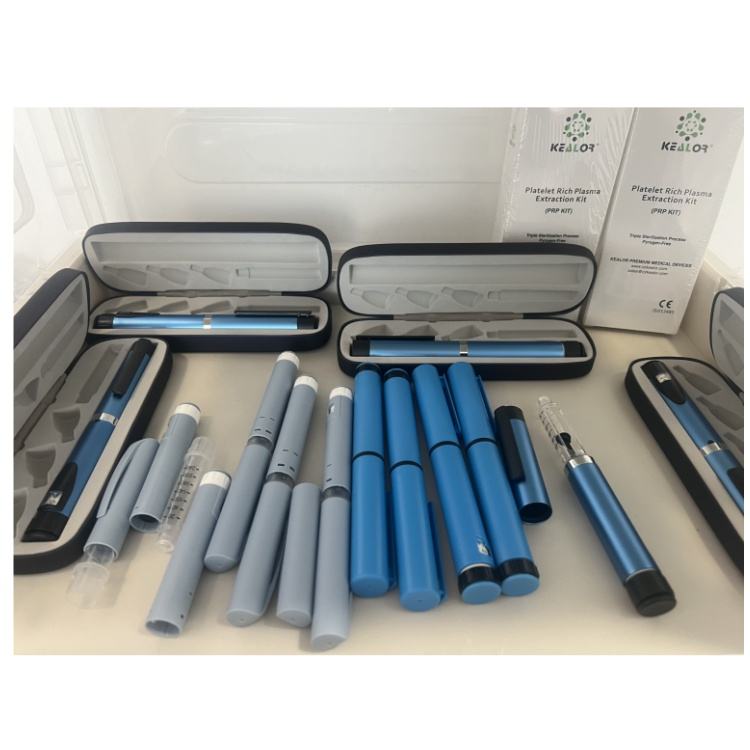
Peptide pens don’t operate in isolation—they are part of a larger ecosystem that includes biotechnology, pharmaceuticals, and medical devices. The integration of these devices with biotechnology innovations is creating a seamless experience for users.
How Biotechnology and Medical Devices are Enhancing Peptide Pens:
Biotechnology-Driven Peptides: Advances in biotechnology have led to the creation of highly specialized peptides designed to treat specific conditions like diabetes, obesity, and even cancer. These cutting-edge peptides are now being delivered efficiently through peptide pens, allowing for a targeted approach to treatment.
Smart Medical Devices: As the healthcare industry moves toward digitization, peptide pens are increasingly integrated with smart medical devices that track and monitor patient health. For example, some pens now feature sensors that automatically adjust the dose based on the user's current condition, or they sync with wearables to gather health data in real-time.
Remote Monitoring: Connected apps and devices allow healthcare providers to monitor patient progress remotely. This integration improves treatment outcomes and enhances the overall patient experience.
By integrating with biotechnology and other medical devices, the peptide pen is becoming more sophisticated and versatile, offering enhanced treatment options to users.
Peptide pens have had a profound impact on both consumers and the healthcare industry as a whole. Their influence is especially notable in the fields of personalized medicine, chronic disease management, and anti-aging treatments.
Impact on Consumers:
Empowerment: Peptide pens allow users to take control of their own health. With the ease of use and flexibility, consumers no longer have to rely on healthcare professionals for every dose.
Better Accessibility: Users can administer their treatments in the comfort of their homes, making peptide therapy more accessible to a wider population.
Improved Quality of Life: For those with chronic conditions or age-related issues, peptide therapy can significantly improve overall well-being and quality of life.
Impact on the Industry:
Shift Toward Personalized Medicine: The rise of peptide pens aligns with the broader trend of personalized healthcare, where treatments are tailored to individual needs rather than one-size-fits-all solutions.
Increased Competition: As the demand for peptide pens grows, more companies are entering the market, leading to increased competition. This competition is driving innovation and ensuring that the quality of products continues to improve.
Cost Savings for Healthcare Systems: With the ability to administer treatments at home, healthcare systems can save on costs related to hospital visits, long-term care, and medical staff.
Peptide pens are not only transforming the way patients approach their health, but also revolutionizing the healthcare industry by making treatments more affordable, personalized, and effective.
The future of peptide pens is incredibly promising, but there are still some challenges to address. Let’s take a look at the potential growth opportunities and obstacles that lie ahead.
Opportunities:
Expansion into New Therapeutic Areas: As research into peptides continues, new applications for peptide pens will emerge, including treatments for mental health, neurodegenerative diseases, and autoimmune conditions.
Increased Consumer Awareness: With the growing awareness of the benefits of peptide therapy, more consumers are likely to explore peptide pens as a viable solution for their health concerns.
Improved Customization: Future peptide pens may offer even more personalized dosing, tailoring treatments based on genetic information or real-time data.
Challenges:
Regulatory Hurdles: Like any medical device, peptide pens face regulatory scrutiny, which could slow their widespread adoption.
Cost of Peptides: While peptide pens themselves may be affordable, the peptides they deliver can be costly. Reducing the price of peptides will be key to making peptide therapy accessible to a larger population.
Consumer Education: There is still a need to educate the public on the benefits and proper use of peptide pens. As with any emerging technology, overcoming skepticism and misinformation is a major hurdle.
Despite these challenges, the future of peptide pens looks bright, with continued innovation and growing interest likely to drive their evolution.

| Question | Answer |
|---|---|
| What is a peptide pen? | A peptide pen is a device used to administer peptides (small chains of amino acids) into the body, typically for treatments related to weight loss, aging, or hormones. |
| How does a peptide pen work? | Peptide pens work by delivering a precise dosage of peptide into the body via a small needle or needle-free technology. |
| Are peptide pens painful to use? | Modern peptide pens are designed to minimize discomfort, especially with needle-free versions, making them much more user-friendly compared to traditional injections. |
| Can peptide pens be used at home? | Yes, one of the main advantages of peptide pens is that they are designed for at-home use, offering convenience and privacy. |
| Are there any side effects? | While peptide pens are generally safe, some users may experience mild side effects like redness or irritation at the injection site. It's always best to consult a doctor. |
| How much do peptide pens cost? | The cost of peptide pens varies depending on the brand, features, and peptides used. However, they are generally more affordable than traditional treatment options. |


