
Views: 0 Author: Site Editor Publish Time: 2025-12-13 Origin: Site


Peptides are short chains of amino acids that play an essential role in numerous biological processes, ranging from hormone regulation to immune system functions. For individuals looking to supplement their health or address specific medical needs, peptide therapy has become a go-to treatment. However, the method of administering these peptides is crucial in ensuring effective results.
In recent years, the peptide pen has become one of the most popular devices for delivering peptide-based therapies. But how does it compare to traditional syringes? And is it the right choice for everyone? In this article, we’ll explore the ins and outs of the peptide pen, comparing it with traditional methods, discussing its ease of use, safety, accuracy, and much more.
When it comes to peptide therapy, there are several delivery methods available. The most common options include:
Subcutaneous Injections: Peptides are typically administered through subcutaneous injections (just under the skin), making syringes the go-to device for many. Traditional syringes and needles are widely available, but there are other modern methods that might make the process more convenient.
Peptide Pen: The peptide pen is a more advanced and user-friendly alternative. It’s a portable device that simplifies the injection process, similar to insulin pens used by diabetic patients. A peptide pen usually comes with pre-filled cartridges, eliminating the need to prepare doses and reducing potential errors.
Nasal Sprays and Topical Creams: These methods are non-invasive and may be less effective for certain peptides that need to enter the bloodstream directly.
While there are several ways to administer peptides, the choice ultimately depends on factors like the peptide type, desired results, and personal preferences. For many, the peptide pen offers an easy, efficient, and safe option.
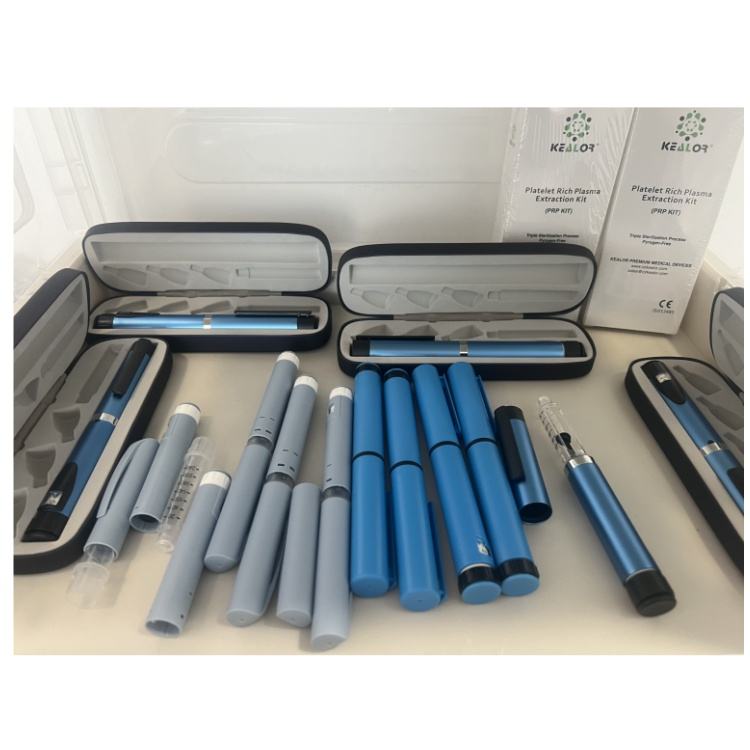
Now, let’s dive into a comparison of the peptide pen and the traditional syringe, which are the two most common methods for peptide injections.
Comparison of Peptide Pen vs Traditional Syringe
| Feature | Peptide Pen | Traditional Syringe |
|---|---|---|
| Ease of Use | Simple and easy, with automatic dose measurement | Requires manual preparation and dose measurement |
| Accuracy | High accuracy with pre-measured doses | Can be inaccurate due to manual measurement |
| Comfort | Generally less discomfort due to smaller needles | Can be uncomfortable, especially for frequent use |
| Discretion | Discreet and portable; can be used anywhere | Less discreet and harder to carry around |
| Cost | More expensive than syringes due to the device | Less expensive, as syringes are inexpensive |
| Stability | Generally stable but can be affected by storage | Peptides need to be reconstituted, reducing stability |
| Learning Curve | Minimal learning required | Requires more knowledge to ensure proper use |
Key Takeaways:
The peptide pen is more convenient and user-friendly, especially for those new to peptide therapy.
Traditional syringes are more cost-effective, but require more effort to prepare and inject the peptides correctly.
The peptide pen’s accuracy and ease of use make it an attractive choice for those who need consistency.
When it comes to ease of use, the peptide pen shines in several ways. It’s designed for simplicity, with automatic dosing mechanisms that make the process nearly foolproof. You don’t have to worry about measuring the dose, mixing peptides, or using a bulky syringe. The pre-loaded cartridges and discreet design of the pen make it easy to carry and administer the peptide therapy with minimal hassle.
On the other hand, traditional syringes require a bit more skill. Not only do you have to fill the syringe with the right amount of peptide, but you also need to ensure it’s injected properly. This adds a level of complexity, which can be intimidating, especially for newcomers.
In short: the peptide pen is a much easier, faster, and less stressful option for administering peptides.

Safety is always a top concern when considering any form of injectable medication. Let’s take a closer look at the safety and stability aspects of the peptide pen versus traditional syringes.
Peptide Pen:
Needle Safety: Peptide pens typically feature a hidden needle system that reduces the risk of needle stick injuries. The pen’s design ensures that the needle is protected before and after the injection, making it a safer option for those who are concerned about handling needles.
Storage Stability: Peptides in the pen are pre-dosed, which means they’re stored in optimal conditions. However, like most peptides, the stability of the peptide can be influenced by temperature and light exposure, so it's important to follow storage guidelines.
Risk of Contamination: With traditional syringes, there is always a risk of contamination, especially if you’re reconstituting peptides or mixing solutions yourself. This can lead to issues like infection or improper dosing.
Less Convenience: Syringes require more manual handling, which increases the potential for mistakes and safety concerns. There's also the risk of accidental needle pricks when handling syringes.
While both methods can be safe when used correctly, the peptide pen's design and features make it the safer choice for the average user.
When it comes to dosage accuracy, precision is crucial in peptide therapy. Administering the wrong dose can impact the treatment’s effectiveness and might lead to unwanted side effects.
Peptide Pen:
Peptide pens have pre-measured doses, eliminating the guesswork and ensuring that each dose is accurate. This is especially beneficial for individuals who are new to peptide therapy and might find it difficult to accurately measure doses with syringes.
With a syringe, the user is responsible for measuring and drawing up the exact dose. If the syringe isn’t filled properly or if the wrong needle is used, the accuracy can be compromised.
In summary: The peptide pen provides a higher level of accuracy than traditional syringes, which can be prone to user error.
The peptide pen is designed to cater to a variety of needs, from health-conscious individuals seeking to optimize their fitness to those undergoing medical treatment. Here are some recommended use cases:
Weight Loss and Fat Reduction: Peptide therapies like HGH peptides can help individuals looking to shed fat and improve muscle mass.
Anti-Aging Treatments: Peptides such as CJC-1295 and Ipamorelin are popular in the anti-aging community for their ability to promote collagen production and enhance skin elasticity.
Performance Enhancement: Athletes and fitness enthusiasts may use peptide therapy to improve endurance, recover faster, or increase muscle mass.
Medical Treatment: Patients with conditions such as growth hormone deficiency or those undergoing cancer treatment may benefit from peptide therapy for rebuilding tissue and improving recovery times.
So, who should opt for the peptide pen? And who might be better suited for a traditional syringe?
Beginners and New Users: If you’ve never administered peptides before, the peptide pen is a fantastic choice. Its ease of use, precision, and safety features make it perfect for those who are new to injections.
Experienced Users: For individuals who are familiar with peptide injections and are comfortable with manual syringes, a traditional syringe might still be preferable. It’s more cost-effective and can be used in more diverse settings.
Travelers or Busy Professionals: The peptide pen’s portability and ease of use make it an excellent option for those who travel frequently or have a busy lifestyle. It’s discreet, fast, and doesn’t require a lot of space.

| Question | Answer |
|---|---|
| Is the peptide pen painful to use? | Generally, the peptide pen is less painful due to its fine needle and efficient injection mechanism. |
| How accurate are peptide pens for dosing? | Peptide pens are highly accurate as they deliver pre-measured doses, reducing the chance of errors. |
| Can I travel with a peptide pen? | Yes, the peptide pen is portable and discreet, making it easy to carry while traveling. |
| Do peptide pens have side effects? | Like all medications, peptide therapy can have side effects, but they are typically mild and vary depending on the individual. |
| How long do peptide pens last? | The lifespan of the peptide pen depends on the specific product and frequency of use, but most are designed for multiple uses. |
When comparing peptide pens to traditional syringes, it’s clear that the peptide pen offers numerous advantages in terms of ease of use, accuracy, and safety. While traditional syringes may still be a viable option for some
, the peptide pen is undeniably a more modern, efficient, and user-friendly alternative for those looking to incorporate peptide therapy into their daily routine.
No matter your level of experience, the peptide pen simplifies the process and delivers reliable results, making it an excellent choice for anyone seeking to improve their health, performance, or overall well-being.


