
Views: 0 Author: Site Editor Publish Time: 2025-12-11 Origin: Site


Peptides are no longer just a buzzword in medical journals or biotech conferences. They’ve quietly slipped into everyday conversations about health, longevity, and advanced therapies. And right at the center of this shift sits a surprisingly simple but powerful tool: the peptide pen.
If you’ve ever wondered why peptide delivery methods are changing, or why so many professionals are switching compared to traditional syringes, you’re in the right place. Let’s unpack everything—slowly, clearly, and honestly—without jargon overload or marketing fluff.

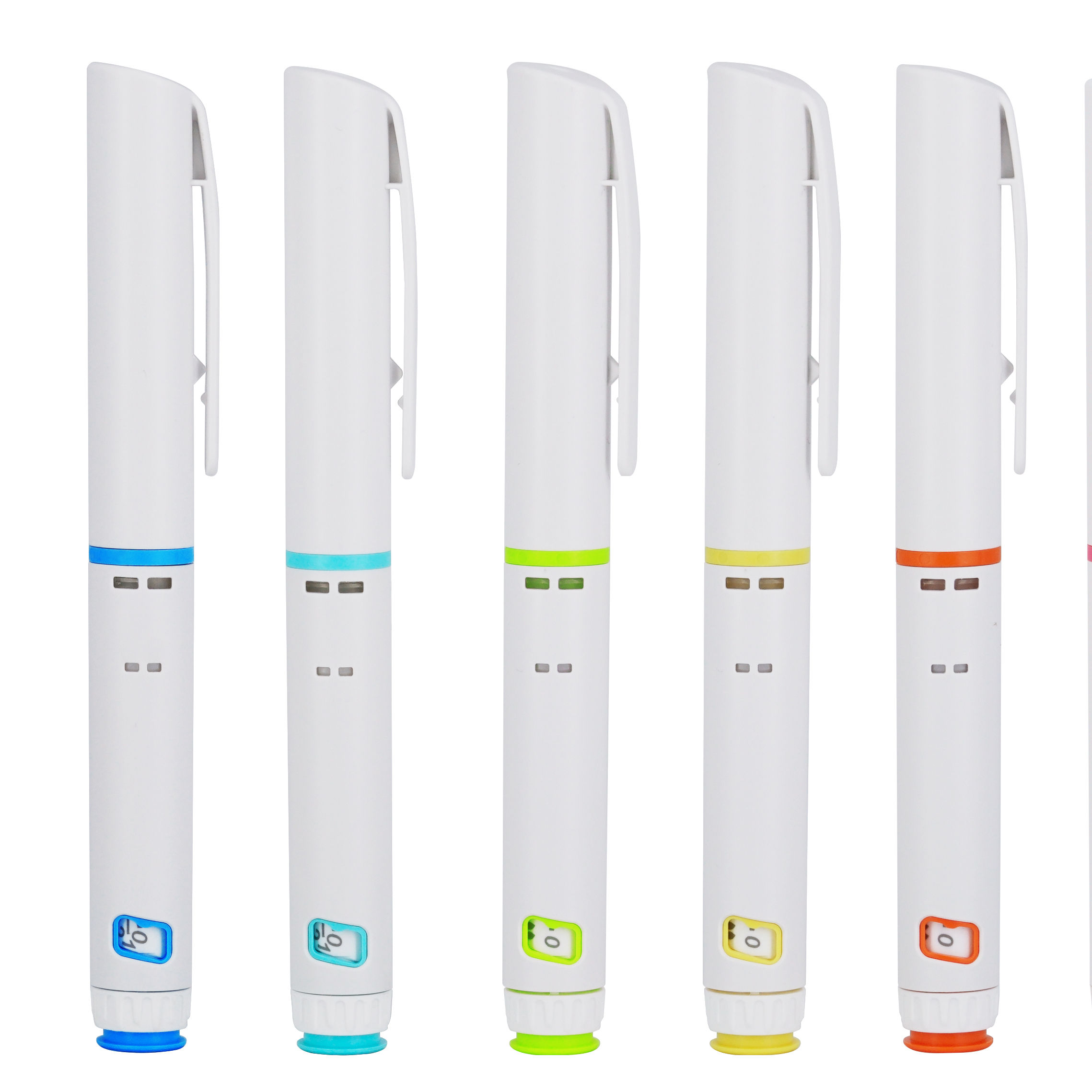
A peptide pen is a specialized injection device designed to deliver peptide compounds in a controlled, precise, and user-friendly way. Think of it like the evolution of the old syringe—lighter, smarter, and far more approachable.
At its core, a peptide pen is a pre-calibrated injection device that allows users to administer peptides subcutaneously (just under the skin) with high accuracy. Compared to traditional injection tools, peptide pens are:
Better for dose precision
Faster to prepare and use
Lighter and more portable
Less intimidating for new users
Instead of drawing liquid from a vial with a needle—hoping your math is right—the pen often uses preset dosing mechanisms. You dial, inject, and move on with your day.
The rise of peptide pens didn’t happen overnight. It’s tied directly to three major industry shifts:
The explosion of peptide research
The consumerization of healthcare tools
Demand for safer, more consistent self-administration
In the past, peptides were mostly confined to labs and hospitals. But compared to earlier decades, peptides are now widely researched for metabolic health, tissue repair, immune modulation, and aging-related processes. As peptide use expanded beyond clinics, the delivery method had to evolve too.
Traditional syringes are effective, yes—but they’re also error-prone, slower, and psychologically intimidating. The peptide pen emerged as a better and safer compromise between professional precision and consumer usability.
Understanding how a peptide pen works is surprisingly straightforward once you break it down. Think of it like a mechanical translator—it converts a measured intention (dose selection) into a precise physical action (delivery under the skin).
Most peptide pens rely on three integrated systems:
Dose-setting mechanism
Cartridge or reservoir system
Fine-gauge needle assembly
Compared to syringes, where human error plays a large role, the pen’s internal mechanics do the heavy lifting.
Dose Selection
You dial the dose using a mechanical click system. Each click corresponds to a specific volume.
Needle Insertion
The needle is ultra-thin—much thinner compared to standard hypodermic needles.
Controlled Injection
When activated, the pen delivers the peptide at a steady rate. This is faster and more consistent compared to manual injection.
Automatic Retraction or Safety Lock (in some models)
This reduces accidental needle sticks and contamination risks.
Precision isn’t just a technical advantage—it’s a biological one. Peptides are often active at very small doses. Delivering slightly more or less can change outcomes.
Compared to traditional injection methods, peptide pens are stronger in consistency, better in reproducibility, and safer for long-term use, especially in research and health management settings.
Peptide pens didn’t gain popularity by accident. Their design directly aligns with real-world needs across multiple disciplines.
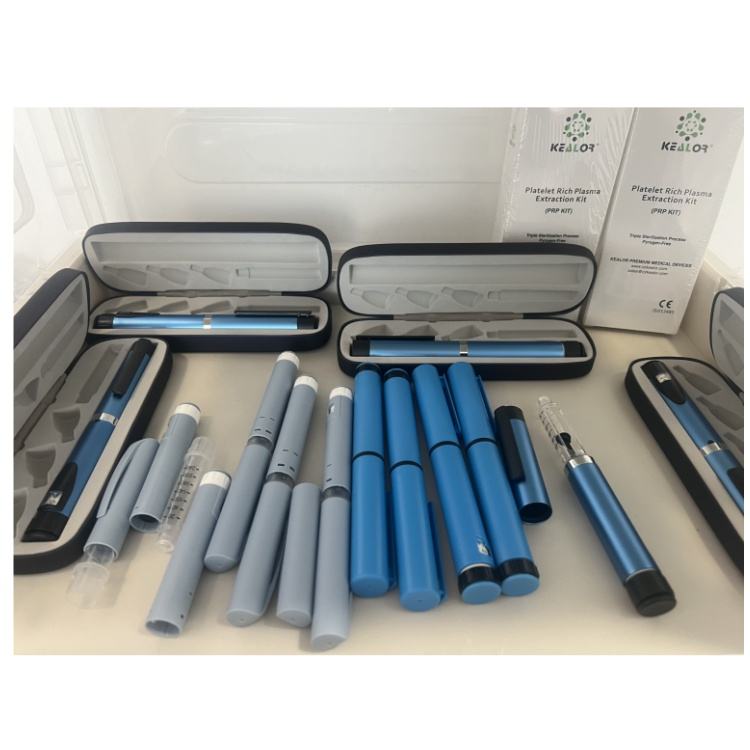
In medical research, consistency is king. A peptide pen offers something researchers crave: repeatability.
Compared to syringes, peptide pens provide:
Better dose accuracy
Faster administration during trials
Lower variability between subjects
Cleaner documentation of dosage
Imagine running a long-term study where dosage drift slowly skews results. That’s a nightmare scenario. Peptide pens help eliminate that risk.
Peptide pens are increasingly used in:
Metabolic disorder research
Hormonal signaling studies
Regenerative medicine trials
Compared to older tools, pens are less expensive over time because they reduce waste, re-dosage, and protocol deviations.
This is where peptide pens have become almost mainstream.
Let’s be honest—people want tools that fit into real life. Compared to bulky syringes and medical prep kits, peptide pens are:
Lighter to carry
Faster to use
More discreet
For individuals managing wellness routines, consistency matters more than complexity.
Many users report that peptide pens feel:
Less painful compared to traditional needles
Mentally easier to use
More empowering
It’s like switching from a manual transmission to an automatic car. Both work, but one is clearly easier for daily use.
That said, peptide pens are not magic wands.
Potential downsides compared to other methods include:
Slightly more expensive upfront
Limited compatibility with certain peptide formulations
Risk of overconfidence leading to misuse
Responsible use, proper education, and professional guidance still matter.
In biotech labs, time equals money.
Peptide pens streamline workflows by:
Reducing preparation steps
Minimizing contamination risks
Allowing faster protocol execution
Compared to manual injections, this translates to faster experiments, stronger data reliability, and better scalability.
When multiple technicians are involved, human variability becomes a problem. Peptide pens act as a mechanical equalizer, ensuring everyone delivers peptides the same way.
Let’s address the comparison directly.
| Aspect | Peptide Pen | Traditional Syringe |
|---|---|---|
| Accuracy | Better and more consistent | Operator-dependent |
| Speed | Faster | Slower |
| Ease of Use | Much easier | Steeper learning curve |
| Cost | More expensive initially | Cheaper upfront |
| Safety | Stronger safeguards | Higher error risk |
It depends on context.
For long-term or repeated use, peptide pens are clearly better.
For short-term or low-budget scenarios, syringes may still win on cost.
Not everyone needs a peptide pen—but many people benefit from one.
Peptide pens are particularly suitable for:
Medical researchers
Health optimization enthusiasts
Anti-aging program participants
Biotechnology professionals
First-time users without guidance
Individuals sensitive to injections
Anyone seeking a “set-and-forget” solution
Compared to professional supervision, self-directed use carries higher responsibility.
| Question | Answer |
|---|---|
| What is a peptide pen used for? | A peptide pen is used to deliver peptide compounds accurately and safely compared to traditional syringes. |
| Is a peptide pen better than a syringe? | In most cases, yes. It is faster, easier, and more consistent, though more expensive upfront. |
| Are peptide pens safe for long-term use? | When used correctly and under guidance, peptide pens are considered safe. |
| Do peptide pens hurt less? | Most users report less discomfort compared to standard injections. |
| Can beginners use peptide pens? | Yes, but education and supervision are strongly recommended. |
| Are there side effects? | Side effects are usually related to the peptide itself, not the pen, though improper use can cause issues. |


