
Views: 0 Author: Site Editor Publish Time: 2025-11-10 Origin: Site


When working with any fine steroid powder— whether it’s a nutritional supplement, pharmaceutical intermediate, or laboratory reagent — proper handling can make or break the material’s stability and safety. These powders are often sensitive to moisture, light, and heat, which can cause them to degrade or lose effectiveness.
Many people underestimate how environmental factors like humidity can clump steroid powder or cause unwanted chemical changes. Others may use containers that let in air or fail to label batches properly. These small oversights can lead to wasted product or even contamination.
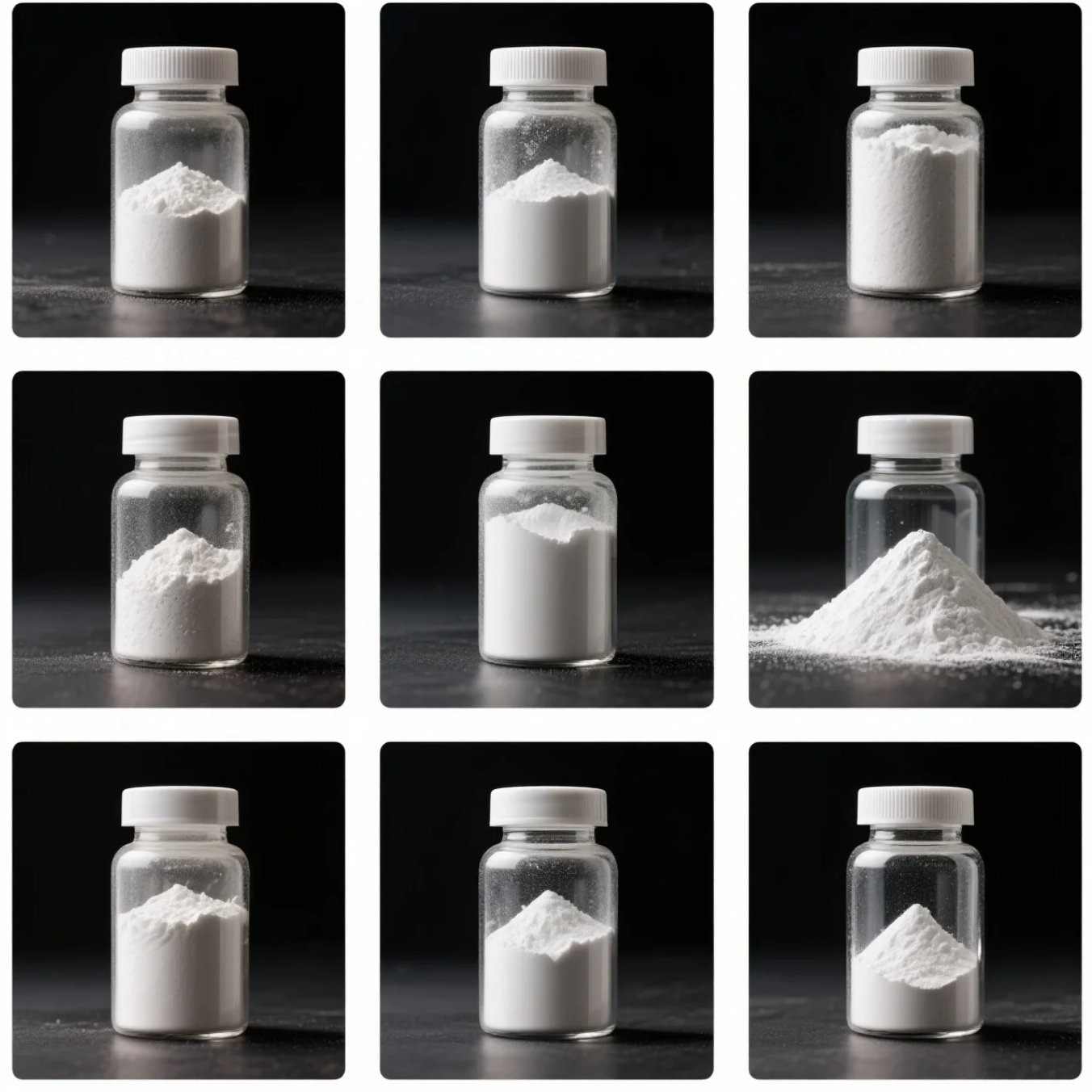
Chemical steroid powder used in research or compounding are typically crystalline or amorphous solids with specific purity standards. Their chemical stability depends on how molecules interact with oxygen, moisture, or UV light.
For instance, even a tiny amount of moisture absorbed over time can cause hydrolysis — a reaction that breaks down active ingredients. Similarly, exposure to strong light or warm air can cause oxidation or discoloration. Once the chemical integrity is compromised, the powder may no longer perform as expected in analytical or formulation work.
| Factor | Recommendation | Why It Matters |
|---|---|---|
| Temperature | Store at stable room temperature (15–25°C) or as specified on label | Prevents melting, decomposition, and condensation |
| Humidity | Keep under 50% relative humidity | Prevents clumping, hydrolysis, and microbial growth |
| Light | Use amber or opaque containers | Protects light-sensitive compounds from UV degradation |
| Air Exposure | Use airtight containers | Prevents oxidation and contamination |
The best containers are airtight glass jars or high-grade HDPE bottles. Use vacuum sealing or nitrogen flushing for highly sensitive materials. Including desiccant packets helps keep the environment dry.
Always label each container with the substance name, lot number, and date received or opened. For long-term projects, record any environmental deviations — these notes are useful for quality control.
For steroid powder that must last months or years, a cool, dark, and stable environment is key. Refrigeration can slow down chemical reactions, but it’s not always ideal — repeated cooling and warming can cause condensation inside containers.
Freezers can be used for highly stable compounds, provided the steroid powder is well-sealed in multiple layers to prevent moisture ingress. When in doubt, always follow the manufacturer’s material safety data sheet (MSDS) or storage guidance.
Always wear gloves, a lab coat, and a dust mask when handling powders. Even inert materials can irritate the respiratory tract if inhaled. Work on a clean, stable surface with minimal air movement to prevent accidental dispersion.
Precision is crucial when weighing steroid powder for analytical or formulation use. Use a calibrated digital balance and handle small amounts with an anti-static spatula.
Avoid reusing tools without cleaning them thoroughly — even trace residues from other substances can affect results.
If a steroid powder is to be dissolved in a solution for lab testing, always use sterile equipment and filtered solvents. Solutions must be labeled clearly with preparation and expiration dates. Never reuse old solutions without confirming stability and sterility.
| Mistake | Why It’s a Problem | Better Practice |
|---|---|---|
| Leaving container open | Moisture and air exposure cause degradation | Close immediately after use |
| Using metal scoops for reactive powders | Risk of unwanted reactions | Use plastic or ceramic spatulas |
| Storing in clear containers | UV damage to light-sensitive compounds | Use amber or opaque bottles |
| Ignoring desiccant replacement | Moisture builds up over time | Replace silica packets every few months |
Visual and sensory checks can reveal much about steroid powder quality:
Color change — yellowing or darkening often signals oxidation.
Clumping or caking — usually due to moisture.
Unusual odor — a sign of contamination or decomposition.
If you notice any of these signs, do not use the material. Dispose of it following local chemical waste guidelines.
Always source steroid powder from reputable suppliers with verified certificates of analysis (COA).
Keep a storage log — note the date received, opened, and checked.
Use secondary containment like dark boxes or cabinets to protect from light and temperature swings.
Never mix or repackage without clear labeling.
Follow all safety data sheet (SDS) recommendations for storage, transport, and disposal.
Proper handling of laboratory and pharmaceutical steroid powder ensures they remain stable, effective, and safe for legitimate research or industrial use. By maintaining consistent temperature, humidity, and cleanliness, you protect both your results and your safety. Think of it like caring for a living organism — steroid powder “breathe,” react, and age, and the way you store them determines how long they last.

| Question | Answer |
|---|---|
| How long can powders be stored safely? | Most stable powders last 1–3 years under dry, cool, and dark conditions. Always check manufacturer guidance. |
| What’s the ideal humidity level for storage? | Below 50% relative humidity, ideally around 30–40%, to prevent clumping and hydrolysis. |
| Can refrigeration improve shelf life? | Sometimes — but only if sealed tightly to prevent condensation. Room temperature is safer for many materials. |
| What should I do if powder color changes? | Discontinue use and dispose of it according to your institution’s waste policy. Color change often means chemical degradation. |
| Do I need to label homemade storage containers? | Absolutely. Include compound name, lot number, and date opened to ensure traceability. |


