
Views: 0 Author: Site Editor Publish Time: 2025-11-09 Origin: Site


For chemical distributors and pharmaceutical suppliers, ensuring the quality and purity of steroid powder is critical. In a market where raw materials determine the reliability of downstream formulations, identifying high-quality steroid powder can make or break your reputation as a trusted supplier. This article provides practical insights for traders to evaluate, verify, and maintain the integrity of steroid raw materials before entering global markets.
The purity of a steroid powder directly impacts the efficacy, safety, and stability of the final product. Low-purity powders may contain residual solvents, contaminants, or incorrect isomers, all of which can lead to compliance failures or customer complaints.
For traders, selling substandard materials not only affects credibility but may also violate GMP (Good Manufacturing Practice) standards.

When assessing steroid powder, pay close attention to:
Appearance: should be uniform, fine, and white/off-white with no visible clumps or discoloration.
Odor: neutral or slightly chemical, not sour or burnt.
Solubility and Melting Point: should match product specifications and COA data.
Assay/Purity Level: ideally ≥ 98% for most pharmaceutical-grade materials.
Moisture Content: should be less than 1% to prevent degradation during storage.
Each parameter contributes to confirming the authenticity of the raw powder.
Reliable testing ensures that the powder meets international quality standards. Common analytical methods include:
HPLC (High-Performance Liquid Chromatography): quantifies purity and identifies impurities.
GC (Gas Chromatography): detects residual solvents.
IR and UV Spectroscopy: confirms molecular structure.
Microbial Testing: ensures the material is free from biological contamination.
Always request test reports from accredited laboratories to validate claims.
A COA is a key quality assurance document that verifies batch consistency and compliance with specifications. Before purchase or shipment, ensure that the COA includes:
Product name and CAS number
Batch or lot number
Test results for purity, moisture, and identification
Lab signature and issue date
Compliance statement with GMP or ISO standards
Suppliers unwilling to provide a COA or authentic lab data should be treated as high-risk.
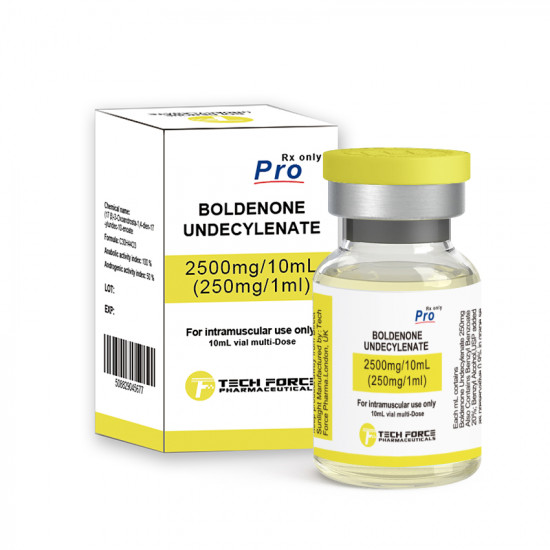
To avoid counterfeit or low-quality materials:
Work only with GMP-certified or ISO-accredited manufacturers.
Request sample testing before bulk orders.
Check for consistent labeling and secure packaging.
Verify the supplier’s export records and customer references.
Establishing long-term relationships with verified factories minimizes risks in the supply chain.
Even the best-quality powder can degrade under poor storage conditions. Maintain optimal conditions by:
Keeping the powder in sealed, light-resistant containers
Storing at controlled room temperature (20–25°C)
Avoiding exposure to humidity or open air
Conducting regular shelf-life checks based on manufacturer guidelines
Proper storage preserves chemical stability and ensures consistent performance.
For chemical traders, recognizing high-quality steroid powder is a critical skill that combines laboratory verification, supplier evaluation, and storage discipline. By adopting standardized testing methods and partnering with reputable producers, your business can maintain product integrity and strengthen its global competitiveness in the steroid raw materials market.


