
Views: 0 Author: Site Editor Publish Time: 2025-12-15 Origin: Site


If you’ve been exploring peptides or simply want to know more about peptide pens, you’re in the right place. Peptide pens are becoming increasingly popular for their precision and convenience in administering peptides, whether for research or medical purposes. But, with so many options out there, it’s easy to feel overwhelmed. Which one should you choose? What parameters matter? And how do you know which one is right for your needs?
In this comprehensive guide, we’ll dive deep into the world of peptide pens, from the different types available to how to choose the perfect one, and even tips on getting the most out of it. So, grab your favorite beverage and get comfy—we’re about to unpack everything you need to know.
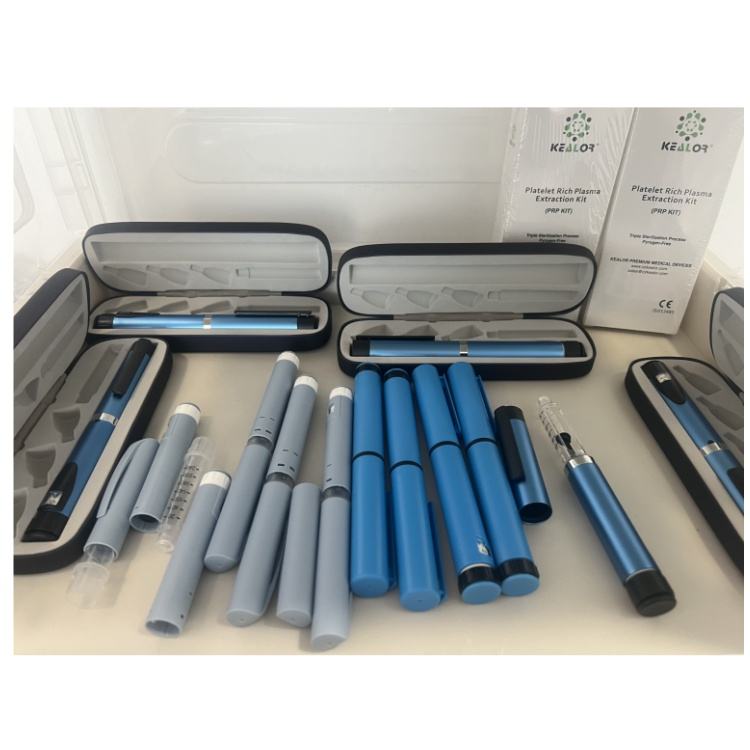
Before diving into the specifics, let's start by understanding the different types of peptide pens that are currently available. Whether you are looking for a peptide pen for personal use or research, the options differ based on design, functionality, and intended purpose. Here are the main types you'll encounter:
Standard Peptide Pens: These are the most basic and commonly used. They offer a simple delivery mechanism where the peptide is injected directly into the body. They are usually disposable and come pre-loaded with peptides, ensuring ease of use without the hassle of measuring doses.
Adjustable Dose Peptide Pens: These pens come with a feature that allows users to adjust the dose based on their specific needs. This makes them a preferred choice for more precise control over peptide administration.
Pen Injectors with Pre-filled Cartridges: These pens have a replaceable cartridge that contains a single or multiple peptide solutions. When the cartridge runs out, it can be swapped for a new one. This is an excellent option for those who need continuous use of peptides over time.
Medical-Grade Peptide Pens: Designed for use in clinical or therapeutic settings, medical-grade pens offer a high degree of accuracy and are built to handle more delicate peptide solutions. These pens are typically used for conditions that require consistent, regulated dosing.
Research-Grade Peptide Pens: Used primarily by scientists, researchers, and lab technicians, research-grade peptide pens are usually designed for more controlled environments where precision is paramount. They often have more customizable features to meet the specific needs of peptide research.
Each type has its pros and cons, but the key difference lies in the complexity and purpose they serve.
When you’re choosing a peptide pen, there’s more to think about than just price. You need to consider several key parameters to ensure that the pen you pick will suit your needs. Let's explore these factors in detail:
2.1 Dose Range
The dose range is arguably one of the most crucial factors when selecting a peptide pen. Some peptide pens allow for precise dosing adjustments, whereas others are limited to a fixed dosage. Depending on how much of the peptide you need to administer, the dose range can play a critical role in the accuracy and efficiency of the pen.
Wide Dose Range: If you require varying doses over time, it’s better to choose a pen that offers flexibility in dosing. Adjustable dose pens allow for fine-tuning, ensuring you get the exact amount you need.
Fixed Dose: If your peptide regimen requires a consistent dosage, a pen with a fixed dose might be more suitable. These pens are simpler to use, and there's no need to worry about adjusting the amount every time.
The material and structure of the peptide pen affect both its durability and ease of use. Most peptide pens are made from high-quality plastic or medical-grade materials. Some pens have a metal exterior for added strength.
Plastic Pens: Lightweight and easy to handle, plastic pens are affordable and commonly used for everyday applications. They’re generally safe but may not be as durable as metal-based pens.
Metal Pens: These are often more durable and may provide a more comfortable grip. They are typically seen in medical-grade pens or research-grade pens where precision and durability are required.
In addition, the structure and ergonomics of the pen matter—some pens are designed to be easier to grip, while others prioritize ease of injection.
Not all peptide pens are compatible with every type of peptide. Compatibility is another vital factor, especially when dealing with specific peptides that have unique requirements. Peptide pens are generally designed to be used with a specific range of peptides, so it’s essential to ensure that the pen you choose works with the peptides you plan to use.
For example, a pen designed for insulin peptides might not work as effectively with synthetic growth hormone peptides, as the molecular size and concentration may vary. Always check the compatibility before making a purchase.
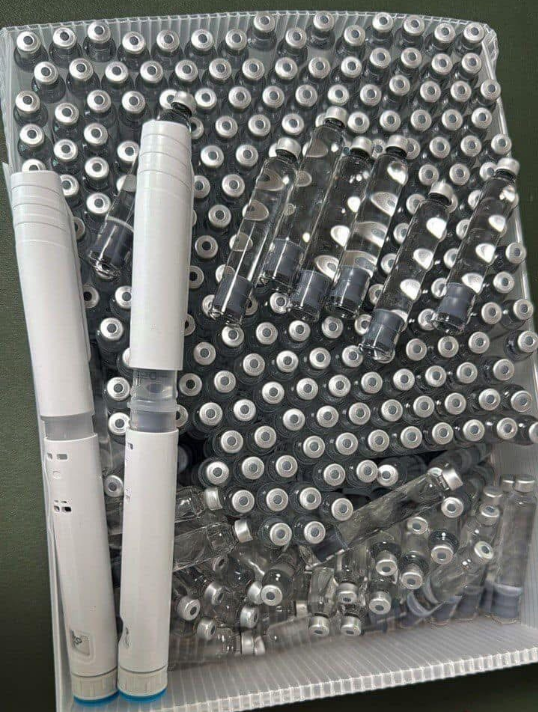
Now, let’s talk about the difference between medical-grade and research-grade peptide pens. This is an important distinction, especially if you're considering a pen for clinical purposes or scientific research.
Medical-Grade Peptide Pens: These pens are typically used by healthcare professionals and patients for therapeutic applications. They are designed with higher precision and often comply with strict medical standards. Medical-grade pens tend to be more expensive, but they offer superior reliability, accuracy, and safety, especially when injecting substances into the human body.
Research-Grade Peptide Pens: On the other hand, research-grade peptide pens are used mainly in laboratory and research settings. While they may also offer precision, they are designed with flexibility in mind. Researchers may need to use a variety of peptide solutions, which requires pens that are adaptable to different peptide properties. Research-grade pens may not undergo the same rigorous testing or regulations as medical-grade pens, but they provide more flexibility for experiments.
Choosing the right peptide pen depends entirely on your usage needs. Whether you’re a patient, researcher, or simply someone curious about peptide therapies, you need to consider your specific situation when picking a pen. Let’s break down the best solutions for different use cases:
For Personal Health and Wellness: If you're using peptides for personal health (e.g., anti-aging, fitness), a simple, adjustable-dose pen would suffice. These pens are easy to use, affordable, and practical for home use.
For Research and Clinical Trials: If you're in research or conducting clinical trials, a research-grade pen would offer the most versatility. These pens are designed to handle a variety of peptides and offer greater accuracy.
For Medical Applications: For therapeutic use (e.g., hormone replacement), it's best to use medical-grade peptide pens. They provide consistent dosing and are specifically designed for human safety.
Let’s face it, price matters. No one wants to overspend, especially when there are so many options on the market. But when it comes to peptide pens, the price tag can vary significantly depending on the type, features, and materials used.
Budget Options: For those on a budget, standard or research-grade peptide pens tend to be more affordable. They’re great for basic peptide administration but may lack the high-end features that some users need.
Mid-Range: If you need something more precise but don’t want to spend a fortune, mid-range pens are a good compromise. These pens usually offer adjustable doses and are built to last without the hefty price of a top-tier medical-grade pen.
Premium Medical-Grade Pens: For clinical or therapeutic use, expect to pay more. Medical-grade pens are made with high-quality materials and undergo more stringent quality control, making them more expensive. However, their added cost can be worth it for the consistency and safety they provide.
When comparing the overall cost-effectiveness, consider factors like durability, ease of use, and how often you’ll need to replace or refill the pen.
| Question | Answer |
|---|---|
| How long does a peptide pen last? | The lifespan of a peptide pen depends on the type and usage. Generally, a single pen lasts from a few weeks to a couple of months. |
| Can I use any peptide with any pen? | No, always ensure that the pen is compatible with the specific peptide you plan to use. Check manufacturer guidelines for compatibility. |
| Are there any side effects of using peptide pens? | Side effects vary based on the peptide used. Common side effects might include irritation or inflammation at the injection site. Always consult a healthcare provider. |
| How do I clean a peptide pen? | Follow the manufacturer’s instructions carefully. Some pens are disposable, while others may need periodic cleaning. |
| Are peptide pens safe to use at home? | Yes, if used properly and with appropriate training. It’s important to follow dosing guidelines and seek professional advice if necessary. |


