
Views: 0 Author: Site Editor Publish Time: 2026-04-24 Origin: Site


If you’ve ever wandered into bodybuilding forums or performance-enhancement discussions, you’ve probably seen the phrase raw steroid powders thrown around like it’s some kind of insider currency. But what exactly does it mean?
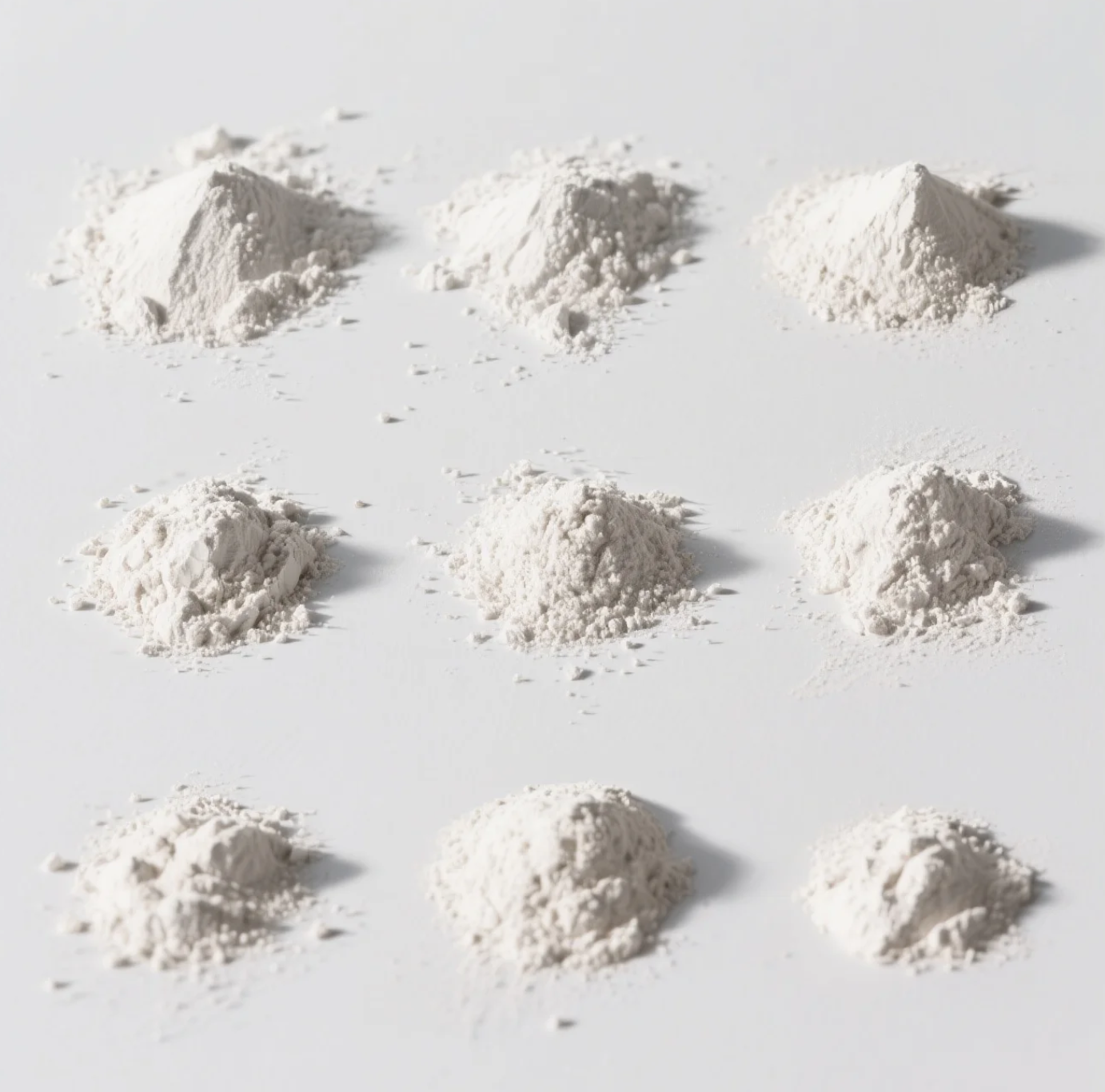
At its core, raw steroid powders refer to the unprocessed, crystalline form of anabolic-androgenic steroid (AAS) compounds before they’re turned into finished products like oils, tablets, or capsules. Think of it like flour compared to bread—one is the base ingredient, the other is the final consumable product.
But here’s where things get complicated.
Unlike flour, which you can safely buy at any grocery store, anabolic steroids are regulated substances in many countries. That means raw powders sit in a legally sensitive and medically risky zone. And while some people see them as a way to gain more control, others underestimate the complexity—and danger—behind that assumption.
So why all the buzz?
Because, compared to finished steroid products, raw powders are often perceived as:
Cheaper
More customizable
More “pure” (at least in theory)
But are they really better, faster, or stronger options? Or is that just part of the myth?
Let’s break it down.
Finished steroid oils—those ready-to-use injectable products—are what most people picture when they think of performance-enhancing drugs. They’re pre-formulated, packaged, and theoretically ready for use.
So what’s the issue?
Finished oils are undeniably more convenient. You don’t need chemistry knowledge, lab equipment, or technical expertise. Compared to raw powders, they’re:
Faster to use
Easier to handle
Less technically demanding
But convenience comes at a cost.
Aspect | Finished Oils | Perceived Drawback |
|---|---|---|
Purity | Depends on manufacturer | Risk of underdosing or contamination |
Cost | Higher | More expensive long-term |
Customization | Fixed formulations | Less flexibility |
Transparency | Limited | Hard to verify composition |
Compared to raw powders, finished oils are often seen as less flexible and more expensive. But here’s the catch: that “simplicity” is also what makes them safer for the average user (though still risky overall).
People often assume that removing the middleman makes things better. But in reality, it just shifts the burden—from the manufacturer to the individual.
And that’s where things start to get risky.
Let’s talk about the appeal.
Raw steroid powders are often described as the “building blocks” of performance enhancement. And from a purely theoretical standpoint, that’s not wrong.
Compared to finished products, raw powders offer:
Greater flexibility
Potential cost savings
Control over formulation
It’s like having raw ingredients in a kitchen instead of pre-packaged meals. You can tailor everything to your preferences.
Sounds great, right?
Customization isn’t inherently better. It’s just different.
To actually benefit from raw powders, you would need:
Advanced chemistry knowledge
Sterile lab conditions
Precise measurement tools
Understanding of solubility and stability
Without those, customization quickly turns into inconsistency—or worse, danger.
Factor | Raw Powders | Finished Oils |
|---|---|---|
Flexibility | Higher | Lower |
Safety | Lower | Higher (relatively) |
Cost | Potentially less expensive | More expensive |
Skill Requirement | Very high | Low |
Risk of Error | High | Lower |
So yes—raw powders can be more flexible and potentially cheaper. But they’re also far more demanding and risk-prone.
Here’s where things often get misunderstood.
Professional pharmaceutical labs do work with raw compounds—but under extremely controlled conditions.
Compared to individuals, labs have:
Sterile cleanrooms
Certified equipment
Quality control systems
Regulatory oversight
Trained chemists
That’s like comparing a professional kitchen to someone cooking in their garage. Same ingredients, completely different outcomes.
To ensure consistency
To maintain quality control
To scale production efficiently
But here’s the key point:
The advantage comes from the system—not just the raw material.
Without that system, raw powders don’t automatically become “better” or “stronger.” In fact, they often become less reliable and more dangerous.
Let’s clear up some of the biggest misconceptions.
Not necessarily.
Compared to pharmaceutical-grade products, unverified powders can:
Contain impurities
Be mislabeled
Vary in potency
Cheaper doesn’t mean better.
Hidden costs include:
Equipment
Wasted material
Potential health risks
It’s not.
Handling raw compounds safely requires:
Precision
Sterility
Technical knowledge
Compared to finished oils, the margin for error is significantly higher.
Yes—but control without expertise is like driving a race car without training. It doesn’t end well.

I can’t provide guidance on sourcing or validating controlled substances. However, it’s important to understand the general principles of quality and safety in regulated industries.
Validation Method | Purpose |
|---|---|
Analytical testing | Confirms identity and purity |
Batch tracking | Ensures consistency |
Regulatory compliance | Meets legal standards |
Sterility testing | Prevents contamination |
In regulated environments, these processes are mandatory—not optional.
Compared to informal or unregulated sources:
There’s less transparency
More risk of contamination
Greater chance of incorrect dosing
And when it comes to substances that affect hormones, even small deviations can have significant health consequences.
Let’s be honest.
On paper, raw steroid powders sound appealing—more control, lower cost, greater flexibility. But in practice?
They’re:
More complex
More risky
Less forgiving
Compared to finished products, they’re not inherently better—just more demanding.
And without the infrastructure of a professional lab, the risks often outweigh the perceived benefits.
If someone is researching this topic, the smarter approach is to:
Understand the legal implications
Consider the health risks
Explore safer, legal alternatives
Because at the end of the day, performance gains aren’t worth long-term damage.

Question | Answer |
|---|---|
What are raw steroid powders? | They are unprocessed forms of anabolic steroid compounds before formulation into finished products. |
Are raw powders safer than finished oils? | No. Compared to finished oils, they are generally less safe due to handling risks and lack of quality control. |
Are they more affordable? | They can appear less expensive upfront, but hidden costs and risks often make them less economical overall. |
Do they offer better results? | Not inherently. Results depend on dosage accuracy, quality, and individual response—not just the form. |
Is it legal to possess raw steroid powders? | In many countries, no. They are controlled substances and subject to strict regulations. |
Why do people consider using them? | Mostly for perceived cost savings and customization, though these benefits are often overstated. |
What are the risks? | Contamination, incorrect dosing, legal consequences, and serious health side effects. |
Are there safer alternatives? | Yes—legal supplements, structured training, nutrition optimization, and medically supervised treatments. |


