
Views: 0 Author: Site Editor Publish Time: 2025-11-21 Origin: Site


Have you ever stumbled across a shady advertisement spinning a line like “pure raw steroid powder – muscle-boosting goldmine”? It makes you pause, doesn’t it—what is this stuff and why is it so controversial? In fact, one of the big questions hanging in the air is: why are raw steroid powders often listed as controlled substances in many countries?
Let’s dig into this. On one hand, you have health, performance, and the human body; on the other, you’ve got law, regulation, risk, and misuse. And somewhere in the middle lie raw powders of anabolic steroids—unstable, potent, and regulated.
In this article, we'll walk through: what raw steroid powders are, how they compare to other forms like injectable and oral steroids, the science of how steroids affect the body, why the law steps in, the health risks of unregulated use, the black‐market’s role, and safer alternatives. I’ll keep things conversational, analogies included, so you don’t feel like you’re wading through a legal/medical textbook. Sound good? Let’s go.

Definition and explanation of raw steroid powders
Raw steroid powders are the unprocessed or semi‐processed chemical forms of anabolic (muscle-building) steroid compounds. Think of them like the crude flour in a bakery before the loaf is baked and sliced. Instead of a packaged capsule or vial, it's the base material—often a fine powder—of the steroid molecule (or a precursor).
Because they aren’t formulated for direct use (no capsule, no oil, no proper dosage, no standardized labeling), they carry much more uncertainty. Someone buys “raw powder,” has to figure repackaging or conversion, and that’s where risk creeps in.
Differences between powders, injectable steroids, and oral steroids
Here’s a quick comparison table to keep things clear:
| Form | What it is | Better / worse compared to others | Key risk/notes |
|---|---|---|---|
| Raw powder | The chemical base (e.g., steroid molecule in powdered form) | Less expensive in some cases, lighter to ship, but much riskier and less standardized compared to finished products | Huge risk of contamination, incorrect dose, no regulation |
| Injectable steroids | Finished product in vials, oils, ready for intramuscular injection | Faster onset in many cases, can deliver large dose, often stronger effect | Risk of improper injection, more invasive, still misused |
| Oral steroids | Finished tablets/capsules you swallow | Generally more convenient (no needles) and lighter to carry, but often stronger liver strain and may have more side‐effects | Oral form often more toxic to liver, easier for misuse |
So, compared to injectables and orals, raw powders come with less consumer protection, less standardization, and often more grey-market risk. They’re like buying unbaked cookies: you still have to do all the baking (and hope it turns out OK).
Common uses in medicine and bodybuilding
In legitimate medicine, certain anabolic steroids have approved uses: for example, treating hormone deficiency, muscle wasting in disease, some cancers. However, raw powders are almost never used in standard medical practice—they would require processing, formulation, regulatory approval.
In the bodybuilding world, raw powders get used (illegally) because they can be cheaper and more “DIY.” Someone buys a kilo of powder, splits it, formulates their own doses, hopes for big gains. But the very fact they’re being used in that unregulated, DIY way is one of the root reasons they’re controlled.
Alright, let’s get a little nerdy. We’re going under the hood—how these steroids affect the human body (hormonal, muscular, metabolic effects), the potential for abuse and performance enhancement, plus side‐effects and long‐term risks.
How steroids affect the human body (hormonal, muscular, metabolic effects)
Steroids—specifically anabolic‐androgenic steroids (AAS)—mimic or amplify the effect of the male sex hormone testosterone. Their key effects are:
Anabolic effect → increased muscle protein synthesis, improved nitrogen retention, so the body builds and retains lean muscle mass faster.
Androgenic effect → development of male characteristics (facial hair, deeper voice, etc).
Metabolic influences → steroids may reduce fat, increase red blood cell count, change metabolism.
Hormonal feedback → when you introduce exogenous (outside) steroids, your body’s natural production drops (negative feedback loop on the hypothalamic-pituitary axis).
In essence: steroids are like bad actors entering the hormone system—they hijack it, accelerate muscle gain, but leave behind wreckage.
Potential for abuse and performance enhancement
Because steroids can deliver faster, stronger muscle growth, better recovery, increased performance, they’re inherently attractive. Someone wanting to push limits might turn to raw powders for an edge. But this potential for “doing more, faster, stronger” also means abuse is common. That potential is one of the major reasons for control.
In short: steroids are like a sports car. They can go much faster than a regular car—but if you’re not an experienced driver, or you lack safety features…it’s dangerous.
Side‐effects and long-term health risks
Here’s where the story turns tricky. Side effects can be immediate (acne, mood changes, hormonal shifts, fluid retention) and long‐term (liver damage, cardiovascular disease, infertility, hormonal imbalance, psychological issues). Some specific examples:
Liver toxicity (especially for orals).
Elevated blood pressure, changes in cholesterol ratios (higher LDL, lower HDL).
Testicular atrophy, reduced sperm count in men.
Masculinization in women (deepened voice, body hair).
Growth plate closure and stunted height in adolescents.
Psychological dependence and withdrawal symptoms when stopping.
So yes, while the muscle gains may tempt you, the body might pay a heavy price later. It’s like borrowing speed now but accumulating debt for your health later.
Why do governments step in and regulate these things? What laws are in play? This section gives an overview of global regulations (with examples), reasons for control, and penalties/legal consequences.
Overview of global regulations (e.g., US Controlled Substances Act, UK Misuse of Drugs Act)
In the United States, for instance, the Anabolic Steroids Control Act of 1990 (later amended) placed anabolic steroids under the Controlled Substances Act (CSA) as Schedule III substances.The law states that any drug chemically related to testosterone with anabolic effects can be scheduled.
In the UK, the Misuse of Drugs Act 1971 regulates anabolic steroids and sets criminal penalties for unlicensed possession and supply. Although I don’t have a citation in this search for UK specifically, it’s a comparable framework.
What about other countries? Similar frameworks exist (controlled substances acts, scheduling of anabolic steroids) because many governments have recognized the abuse potential, health risks, and the fact these substances cross borders.
Reasons governments control steroids: abuse potential, health risks, and lack of medical supervision
There are a few key reasons why raw steroid powders and anabolic steroids are controlled:
Abuse potential: Steroids have a clear potential for misuse—performance enhancement, bodybuilding, self-image issues. This alone qualifies them as candidates for control.
Health risks & public health concerns: Because misuse can lead to serious health harms, governments treat them like other drugs that pose a risk to individuals and society.
Lack of medical supervision / unregulated manufacturing: Raw powders are often dealt with outside medical channels. There’s no guarantee of purity, dosage, safe use. Governments want to prevent “DIY labs” and unregulated importation. For example, the Drug Enforcement Administration (DEA) in the U.S. seized hundreds of kilograms of raw steroid powders from underground labs.
Illicit supply chains: These substances often cross international borders, involve packaging to avoid detection, go through the black market. Government regulation aims to intercept supply, reduce harm.
So raw steroid powders are far less controllable than properly prescribed medicines—they’re a regulatory hotspot.
Penalties and legal consequences for possession, distribution, or manufacturing
Penalties vary by jurisdiction, but in the U.S., unauthorized manufacturing or distribution of anabolic steroids (Schedule III) can carry heavy fines and prison time. For example, one case: a person received 4 years in prison for distributing raw steroid powders and manufactured finished products.
In California, a law firm notes that illegal possession can bring up to a year in jail or fine; manufacturing/distribution gets up to 10 years or more, fines up to $500,000.
In legislation, the 2009 DEA rule classified new steroids as Schedule III, making any unregistered manufacture, import, or distribution illegal.
In short: the law treats steroids like other controlled drugs because of the same underlying concerns—abuse, health risk, trafficking.
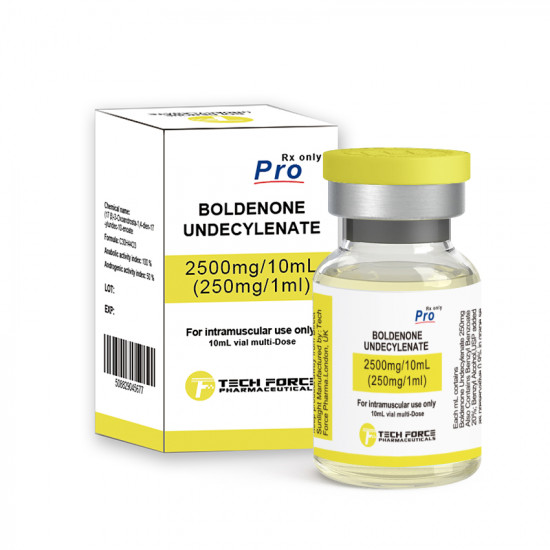
This section dives into the dangers of self-administering raw powders, contamination risks, dosage errors, and presents case studies or statistics illustrating harm.
Dangers of self-administering raw powders
When someone purchases raw steroid powder, they’re effectively stepping out of the medically supervised zone. There are many perils:
They must measure dosage themselves. Human error or miscalculation can lead to overdose or under-dose (both bad).
They might convert the powder into a form for injection or create capsules—without sterile conditions.
They may not have a clue of the chemical’s actual identity, purity, or side-effect profile.
Think of it like buying unbranded soldering equipment from overseas without instructions—one wrong move and you melt the circuit board (or your body!).
Self-administering means you’re your own pharmacist and chemist—and both jobs are risky without training.
Contamination risks and dosage errors
Raw powders from shady labs carry contamination risk: heavy metals, unidentified compounds, wrong dosage per batch. There’s no guarantee what you receive is 100 % what the label (or ad) claims.
In one official bust, authorities found raw steroid powders from China packaged in decoy food packages.
Dosage errors: If you mis‐weigh the powder, you could be injecting 2× or 10× what you think. Or you might switch compounds altogether if the label is wrong. That’s like assuming your car’s brakes are brand new because someone said so—but they weren’t.
Longer term, repeated contaminated or mis-dosed use accumulates damage: liver, heart, endocrine system, fertility.
Case studies or statistics illustrating harm
In the DEA’s “Operation Cyber Juice”, across 30 U.S. investigations: 16 underground labs were seized, 636 kg of raw steroid powder were confiscated, plus 8,200 litres of injectable liquid.
In another bust (Operation Bad Mussels): more than 110 lbs of anabolic steroids, multiple raw powder shipments from China, encapsulating machines, and weapons were found.
These raids show the scale and how raw powders fuel underground labs. For the individual using that powder? The risks of mislabeling, unsafe manufacture, lack of quality control—all of them are magnified.
Here’s where the story gets darker. Let’s examine why raw steroid powders are commonly sold illegally, what risks that incurs, and how the black market contributes to criminalization.
Why raw steroid powders are commonly sold illegally
Cost: For unscrupulous suppliers, raw powder is cheaper to produce, transport, and hide compared to finished, regulated product.
Ease of concealment: Powders can be shipped as “chemical reagents” or disguised as something else, then processed later. For example, one case: packages looked like food or toys.
Global supply chain: Many raw powders originate in jurisdictions with weaker regulation (e.g., China). Then they’re exported, often illegally.
Demand from buyers wanting quicker gains, cheaper costs, DIY approach—especially in bodybuilding or performance-seeking communities.
Because the legal channel is closed (you need prescription, regulated manufacturing), the black market fills the void.
Risks associated with buying unregulated substances
Unverified identity: you may not know exactly what chemical you’re buying.
Purity issues: there may be contaminants, fillers, incorrect potency.
Lack of dosing guidance or medical supervision: you may suffer harm without knowing why.
No regulatory recourse: if things go wrong, you have little legal protection.
Potential for legal consequences: if you import or distribute raw powders, you may be violating drug laws (even if you only intended personal use).
It’s like buying a “mystery supplement” from a dubious website—only the stakes are your hormonal system, liver, heart, and possibly jail.
How the black market contributes to criminalization
When raw steroid powders are trafficked, manufactured, distributed illegally, law-enforcement agencies marshal major crackdowns. For example:
The DEA’s Operation Cyber Juice targeted global steroid labs and underground manufacturing.
One legal article noted that the line between “legal steroids, steroid-like substances, and controlled steroids” is not always clear—so raw powders further muddy the waters.
Public and political pressure increases. Governments say: “These are dangerous, unregulated substances fueling criminal labs—thus we need to crack down harder.” Raw powders become not just a health issue but a crime issue.
In effect, the black market turns what might otherwise be a niche substance into a broader public-safety and law-enforcement concern.
Okay, all this sounds scary (and it is). The good news is: there are legitimate medical uses and safer alternatives for muscle building or performance enhancement (within legal/ethical boundaries). Let’s explore them.
Legitimate medical uses and prescription-based steroids
In medicine, doctors may prescribe anabolic steroids for specific conditions: androgen deficiency (hypogonadism), delayed puberty, muscle wasting, some anemias, etc. However, these are carefully controlled, doses monitored, and the patient is supervised. In other words: stronger regulatory safety, stronger medical justification.
Compared to raw powders, prescription‐based steroids are safer because they are formulated, dosed, quality‐checked, and distributed under legal protocols. If you need legitimate steroids, seeing a qualified medical professional is the “lighter,” safer path.
Safer alternatives for muscle building or performance enhancement
If your goal is muscle building, improved performance, or physique enhancement—there are safer, lawful routes:
Optimize nutrition: eating sufficient protein, calories, good fats, and carbs will support growth.
Consistent training: progressive overload, correct form, rest and recovery.
Natural supplements (within legal boundaries): creatine, beta-alanine, HMB, etc (not steroids).
Hormone checks: if you’re low in testosterone, a medical evaluation can determine if legitimate therapy is needed.
Legal sports science: working with coaches, nutritionists, and doctors rather than chasing underground chemical shortcuts.
In other words: while steroids may promise “faster, stronger” gains, going the safer route may be slower, but definitely less dangerous, and more sustainable. It’s like choosing to train for a marathon versus injecting rocket fuel into your car—it might be slower, but it’s less likely to crash.
So, why are raw steroid powders often listed as controlled substances? Let’s recap:
They carry high abuse potential: the promise of rapid muscle gains, performance boost, lure of “stronger” results.
They pose serious health risks: contamination, incorrect dosage, long‐term damage to liver, heart, hormones, fertility.
They sit outside medical regulation: raw powders are typically not formulated for safe direct human use, no oversight, higher risk.
They fuel the black market: international trafficking, underground labs, criminal networks—all of which raise societal concerns beyond just individual health.
Consequently, governments step in with controlled‐substance scheduling, heavy penalties for manufacture/distribution, and strict laws to protect public health.
If you or someone you know is considering raw steroid powders: please understand the risks (legal, health, moral) and weigh them carefully. If your aim is strength, muscle, performance—there are safer, legal paths. The shortcuts offered by raw powders may seem faster or cheaper, but they carry hidden costs.
| Question | Answer |
|---|---|
| What exactly is a “raw steroid powder”? | It’s the unprocessed or semi‐processed chemical form of a steroid compound (or precursor), not the finished injectable or tablet. |
| Why can’t I just buy raw powder legally and use it safely? | Because raw powders lack standard formulation, dosage control, medical supervision, and carry risks of contamination; laws treat them like other controlled substances because of these dangers. |
| Are all anabolic steroids controlled substances? | In many jurisdictions yes—e.g., in the U.S. under the CSA, steroids deemed “anabolic steroids” are Schedule III. Some countries have slightly different classifications, but the control principle is widely adopted. |
| What happens if I import raw steroid powders? | You risk breaking importation laws: for example in the U.S., importation of controlled substances without registration is illegal. You may face seizure, fines, criminal charges. |
| Is it safer to use prescription steroids instead of raw powders? | Generally yes—because they come from licensed manufacturers, have known doses and oversight. Raw powders are much less safe. |
| What are the major health risks of using raw powders? | Contamination, dosage miscalculation, liver damage, cardiovascular issues, hormonal disruption, infertility, psychological effects. |
| If I’m an athlete, are raw powders allowed? | Almost certainly not. Antidoping agencies ban non‐prescribed anabolic steroids; using raw powders is typically illegal and against sport regulations. |
| Are there legal ways to boost muscle/strength without steroids? | Yes—proper nutrition, training, legal supplements, getting hormone deficiencies medically treated—all are safer legal routes. |
| Why did governments start controlling steroids anyway? | Because of rising abuse among athletes/bodybuilders, health complications, and the trafficking of underground labs. For example, the U.S. passed the Anabolic Steroids Control Act in 1990 to address these issues. |


