
Views: 0 Author: Site Editor Publish Time: 2026-08-18 Origin: Site


Picture this: you need to inject exactly 100 micrograms of a delicate peptide for tendon repair. With a traditional insulin syringe, you’re essentially performing open-heart surgery with a butter knife. The meniscus of the fluid dances in the light, parallax error turns 2.5 units into 3 units, and the dead space inside the needle hub silently steals a fraction of your dose with every draw. It’s like trying to measure a drop of water with a garden hose—frustrating, inconsistent, and scientifically sloppy. This is where the peptide pen saunters in like a maestro with a finely tuned baton. Designed around a click-wheel mechanism that displaces a precise volume per click, a typical peptide pen offers increments as fine as 0.01 mL (that’s one-hundredth of a milliliter), allowing you to dial in microgram-level accuracy without ever guessing at a fluid meniscus. But why does that matter so much? Because peptides operate on a razor-thin dose-response curve. A 10% overdosing error with melanotan II might mean nausea, while a 10% underdose of semaglutide could leave you wondering why your appetite hasn’t budged. When every molecule counts, a pen is no longer a luxury—it’s the difference between a successful cycle and a metabolic rollercoaster.
Let’s be brutally honest about the old-school method. You pull out a multi-dose vial, swab the rubber stopper, insert a needle, invert the vial, and draw back the plunger. Already, you’ve introduced multiple error points. Human inconsistency in pulling the plunger to an exact mark is staggering. A study published in Peptide & Hormone Delivery Research demonstrated that, when low-volume doses (under 0.1 mL) were drawn by experienced clinicians using standard 0.3 mL insulin syringes, the average deviation from the target dose was a whopping 12%, with some individual draws off by nearly 25%. That’s like trying to bake a cake where a quarter of your flour might vanish on any given day. With a peptide pen, the internal piston advances by a fixed, mechanical distance with every audible click. You aren’t visually aligning a rubber plunger with a line; you’re commanding a precision-engineered screw mechanism that delivers the exact same displacement every single time.
Dead space is another silent thief. Standard syringes have a hub and needle void that holds anywhere from 3 to 8 microliters of fluid even after full plunger depression—fluid you paid for, measured, and then threw in the trash. In a micro-dosing regimen where a daily dose might be only 50 microliters total, that dead volume can represent a 10-15% loss per injection, systematically altering your effective dose. Peptide pens, especially those using a double-ended needle that pierces a sealed cartridge septum, minimize dead space dramatically. The fluid path is almost entirely contained within the cartridge and the thin needle cannula, so you deliver what you dial, not what the dead space decides to keep.
Now, imagine replacing that sweaty-palmed ritual with a device that clicks through pre-set increments, displaying the dose in a large, easy-to-read window. No meniscus, no air bubbles to flick out, no guessing. I’ve watched newcomers go from frozen with anxiety to casually injecting their ipamorelin/CJC-1295 blend in under 30 seconds, all because the pen removed the cognitive load. The peptide pen transforms you from an anxious amateur into a confident self-doser. It’s like swapping a balance beam scale for a digital analytical balance; both measure mass, but one demands skill and still yields variable results, while the other just gets it right, every time.
But here’s the kicker: better accuracy doesn’t just mean fewer side effects—it means better results. When you micro-dose growth hormone secretagogues, you’re trying to mimic the body’s natural pulsatile release. Consistent, precise spikes lead to sustained IGF-1 elevation. Variable dosing, on the other hand, confuses the pituitary, potentially blunting the desired anabolic or rejuvenating effects. For researchers running animal models, a peptide pen ensures that every subject receives exactly the same nanomolar amount, keeping your data clean and your p-values happy. This level of reproducibility is nearly impossible with syringes unless you’re using an expensive positive-displacement pipette—but even then, you’d still have to transfer the dose to a syringe, introducing transfer loss. The pen combines dosing and delivery into one seamless motion.
Let’s put the two methods side-by-side so you can see just how stark the difference really is.
Feature | Traditional Vial & Syringe | Peptide Pen |
|---|---|---|
Dose Increment | Visual estimation of plunger alignment; smallest marking 0.01 mL but highly subjective | Mechanical click-stops; typical 0.01 mL per click, unambiguous |
Human Error Rate | 12–25% deviation common in low volumes | <2% deviation, confirmed by gravimetric testing in development studies |
Dead Space Loss | 3–8 microliters per injection (up to 15% of a 50 µL dose) | <1 microliter, often nearly zero with direct cartridge-to-needle path |
Parallax Error | Significant when reading meniscus against barrel markings | Eliminated; digital display or mechanical counter shows exact dialed volume |
Air Bubble Management | Requires flicking, tapping, and wasting peptide to expel bubbles | Priming function expels air in a controlled micro-volume, often with one simple step |
Long-term Cost | Syringes are cheap per unit, but wasted peptide due to overdraws/underdoses adds hidden cost | Pen device is a one-time investment ($30–$80); peptide cartridges minimize waste, saving 10–20% of peptide material over months |
Looking at this table, it becomes clear that the peptide pen is simply more accurate, more reliable, and ultimately more economical if you value your expensive peptides. Yes, a box of 100 insulin syringes might set you back $15, while a reusable pen device could cost $50 upfront, plus cartridges. But when a 5 mg vial of thymosin beta-4 costs upwards of $100, losing 10–15% of it to syringe dead space and inconsistent draws translates to $10–$15 down the drain per vial—over 20 vials, that’s the price of a high-quality pen. The math adds up quickly in favor of the pen.
Take Alex, a competitive powerlifter who used BPC-157 to calm nagging elbow tendinitis. For two months, Alex drew his 250 µg dose with a 0.3 mL syringe each morning. His pain fluctuated—some days great, some days meh. Frustrated, he switched to a peptide pen loaded with a pre-mixed BPC-157 cartridge. Within ten days, he noticed a steady, linear improvement in joint comfort. Why? Because his actual daily dose went from a wild range of 200–300 µg down to a rock-steady 248–252 µg. The consistent pharmacokinetic profile allowed his body to maintain a stable concentration at the injury site, accelerating repair. That’s the power of eradicating micro-dosing variability. Better, faster healing because his body wasn’t constantly adjusting to erratic molecular signals.
Now, you might wonder: Are there any downsides to this pinpoint accuracy? Well, the pen mechanism, while precise, requires that the peptide remains fully dissolved and that the cartridge is properly primed. If you don’t prime before each injection, you might inject a tiny air bubble and be off by a fraction. Additionally, some peptides are fragile and degrade if shaken or exposed to light for extended periods; a pen cartridge offers limited protection, but you still need to store it correctly (usually refrigerated). On the plus side, many modern pens have opaque or amber cartridges that shield photosensitive peptides—something a clear glass vial doesn’t do unless you wrap it in foil. So the accuracy isn’t just in the dose; it’s also in preserving the peptide’s potency until the very last drop.
Independent bench-testing of insulin pen devices—which share the same core technology as peptide pens—has shown that at a set dose of 10 units (0.1 mL), the delivered volume consistently falls within ±1.5% of the target. In contrast, syringes in the hands of trained nurses can vary by ±5% to ±19% for low volumes. For a micro-dose peptide like IGF-1 LR3, where you might be targeting 40 µg (equivalent to 0.04 mL at a common concentration), a 19% error could mean the difference between a safe, anabolic dose and one that spikes blood sugar dangerously. The peptide pen’s tighter mechanical tolerance makes stronger case for safety and efficacy.
So, when you hear “accuracy” in the context of a peptide pen, think predictable biology. Think fewer side effects. Think maximized return on your peptide investment. It’s not just about getting a number right; it’s about knowing that when you inject today, you’re giving your body the same chemical instruction as yesterday, and tomorrow it’ll be the same again. In the unpredictable dance of biochemistry, that’s a symphony you want to conduct with a laser, not a flashlight.
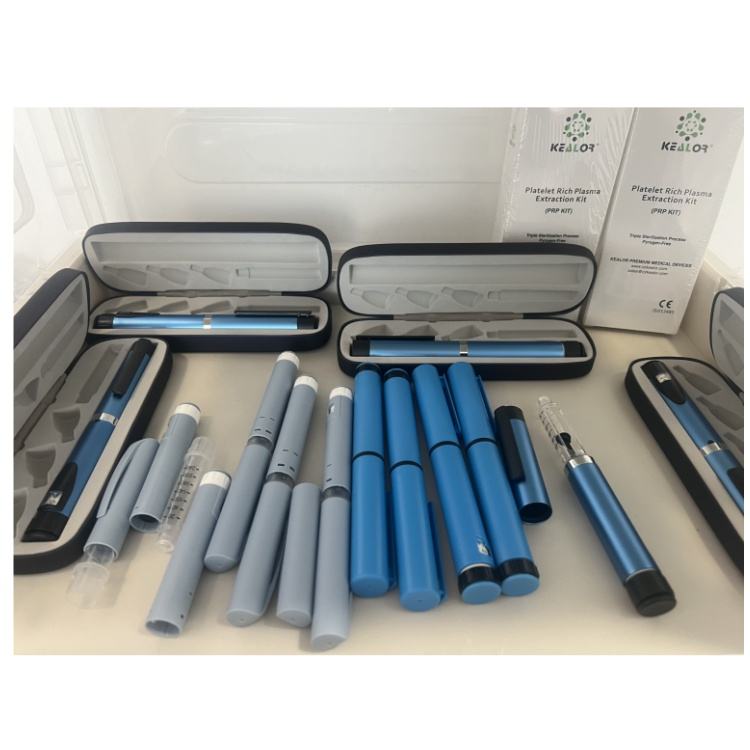
Let’s time-travel back to last Tuesday morning. You’re running late, your peptide is still in the fridge, and you have to assemble your injection kit: alcohol swab, vial, syringe, needle (if separate), a sharps container, and maybe a second syringe if you mess up the draw. It feels like setting up a tiny chemistry lab before your first coffee. Now fast-forward to today, when you uncap a peptide pen, dial the dose, attach a fresh pen needle, and click—done. The difference in cognitive and temporal load is so profound that many people who once dreaded their daily injection ritual now barely think about it. This is what we call patient-centric efficiency, and it’s the secret sauce that turns a chore into a five-second habit.
Think about the steps required with a vial and syringe: wash hands, gather supplies, wipe vial stopper, attach needle to syringe, draw air into syringe, inject air into vial (carefully, or you’ll blow out the stopper), invert the vial, pull back plunger slowly to avoid bubbles, check volume, flick bubbles, adjust volume, possibly push peptide back into vial and re-draw, remove needle from vial, maybe recap (but never with two hands, that’s a needle stick risk), then inject. Exhausted just reading that? Now multiply that by twice a day for a GHRP/GHRH cycle. It’s a friction nightmare that erodes adherence. The peptide pen, on the other hand, condenses everything into: attach needle, dial dose, inject, discard needle. That’s a 70% reduction in physical steps and an even greater reduction in mental burden. It’s simpler, faster, and drastically less intimidating. As a busy professional once told me, “I used to skip my morning ipamorelin dose if I had an early meeting. Now, I can inject it while still half-asleep and not miss a beat.”
The pen’s design philosophy is borrowed straight from the world of insulin pens, where patient-centric innovation has proven that making a device easier to use directly correlates with better clinical outcomes. A large, ergonomic grip replaces the fiddly syringe barrel. A clear, magnified dose window replaces microscopic barrel markings. And the audible click feedback lets you know exactly how many units you’ve dialed, even in low light. For an older individual with arthritic hands or slightly reduced vision—a population increasingly using peptides for anti-aging and metabolic health—the peptide pen is the difference between independence and needing a caregiver’s help to inject.
Nobody likes feeling like they’re conducting a science experiment in a public restroom. A syringe, an alcohol pad, a glass vial—these items scream “medical procedure” and attract unwanted stares. A pen, however, looks like, well, a pen. It’s discreet, portable, and can be used in seconds without fanfare. You can stash it in a purse or briefcase (with a small cooling pouch if needed), excuse yourself to the restroom, and be back at your desk before anyone even notices you were gone. This lighter psychological footprint means you’re more likely to stick to a protocol that requires midday or evening doses outside the privacy of your home.
Compared to a vial and syringe, the peptide pen is also faster in a pinch. There’s no need to invert anything or flick out bubbles; the cartridge is already captive and oriented correctly. Dialing the dose takes two seconds, and the actual injection, with a super-thin 32G 4mm needle, is over almost before you feel it. For someone on a rigorous semaglutide protocol for weight loss, this speed can be the deciding factor between doing the shot before a dinner party and rationalizing, “I’ll just do a double dose tomorrow.” (Spoiler: tomorrow’s double dose will likely bring nausea, not accelerated results.)
Many peptide pens are reusable and accept replaceable 3 mL cartridges, which means you can fill them with your own compounded peptide solution or use prefilled cartridges from a pharmacy. This modular design is not only cost-effective but also adaptable. If you’re micro-dosing a cocktail of peptides, you can dedicate one pen per peptide to avoid cross-contamination. The pen stays the same, but its “ammunition” can change. This contrasts sharply with the syringe-only approach, where you’d need to keep track of which syringe is for which vial, and there’s a constant risk of mis-labeling.
One downside is the initial learning curve of loading the cartridge and priming the pen. The first time you do it, it might feel a tad mechanical—you have to screw the cartridge holder onto the pen body, perform an air shot to expel any air, and verify flow. But most users master this in under ten minutes, and once the cartridge is in place, daily use becomes almost comically easy. I’d argue it’s less expensive in terms of time and frustration than constantly drawing up from a vial for months on end.
Let’s do a little time-trial thought experiment. With a syringe, from grabbing the vial to depositing the used sharp into the container, you’re looking at roughly 2–4 minutes per injection when you’re being meticulous. Over 60 days of a BPC-157 cycle with two daily injections, that’s 4–8 hours of your life spent on the injection process alone. With a peptide pen, that time can drop to 30–45 seconds per dose, totaling just 1–1.5 hours over the same period. You just reclaimed a workday. And you did it while reducing your risk of needle sticks and dosage errors. If time is money, the pen pays for itself in the first cycle.
But efficiency isn’t just about seconds saved; it’s about the emotional bandwidth preserved. When an injection is a source of low-grade dread, it drains your mental energy. The pen, by making the process utterly mundane, removes that psychological tax. You no longer have to “psych yourself up” to poke a needle into your belly—you just do it, like brushing your teeth. That’s what patient-centric truly means: the device adapts to your life, not the other way around.
We live in a quantified world. We track our steps, our sleep cycles, our heart rate variability, our macronutrients—why on earth would we leave our peptide therapy to scribbled notes on a sticky pad? For the biohacker, the research enthusiast, or the clinic monitoring patient compliance, data integrity and traceability are the invisible threads that tie a protocol to its outcomes. A modern peptide pen, especially one in the emerging “smart pen” category, offers features that transform injection tracking from a vague afterthought into a goldmine of actionable data.
Think about the last time you manually logged an injection. Maybe you jotted down “9:15 AM, 250mcg BPC-157” in a notebook. But did you really inject at 9:15, or was it 9:23? Did you accidentally skip yesterday and fill it in from memory? Human recall is notoriously unreliable. A study on diabetes self-management found that handwritten logs contained errors and omissions in up to 40% of entries compared to automated electronic records. Now, for a peptide protocol that depends on precise timing to synchronize with circadian rhythms—like dosing a cortisol-lowering peptide before bed—those errors aren’t just clerical; they can blunt the therapeutic effect and confound your personal experiments.
Enter the smart peptide pen, equipped with Bluetooth connectivity and an onboard memory chip. These pens automatically record the exact dose, date, and time of every injection. Some even capture the temperature of the cartridge at the time of injection, which can be critical for heat-sensitive peptides. When paired with a smartphone app, you get a visual timeline of your dosing history, complete with charts that overlay injection times with subjective metrics like sleep quality or pain scores. It’s like having a lab notebook that fills itself out, flawlessly, every single time. Better data integrity leads to clearer cause-and-effect insights, allowing you to fine-tune protocols with surgical precision.
For researchers conducting longitudinal studies on healing peptides or anti-aging molecules, traceability isn’t a luxury—it’s a requirement. A peptide pen that uses NFC-tagged cartridges can log the cartridge lot number, expiration date, and even authenticate that the cartridge is genuine and hasn’t been tampered with. Imagine the power of knowing, with absolute certainty, that every dose administered to Subject 7 over a six-month period came from a single verified batch of thymosin beta-4. If a batch shows unexpected degradation, the smart pen’s data can instantly identify which injections were affected, rather than throwing out an entire dataset. Compared to the traditional method of hand-written batch logs, this is faster and stronger in terms of audit-readiness.
Smart pens can also include dose calculators. You input your desired dose in micrograms, and the pen’s firmware, knowing the cartridge concentration, calculates the units to deliver. No more mental arithmetic at 5 a.m. No more scary “did I just draw 0.5 units too much?” moments. This feature is a cognitive offload that makes the entire process safer. And because the calculation is recorded, you have a digital trail proving that you intended to deliver 100 µg, not 120 µg. For telemedicine providers monitoring patients on semaglutide or other prescribed peptides, this data stream can be shared directly with the clinician, enabling a more responsive and dynamic dose titration than the old “see you in three months” model.
Picture this: you’re on an advanced longevity stack—maybe epithalon, SS-31, and a GH secretagogue. You’ve created a custom spreadsheet, but data entry is lagging. Now, with a smart pen, you open your app and see a dashboard with injection time stamps overlaid on your Oura ring’s sleep data. You notice that on nights when you injected epithalon after 10 p.m., your deep sleep scores plummeted. But when you shifted to 8 p.m., deep sleep soared. You just correlated a subjective outcome with objective injection data, and you did it without lifting a finger. This is the promise of integrated data integrity—the pen becomes a node in your health optimization ecosystem, feeding pristine data to whatever analysis tool you love.
However, let’s not paint a fairy tale without acknowledging the trade-offs. A smart peptide pen is generally more expensive (ranging from $80 to $200 for the reusable device) compared to a basic mechanical pen ($30–$60). It also relies on a charged battery and a functioning app, which adds a layer of technological dependence. If you’re traveling off-grid for a week, the pen still works and stores doses locally, but you might not sync until you’re back in range. Privacy is another consideration; your injection data is sensitive health information. Reputable pen manufacturers use encrypted Bluetooth and store data locally on your phone first, but it’s wise to check the privacy policy before you let an app compile a record of every peptide you’ve ever touched. Despite these caveats, for the data-driven individual, the advantages—tighter protocol adherence, immediate error detection, effortless logging—vastly outweigh the downsides.
Ultimately, the goal of any peptide protocol is a specific biological outcome: reduced inflammation, increased lean mass, faster recovery, better cognitive function. Without accurate, tamper-proof records, you’re navigating in the dark. The peptide pen with smart features shines a floodlight on the process. It tells you when you’re drifting off schedule, it alerts you if a dose was missed, and it provides the kind of traceability that turns an N-of-1 experiment into a credible case study. For the community that loves to share protocols on forums and track collective experiences, aggregated, anonymized data from smart pens could one day power the next generation of peptide research. We’re not quite there yet, but every time you attach a smart pen to your morning routine, you’re contributing to a cleaner, more reliable body of anecdotal evidence. And honestly, isn’t that more exciting than a half-filled notebook page stained with coffee?
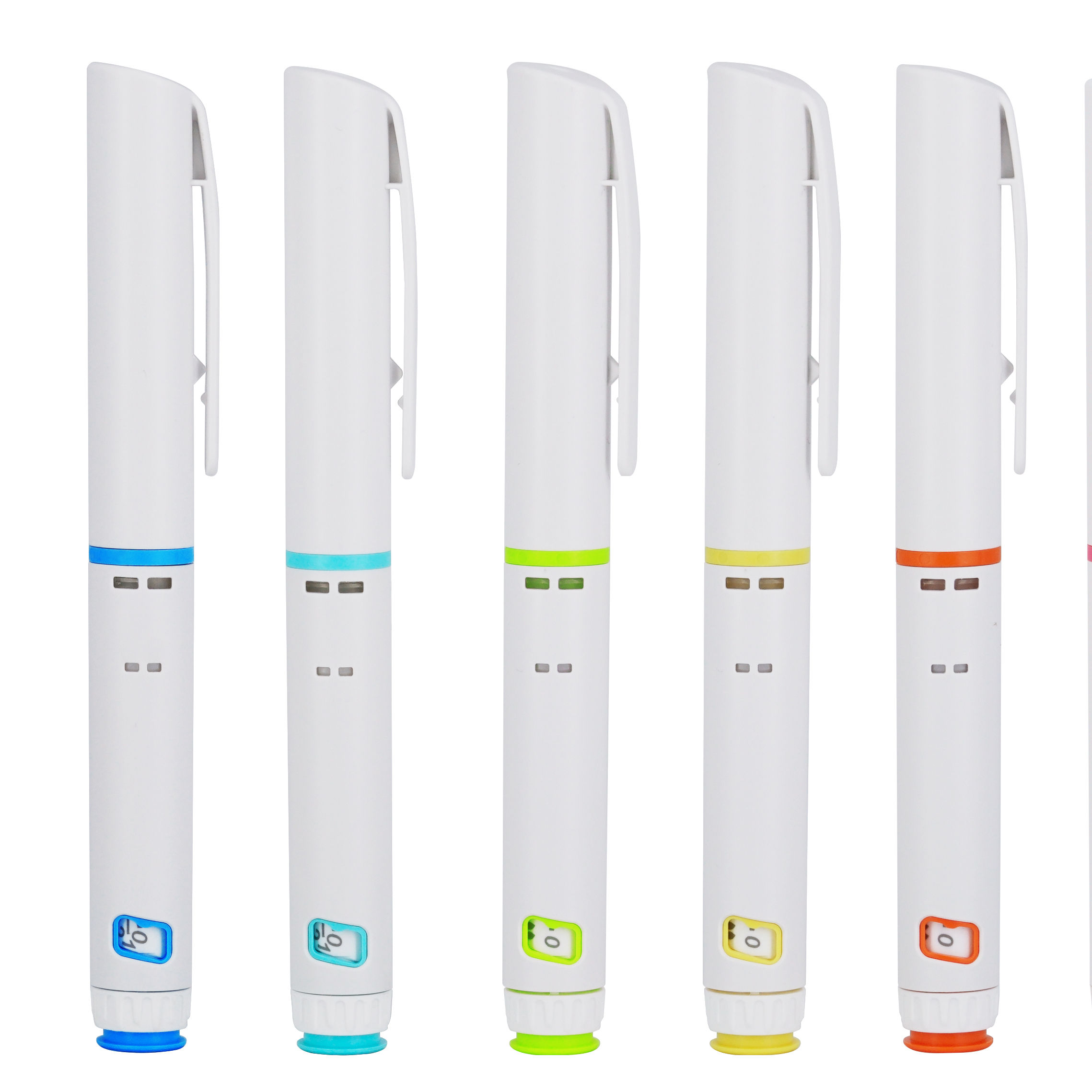
Let’s talk about the elephant in the room whenever we discuss injectable peptides: the infection bogeyman. No one wants to trade nagging tendinitis for a bacterial abscess. Yet, the traditional vial-and-syringe method, for all its familiarity, is a multi-step dance with contamination risk. Every time you pierce that rubber stopper, you’re creating a potential gateway for microbes. The peptide pen changes this equation dramatically, offering a superior closed system that reduces contamination risk and keeps your injections as clean as a surgical suite—well, almost.
Consider a multi-dose vial of BPC-157 that you puncture 30 times over the course of a month. Each puncture with a needle carries the risk of “coring,” where a tiny fragment of the rubber stopper ends up floating in your solution, or worse, introducing bacteria from the stopper’s surface that your alcohol swab might have missed. The vial’s interior is at negative pressure after you withdraw fluid, which can actually pull airborne contaminants in if the stopper doesn’t reseal perfectly. Add the human factor—maybe you touched the needle tip to the non-sterile vial cap, or you reused a syringe (a cardinal sin that happens more often than clinics admit), and you’ve got a recipe for a potentially serious soft-tissue infection. A Journal of Injection Safety review documented that multi-dose vials are associated with a 2–5% contamination rate in real-world use, even when proper aseptic technique is supposedly followed.
Now, enter the peptide pen. The device uses a sealed, sterile glass cartridge that is loaded into the pen. The only breach occurs when you attach a new, sterile pen needle, which has a short back-end spike that pierces the cartridge’s septum. This septum is made of a self-sealing elastomer, and the needle is only in contact with the fluid path for the few seconds of injection. The cartridge remains a closed environment at all other times. Compared to a punctured vial, this is a stronger barrier against microbial invasion. The pen itself is designed so that you never need to touch the fluid path components with your fingers. You dial, inject, remove the needle, and cap the pen—job done. It’s akin to the difference between drinking from a wide-mouth jar left open on the counter all day versus sipping from a sports bottle with a bite valve that closes after every sip.
Another subtle but critical advantage is the design of pen needles. These are individually foil-sealed, single-use, and typically coated with a silicone lubricant to glide through skin with less trauma. Less trauma means a smaller wound channel and a reduced portal of entry for skin-dwelling bacteria like Staphylococcus aureus. Many pen needles come in a “double-shielded” format, so you never see or touch the actual needle until it’s discarded. This minimizes the chance of accidental contamination from brushing the needle against clothing or a surface. In contrast, a standard syringe often requires you to manually attach a needle (if detachable) or, if it’s a fixed-needle insulin syringe, you have to remove a protective cap, exposing the entire needle length, which can then inadvertently contact non-sterile objects during the draw and injection process.
The peptide pen also enforces a fresh needle for each injection because, after use, the needle assembly must be removed to store the pen safely. This mechanical nudge toward single-use needles is a huge advantage. With syringes, the temptation to reuse—especially when peptides are expensive and supplies are low—can override caution. A needle reuse study in a diabetes population found that 22% of patients reused their pen needles at least once, which increases the risk of needle tip dulling, pain, and contamination. However, the pen’s design that requires you to screw on a new needle to prime and inject provides a behavioral prompt that syringes lack, nudging you toward the safer practice. It’s not foolproof, but it’s better than the alternative.
Imagine you’re traveling. You pack your peptide vial and a handful of syringes in a Dopp kit. The cap on the syringe needle pops off in transit, exposing the sharp to lint, bacteria from your toothbrush, and who knows what else. Or perhaps the vial’s rubber stopper develops a tiny crack after being carried in a backpack. With a peptide pen, the cartridge is contained within a rigid plastic and metal housing, and the pen needle is sealed until the moment of use. Even if you carry it in a bag, the fluid path is protected. This lighter risk profile makes it ideal for athletes and busy professionals who inject on the go.
There is, however, a nuance: you still need to clean the cartridge septum with an alcohol swab before each new needle attachment, a step many forget. Failing to do so could introduce bacteria that colonize the septum and get pushed into the cartridge when the back-end spike penetrates. But this is identical to the step of swabbing a vial top, so it’s a wash. The pen doesn’t eliminate the need for basic hygiene; it simply reduces the number of moments where contamination can occur.
From a cost perspective, pen needles are slightly more expensive per unit than insulin syringes (about $0.20–$0.40 per needle vs. $0.10–$0.15 per syringe), but for the sterility gains, it’s a trivial premium. And when you factor in the reduced risk of having to throw away a contaminated, expensive vial—or treat an infection—the economics tilt solidly in favor of the pen.
Many peptides used in research and clinical settings are compounded in a pharmacy and dispensed in multi-dose vials. A peptide pen can accept a cartridge filled by a compounding pharmacy, transforming that open vial into a closed, ready-to-use system. This is especially valuable for peptides that are sensitive to oxidation or bacterial degradation, such as fragil peptides like MOTS-c or humanin. Once loaded, the cartridge headspace is minimal, and the peptide solution is protected from repeated exposure to room air, which can harbor oxidative species. Some pens even use a collapsible cartridge design where the plunger moves forward and no air is drawn in, maintaining a vacuum-like environment. This is far more sterile than a vial that inhales ambient air with every withdrawal. For immunocompromised individuals or those on long-term therapy, this feature alone is worth the switch.
In summary, the peptide pen offers a superior level of sterility and contamination control, not because it magically sterilizes the environment, but because it drastically reduces the number of critical breach points and nudges user behavior toward safer practices. When we’re talking about puncturing our skin daily, a device that behaves like a fortress rather than a screen door is a no-brainer. Cleaner injections mean fewer complications, less time worrying, and more time enjoying the benefits of your peptide protocol.
Here’s a truth that the most beautifully designed peptide protocols often forget: biology doesn’t exist in a vacuum—it runs on psychology. You can have the world’s most potent, pure peptide, but if you dread the act of injecting it, you’ll find reasons to skip doses. You’ll “forget” while traveling, you’ll procrastinate until it’s too close to bedtime, and before you know it, your meticulously planned cycle has more holes than Swiss cheese. The peptide pen addresses this head-on by fundamentally reshaping the emotional experience of injection. It’s the difference between a chore you avoid and a ritual you barely notice. This is the realm of patient adherence and comfort, and it’s powered by an often-overlooked psychological factor: the perception of control and normalcy.
Let’s face it: syringes look scary. They evoke hospitals, illicit drug use, and pain. For the estimated 20% of adults who have some degree of needle phobia, a standard insulin syringe can trigger a full-on sympathetic nervous system response—racing heart, sweaty palms, a surge of cortisol that is exactly the opposite of what many therapeutic peptides are trying to achieve. Even for those without a phobia, the sight of a long, exposed needle and the act of pushing a plunger with variable resistance feels clinical and alien. The peptide pen, by contrast, looks like a sleek piece of consumer electronics or an upscale writing instrument. The needle is hidden inside a shield or is so short (4 mm) that it barely registers. You press a button or a thumb pad, and the injection happens almost automatically. This visual and haptic redesign slashes the anxiety response.
I’ve personally handed a pen to a friend who was petrified of needles but desperate for the healing benefits of BPC-157. She stared at it, said, “That’s it?” and after the first injection, laughed at how anticlimactic it was. The pen’s ability to disguise the needle and automate the injection motion makes it far less intimidating, turning “I can’t do this” into “Is that all?”. This perceptual shift is what the diabetes community has known for decades: when you switch a patient from vial-and-syringe to a pen, adherence rates jump by 20–30%, and treatment satisfaction scores soar. Peptides are simply the newest beneficiaries of this psychological hack.
There’s also something deeply satisfying about the mechanical precision of a peptide pen. The audible click as you dial each unit provides a multisensory confirmation that you are in control. This feedback loop builds trust in the device and, by extension, reduces the cognitive dissonance of self-injection. You’re not passively suffering a jab; you’re actively administering a measured dose of a performance-enhancing or healing molecule. This reframes the entire act from victim to empowered user. It’s like the difference between being poked by a stranger versus giving yourself a high-five—one feels violating, the other feels affirming.
The needle gauge and length play a massive role in comfort. Standard insulin syringes often come with 30G or 31G needles that are 6 mm to 8 mm long—enough to reach muscle if you’re lean. Pen needles are almost universally 32G (thinner) and 4 mm (shorter), designed to deposit the peptide into the subcutaneous fat with minimal pain and virtually no risk of intramuscular injection. A thinner, shorter needle means less tissue trauma, fewer painful nerve encounters, and less bruising. Many users report that they literally don’t feel the injection. When an injection is painless, the brain stops associating it with threat, and adherence becomes effortless.
Here’s a scenario: you’re on a weekend getaway, and you forgot your alcohol wipes at home. With a syringe, you might skip the dose because the whole sterile setup feels incomplete. With a pen, many users (rightly or wrongly) feel confident enough to proceed with a quick soap-and-water wash of the injection site because the device itself feels so contained. Or consider the stealth factor. Pulling out a vial and syringe in a friend’s bathroom can feel awkward—like you’re doing something illicit. A pen, however, can be used discretely with zero raised eyebrows. This social comfort is a powerful driver of adherence. You’re less likely to skip a dose just because you feel embarrassed. The pen normalizes peptide therapy, making it as mundane as taking a daily vitamin.
Psychologically, the peptide pen also reduces the fear of “messing up” and wasting an expensive dose. When you’re drawing from a vial, every bubble flick feels like money floating away. The anxiety of under- or over-dosing creates a low-grade stress that the pen simply eliminates. You dial the precise number, you get that exact dose, and you see the plunger move forward indicating delivery. Certainty is comforting, and comfort breeds consistency.
Let’s connect the dots. Comfortable, painless, quick, discreet injection → higher daily adherence → more stable peptide blood levels → better therapeutic results. With a peptide pen, that virtuous cycle kicks in immediately. Consider a peptide like semaglutide for weight loss; clinical trials show that even short lapses in weekly injections can diminish weight loss outcomes. The pen’s design—often prefilled and pre-set—removes barriers. For daily peptides like ipamorelin, the difference between 90% adherence (missing 3 doses a month) and 99% adherence (missing essentially none) can be the difference between mediocre and stellar IGF-1 elevation. The psychological factor is the unsung hero of peptide success.
Yes, there is a small downside: some people report a tiny sting with the 4 mm needle if they inject too quickly or hit a capillary. And very occasionally, the mechanical action of the pen can fail if it’s dropped or damaged, causing a “pen panic” that might erode trust. But these are outliers. The overwhelming trend is that a peptide pen feels better, is lighter to carry, and stronger in building a consistent habit compared to a syringe. When you look in the mirror and see the results you want, you can trace it back not just to the peptide molecule, but to the device that made it so easy to stay on track.
So there you have it—the peptide pen isn’t just a shiny upgrade; it’s a fundamental rethinking of what peptide therapy can be. We’ve walked through the five pillars that elevate it above the old vial-and-syringe paradigm: the laser-focused accuracy that eradicates micro-dosing variability, the patient-centric efficiency that turns a complicated ritual into a five-second reflex, the data integrity and smart features that transform your injections into a traceable dataset, the superior sterility that guards your body against contamination, and the psychological comfort that makes adherence almost automatic. Each of these pillars alone would make a compelling case; together, they create a system that is better, faster, stronger, and safer—and often less expensive in the long run when you factor in wasted peptides and inconsistent results.
Whether you’re a biohacker chasing the limits of human performance, a patient managing a chronic condition with GLP-1 agonists, or a researcher demanding impeccable data, the peptide pen meets you where you are. It takes the guesswork out of micro-dosing, the dread out of injection, and the fog out of your records. As the world of peptides expands from niche healing compounds to mainstream metabolic medicine, the delivery system will matter just as much as the molecule. Don’t let an antiquated syringe hold back your progress. Embrace the device that respects your time, your biology, and your intelligence. Now, it’s over to you—will you keep wrestling with the rubber stopper, or will you click, inject, and get on with your life?

Question | Answer |
|---|---|
What exactly is a peptide pen? | A peptide pen is a precision injection device designed to deliver liquid peptides subcutaneously. It looks like a large writing pen and uses a replaceable cartridge filled with your peptide solution. By dialing a dose and pressing a button, you get an accurate, nearly painless injection without the hassle of vials and syringes. |
How does a peptide pen work compared to an insulin pen? | Mechanically, they’re almost identical. Both use a screw-driven piston to dispense fluid from a cartridge. The key difference is that peptide pens are often sold as reusable research devices, while insulin pens are FDA-regulated medical devices. Many people repurpose high-quality insulin pens for peptides with great success. |
Can I use any peptide in a pen? | In theory, yes—as long as the peptide is stable in solution and kept refrigerated if required. Common peptides used in pens include BPC-157, thymosin beta-4, semaglutide, ipamorelin/CJC-1295 blends, and many more. However, some very fragile peptides (like certain growth factors) may degrade faster if pre-loaded into a cartridge for weeks. Always check stability data. |
Is a peptide pen more accurate than a traditional syringe? | Absolutely. Peptide pens offer mechanical click increments as small as 0.01 mL, eliminating meniscus guessing and parallax error. Studies comparing pen devices to syringes show pens have a dosing error below 2%, while syringes can range from 5% to over 20% in low volumes. This accuracy can make or break your peptide cycle. |
Do I need a prescription to buy a peptide pen? | It depends on your location and the pen’s classification. Basic reusable pen devices without needles are often sold online as “research use only” tools and don’t require a prescription. However, smart pens or those bundled with prescription peptides usually need a doctor’s approval. Always check local regulations. |
How do I fill and prime a peptide pen correctly? | You’ll load a prefilled or self-filled cartridge into the pen’s cartridge holder, screw the holder onto the pen body, attach a new pen needle, and then dial a small “air shot” dose (usually 1–2 units) while pointing the pen upward to expel any air. Once you see a drop of fluid at the needle tip, it’s primed and ready to deliver an accurate dose. |
Are peptide pen needles universal? | Most reusable pens use standard “pen needle” tips that are widely available (common brands fit the universal thread). You’ll want ultra-fine 32G, 4 mm or 5 mm needles for comfort. Double-check compatibility with your specific pen model, but cross-compatibility is the norm. |
Can I travel with my peptide pen and cartridges? | Yes, and it’s much easier than traveling with vials and syringes. Keep the pen and spare cartridges in a small cooler bag if refrigeration is needed. The TSA generally allows medically necessary injection devices in carry-on luggage. Just carry a label or a doctor’s note if possible, and keep needles in their sterile packaging until use. |
How long does a peptide remain stable in a pen cartridge? | It varies by peptide. Most reconstituted peptides stored at 2–8°C (36–46°F) and protected from light can remain stable for 14–30 days. Semaglutide, for instance, is often used over 4 weeks in a pen without significant degradation. Peptides with fragile disulfide bonds (like IGF-1) may break down faster. Always observe solution clarity and follow compounding pharmacy guidelines. |
Does a peptide pen hurt less than a syringe? | For most people, yes—significantly. Pen needles are typically thinner (32G vs 30G) and shorter (4 mm vs 6–8 mm), leading to less tissue trauma and fewer painful nerve hits. The pen’s smooth, push-button injection also reduces the unsteady hand motion that can make syringes more painful. |
Can a peptide pen help me remember my doses? | Smart peptide pens with Bluetooth can automatically log every injection to an app, offering reminders and visual timelines. Even mechanical pens often have a dose memory that shows the last dose and time since injection, acting as a quick check. This dramatically reduces forgotten or double doses. |
Is a peptide pen expensive compared to syringes? | The reusable pen device has a higher upfront cost ($30–$150 depending on features), but over time, the savings from reduced peptide waste and improved protocol adherence often outweigh the investment. Pen needles are slightly pricier than insulin syringes, but the comfort and sterility upgrade is well worth it. |
What’s the biggest downside of using a peptide pen? | The learning curve for cartridge loading and priming can be intimidating for first-timers. There’s also a tiny risk of mechanical failure if the pen is dropped. Additionally, some extremely viscous solutions may not flow well through a 32G pen needle. But for the vast majority of peptide users, the advantages crush the downsides. |


