
Views: 0 Author: Site Editor Publish Time: 2026-11-05 Origin: Site


Alright, let's start by clearing the air. When you hear the term "steroid powders," what comes to mind? For many, it conjures images of shady gym backrooms, unmarked vials, and whispered conversations. But the reality is more nuanced and rooted in chemistry. In this context, we are primarily talking about anabolic-androgenic steroids (AAS) in their raw, unprocessed, powdered form. Think of it like this: a coffee bean is not a cup of coffee; it's the raw ingredient you brew to get the final product. Similarly, an anabolic steroid powder is the raw, active ingredient that, when dissolved in a solvent, filtered, and sterilized, becomes an injectable steroid. It can also be pressed into tablets or capsules for oral use.
This powder form is typically easier to manufacture, transport, and hide compared to finished products. It's cheaper for the manufacturer, and often for the end-user, but this convenience comes at a cost. The purity and quality can vary wildly, turning a potentially controlled substance into a gamble with unknown impurities. But let's stick to the chemical definition for a moment.
The term "anabolic steroid" itself refers to a synthetic derivative of testosterone, the primary male sex hormone. "Anabolic" means it promotes tissue growth (like muscle), while "androgenic" refers to the development of male characteristics. These two properties are inextricably linked, which is why using them for muscle growth always carries the risk of unwanted androgenic side effects.
It's important to distinguish these from other, non-anabolic steroids. The most common confusion is with corticosteroids, like prednisone or cortisone. These are a completely different class of drugs used to reduce inflammation. Think of it like comparing a sports car (anabolic steroids) to a pickup truck (corticosteroids)—both are vehicles, but they serve vastly different purposes. While anabolic steroids might, under certain conditions, affect bone density, long-term corticosteroid use is a well-known cause of bone loss and osteoporosis. So, when we talk about "steroid powders" and bone health, we are firmly in the realm of AAS.
Are these substances legal? In most countries, including the United States, anabolic steroids are classified as Schedule III controlled substances. This means they are illegal to possess or distribute without a valid prescription from a doctor for a legitimate medical condition (like certain types of anemia or hereditary angioedema). The raw powders, as the source material for these controlled substances, fall under the same legal umbrella. So, when someone is researching "steroid powders," they are often treading in legally murky waters. This illegality has significant implications for purity, safety, and the quality of information available, which we will explore later.
Before we can understand how anabolic steroids might affect bone, we need to understand how bone works. Let's skip the dry textbook definition and think of your skeleton as a dynamic construction site. This site has two main types of workers, and their entire job is to communicate and collaborate to keep the building in top shape.
First, you have the osteoclasts. Think of them as the demolition crew. They are large, multinucleated cells that break down old, worn-out bone tissue. They create small pits on the bone surface and release enzymes that dissolve the bone mineral matrix. This process, called resorption, is crucial for releasing calcium into the bloodstream and for removing micro-damage that accumulates over time.
Then, you have the osteoblasts. These are the construction crew. They follow behind the demolition crew, filling in the pits left by the osteoclasts with new bone tissue. They produce a protein matrix that then becomes mineralized (hardened) with calcium and phosphate. This process is called bone formation.
The third crucial player is the osteocyte. These are osteoblasts that have become trapped in the bone matrix they created. They act as the site supervisors, sensing mechanical stress and damage, and sending signals to coordinate the activities of the demolition and construction crews.
The entire process—resorption followed by formation—is called bone remodeling. It’s a beautifully balanced system. During your childhood and teenage years, the construction crew (osteoblasts) works harder than the demolition crew (osteoclasts). This is how you build a bigger, denser skeleton. By your late 20s, you've hit peak bone mass, the maximum bone density you'll ever have. After that, the balance typically shifts, with the demolition crew slightly outpacing the construction crew, leading to a gradual decline in bone mass as you age.
Now, here's where it gets interesting. Sex hormones, particularly estrogen and testosterone, are key directors of this construction site. They help keep the osteoclasts (demolition crew) in check. When hormone levels drop—like during menopause for women—the demolition crew can run rampant, leading to a net loss of bone and conditions like osteoporosis.
What about anabolic steroids? They are, after all, synthetic derivatives of testosterone. So, what happens when you introduce an artificial flood of these hormones into the mix? Does it supercharge the construction crew? Does it fire the demolition crew? Or does it mess up the communication lines entirely? This is the central question in understanding the relationship between anabolic steroid powders and Bone Mineral Density (BMD).
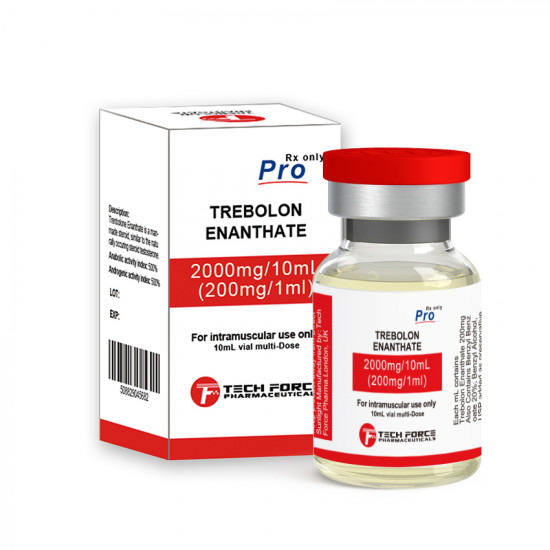
So, let's get into the nitty-gritty of the mechanisms. How exactly could these anabolic steroid powders influence the cellular conversation we just discussed? The primary way is by binding to what are called androgen receptors. These receptors are present in various tissues, including bone.
When an anabolic steroid enters the body, it travels through the bloodstream and can enter bone cells. Once inside, it binds to these androgen receptors. Imagine a key fitting into a lock. This binding activates the receptor, which then moves into the cell's nucleus and alters gene expression—essentially, it tells the cell what to do.
Here’s the tricky part: the effects seem to be biphasic and complex, meaning they can be beneficial at some levels and harmful at others, or they can have contradictory effects. Let's break it down by cell type.
Effect on Osteoblasts (The Construction Crew): Theoretically, androgens can stimulate osteoblast proliferation and differentiation. They can also increase the production of growth factors like IGF-1, which are essential for bone formation. So, it stands to reason that anabolic steroids could directly promote bone formation. Think of it as giving the construction crew an extra dose of steroids (no pun intended) to work harder. In some animal models and human studies, this effect has been observed, leading to increased bone formation.
Effect on Osteoclasts (The Demolition Crew): This is where the story gets a bit more convoluted. The effect of androgens on osteoclasts is indirect. The primary mechanism is through their conversion to estrogen. Yes, you read that right. In men and women, testosterone is converted into estrogen by an enzyme called aromatase. Estrogen is a powerful suppressor of osteoclasts. It tells the demolition crew to slow down. Therefore, anabolic steroids that can be aromatized (converted to estrogen) can indirectly reduce bone resorption, much like estrogen therapy does for postmenopausal women. However, not all anabolic steroids aromatize. Some are specifically designed not to, which could theoretically lead to a less favorable balance.
The Estrogen Connection: The interplay with estrogen is a crucial piece of the puzzle. Estrogen is arguably the most important hormone for maintaining bone density in both men and women. When you take a non-aromatizing anabolic steroid, you might be shutting down your body's natural testosterone production through a negative feedback loop. This means your natural testosterone drops, and consequently, the amount of testosterone available to be converted to estrogen also drops. This can create a low-estrogen state, which is terrible for bone health. It’s a paradoxical situation: you're taking a steroid to get stronger bones, but by disrupting your natural hormone balance, you might inadvertently accelerate bone loss.
The Glucocorticoid Antagonism: Cortisol is a stress hormone that is known to be detrimental to bone health. It promotes bone resorption and reduces bone formation. There is some evidence that androgens may have an antagonistic effect on glucocorticoids in bone tissue. It's like anabolic steroids are acting as a shield, partially protecting bone from the harmful effects of stress hormones. This is a potential mechanism for a protective effect, but it's a secondary one.
So, the net effect of anabolic steroid powders on BMD is a complex equation. It depends on the specific steroid (whether it aromatizes), the dose, the duration of use, the age and sex of the user, and their baseline bone health. The potential for increased bone formation is there, but the potential for suppressed estrogen and accelerated bone loss is also very real. It's not a simple case of "steroids = stronger bones."
Okay, let's look at what the science actually says. Forget the bro-science and the anecdotes. Let's dive into the evidence, and as you'll see, it’s a mixed bag.
Clinical Observations and Anecdotal Reports: In the bodybuilding community, there's a lore that certain steroids, like Deca-Durabolin (nandrolone), are "good for the joints" and can strengthen bones. These anecdotal reports are often driven by the drug's ability to increase bone mineral density and reduce joint pain, possibly through its progestogenic and estrogenic activity or its effect on collagen synthesis. However, these are just stories. Are they reliable? Not always. Anecdotes are often subject to confirmation bias and don't account for confounding factors like diet, training, and genetics.
The First Major Study: One of the most well-known studies on this topic was published in the New England Journal of Medicine in 1999. It looked at older men with low testosterone. The researchers found that combined treatment with testosterone and a 5-alpha-reductase inhibitor (a drug that prevents testosterone from converting to DHT, a potent androgen) significantly increased bone mineral density in the spine compared to a placebo. Interestingly, the group that received testosterone alone also saw an increase, but it was less significant. This suggests that the conversion to estrogen and DHT both play a role.
The "Supraphysiologic" Dosing Conundrum: Here's a critical distinction. The study above used physiologic doses—doses that replace what the body should naturally produce. What about the supraphysiologic doses used by bodybuilders? These are doses that far exceed natural levels, and the effects can be dramatically different. One study on healthy young men given high doses of testosterone showed that while it did increase bone formation markers, it also had a less clear effect on bone density. Other studies on supraphysiologic dosing have shown inconsistent results, with some showing increased BMD and others showing no change or even a decrease.
The "Non-Aromatizing" Steroid Problem: The evidence becomes even more troubling when looking at non-aromatizing steroids. These are drugs like Anavar (oxandrolone) or Winstrol (stanozolol). Since they don't convert to estrogen, they can lead to a hypoestrogenic state, especially if they suppress natural testosterone production. This is a major red flag for bone health. In men, this can lead to bone loss, similar to what happens in postmenopausal women. While some studies show these drugs can have a direct positive effect on bone formation, the overall net effect on BMD can be negative due to the loss of estrogen's protective effect.
The Contradictory Findings on Bone Quality: It's not just about density; it's also about quality. Bone is a composite material made of collagen (for flexibility) and minerals (for hardness). Studies have shown that some anabolic steroids can negatively affect bone quality by reducing the size of collagen fibrils and altering the bone matrix. This means that even if bone density increases, the bone might be weaker and more prone to fracture because it's like building a wall with the right amount of bricks but with poor quality mortar. This is a crucial point that is often overlooked in the simplistic "BMD equals bone health" equation.
So, the evidence is not a slam dunk for anabolic steroids as a bone-building solution. It's a story of contradictory effects, dependent on the specific drug, the dose, and the user's physiology. The data is far more nuanced than a simple yes or no.
This brings us to a critical concept: Bone Mineral Density (BMD) is only one piece of the puzzle. It's a handy metric because it's easy to measure with a DEXA scan, but it doesn't tell the whole story.
Think of your bone as a reinforced concrete structure. BMD measures the density of the concrete. But what about the steel rebar (collagen) that gives it tensile strength? What about the architecture and geometric properties of the bone? A bone with high density but poor architecture or poor quality collagen is like a tall, thin glass vase—it might be heavy, but it's brittle and breaks easily.
Anabolic steroids can influence bone architecture. For example, some studies suggest they can increase the cross-sectional area of bones, making them thicker and potentially more resistant to bending forces. This is a good thing. However, other studies suggest that high-dose steroid use can lead to bone microdamage accumulation. Because bone remodeling is suppressed by some of these drugs, the normal process of removing damaged bone is impaired. This can lead to an accumulation of micro-cracks, which can ultimately cause a stress fracture—a common problem in athletes and bodybuilders.
And then there's the issue of bone turnover markers. Blood tests can measure the byproducts of bone resorption (like CTX) and bone formation (like P1NP). In a healthy, balanced state, these are stable. When you take anabolic steroids, you can see a disconnect: you might have a high level of bone formation markers (the construction crew is active), but the bone resorption markers (the demolition crew) might also be high, or they might be suppressed. This can lead to a state of "uncoupled" bone remodeling, which can result in poor bone quality over time.
So, even if a DEXA scan shows a normal or even high BMD, the bone might be structurally inferior. This is a crucial point for anyone considering using these substances. A normal bone density test does not give you a free pass on bone health.
Okay, let's talk about the elephant in the room: the risks. And I'm not just talking about the law. I'm talking about your health.
The Legal Risk: In most countries, anabolic steroids are illegal for non-medical use. Possession of steroid powders can lead to criminal charges, fines, and even imprisonment. This legal status drives the entire market underground, which introduces a whole new level of risk.
The Purity and Dosage Risk: When you buy a steroid powder from an unregulated source, what are you actually getting? You have no idea. It could be contaminated with heavy metals, bacteria, or other harmful substances. The powder might be cut with cheaper, inactive fillers. Or it could be a completely different, more dangerous drug altogether. And the dosage? Forget about accuracy. A milligram scale from Amazon isn't precise enough for these potent substances. The difference between a therapeutic dose and a toxic dose can be minuscule. It's like playing Russian roulette with your endocrine system.
The Endocrine System Risk: This is the big one. Taking anabolic steroids for a prolonged period suppresses your body's natural testosterone production. When you stop, your system is crashed. This can lead to a host of problems, including hypogonadism, a condition where your body doesn't produce enough testosterone. This can cause fatigue, depression, loss of muscle mass, erectile dysfunction, and—you guessed it—further bone loss. The very thing you were trying to build can start crumbling the moment you stop. This is a classic "robbing Peter to pay Paul" scenario.
The Cardiovascular Risk: Anabolic steroids are notorious for their detrimental effects on the cardiovascular system. They can lower HDL (good) cholesterol, raise LDL (bad) cholesterol, increase blood pressure, and cause left ventricular hypertrophy (enlargement of the heart). These effects can significantly increase your risk of heart attack and stroke, even in young, otherwise healthy individuals.
The Psychiatric Risk: "Roid rage" is a stereotype, but there is a real link between anabolic steroid use and mood disturbances, aggression, and depression. The hormonal fluctuations can wreak havoc on your mental health.
The Clinical Risk: In a clinical setting, a doctor might prescribe an anabolic steroid like oxandrolone for a specific, legitimate medical reason, such as to counteract muscle wasting in patients with severe burns or HIV. In this context, the patient is being closely monitored with regular blood tests to check liver function, lipid profiles, and hormone levels. The dose is carefully controlled, and the duration of treatment is limited. This is a world away from the self-administered, high-dose, unmonitored use of steroid powders. It's like comparing a supervised medical procedure to a DIY surgery with a rusty knife.
So, what's the bottom line? Let's break it down into practical takeaways.
For the General Reader/Curious User:
Stay Away from Steroid Powders. The risks—legal, health, and purity-related—far outweigh any potential, and highly speculative, benefits to bone health.
Don't Be Fooled by Anecdotes. "My buddy took this and his bones got super strong" is not evidence. It's a story. The human body is complex, and individual experiences are not reliable indicators of universal truth.
Bone Health is a Long Game. Building strong bones is a lifelong process that depends on good nutrition (calcium, vitamin D, protein), regular weight-bearing exercise, and avoiding things that harm bone, like smoking and excessive alcohol.
If You're Concerned About Bone Health, See a Doctor. A legitimate doctor can assess your bone density, check your hormone levels, and recommend safe, proven treatments if necessary. They won't prescribe you illegal steroid powders.
For Clinicians:
Be Aware of the Nuance. The relationship between anabolic steroids and bone health is not black and white. Be cautious about assuming a protective effect, especially with supraphysiologic doses.
Screen for Steroid Use. If you have a patient, especially a young male athlete, presenting with signs of hypogonadism, unexplained fractures, or cardiovascular issues, consider anabolic steroid use as a potential factor.
Monitor Bone Health. If you have a patient on a legitimate anabolic steroid therapy, monitor their bone density, bone turnover markers, and hormone levels regularly.
Educate Patients on Risks. When discussing any anabolic steroid therapy, have an open and honest conversation about the full spectrum of risks, including those to the cardiovascular and endocrine systems, and the potential for negative effects on bone quality.
The story of steroid powders and bone health is a cautionary tale of unintended consequences. On the surface, it might seem logical that a hormone that builds muscle would also build bone. But biology is rarely that simple. The intricate dance of bone remodeling is influenced by a delicate balance of hormones, and introducing a flood of synthetic androgens can disrupt that balance in unpredictable ways.
While there is some evidence that anabolic steroids can stimulate bone formation, the risks—including suppressed estrogen, poor bone quality, endocrine dysfunction, and cardiovascular damage—are profound and well-documented. The potential for a temporary, superficial increase in bone density is a poor trade-off for a cascade of serious health problems.
In a world of quick fixes and magic bullets, it's tempting to believe there's a shortcut to a stronger skeleton. But your bones are a long-term investment. They are built through consistent effort: lifting weights, eating right, and treating your body with respect. When it comes to building a robust skeletal foundation, there are no powders, pills, or shortcuts that can replace the fundamentals. The most effective and safest way to build strong bones is to work with your body, not against it.
Question | Answer |
|---|---|
Are steroid powders legal to buy for personal use? | In most countries, including the US, UK, and Canada, anabolic steroids are classified as controlled substances. It is illegal to possess or distribute them without a prescription for a legitimate medical condition. Therefore, buying steroid powders for personal use is against the law. |
Can steroid powders be used to treat osteoporosis? | No. While some anabolic steroids can increase bone density, they are not a standard or recommended treatment for osteoporosis due to their severe side effects, including cardiovascular risks and endocrine disruption. Safer, more effective treatments are available. |
Are steroid powders safer than injectable steroids? | Not necessarily. The powder form is just the raw ingredient. The final product's safety depends on the purity of the powder and the sterility of the manufacturing process. Unregulated powders can be contaminated with harmful substances, making them potentially more dangerous than pharmaceutical-grade products. |
Do all anabolic steroids increase bone density? | No. The effect is complex and varies by drug. Some steroids that aromatize into estrogen may have a positive or neutral effect by mimicking estrogen's bone-preserving properties. Non-aromatizing steroids, however, can suppress natural testosterone and lead to a low-estrogen state, which can be detrimental to bone density. |
Can using steroid powders lead to weaker bones? | Paradoxically, yes. High doses can disrupt the natural balance of bone remodeling, potentially leading to poor bone quality (despite a possible increase in density), accumulation of microdamage, and an increased risk of fractures. The suppression of natural hormones when you stop can also lead to rapid bone loss. |
What are the side effects of steroid powders? | The side effects are extensive and include cardiovascular issues (high blood pressure, cholesterol changes), liver damage, endocrine disorders (hypogonadism), psychiatric effects (mood swings, aggression), and cosmetic issues (acne, hair loss). |
Is it better to use a steroid powder or a finished injectable product? | For safety, a pharmaceutical-grade, doctor-prescribed injectable or oral product is vastly superior. It has a known dose, is sterile, and its purity is guaranteed. Steroid powders are unregulated, often contaminated, and dosage is imprecise, making them a much riskier option. |


