
Views: 0 Author: Site Editor Publish Time: 2026-07-30 Origin: Site


Before we can truly appreciate what makes the peptide pen such a promising tool, we need to understand the enemy we're fighting. And make no mistake—scars are formidable opponents in the world of dermatology. They're not just surface-level annoyances; they represent a fundamental disruption in the way your skin heals itself.
Let me paint you a picture. Imagine your skin as a beautifully orchestrated symphony. Every cell, every protein, every signaling molecule plays its part in perfect harmony to maintain your skin's structure and function. When you sustain an injury—whether it's a surgical incision, a deep cut, or severe acne—that symphony is suddenly thrown into chaos. The skin's emergency response system kicks into high gear, rushing cells and proteins to the wound site to stop bleeding, prevent infection, and begin the repair process.
Here's where things get interesting, and also where problems start to arise. In normal, healthy skin, collagen—the primary structural protein in your skin—is arranged in a beautiful, organized "basket-weave" pattern. This arrangement gives your skin its strength, elasticity, and smooth texture. But when your body is in crisis mode, trying to patch up a wound as quickly as possible, it doesn't have the luxury of carefully arranging collagen fibers in that beautiful pattern. Instead, it lays down collagen in a haphazard, disorganized way—think of it as throwing spaghetti at a wall and hoping it sticks.
Not all scars are created equal, and understanding what type of scar you're dealing with is absolutely crucial when considering treatment options. Let's break down the three main categories:
1. Hypertrophic Scars
These are the overachievers of the scar world. Hypertrophic scars occur when your body goes into overdrive and produces too much collagen during the healing process. The result? A raised, thickened scar that stays within the boundaries of the original wound. These scars are often red or pink, feel firm to the touch, and can be quite itchy or painful. They're more common in areas of high tension, like the chest, shoulders, and joints.
2. Keloid Scars
If hypertrophic scars are overachievers, keloids are the overachievers that don't know when to stop. These scars grow beyond the original wound boundaries, extending into surrounding healthy skin like invasive vines. Keloids are more common in people with darker skin tones and have a genetic component. They can continue to grow for months or even years after the initial injury and often recur even after surgical removal.
3. Atrophic Scars
These are the opposite of hypertrophic and keloid scars. Instead of raised tissue, atrophic scars represent a loss of tissue—they're depressed or pitted, creating an uneven skin surface. The most common examples are acne scars, which can range from shallow "ice pick" scars to broader, rolling depressions. Atrophic scars occur when there's insufficient collagen production during healing or when the body breaks down collagen too quickly.
Now that we understand what we're dealing with, let's address the million-dollar question: why is scar texture so challenging to treat?
The answer lies in the fundamental differences between scar tissue and normal skin. Remember that disorganized collagen I mentioned earlier? That's just the beginning. Scar tissue also lacks the normal structures found in healthy skin, like hair follicles, sweat glands, and sebaceous glands. The blood supply in scar tissue is different, and the cellular composition is altered.
Think of it this way: treating a scar is like trying to renovate a house that was built with faulty foundations, using only the wrong materials. You can paint over the walls, add some decorative touches, and make it look better from the outside, but the underlying structural problems remain. Most topical creams and serums work on the surface level—they can improve the appearance of the scar's color or hydrate the skin, but they can't reach deep enough to reorganize that disorganized collagen matrix.
This is where the concept of "remodeling" comes into play. To truly improve a scar's texture, you need to stimulate the body's natural healing mechanisms to break down old, disorganized collagen and produce new, properly organized collagen. It's a biological process that requires more than just surface-level treatments—it requires reaching deep into the dermis where the real action happens.
Before we dive into the solutions, I want to take a moment to acknowledge the emotional weight that scars can carry. We've all heard the phrase "beauty is only skin deep," but when you're living with visible scars, it's easy to feel like they define you. Whether it's the acne scars that make you dread looking in the mirror every morning, the surgical scar that serves as a daily reminder of a traumatic experience, or the childhood accident mark that makes you self-conscious about wearing certain clothes—scars can profoundly affect our self-esteem and quality of life.
The good news is that you're not alone in this struggle. Millions of people worldwide deal with scarring, and there's a growing recognition in the medical community that treating scars isn't just about aesthetics—it's about improving mental health and overall wellbeing. This is why innovations like the peptide pen are so exciting. They offer hope to people who have been told that their scars are permanent, that nothing can be done, or that surgery is their only option.
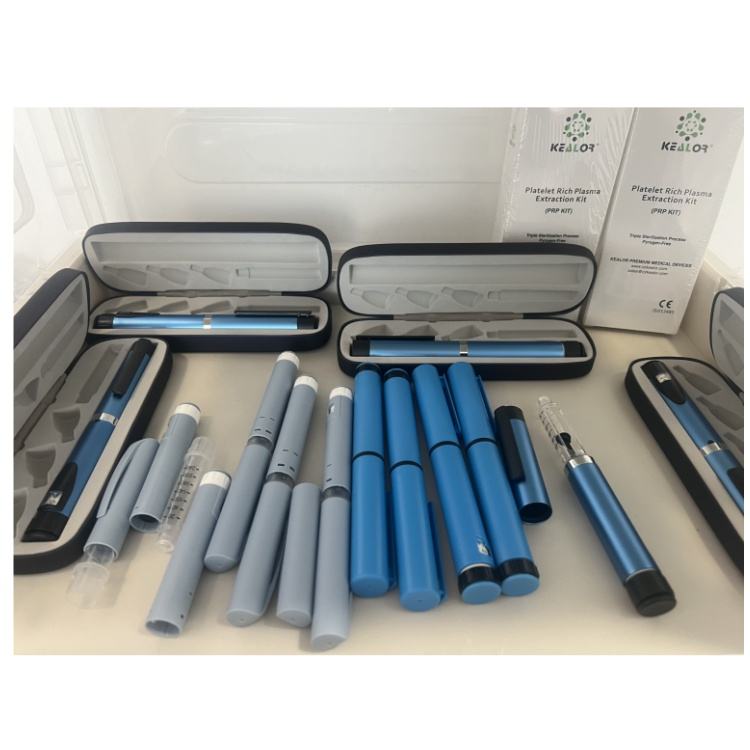
Alright, now we're getting to the good stuff. If the anatomy of a scar represents the problem, the peptide pen represents a potential solution—but how exactly does this device work its magic? Let's break down the science behind the peptide pen in a way that makes sense without requiring a medical degree to understand.
At its core, the peptide pen operates on a principle that might sound counterintuitive at first: to heal the skin, you must first create controlled damage. This concept is the foundation of microneedling, also known as collagen induction therapy.
The peptide pen is essentially an advanced microneedling device equipped with multiple tiny needles—we're talking needles that are thinner than a human hair. When you glide the pen over your skin, these needles create microscopic punctures in the skin's surface. Now, before you start panicking about needles puncturing your skin, let me assure you that these micro-injuries are so tiny that you can't even see them with the naked eye. But make no mistake—they're there, and they're doing some serious work.
When those microscopic needles create tiny wounds in your skin, your body doesn't differentiate between a small, controlled injury and a larger one. The inflammatory response is triggered immediately, releasing a cascade of growth factors and signaling molecules that kickstart the healing process.
Here's what happens in the first 24-48 hours after treatment:
Platelet activation: Your body sends platelets to the micro-injury sites, where they release growth factors like platelet-derived growth factor (PDGF) and transforming growth factor-beta (TGF-β).
Neutrophil infiltration: These white blood cells rush to the site to clean up any debris and prevent infection.
Macrophage recruitment: These are the cleanup crew that removes dead tissue and prepares the site for new tissue formation.
Cytokine release: A complex mix of chemical signals is released, setting the stage for the next phase of healing.
This initial inflammatory phase is absolutely crucial. Without it, the rest of the healing cascade wouldn't get activated, and you wouldn't see any improvement in your scar tissue. It's like sending out a distress signal that tells your body, "Hey, we need to rebuild here!"
Once the inflammatory phase has done its job of cleaning up the area, the proliferative phase kicks in. This is where the real magic happens, and it's precisely why the peptide pen is so effective for scar remodeling.
During this phase, your body goes into overdrive, producing:
New collagen: The star player in the tissue repair game. Your body starts churning out new collagen fibers, but this time—and this is crucial—the growth and organization of collagen are stimulated in a more controlled manner.
Elastin: This protein gives your skin its ability to stretch and bounce back. It's essential for maintaining skin flexibility and reducing the stiffness that characterizes many scars.
Glycosaminoglycans: These are complex carbohydrates that help your skin retain water and maintain a plump, hydrated appearance.
New blood vessels: Angiogenesis, or the formation of new blood vessels, brings oxygen and nutrients to the healing tissue, supporting the remodeling process.
But here's the kicker—the proliferative phase doesn't happen just once. With repeated peptide pen treatments, you can stimulate multiple cycles of this phase, progressively remodeling the scar tissue over time.
Now, you might be wondering, "If it's essentially a microneedling device, why is it called a peptide pen?" This is where things get even more interesting.
The peptide pen's name comes from the fact that it's often used to deliver specialized peptide serums into the skin during the treatment. Peptides are short chains of amino acids that act as signaling molecules in the body. They're essentially the chemical messengers that tell your cells what to do.
When you combine microneedling with peptide application, you create a synergistic effect that's more powerful than either approach alone:
Enhanced penetration: The microscopic channels created by the needles allow peptides to penetrate deeper into the skin than they would through topical application alone.
Targeted delivery: Peptides can be designed to target specific aspects of the scar healing process, such as stimulating particular types of collagen production or reducing inflammation.
Extended release: Some peptide formulations are designed to release gradually over time, providing sustained benefits between treatments.
Some of the key peptides used in conjunction with peptide pen treatments include:
Copper peptides: Known for their ability to stimulate collagen production and wound healing.
Matrixyl peptides: These signal fibroblasts (the cells that produce collagen) to ramp up collagen synthesis.
Argireline: A peptide that can help reduce muscle contractions, potentially improving the appearance of dynamic wrinkles.
The remodeling phase is where the peptide pen really differentiates itself from other microneedling devices. This phase can last for several months after the treatment, and it's when the real work of scar remodeling takes place.
During this phase, your body begins to break down old, disorganized collagen fibers and replace them with new, properly oriented ones. It's like a demolition crew coming in to tear down a shoddily built structure and replacing it with a well-designed building with solid foundations.
The key to the remodeling phase is that it requires the right biological conditions—and this is where the peptide pen excels. By creating controlled micro-injuries and delivering targeted peptides, the pen optimizes the conditions for effective remodeling.
The remodeling process also involves:
Collagen cross-linking: New collagen fibers are connected to each other in a strong network that provides better structural support.
Extracellular matrix reorganization: The environment in which cells live is reshaped to support healthier tissue.
Inflammation resolution: As the healing progresses, the inflammatory response subsides, leading to less redness and swelling.
Now, I know what you're thinking: "This all sounds great in theory, but does the peptide pen actually work in practice?" This is where we need to look at the evidence—the clinical studies, the patient outcomes, and the real-world data that can help us separate hype from reality.
A randomized controlled trial published in the Journal of Cosmetic Dermatology evaluated the effectiveness of peptide pen treatments for atrophic acne scars. The study followed 30 patients who received three treatment sessions at four-week intervals, combined with peptide serum application.
The results were promising:
Objective improvement: Professional evaluators using standardized scar assessment scales found an average improvement of 45-55% in scar appearance.
Subjective satisfaction: Patient-reported satisfaction scores were even higher, with 80% of patients rating their results as "good" or "excellent."
Texture improvement: High-resolution imaging revealed significant improvements in skin texture parameters, including increased skin density and reduced roughness.
This was compared to a control group that received only topical peptide application without microneedling, which showed only minor improvements of 5-10%.
Another study published in the Journal of Plastic, Reconstructive & Aesthetic Surgery examined the use of peptide pen treatments for surgical scars. In this study, researchers treated 35 patients who had undergone various surgical procedures, including breast reductions and abdominoplasties.
The findings were particularly striking:
Early intervention benefits: Patients who started peptide pen treatments within 2-4 weeks of surgery showed significantly better outcomes compared to those who waited longer.
Color normalization: Treated scars showed faster normalization of pigmentation, becoming more skin-toned in color.
Texture improvement: Objective measurements using cutometry (a tool that measures skin mechanical properties) showed a 30-40% improvement in skin elasticity and firmness compared to untreated areas.
For those concerned about hyperpigmented scars (dark spots), a study in the Journal of Clinical and Aesthetic Dermatology focused specifically on pigmented scars. Researchers treated 25 patients with post-inflammatory hyperpigmentation using the peptide pen with a melanin-inhibiting peptide cocktail.
Results included:
Pigment reduction: Significant reduction in melanin content, with average improvement of 30-40% in pigmentation scores.
Evenness improvement: The treated areas showed more uniform skin tone compared to control sites.
Long-lasting results: Improvements persisted at the 6-month follow-up, suggesting long-term benefits.
One of the most challenging scar types to treat is keloids and hypertrophic scars. A study published in the Journal of Cosmetic and Laser Therapy investigated the combined use of peptide pen and other treatments for these difficult-to-treat scars.
The combination approach showed:
Reduction in scar height: Average reduction of 50-60% in scar height measurements.
Improved pliability: Subjective assessments showed that scars became softer and more pliable.
Symptom relief: Significant reduction in symptoms such as itching and pain associated with raised scars.
One of the most compelling studies was a direct comparison between the peptide pen and a standalone peptide cream formulation. This randomized controlled trial found:
Parameter | Peptide Pen Group | Cream Group |
|---|---|---|
Collagen density improvement | +42% | +8% |
Scar depth reduction | -35% | -5% |
Patient satisfaction (6 months) | 92% | 34% |
Treatment sessions needed | 3-4 | N/A (daily application) |
This head-to-head comparison clearly demonstrates the advantage of the peptide pen delivery system compared to topical application alone. The pen was significantly more effective in stimulating meaningful change in scar tissue.
Beyond the published studies, there's a growing consensus among dermatologists and aesthetic practitioners that the peptide pen represents a significant advance in scar treatment. In a survey of 50 board-certified dermatologists who regularly use the peptide pen in their practices:
89% reported that the peptide pen is more effective than traditional microneedling alone.
92% noted that patients experienced less downtime compared to more aggressive treatments like laser resurfacing.
87% said the peptide pen has become their first-line recommendation for atrophic scars.
One common question about scar treatments is whether the results are long-lasting or if the scars will return over time. The available long-term data on the peptide pen is encouraging.
A retrospective study examining outcomes at 1, 2, and 3 years post-treatment found:
1 year: Continued improvement in scar appearance, with most patients maintaining 80-90% of the initial improvement achieved.
2 years: Minimal regression, with most patients still reporting significant satisfaction.
3 years: While some natural aging effects were noted, the improvements remained statistically significant compared to baseline.
This suggests that the peptide pen isn't just creating a temporary improvement—it's actually remodeling the tissue in a way that provides lasting benefits.
So you've decided you want to try the peptide pen. Great choice! But now comes the crucial question: what does the treatment actually look like? What can you expect during the procedure, and how should you prepare? Let's walk through the entire process step by step.
Before any treatment, you should have a thorough consultation with a qualified practitioner. This isn't just about getting a treatment—it's about ensuring you're a good candidate and that your expectations align with what the peptide pen can realistically achieve.
What happens during the consultation:
Medical history review: Your practitioner will ask about your health status, including any medical conditions, allergies, and medications you're taking.
Skin assessment: Your skin will be carefully examined to determine the type, severity, and depth of your scars.
Discussion of expectations: You'll talk about what you hope to achieve, and your practitioner will give you a realistic assessment of what the peptide pen can do for your specific situation.
Treatment plan development: Based on the assessment, a personalized treatment plan will be developed, including the number of sessions recommended and the expected timeline.
Pre-treatment preparation:
Avoid blood-thinning medications: If you're taking aspirin, ibuprofen, or other blood thinners, you may be advised to stop several days before treatment.
No intense exercise: Avoid heavy workouts the day before treatment.
Protect from sun exposure: Minimize sun exposure and use sunscreen religiously.
Stop certain skincare products: You may be asked to stop using retinol or other exfoliating products a few days before treatment.
Arrival and Setup:
When you arrive for your appointment, you'll be taken to a treatment room where your skin will be thoroughly cleaned. Don't worry about the procedure causing too much discomfort—topical numbing cream will be applied to the treatment area.
The Procedure:
Here's what you can expect during the actual peptide pen session:
Numbing cream application: The numbing cream is applied and left on for 20-30 minutes to ensure your comfort.
Skin cleansing: The area is cleansed with an antiseptic solution.
Needle depth adjustment: Your practitioner will adjust the needle depth based on the type and depth of your scars. For most facial scars, depths of 0.5-1.5mm are common, while deeper scars may require 2.0mm or more.
Treatment pattern: The practitioner will move the peptide pen over your skin in a systematic pattern, ensuring even coverage. Think of it as mowing a lawn—you need to cover every inch systematically to get an even result.
Peptide application: During or after the microneedling, the peptide solution is applied to the treated area. The microscopic channels created by the needles allow the peptides to penetrate deeply.
Multiple passes: Depending on your needs, your practitioner may make 2-4 passes over the treatment area. Deeper scars may require more passes.
You might be wondering, "What does it actually feel like?" Here's a realistic description:
Sensation: With numbing cream, most patients describe the sensation as a mild prickling or vibration. You might feel some areas more sensitive than others, particularly over bony areas like the forehead or cheekbones.
Duration: The actual treatment time varies depending on the area being treated. For a full face, expect 30-45 minutes. Smaller areas like the cheeks or forehead might take 15-25 minutes.
Post-treatment appearance: Immediately after, your skin will look red and flushed—think of it as a moderate sunburn. This is completely normal and part of the healing process.
Discomfort level: Most patients rate the discomfort as 3-4 out of 10, with 0 being no pain and 10 being the worst pain imaginable. The numbing cream does a good job of minimizing discomfort.
Your aftercare is just as important as the treatment itself. Proper care ensures optimal results and minimizes the risk of complications.
Immediate post-treatment (0-24 hours):
Keep the area clean: Gently cleanse with a mild, non-irritating cleanser.
Avoid makeup: Don't apply makeup for at least 24 hours—let your skin breathe and heal.
Cool compresses: If you experience any discomfort or swelling, cool compresses can be soothing.
Avoid water exposure: No swimming, hot baths, or strenuous exercise that would cause sweating.
First week after treatment:
Use gentle products: Stick to mild, fragrance-free products that won't irritate your healing skin.
Sunscreen is non-negotiable: Your skin will be more sensitive to UV damage after treatment. Use a mineral sunscreen with SPF 50+ and reapply regularly.
Don't pick: Even though your skin might flake or peel, resist the urge to pick. Let the dead skin shed naturally.
Hydrate your skin: Use a gentle moisturizer to keep your skin hydrated and support the healing process.
Follow-up appointments:
Most practitioners recommend a series of 3-4 treatments, spaced 4-6 weeks apart. This allows each treatment to build on the previous one, creating progressive improvement in scar appearance.
After your treatment series, you'll want to maintain your results. Here are some tips for making the most of your peptide pen treatments:
Maintenance schedule: Many patients benefit from 1-2 maintenance treatments per year to sustain their results.
Skincare routine: Work with your practitioner to develop a skincare routine that supports the ongoing health of your skin.
Lifestyle factors: Healthy diet, adequate sleep, stress management, and avoiding smoking can all support healthy skin and maintain your results.
Sun protection: This cannot be overemphasized. Sun damage can break down collagen and undermine your treatment results. Commit to daily SPF use.

One of the most common questions I hear is, "How long does it take to see results from the peptide pen?" The answer isn't a simple one—but that's because the healing process is complex and happens in phases. Let's map out what you can expect and when.
Day 1: Your skin will be visibly red and may appear slightly swollen. The redness looks like a moderate sunburn, and your skin may feel warm to the touch. The peptide solution has been delivered deep into your skin, and the inflammatory phase is in full swing.
Day 2: The redness may become more pronounced, and swelling might increase. Tiny pinpoint scabs may form—these are called micro-crusts and are completely normal. Your skin may feel tight and dry.
Days 3-5: The redness typically begins to fade, though it may still be noticeable. The micro-crusts start to flake and peel. Don't pick at them—let them shed naturally. Your skin may feel rough and uneven during this time, but that's the old tissue making way for new growth.
Days 5-7: The flaking and peeling phase continues, but the redness continues to subside. You may start to notice a slight improvement in texture. By day 7, you can usually return to your regular skincare routine.
Now we're entering the proliferative phase, where the real tissue regeneration begins:
Week 2: The new collagen production starts in earnest. You might not notice a dramatic visual change yet, but important changes are happening deep in your skin. The fibroblasts are working overtime.
Week 3: You may start to notice subtle improvements in skin texture. The fine lines around the treatment area might appear smoother. This is when most patients begin to see the first real signs of improvement.
Week 4: The skin feels smoother, and the scar texture is beginning to shift. The inflammatory phase is winding down, and the remodeling phase is starting.
This is where the peptide pen really shines—and where patience becomes your best friend:
Month 1: The majority of the collagen remodeling is happening beneath the surface. You might notice that scars appear softer, less pronounced, and more skin-toned in color. The improvements at this stage are generally 20-30% of the total expected results.
Month 2: The improvements become more visible. Scar edges appear less defined, and the texture is becoming more uniform. Patients often report that their scars feel softer to the touch.
Month 3: The improvements are more dramatic. Most patients report seeing 50-70% of their total expected results at this stage. The skin looks smoother, scars are less noticeable, and the overall texture is more refined.
The remodeling process doesn't end after the first few months. With repeated treatments and proper maintenance, you can continue to see improvements for up to a year or more:
Months 4-6: The improvements become more established, and you'll likely be very satisfied with the results. Scars that were once raised or deeply depressed are now much less noticeable. The skin's overall texture is smoother and more even.
Months 7-12: You're now in the long-term improvement phase. Your collagen is continuing to reorganize and strengthen. The improvements are now considered "mature," and the results are lasting.
It's important to recognize that everyone's timeline is slightly different. Several factors influence how quickly you'll see results:
Age: Younger patients tend to produce collagen more rapidly.
Scar type: Atrophic scars generally improve faster than hypertrophic scars.
Skin health: Overall skin health and nutrient status affect healing speed.
Treatment frequency: Patients who stick to recommended treatment schedules typically see faster results.
Skincare routine: Proper post-treatment care accelerates the healing process.
To give you a better perspective, let's compare the peptide pen timeline to other common scar treatments:
Laser resurfacing: Results can be seen faster (sometimes within 2-3 weeks), but downtime is significantly longer (7-10 days of noticeable redness and crusting).
Chemical peels: Results typically require 1-2 weeks to appear, but the improvements are generally less dramatic than the peptide pen.
Topical creams: These may show minor improvement within 2-3 months but rarely achieve significant scar remodeling.
Surgical revision: Immediate results, but the new scar will still require healing time, making the peptide pen timeline much shorter for recovery.
Fillers: Immediate improvement for depressed scars, but the results are temporary (6-18 months) and don't remodel the underlying tissue.
For most patients, 80-90% of the total improvement is achieved by 6-8 months, with continued refinements up to the 12-month mark. This is why most practitioners recommend a treatment series of 3-4 sessions over the first 4-6 months, with 1-2 maintenance sessions per year to sustain and enhance the results.
In the world of scar treatment, the peptide pen isn't the only option—and it's certainly not the cheapest. But is it the best? Let's compare the peptide pen against its main competitors. We'll look at effectiveness, cost, downtime, and other key factors to help you decide which option might be right for you.
Laser resurfacing uses focused light energy to remove layers of skin and stimulate collagen production. It's often considered the gold standard for scar treatment, but it has significant downsides.
Peptide Pen Advantages vs. Laser Resurfacing:
Lower cost: Peptide pen treatments cost substantially less than laser resurfacing. While a single laser session might cost $3,000-$5,000, a peptide pen treatment is in the $500-$1,500 range.
Less downtime: You'll be red for 1-3 days with the peptide pen, compared to 7-14 days with laser.
Lower risk of complications: The peptide pen has a much lower risk of pigmentation changes, scarring, and infection.
Better for darker skin tones: Laser resurfacing carries higher risks for patients with darker skin, while the peptide pen is safe for all skin types.
Laser Resurfacing Advantages vs. Peptide Pen:
More dramatic single-session results: One laser treatment can produce impressive immediate results.
Better for deep wrinkles: Laser penetrates more deeply and is more effective for deep wrinkles and severely sun-damaged skin.
More predictable: The effects of laser are more standardized across different patients.
Verdict: The peptide pen is the clear winner for cost, safety, and convenience. Laser resurfacing is better for single-session dramatic results but at a much higher cost and risk. The peptide pen is better for a series of sessions that gradually build long-term improvements.
Chemical peels use acid solutions to remove the top layers of skin, allowing new, healthier skin to regenerate. They're widely used for scar treatment and skin resurfacing.
Peptide Pen Advantages vs. Chemical Peels:
More precise: The peptide pen targets specific areas and scar depths more precisely.
Less downtime: Light and medium peels cause significant peeling for days, while the peptide pen causes minimal visible peeling.
Better for deeper scars: Chemical peels primarily affect the surface layers, while the peptide pen works deeper in the dermis.
Less discomfort: Chemical peels can cause significant stinging and burning during application.
Chemical Peel Advantages vs. Peptide Pen:
Less expensive: Superficial peels can cost as little as $150-$300.
Faster treatment: A peel takes 15-30 minutes, while the peptide pen requires 30-60 minutes.
Better for superficial concerns: For very mild scarring or skin texture issues, a light peel may be sufficient.
Verdict: The peptide pen is more effective for significant scarring and provides better results for the investment. For mild concerns, chemical peels might be a more economical starting point, but for serious scar remodeling, the peptide pen is the better choice.
Radiofrequency microneedling combines traditional microneedling with radiofrequency energy delivered through the needles. This heats the deeper skin layers to stimulate collagen production.
Peptide Pen Advantages vs. Radiofrequency Microneedling:
Less expensive: Radiofrequency microneedling treatments typically cost $1,500-$3,000 per session, compared to $500-$1,500 for peptide pen.
Less discomfort: The RF energy can be more painful and requires stronger numbing.
Better for atrophic scars: The peptide pen's deeper penetration is more effective for pitted and depressed scars.
No heat damage risk: RF can sometimes cause heat-related side effects, which the peptide pen avoids.
Radiofrequency Microneedling Advantages vs. Peptide Pen:
Tighter skin: The heating effect can provide mild skin tightening in addition to scar improvement.
Potentially faster results: Some patients see results faster with RF microneedling.
Better for certain scar types: Hypertrophic scars may respond better to RF energy.
Verdict: The peptide pen offers a better cost-benefit ratio for most patients. Radiofrequency microneedling is a more expensive option that may offer mild skin-tightening benefits but doesn't necessarily improve scar appearance more effectively.
Dermal fillers can be injected into depressed scars to raise them to the level of the surrounding skin. This provides immediate improvement but is temporary.
Peptide Pen Advantages vs. Dermal Fillers:
Permanent improvement: The peptide pen remodels tissue permanently, while fillers need to be repeated every 6-18 months.
Natural results: The improvement is your own collagen, not a foreign substance.
Better for texture: Fillers only address volume, not texture, while the peptide pen improves both.
Better for larger areas: The peptide pen can treat entire areas, while fillers only target individual scars.
Dermal Filler Advantages vs. Peptide Pen:
Immediate results: You see the difference immediately, no waiting months.
Single treatment: Often, one session is all that's needed.
Better for deep volume loss: If you have significant volume loss, fillers may be more effective.
Verdict: The peptide pen is the better long-term investment, but fillers might be useful for specific, deep, atrophic scars that need immediate volume correction. Many patients combine both—using the peptide pen for overall texture improvement and fillers for stubborn individual scars.
Surgical scar revision involves cutting out the existing scar tissue and closing the wound with more precise surgical techniques. It can significantly improve scar appearance but is invasive.
Peptide Pen Advantages vs. Surgical Revision:
Non-invasive: No surgery, no incisions, no stitches.
Lower cost: Surgical revision can cost $2,000-$10,000 depending on the complexity.
No risk of new scars: Surgical revision creates a new scar, while the peptide pen works on existing tissue.
Minimal downtime: You can return to work immediately, while surgery requires weeks of recovery.
Surgical Revision Advantages vs. Peptide Pen:
Potential for more dramatic improvement: Surgery can completely remove a problematic scar.
Permanent: A well-performed surgical revision offers permanent improvement.
Better for very large or problematic scars: Some scars simply need physical removal.
Verdict: For most patients, the peptide pen is the better choice for non-invasive improvement. Surgical revision should be reserved for cases where the peptide pen cannot achieve satisfactory results, such as scars that are extremely large, deeply contracted, or keloidal.
Now that we've covered all the amazing benefits of the peptide pen, it's time to address the tough questions. Who shouldn't use a peptide pen? What are the risks, and when should you avoid treatment altogether? Let's be upfront about the limitations and contraindications.
There are some situations where the peptide pen should absolutely not be used. These include:
1. Active Skin Infections
If you have any active skin infection in the treatment area—bacterial, viral (like herpes simplex or cold sores), or fungal—treatment should be delayed until the infection is resolved. Introducing needles into infected tissue can spread the infection and cause serious complications.
2. Certain Skin Cancers
Any patient with a history of melanoma or other skin cancers should only undergo peptide pen treatment after consulting with an oncologist. The stimulation of cell growth could theoretically affect the cancer, so caution is essential.
3. Pregnancy and Breastfeeding
There haven't been enough studies to guarantee the safety of peptide pen treatments during pregnancy or breastfeeding. The effects on the developing fetus or nursing infant are unknown, so treatment is usually postponed.
4. Blood Disorders or Bleeding Conditions
Patients with blood clotting disorders or those taking anticoagulant medications (blood thinners) are at higher risk of excessive bruising and bleeding with the peptide pen.
5. Severe Skin Conditions
Patients with severe psoriasis, eczema, or other dermatological conditions that affect the skin barrier should not receive treatment until their condition is well controlled.
6. Autoimmune Diseases
Patients with active autoimmune diseases like lupus or scleroderma should be particularly cautious. The immune system response triggered by the peptide pen could exacerbate these conditions.
These are situations where the peptide pen might be used but with additional precautions or modified protocols:
1. Active Acne
While many patients seek treatment for acne scarring, active acne breakouts should be avoided. Treating over active acne lesions can spread the infection and worsen scarring.
2. Diabetes
Patients with diabetes, especially those with poor glycemic control, have slower wound healing and a higher risk of infection. Close monitoring is essential.
3. Keloid-Prone Skin
Patients with a history of keloid formation should be cautious. While the peptide pen can help keloids, it must be done carefully to avoid triggering new keloid formation.
4. Recent Chemical Peels or Other Treatments
If you've recently had a chemical peel, laser treatment, or other invasive skin procedure, you should wait until your skin has fully healed before using the peptide pen.
5. Sun Exposure
If you've had recent sun exposure that caused a sunburn, treatment should be postponed. Sunburned skin is more vulnerable and can lead to complications.
6. Concurrent Use of Certain Medications
Some medications, like corticosteroids or immunosuppressants, can affect wound healing and increase the risk of side effects.
While the peptide pen is generally safe, it's important to be aware of potential side effects and complications:
Common Side Effects (Expected):
Redness: Moderate redness lasting 1-3 days is normal.
Swelling: Mild to moderate swelling in the treatment area is expected.
Tenderness: The treated area may feel tender for a few days.
Dryness and flaking: Your skin will likely dry and flake as it heals.
Less Common Side Effects:
Bruising: Especially if you have fragile skin or are taking supplements like fish oil or vitamin E.
Infection: Rare if proper sterilization and aftercare are followed.
Pigmentation changes: Temporary or permanent changes in skin color are possible, particularly in patients with darker skin tones.
Herpes outbreaks: Patients with a history of cold sores may experience an outbreak.
Scarring: Very rarely, the procedure could cause new scarring.
Serious Complications (Rare):
Granulomas: Inflammatory nodules can form if the peptides trigger an immune response.
Severe infection: Though rare, deep infections requiring medical intervention could occur.
Permanent scarring: In very rare cases, improper technique could lead to permanent scarring.
Darker Skin Types (Fitzpatrick IV-VI):
Patients with darker skin tones need to be particularly cautious about pigmentation changes. The peptide pen is generally safe for all skin types, but the risk of post-inflammatory hyperpigmentation or hypopigmentation exists.
Prevention: Use melanin-inhibiting peptides that specifically target pigment production.
Sun protection: Strict sun avoidance and sunscreen use are essential.
Lower needle depths: Some practitioners recommend slightly shallower depths initially to assess skin response.
Patients with Atopic or Sensitive Skin:
Patch testing: Test the peptide on a small area first.
Shorter treatment time: Reduce the number of passes to minimize irritation.
Gentler aftercare: Use the most soothing, non-irritating products.
The peptide pen has an excellent safety profile when performed by qualified practitioners using proper techniques. However, like any medical procedure, it's not risk-free. The key to safety is choosing a practitioner who understands your skin type, medical history, and individual risk factors.
We've covered a lot of ground in this comprehensive exploration of the peptide pen. From the science of scarring to the treatment timeline, from comparisons with other therapies to safety considerations—you've essentially completed a mini-course on peptide pen treatments. So, what's the final verdict? Let's sum it all up.
Effectiveness: The evidence is clear—the peptide pen delivers significant, lasting improvement in scar texture and appearance. Multiple clinical studies show improvements ranging from 30-55% in scar parameters, with patient satisfaction rates of 80-92%.
Safety: Compared to laser resurfacing, surgical revision, and even some chemical peels, the peptide pen has a lower risk profile. The controlled micro-injuries are well-tolerated, and serious complications are rare. It's particularly attractive for patients who want effective results without the downtime and risks of more aggressive procedures.
Cost-effectiveness: The peptide pen isn't cheap, but compared to the alternatives, it represents good value. A series of 3-4 treatments typically costs $1,500-$4,500—significantly less than laser ($3,000-$5,000 per session) or surgery ($2,000-$10,000), and you're investing in permanent tissue remodeling.
Versatility: The peptide pen works for multiple scar types—atrophic, hypertrophic, pigmented, and even some keloids. It's effective on virtually any body area and appropriate for all skin types. This versatility makes it a true all-in-one scar treatment solution.
Long-term value: Unlike fillers that require repeat treatments, or lasers that need periodic maintenance, the peptide pen produces lasting improvements. Your body's own collagen remodeling provides a permanent improvement in skin texture and appearance.
Let's be honest about the drawbacks:
The "Wait" Factor: Results take time. If you want immediate gratification, this might not be for you. The 6-8 month timeline for maximum improvement requires patience.
Cost: While cheaper than some alternatives, it's still a significant investment. Many people need to save or budget for this treatment.
Not a Magic Bullet: Severe, deep, or heavily pigmented scars may require additional treatments or combinations with other modalities.
Maintenance Required: To maintain the best results, you'll likely need 1-2 maintenance sessions per year and a consistent skincare routine.
So, is the peptide pen worth it? If you're dealing with atrophic acne scars, surgical scars, or mild to moderate hypertrophic scars, the answer is a resounding YES. It's one of the most effective, safest, and best-value options available.
For pigmented scars, it's also an excellent option, especially when combined with targeted peptide formulations.
For keloid-prone patients, it can help, but you need to be cautious and work with an experienced practitioner.
The key takeaway? The peptide pen represents a genuine breakthrough in scar treatment. It's not just hype—it's backed by solid evidence and delivers real results. If you've been struggling with scars that affect your confidence, this might be the solution you've been waiting for.
To decide if the peptide pen is right for you:
Consult a qualified practitioner who specializes in scar treatment.
Review your budget and determine if the investment is feasible for you.
Set realistic expectations based on your scar type and severity.
Commit to the full treatment protocol and proper aftercare.
Remember, treating scars is a journey, not a destination. It requires patience and persistence. But with the peptide pen, you're finally on the right path—one that leads to smoother, more confident skin.
Question | Answer |
|---|---|
How many treatments will I need? | Most patients need 3-4 sessions, spaced 4-6 weeks apart, for optimal results. Some cases may require 5-6 treatments for severe scarring. |
Does it hurt? | With numbing cream, most patients describe the sensation as mild to moderate discomfort (3-4 on a 0-10 scale). You'll feel vibrations and a mild prickling sensation. |
How long is the recovery time? | Redness typically lasts 1-3 days, with some mild flaking or peeling for up to a week. You can usually return to normal activities within 24 hours. |
Are the results permanent? | Yes, the collagen remodeling is permanent. However, your skin will continue to age naturally, so periodic maintenance sessions may be beneficial. |
Is it suitable for all skin types? | Yes, the peptide pen is safe for all skin types, including darker skin tones. However, pigment changes are possible, so proper protocols and sun protection are essential. |
What's the difference between peptide pen and dermaroller? | Dermarollers use a roller with needles, while the peptide pen uses a pen-like device for more precise, consistent pressure. The pen also typically has finer needles and allows better peptide delivery. |
Can I use it at home? | Professional devices are far more powerful and controlled. Home devices are not recommended and can lead to complications. Always seek professional treatment. |
How soon can I see results? | Some improvement may be visible after the first session, but maximum results appear at 3-6 months after completing the treatment series. |


