
Views: 0 Author: Site Editor Publish Time: 2026-07-29 Origin: Site


Have you ever found yourself standing in your kitchen, staring at a tiny vial of lyophilized powder and a separate syringe, feeling like you're about to perform surgery on yourself? I've been there, and let me tell you, it's not a great feeling. The world of peptide therapy has exploded in recent years, offering incredible potential for everything from muscle recovery to anti-aging, but the delivery method has often felt stuck in the dark ages. That is, until the peptide pen came along.
Think of it as the smartphone of injectable health. It's sleek, user-friendly, and honestly, a little bit fancy. But beyond the cool factor, there's a lot to unpack. Is it right for you? How does it compare to the old-school needle-and-syringe method? Is it faster, better, or just more expensive? Grab a coffee (or your favorite peptide-infused beverage, if that's a thing), and let's dive deep into the world of the peptide pen.
This isn't just a review; it's your comprehensive guide. We'll walk through the entire journey from unboxing to long-term use, and even tackle the question no one thinks to ask. By the time you finish reading, you'll be equipped with all the knowledge you need to make an informed decision.

Before you get starry-eyed over the convenience of a peptide pen, there's a critical phase you absolutely cannot skip. This is the foundation, the bedrock, the "measure twice, cut once" of the peptide world. We're talking about the candidacy and acquisition phase, and believe me, safety isn't just a suggestion here; it's the whole game.
Let's be real; a peptide pen isn't for everyone, nor should it be. The phrase "peptide pen" encompasses a range of devices, from insulin pens used by diabetics to auto-injectors for weight loss drugs like semaglutide and tirzepatide, down to more specialized pens for research peptides like BPC-157 or TB-500. The candidacy depends heavily on what you're trying to treat or achieve.
For individuals managing Type 1 or Type 2 diabetes, the peptide pen, specifically an insulin pen, is a life-saving tool. It's designed for precision and ease, making daily injections less of a chore and more of a routine. It's faster, more discreet, and often more accurate than drawing insulin from a vial, which is critical when your life depends on the dosage.
On the other hand, we have the booming world of peptide therapy for weight loss, muscle growth, and recovery. Are you a biohacker looking to optimize your health? A bodybuilder seeking faster recovery? Or perhaps someone struggling with chronic weight gain and looking for that extra push? For these individuals, the peptide pen offers a cleaner, more professional delivery system. The candidacy here is broader, but it comes with a massive caveat: consulting a healthcare professional. Just because you can buy a peptide pen online doesn't mean you should. Your doctor needs to evaluate your health history, current medications, and goals to determine if peptide therapy is safe and appropriate for you.
Alright, let's talk about the elephant in the room: getting your hands on a peptide pen and the peptides themselves. This is where the rubber meets the road, and where many people make costly and dangerous mistakes. The market is flooded with options, and they are definitely not all created equal.
You have two primary paths: prescription and research.
Prescription Route: This is the gold standard, the safe haven. You work with a doctor, get a prescription, and pick up your peptide pen from a licensed pharmacy. This route is safer, more reliable, and you have the peace of mind knowing your medication is legitimate. This is the way to go for FDA-approved peptides like insulin, semaglutide, and liraglutide. It's more expensive upfront due to consultation and prescription costs, but you're paying for quality and safety. This is a "better" option for overall safety and peace of mind.
Research Route: This is the wild, wild west. You'll find countless websites selling "research peptides" and peptide pens intended for "laboratory use only." These are not FDA-approved for human consumption. The quality can vary wildly. Some vendors are reputable and provide third-party testing, while others are selling diluted, mislabeled, or even completely inactive substances. Compared to the prescription route, research peptides are often less expensive, but they are also riskier and less regulated.
To put it bluntly, if you're sourcing a peptide pen for research, you are entering a gray area. You are taking on all the risk yourself. I'm not saying it's impossible to find high-quality research peptides; there are communities and forums where users share their experiences with different vendors. But you need to be hyper-vigilant. Look for vendors who provide Certificate of Analysis (COA) from third-party labs. This document should confirm the purity and identity of the peptide. If a vendor doesn't provide this, run. Don't walk, run.
The Price Spectrum:
Prescription Peptide Pens: More expensive. You're paying for the brand, the safety, the doctor's oversight, and the guaranteed quality. A monthly supply of a brand-name weight loss pen can be well over a thousand dollars.
Research Peptide Pens: Less expensive. The pens themselves are often generic or reusable devices. The peptides themselves are cheaper, but you have no guarantee of what you're actually getting. You're saving money upfront but potentially paying with your health in the long run.
Delivery methods compared:
Peptide Pen vs. Traditional Vial and Syringe: The pen is undeniably faster and easier to use. It's more discreet. The traditional method is often cheaper for the raw medication itself (if not using a pen), but it's more cumbersome and requires more skill. The needle on a traditional syringe can also be more intimidating.
Peptide Pen vs. Nasal Sprays: Nasal sprays are popular for some peptides, but their bioavailability (the amount of peptide that actually gets into your bloodstream) is typically lower. Injection is the stronger delivery method, ensuring the peptide bypasses the digestive system and goes directly into your system. The peptide pen makes this injection process far less daunting.
So, you've done your homework. You've consulted with your doctor (or at least thoroughly researched your vendor if you're going the research route). You've got your peptide pen in your hand. It's sleek, it's promising, and it's time to get down to business. The first click is a moment of truth, and doing it right sets the tone for your entire journey. Let's break down the immediate execution phase, filled with practical, no-nonsense usage tips.
Before you start clicking away, let's get familiar with your new gadget. The beauty of a peptide pen is its simplicity, but understanding its parts is crucial for proper use.
Most pens share a few key components:
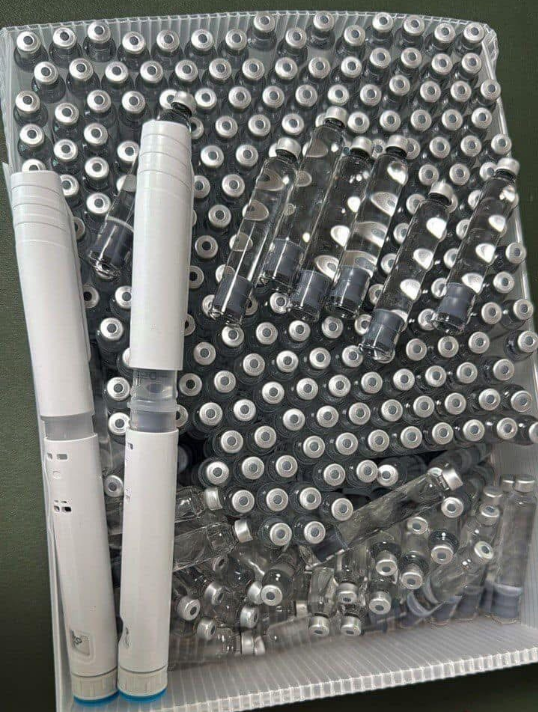
The Cartridge: This is the heart of the pen, the little glass tube that holds your peptide solution. It's pre-filled or inserted by you. Some pens are disposable, meaning the entire pen is thrown away when the cartridge is empty. Others are reusable, where you swap out the cartridge and reuse the pen mechanism.
The Dose Dial: This is the control center. You twist this to select your exact dose. It clicks satisfyingly with each unit. The pen is designed for precision, making it easier to get the exact dose compared to eyeballing it with a syringe.
The Needle: This is the tiny, often invisible, point of contact. It's attached to the pen for a single use and then disposed of. Needles come in different gauges (thickness) and lengths. A finer gauge (like 32G) means a thinner needle, making the injection less painful and more comfortable.
The Plunger/Injection Button: This is what you press to deliver the dose. It's usually at the end of the pen, and you push it all the way down until the dose counter shows zero.
Alright, let's walk through this. I'm going to hold your hand (metaphorically, of course) through this first experience. Remember, a little anxiety is normal. But with a peptide pen, the process is surprisingly anti-climactic in the best way possible.
1. Preparation is Key:
Find a clean, well-lit surface. Wash your hands thoroughly with soap and water. Gather your supplies: your peptide pen, a new needle, and an alcohol swab. Having everything in one place helps you feel more organized and in control.
2. Attach the Needle:
Remove the cap from your peptide pen. Take the new needle out of its sterile packaging. Gently push it onto the end of the pen and twist it until it's secure. Don't overtighten it; you just need it snug. Now, remove the outer needle cap and the inner needle cap.
3. Prime the Pen (Air Shot):
This is a crucial step that many first-timers skip. Priming removes any air bubbles from the needle, ensuring you get a full and accurate dose. Hold the pen with the needle pointing up. Dial a small dose (usually 1-2 units). Now, press the injection button all the way down. You should see a small drop of liquid appear at the tip of the needle. If you don't, repeat the process. Think of it like clearing the line in a garden hose; you need to let the water (or in this case, the peptide solution) flow.
4. Dial Your Dose:
Twist the dose dial to the exact number of units your doctor or protocol specifies. Be precise. One of the main advantages of a peptide pen compared to a standard syringe is the better precision and ease of dialing in your dose.
5. Choose Your Injection Site:
The most common spots are the abdomen (at least 2 inches away from your belly button), the outer thigh, or the back of the upper arm. Rotate your injection sites to avoid lipohypertrophy (a build-up of fat tissue under the skin).
6. Administer the Injection:
Clean the chosen site with the alcohol swab and let it dry for a few seconds. This is important because alcohol can sting and may even affect the peptide. With a firm but gentle motion, pinch a fold of skin. Insert the needle at a 90-degree angle (or as recommended by your healthcare provider) with a quick, dart-like motion. It's faster and causes less discomfort than a slow, hesitant insertion.
7. Press the Button:
Once the needle is inserted, press the injection button all the way down. You'll hear a click as the dose is delivered. Hold the button down for a slow count of 5-10 seconds to ensure the full dose is administered and to prevent the peptide from leaking back out. Then, withdraw the needle.
8. Dispose and Store:
Immediately dispose of the used needle in a designated sharps container. Never try to recap it. Put the cap back on your peptide pen and store it according to the manufacturer's instructions (usually in the refrigerator).
So, you've just done your first injection. What now? For most people, the sensation is minimal. You might feel a tiny, brief sting from the needle insertion. Compared to a traditional syringe, the pen is less painful because the needles are thinner and the injection is faster.
Some users report a slight burning sensation at the injection site. This can happen if the peptide solution is cold (let it warm up a bit before injecting) or if you're allergic to the preservatives in the solution (like benzyl alcohol). If the burning is severe or persists, definitely reach out to your doctor.
What you probably won't feel immediately is any effect from the peptide itself. These aren't like stimulants; they work subtly over time. Don't expect to feel like a superhero in five minutes. The immediate execution phase is all about the physical act of injection, getting comfortable with the process, and setting the stage for consistent use.
Timing is Everything: Some peptides are best taken in the morning, others at night. Follow your protocol religiously.
Consistency: The peptide pen makes it easier to maintain a routine. It's discreet enough to use in a work bathroom or even in your car before hitting the gym.
Don't Panic: If you see a small drop of blood or a tiny welt at the injection site, don't worry. This is normal. A cold compress can help with any minor swelling.
Keep a Log: Track your doses, injection sites, and any side effects. This log is invaluable for your doctor and for yourself to see progress.
The first click with a peptide pen is a significant step. It's taking control of your health and wellness in a way that feels modern and manageable. You're moving from theory to practice, and you've got the best tool for the job in your hand. The peptide pen is just the delivery vehicle, but it's a damn good one that makes the whole process easier, faster, and less intimidating.
Welcome to the maintenance phase! You've had your first few injections. You're no longer a rookie, you're in the groove. But this is where the real work begins. A peptide pen isn't a magic wand; it's a tool, and like any tool, consistent use and a bit of know-how are required to get the best results. This is the maintenance marathon, and we're going to talk about efficacy, troubleshooting, and how to stay on track for the long haul.
This is the million-dollar question, isn't it? You're investing time, money, and effort into this peptide protocol. You need to know if it's actually working. The peptide pen ensures you're getting the right dose consistently, but you need to measure the outcomes. The way you monitor efficacy depends entirely on what you're treating.
For Weight Loss: If you're using a GLP-1 agonist like semaglutide or tirzepatide, you'll be monitoring your weight, of course. But it's more than that. Are you noticing a reduction in appetite? Are your cravings for junk food decreasing? Is your blood sugar stabilizing? The scale is one metric, but how you feel is equally important. Many users report feeling "fuller" faster. The peptide pen is delivering these hormones effectively, and the result is a stronger sense of satiety compared to trying to diet through willpower alone.
For Muscle Growth and Recovery: If you're using peptides like BPC-157 or TB-500, your metrics are different. Are you experiencing faster recovery times after a workout? Are nagging injuries and joint pains starting to fade? Are you seeing improvements in your gym performance? This is more subjective, but it's real. The peptide pen ensures you're getting that healing peptide into your system regularly, and the maintenance phase is where you really start to notice the cumulative effects.
For Anti-Aging and Skin Health: Peptides like GHK-Cu are touted for their regenerative properties. Are you seeing improvements in skin elasticity, tone, or texture? Is your hair or nail growth improving? These changes are subtle and take time. Comparing photos from the start of your journey to now can be a powerful way to track progress.
Even with a state-of-the-art peptide pen, things can go wrong. Being a savvy user means knowing how to troubleshoot. Let's tackle some common issues.
Issue 1: The Pen is Hard to Press or "Stuck"
Why? This often happens if the needle isn't attached properly, or if you have a blockage. Sometimes, the peptide solution can crystallize if stored incorrectly.
What to Do: Check the needle attachment. If you're using a pen with a separate cartridge, ensure it's inserted correctly. If the pen is hard to press, do not force it. Trying to force the plunger can cause the pen to break or deliver an inaccurate dose. Try a new needle. If the problem persists, your pen might be faulty.
Issue 2: No Drop Appears During Priming
Why? An air bubble or a blocked needle.
What to Do: Don't panic. Check the needle to see if it's clogged. Sometimes a tiny piece of rubber from the cartridge septum can get lodged in the needle. If so, replace the needle. If you still can't get a drop, the pen's mechanism might be jammed.
Issue 3: Bruising, Redness, or Swelling at the Injection Site
Why? You might have hit a small blood vessel, or you might be sensitive to the peptide or the preservatives. Bruising is often just due to technique.
What to Do: Ice packs can help reduce swelling. Rotate your injection sites religiously. If the reaction is severe, appears to be infected (warm to the touch, spreading redness), or you develop hives, this could be an allergic reaction. Seek medical attention immediately.
Issue 4: The Pen Runs Out of Dose Before You Finish
Why? There could be an air bubble in the cartridge, or you might not have primed it correctly.
What to Do: Air in the cartridge can take up space. You might need to do a few more "air shots" to get the bubble out. Sometimes, you just need to dial the dose again and re-inject a partial dose. It's a hassle, but it happens. To avoid this, always inspect the cartridge for air bubbles before you start.
I'm not going to sugarcoat it. This is a real-world look at the maintenance phase. It's not always rainbows and butterflies, but the peptide pen makes it infinitely more manageable.
The Good:
The Routine: The peptide pen makes injections so easy that they become second nature. You stop thinking about it, which is the goal. It's faster and easier than brushing your teeth.
The Discretion: You can pop into a bathroom stall or even a quiet corner of the office, and no one will be the wiser. The pen is silent and looks like a writing instrument. It makes this personal therapy more private, and compared to whipping out a full syringe and vial, it's miles better.
The Motivation: For many, the act of using the peptide pen is itself a positive trigger. It's a daily reminder that you're actively doing something for your health, which can be a powerful motivator for maintaining other healthy habits like diet and exercise.
The Bad:
The "Sting": Even with the thinnest needle, sometimes you'll get a sting. It's usually short-lived, but it's an injection, and you will feel it occasionally. Some peptides are more notorious for this than others.
The "Nausea" Factor: For some peptides (especially GLP-1s), nausea is a common side effect, particularly when you first start or increase your dose. The maintenance phase involves navigating this. Starting with a lower dose and titrating up slowly can help. The peptide pen, with its precise dosing, is instrumental in this slow titration process, making it safer.
The "Wasted" Dose: Ever have a pen malfunction and waste a dose? It's infuriating and expensive. It's a risk you take, but you can mitigate it by buying from reputable brands with good return policies and using the pen as instructed.
The Ugly (Rare but Important):
Severe Allergic Reactions: As mentioned, these are rare but possible. Watch for swelling of the face, lips, tongue, or throat, or severe difficulty breathing. This is a medical emergency.
Injection Site Infections: Improper hygiene can lead to infections. Always use a fresh needle and alcohol wipe. Never, ever reuse a needle. It's not worth the risk.
The peptide pen itself requires maintenance, too. Most peptide pens need to be refrigerated. The cold keeps the peptide stable and extends its shelf life. Some pens can be kept at room temperature after the first use, but that's usually for a limited time (like 28 days). Check the manufacturer's instructions. This is a critical "advantage and disadvantage" scenario.
Advantage: Refrigeration ensures the peptide remains potent for longer. The pen itself is often designed to be stored in the fridge door, keeping it cool and ready to use. It's more convenient than storing a vial and a syringe.
Disadvantage: Some users find injecting a cold liquid uncomfortable. It can sting more. The fix is to take the pen out of the fridge 15-20 minutes before your injection to let it come to room temperature. This makes the injection more comfortable.
The maintenance marathon is a test of consistency and patience. The peptide pen is your ally, helping you navigate the ups and downs with precision and ease. It's about trusting the process and watching the long-term results slowly but surely manifest.

So you've been using your peptide pen for weeks, maybe even months. You're seeing the results—weight is coming off, you're recovering faster, your skin is glowing. You're a fan, and you're probably thinking about the long haul. What does the horizon look like? What happens if you want to stop? These are crucial questions that often get overshadowed by the initial excitement. Let's talk about the long-term safety and the often-overlooked discontinuation phase.
Peptide therapy, particularly with a peptide pen, is often viewed as a long-term commitment. Whether you're managing a chronic condition like diabetes or optimizing your performance, the question of long-term safety is paramount.
1. GLP-1 Agonists and the Long Game:
Drugs like semaglutide and tirzepatide, delivered via peptide pens, have been studied extensively for chronic weight management and diabetes. The data shows they are effective and relatively safe for long-term use. They help with blood sugar control and weight management in a way that is more effective than lifestyle interventions alone. However, there are known side effects to be aware of.
Gastrointestinal Issues: Nausea, vomiting, constipation, and diarrhea are common. For some, these are transient and fade over time. For others, they are a persistent nuisance. In very rare cases, there is a risk of severe issues like pancreatitis or gallbladder disease. Regular check-ups with your doctor, including blood work, are non-negotiable.
Heart Rate: Some GLP-1 agonists can cause a slight but measurable increase in resting heart rate. It's usually not a clinical concern, but for individuals with pre-existing heart conditions, this is something to monitor closely.
2. Research Peptides: The Great Unknown:
If you're sourcing your peptides from a research lab, the long-term safety profile is a complete mystery. There are no long-term clinical trials. The potential benefits are often based on animal models or anecdotal evidence. This is where the "risk" conversation gets real. Are you willing to be a guinea pig? Some research peptides have been used for decades, like BPC-157, with a lot of positive anecdotal reports. Others are newer and less understood. The peptide pen doesn't change the nature of the substance; it only changes how it's delivered.
3. The "Less is More" Philosophy:
Many experts recommend cycling certain peptides. This means using them for a period (e.g., 8-12 weeks) and then taking a break. This is done to prevent the body from down-regulating its own natural production of the peptide or to prevent tolerance from building. The peptide pen makes cycling easier. You can take a break, then seamlessly start a new cycle when you're ready. Compared to other delivery methods, it's easier to just put the pen away and pick it up later.
This is the "11th question no one asks." Everyone focuses on starting the therapy, but what happens when you stop? The answer depends on the peptide.
1. For Weight Loss Peptides (GLP-1s):
If you've been using a GLP-1 agonist for weight loss, stopping abruptly is a well-documented challenge. You will likely experience a rebound effect. That's a clinical way of saying your appetite will come roaring back. Your blood sugar may spike. You might regain the weight you lost, and potentially even more. It's a biological reality. The peptide pen was suppressing your appetite, and removing that suppression is like taking your foot off the brake on a downhill slope. You'll go fast, often in the wrong direction.
Why does this happen? Your body has grown accustomed to the peptide. Suddenly removing it sends your hunger hormones into overdrive. To mitigate this, a tapering strategy is often recommended. Reduce your dose over several weeks rather than stopping cold turkey. The peptide pen, with its precise dosing, is ideal for this.
2. For Recovery and Healing Peptides (BPC-157, TB-500):
Discontinuing these is usually less dramatic. The underlying issue (e.g., a tendon injury) may have been healed or significantly improved during the cycle. After stopping, you might maintain the gains or, in some cases, experience a slow return of symptoms. The key is to use that time on the peptide to also do physical therapy or other rehabilitative work to make the recovery permanent.
3. The Psychological Crutch:
There's a psychological element to using a peptide pen. It's a daily ritual that reinforces your "healthy" identity. When you stop, that daily reminder is gone. You need to have a plan for what replaces it. Maybe you switch to a daily supplement, or you focus more on your training. The psychological transition is as important as the physiological one.
4. What to do if you want to stop:
Don't go cold turkey: Consult with your doctor or practitioner to design a tapering schedule.
Be prepared for cravings: If you're stopping a weight loss peptide, stock your fridge with healthy, satiating foods. You're going to be hungry.
Increase your exercise: This helps manage blood sugar and weight, and it can also boost your mood.
Remember your "why": You started this journey for a reason. Whether you achieved that reason or not, use it as motivation to maintain the healthy habits you've built.
The horizon is a broader, long-term view. The peptide pen is a fantastic tool for this phase because its precision allows for fine-tuning and tapering. It empowers you to take control of your health journey, from the start, through the middle, and right to the very end, if you choose to end it.
We've covered the journey from the first curious glance at the pharmacy or website to the ongoing maintenance and the eventual, thought-out discontinuation. We've talked about safety, sourcing, usage, and efficacy. But there's one final, critical question that rarely gets asked. It's the 11th question, the one that lingers in the back of your mind after all the practicalities have been addressed.
The 11th Question: "Will this truly change my life, or am I just chasing a shortcut?"
It's a profound question, and the answer is complex. The peptide pen is undeniably a technological marvel. It's faster and easier than traditional methods. It's more precise and more discreet. Compared to the old days of needles and vials, it's a quantum leap forward. But it's only a tool.
A Ferrari is an incredible machine, but it won't make you a better driver. A MacBook Pro is a powerful laptop, but it won't write a novel for you. The same logic applies to the peptide pen. It's a delivery system. It's a vessel. The real transformation comes from the synergy between the technology and the intention.
Are you using a peptide pen as part of a holistic health strategy that includes diet, exercise, and sleep? Or are you using it because you think it's a magic bullet that will solve all your problems without any effort on your part? If it's the latter, you're setting yourself up for disappointment.
The true value of the peptide pen lies in its ability to integrate seamlessly into a disciplined lifestyle. It removes the friction and the hassle, allowing you to focus on the bigger picture: getting healthier, feeling better, and performing at your best. It's a catalyst for change, not the change itself.
So, as you stand at the precipice of your peptide journey, look beyond the pen. Ask yourself the hard questions. Are you ready to put in the work? Are you committed to the long haul? The peptide pen can make the physical act of injection a breeze, but it can't make the difficult decisions for you. It can't force you to eat right, hit the gym, or get enough sleep. It can only support you on the path you've already chosen.
The 11th question is a mirror held up to your intentions. Take a long, hard look, and then decide if you're truly ready for the responsibility. If you are, that little peptide pen might just become your favorite tool for a healthier, happier, and more vibrant you. But remember, its power is only as strong as your will to use it wisely.
Question | Answer |
|---|---|
What is a peptide pen exactly? | A peptide pen is a medical device used to inject peptides—short chains of amino acids that can have various therapeutic effects. It combines the peptide solution and an injection mechanism into a single, easy-to-use device. It is faster and easier to use than traditional syringes and vials. |
Is a peptide pen better than a traditional syringe? | For most people, yes. It is more convenient, easier to dose precisely, and the needles are often thinner, making the injection less painful. However, traditional syringes can be less expensive for the raw medication itself, and some people prefer the control of drawing their own dose. |
Are peptide pens expensive? | It depends. Prescription peptide pens for branded medications (like Ozempic, Mounjaro) are more expensive—often costing hundreds of dollars per month. Research peptide pens and peptides are less expensive but also riskier. The initial cost of the pen itself is usually a one-time expense, with refill cartridges costing the ongoing amount. |
Can I reuse the needle on a peptide pen? | Absolutely not. Needles are for single use only. Reusing a needle is a major health risk. It can lead to infection, and the needle can become dull, making the injection more painful. This is a key safety rule for any injectable medication. |
How do I store my peptide pen? | Most peptide pens and their cartridges need to be refrigerated (between 36-46°F or 2-8°C). This keeps the peptide stable and effective. Some pens can be kept at room temperature for a short period (like 28 days) after the first use. Always check the specific instructions that come with your pen and medication. |
What are the most common side effects? | Side effects vary depending on the peptide. For GLP-1s, nausea, vomiting, and diarrhea are common. For other peptides, side effects may be mild, like injection site redness or a slight "sting." Allergic reactions are rare but serious. If you experience severe side effects, contact your healthcare provider immediately. |
Can I travel with a peptide pen? | Yes, but you need to plan. Keep it in your carry-on bag to avoid temperature extremes in the cargo hold. You'll need to declare it at security. It's a good idea to carry your prescription or a doctor's note, especially for international travel. |
Where is the best place to inject? | The most common and recommended sites are the abdomen (at least 2 inches away from the belly button), the outer thigh, and the back of the upper arm. Rotating sites is crucial to avoid tissue damage. |
How long does it take to see results? | This depends on the peptide and your individual response. Some effects, like appetite suppression from GLP-1s, can be felt within hours or days. Other effects, like muscle recovery or skin improvement, may take several weeks. Consistency is key. |
Do I need a prescription? | For FDA-approved peptides used for treating medical conditions, yes, you need a prescription. For research peptides, you can often buy them without a prescription, but they are technically for "research only" and not approved for human use. We strongly advise going the prescription route for safety. |


