
Views: 0 Author: Site Editor Publish Time: 2026-07-16 Origin: Site


Peptides have become one of the hottest topics in modern healthcare, sports medicine, metabolic health, and even anti-aging research. As peptide-based medications continue to gain popularity, the devices used to administer them have also evolved. Among these innovations, the peptide pen has emerged as one of the most convenient, accurate, and user-friendly delivery systems available today.
Think about how smartphones replaced bulky flip phones. The core purpose—communication—didn't change, but the experience became dramatically better. The same idea applies to peptide delivery. Traditional syringes still work, but peptide pens simplify the entire process, making injections more consistent, less intimidating, and often safer for many users.
Whether you're researching peptide therapy for diabetes, weight management, hormone replacement, clinical research, or physician-prescribed wellness treatments, understanding how a peptide pen works is essential before making any decisions.
This comprehensive guide explores everything you need to know about peptide pens—from their underlying technology to their advantages, limitations, correct usage, safety considerations, and where the industry is heading next. Rather than offering exaggerated claims, this article focuses on practical, evidence-informed information to help readers understand why peptide pens have become increasingly common in modern medicine.
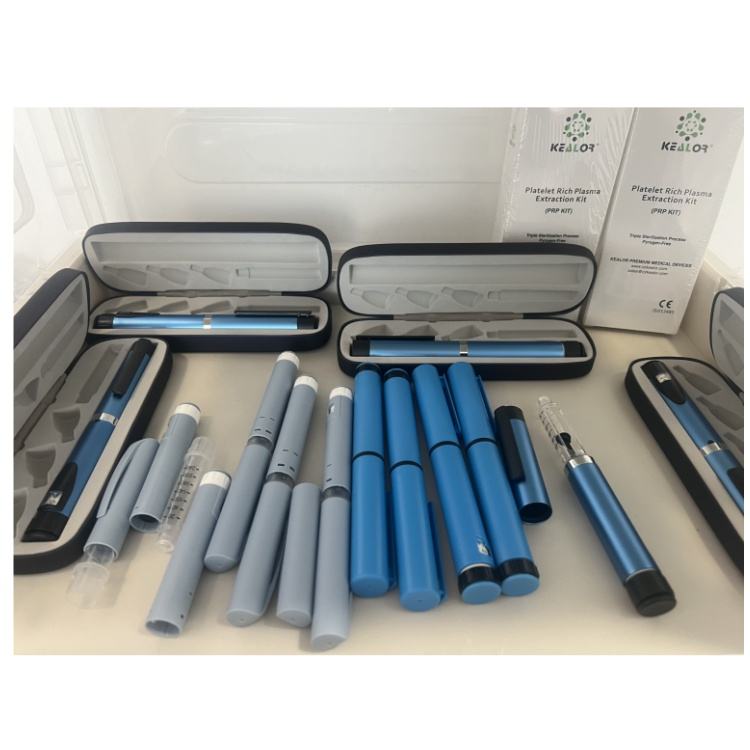
At its simplest, a peptide pen is an injection device specifically designed to deliver a precise dose of a peptide medication through a small needle. Instead of manually drawing medication into a syringe from a vial, the pen simplifies dosing by allowing users to dial or select the prescribed amount before injecting.
The concept sounds simple, but its impact is enormous.
Traditional injections require several individual steps:
Sterilizing equipment
Drawing medication
Removing air bubbles
Measuring dosage
Injecting correctly
Disposing of equipment safely
A peptide pen combines many of these steps into one streamlined process.
Imagine switching from writing with a fountain pen that requires dipping into ink every few sentences to using a modern ballpoint pen. Both accomplish the same task, but one dramatically reduces complexity.
That's essentially what peptide pens accomplish.
Before discussing peptide pens further, it's worth understanding what peptides actually are.
Peptides are short chains of amino acids.
If proteins are entire books, peptides are individual paragraphs.
These smaller biological molecules serve as messengers throughout the human body, influencing numerous physiological processes including:
Hormone production
Appetite regulation
Blood sugar control
Tissue repair
Muscle maintenance
Skin regeneration
Immune signaling
Cellular communication
Several FDA-approved medications are peptide-based, including certain GLP-1 receptor agonists used for diabetes and obesity. Many additional peptides are also being studied in clinical research for other therapeutic applications.
Most peptide pens include several essential components.
Peptide Pen Component | Purpose |
|---|---|
Medication cartridge | Stores peptide solution |
Dose selector | Allows accurate dosing |
Disposable needle | Delivers medication under the skin |
Injection button | Releases medication |
Protective cap | Maintains cleanliness |
Dose window | Displays selected dosage |
Unlike traditional syringes, peptide pens are engineered to minimize user error.
Instead of estimating dosage visually, users simply dial the prescribed amount.
Compared with manual syringes, this approach often provides greater dosing consistency when used correctly.
Not every peptide pen works exactly the same.
Generally speaking, there are three categories.
These arrive with medication already inside.
Advantages include:
Ready to use
Minimal preparation
Reduced contamination risk
Better convenience
Disadvantages include:
More expensive
Cannot usually be refilled
Less environmentally friendly
Reusable systems accept replaceable cartridges.
Compared to disposable versions, they are:
Less expensive over time
More environmentally friendly
Higher initial purchase cost
Many long-term peptide users appreciate reusable systems because replacing cartridges is often cheaper than replacing the entire device.
Technology continues advancing.
Some modern injection pens now include features like:
Bluetooth connectivity
Injection reminders
Dose tracking
Smartphone synchronization
Usage history
Compliance monitoring
These features may improve medication adherence for some patients, though availability varies by manufacturer and medication.
Several trends explain their growing popularity.
First, chronic diseases requiring injectable medications have increased worldwide.
Second, more people are receiving peptide-based therapies prescribed by healthcare professionals.
Third, manufacturers have focused on improving patient experience.
Compared to older injection methods, peptide pens generally provide:
Faster preparation
Better portability
Easier storage
More consistent dosing
Less intimidating appearance
These advantages can improve user confidence, particularly for people who are new to self-injection.
Depending on the medication, peptide pens may be used for:
Type 2 diabetes
Weight management
Growth hormone deficiency
Fertility treatments
Certain endocrine disorders
Some peptides discussed online are investigational and have not been approved for general medical use. It's important to distinguish between FDA-approved medications and research compounds.
Technology rarely becomes popular without solving real-world problems.
The peptide pen didn't revolutionize injections simply because it looks modern.
It succeeded because it addresses several longstanding challenges associated with injectable medications.
Let's examine the four major reasons.
Imagine baking a cake.
If one recipe calls for exactly one teaspoon of baking powder, would you estimate it using your hand?
Probably not.
Small measurement errors produce inconsistent results.
Medication works similarly.
Accurate dosing matters.
Many peptide medications are effective only within carefully prescribed dosage ranges.
Compared with manually measuring medication into a syringe, peptide pens can simplify dose selection and reduce certain preparation errors when used as directed.
This improved consistency is particularly valuable for medications requiring long-term therapy.
Too little medication may reduce treatment effectiveness.
Too much medication may increase adverse effects.
Accurate delivery helps healthcare providers monitor treatment response more effectively because dosing is more standardized.
Convenience is often underestimated.
People are much more likely to continue treatment when daily routines become easier.
Traditional injection workflow may involve:
Alcohol wipes
Medication vial
Syringe
Needle
Mixing
Measuring
Disposal
A peptide pen dramatically reduces preparation time.
Many users complete the entire process in only a few minutes.
For busy professionals, parents, travelers, and older adults, this convenience can make a meaningful difference in day-to-day adherence.
Peptide pens are generally compact.
Compared to carrying multiple syringes and medication vials, one pen may occupy considerably less space.
However, users should always follow manufacturer recommendations regarding temperature requirements and storage conditions, especially when traveling.
Let's be honest.
Many people dislike needles.
Some avoid treatment altogether because injections feel overwhelming.
Peptide pens are specifically designed to reduce that psychological barrier.
Compared with traditional syringes, many users report that pens feel:
Simpler
Less intimidating
Faster
More discreet
Modern needles are also extremely thin.
Although discomfort varies from person to person, subcutaneous injections with fine-gauge pen needles are often described as relatively mild.
Every unnecessary step introduces another opportunity for mistakes.
Pens eliminate many preparation steps.
The simpler the process becomes, the more confident many users feel.
Confidence often translates into better long-term adherence to prescribed therapy.
Safety is one of the strongest reasons healthcare providers increasingly favor pen devices for many injectable medications.
Modern peptide pens may include safety-oriented design elements such as:
Clearly marked dose windows
Audible dose clicks
Needle shielding
Locking mechanisms
Consistent injection depth (depending on design)
These features do not eliminate risks, but they can reduce certain user errors compared with traditional manual preparation.
Proper training remains essential.
Despite their advantages, peptide pens are not perfect.
Some drawbacks include:
Advantage | Potential Limitation |
|---|---|
Easier dosing | Device cost may be higher |
Faster preparation | Not every peptide is available in pen format |
Portable | Some products require refrigeration |
User-friendly | Disposable components create waste |
Consistent delivery | Mechanical devices can occasionally malfunction |
Understanding both strengths and limitations helps users make informed decisions rather than assuming one system is universally better than another.
Healthcare providers consider many factors when recommending a delivery system, including:
The patient's manual dexterity
Vision
Experience with injections
Frequency of dosing
Medication type
Lifestyle
Ability to follow instructions
For many patients, peptide pens strike a balance between precision, convenience, and usability. However, the most appropriate option depends on the specific medication, the individual's medical needs, and professional guidance.
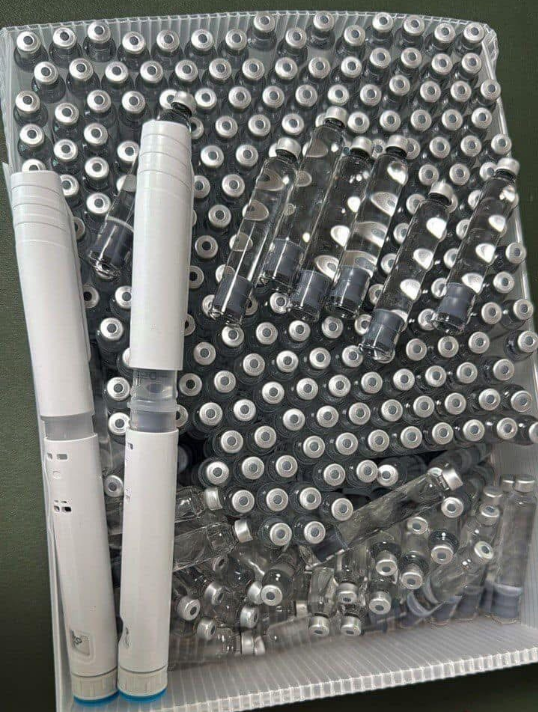
Choosing a peptide pen isn't just about following the latest healthcare trend. Like selecting between a manual transmission and an automatic car, each delivery method has strengths and trade-offs. The best option depends on the medication, the patient's needs, their comfort level, and their healthcare provider's recommendations.
Let's compare peptide pens with other common peptide delivery methods to understand where each one shines—and where it may fall short.
For decades, syringes have been the standard method for administering injectable peptide medications. They remain widely used in hospitals, clinics, and home settings.
However, compared with a peptide pen, traditional syringes require more preparation and attention to detail.
Feature | Peptide Pen | Traditional Syringe |
|---|---|---|
Ease of use | Better for beginners | Requires more training |
Dose accuracy | High when used correctly | Depends on careful measurement |
Preparation time | Faster | Slower |
Portability | More convenient | Less convenient |
Initial cost | More expensive | Less expensive |
Long-term convenience | Better | Moderate |
User confidence | Higher for many patients | May feel intimidating |
Waste | Disposable needles; some pens are reusable | Disposable syringes and needles |
Although peptide pens are convenient, syringes still have advantages in certain situations.
For example:
Medications that are not available in pen form
Customized dosing prescribed by specialists
Compounded peptide preparations
Clinical or hospital environments
Lower upfront equipment costs
Compared to pens, syringes offer greater flexibility but require greater attention to technique.
Auto-injectors are another type of injection device commonly used for emergency medications or biologics.
At first glance, they seem similar to peptide pens.
However, they serve different purposes.
Auto-injectors typically deliver one fixed dose with minimal user input.
Peptide pens, by comparison, often allow users to adjust the prescribed dose before injection.
For medications requiring individualized dosing, peptide pens usually offer greater flexibility.
For emergency medications where speed matters most, auto-injectors are generally faster because they eliminate nearly all preparation.
Researchers have long sought ways to deliver peptides without injections.
The challenge is simple: many peptides are broken down by stomach acid and digestive enzymes before they can enter the bloodstream.
Some oral peptide-based medications have been developed using specialized formulations, but injectable delivery remains necessary for many peptide therapies.
No needles
Familiar administration
Convenient for some patients
More reliable absorption for injectable peptides
Avoids degradation in the digestive tract
Established delivery method for many approved peptide medications
Compared with oral formulations, injectable peptide pens may provide more predictable delivery for medications designed to be administered subcutaneously.
Needle-free injectors use high-pressure technology to push medication through the skin.
They sound futuristic—and in many ways they are.
However, they remain less common.
Feature | Peptide Pen | Needle-Free Injector |
|---|---|---|
Availability | Widely available for many approved medications | More limited |
Cost | Moderate | Often higher |
Training | Relatively simple | May require additional instruction |
Patient familiarity | High | Lower |
Maintenance | Minimal | Sometimes more complex |
Needle-free technology continues to evolve, but peptide pens currently remain the more widely adopted option for many injectable therapies.
Some peptide medications are supplied in vials that require reconstitution (mixing a powdered medication with a sterile liquid) before injection.
Compared with these systems, peptide pens offer a simpler workflow.
Imagine assembling furniture versus buying it preassembled.
Both can achieve the same goal, but one requires significantly more preparation.
Reduced preparation time
Lower risk of certain handling errors
Improved portability
Better convenience during travel
Easier for people with limited dexterity
One of the biggest questions patients ask is:
"Are peptide pens worth the extra money?"
The answer depends on perspective.
Traditional syringes are generally less expensive initially.
Pens may involve:
Device costs
Replacement cartridges
Disposable pen needles
Compared with syringes, peptide pens may reduce:
Dosing mistakes
Wasted medication
Time spent preparing injections
For many people, those practical advantages outweigh the higher purchase price.
Different lifestyles influence which delivery method feels most practical.
Peptide pens often fit neatly into fast-paced routines because injections typically require fewer preparation steps.
Pens are compact and discreet.
However, users should always follow manufacturer recommendations regarding storage temperature, especially if refrigeration is required.
Many older patients appreciate:
Larger dose displays
Easier grip
Reduced hand coordination requirements
Beginners often report greater confidence using a peptide pen compared with a traditional syringe after appropriate instruction from a healthcare professional.
Better convenience
Faster preparation
More consistent dosing
Easier portability
User-friendly design
Reduced preparation complexity
Improved confidence for many first-time users
More expensive upfront
Medication availability varies
Mechanical devices require proper handling
Disposable components contribute to environmental waste
Some pens require refrigeration
Not everyone who hears about peptide therapy is an appropriate candidate for a peptide pen.
The device itself is only one part of the equation. The medication it delivers—and the reason for treatment—are far more important.
Let's look at the groups who may benefit from peptide pen technology, always under the guidance of a qualified healthcare professional.
One of the most established uses of peptide pens is for certain injectable medications prescribed to help manage type 2 diabetes.
Some peptide-based therapies help improve blood glucose regulation by:
Stimulating insulin release in response to meals
Reducing glucagon secretion
Slowing gastric emptying
Increasing feelings of fullness
For many patients, the pen format makes routine injections less burdensome.
Compared with drawing medication from a vial, the simplified dosing process can improve day-to-day treatment adherence.
Certain peptide medications are also approved for chronic weight management in eligible adults—and in some cases adolescents—when prescribed by a healthcare professional.
These medications work by influencing appetite regulation and satiety.
Compared with lifestyle changes alone, some patients achieve greater weight loss when medication is combined with healthy eating, physical activity, and ongoing medical supervision.
It's important to remember that peptide medications are not cosmetic shortcuts. They are prescription treatments intended for specific medical indications.
Some peptide therapies are prescribed for endocrine conditions, such as specific hormone deficiencies.
Depending on the condition, patients may require regular injections over long periods.
In these cases, peptide pens can make ongoing therapy more manageable by reducing preparation time and simplifying dose administration.
Several fertility medications are peptide-based and may be administered using pen devices.
Compared with traditional syringes, pens can make self-injection at home more approachable during what is often an emotionally demanding treatment journey.
Some people need injections weekly.
Others inject daily.
Still others follow individualized schedules prescribed by specialists.
When injections become part of everyday life, convenience matters.
A peptide pen can help reduce the routine burden by streamlining the injection process.
While peptide pens are designed for ease of use, certain individuals should receive additional instruction or assistance.
These may include:
People with significant visual impairment
Individuals with severe arthritis affecting hand function
Patients with cognitive impairment
Children (when applicable, under adult supervision)
Anyone who has not received training in proper injection technique
Healthcare professionals can determine whether additional support or alternative administration methods are appropriate.
It's important to distinguish between side effects caused by the device and those caused by the medication.
Some users may experience:
Mild redness at the injection site
Temporary discomfort
Minor bruising
Small amounts of bleeding
Local skin irritation
These effects are often mild and resolve on their own.
Side effects vary depending on the specific peptide medication.
For example, some injectable peptide medications may cause:
Nausea
Vomiting
Diarrhea
Constipation
Reduced appetite
Headache
Fatigue
Rare but serious adverse effects are possible with some medications. Patients should review the prescribing information and discuss risks with their healthcare provider.
A peptide pen is a delivery device—not a reason to begin treatment.
Individuals should not self-prescribe peptide medications based solely on social media, online advertisements, or anecdotal reports.
Medical evaluation is especially important for people who are:
Pregnant or breastfeeding (unless specifically advised by a healthcare professional)
Taking multiple prescription medications
Living with significant kidney or liver disease
Experiencing unexplained symptoms
Using investigational or non-approved peptide products
Using a peptide pen correctly begins with using the right medication for the right medical indication.
One of the biggest misconceptions surrounding peptide therapy is the expectation of immediate results.
Whether the goal is blood glucose control, weight management, or another approved indication, improvements generally occur over time and require consistency.
Think of a peptide pen as a reliable vehicle.
Owning a dependable car doesn't guarantee you'll arrive at your destination instantly. You still need the right route, proper maintenance, and consistent driving.
Likewise, successful peptide therapy depends on:
Appropriate medical supervision
Correct dosing
Healthy lifestyle habits when recommended
Regular follow-up appointments
Adherence to the prescribed treatment plan

Owning the most advanced peptide pen doesn't automatically guarantee safe or effective treatment. Think of it like owning a high-performance camera. The equipment may be excellent, but the results still depend on using it correctly.
Proper injection technique helps improve dose consistency, minimizes discomfort, and reduces the likelihood of contamination or injection-site problems. While exact instructions vary depending on the medication and manufacturer, the following principles apply to most FDA-approved peptide pen systems. Always follow the specific instructions provided with your prescribed medication and any guidance from your healthcare professional.
Many users make the mistake of assuming all injection pens operate the same way.
In reality, different manufacturers may use different:
Dose selection mechanisms
Needle attachment methods
Priming procedures
Injection times
Storage recommendations
Spending a few minutes reading the manufacturer's instructions can prevent avoidable errors later.
Storage requirements vary depending on the medication.
Some peptide pens require refrigeration before first use, while others may be stored at room temperature for a specified period after opening. Exposure to excessive heat, freezing temperatures, or direct sunlight can affect medication stability.
Situation | General Recommendation |
|---|---|
Before first use | Follow manufacturer storage instructions, which may include refrigeration |
During daily use | Follow the product-specific temperature recommendations |
Traveling | Use an insulated travel case if refrigeration is required |
Freezing | Avoid freezing unless specifically instructed |
Direct sunlight | Avoid prolonged exposure |
Always consult the prescribing information for the specific medication rather than relying on general advice.
This sounds simple, but it's one of the most important safety measures.
Clean hands reduce the risk of introducing bacteria during the injection process.
Use soap and water or an alcohol-based hand sanitizer before handling the pen.
Before every injection, check:
The medication label
Expiration date
Solution appearance (if visible)
Pen body for damage
Dose window
Cartridge integrity (for reusable systems)
Do not use a pen if:
The medication appears cloudy when it should be clear.
The solution contains particles (unless expected for that product).
The pen is cracked or damaged.
The medication has expired.
A fresh sterile needle should generally be used for each injection.
Reusing needles can:
Increase discomfort
Dull the needle tip
Raise the risk of contamination
Increase the chance of needle blockage
Compared with a new needle, a reused needle is usually less comfortable and may not perform as intended.
Some peptide pens require priming before use.
Priming removes small air bubbles and confirms that medication can flow through the needle.
Not every pen requires priming before every injection, so always follow the product-specific instructions.
Dose accuracy is one of the biggest advantages of a peptide pen.
Before injecting:
Confirm the prescribed dose.
Turn the dose selector carefully.
Double-check the dose window.
Never guess.
Never estimate.
If the dose displayed doesn't match your prescription, reset it before injecting.
Most peptide pens deliver medication into the subcutaneous tissue, the layer of fat just beneath the skin.
Common injection sites include:
Abdomen (avoiding the area immediately around the navel)
Front of the thighs
Outer upper arms (if appropriate and practical)
Rotating injection sites is recommended to reduce the risk of skin irritation or tissue changes from repeated injections in the same location.
Although devices differ, the basic process often includes:
Place the pen against the skin as instructed.
Press the injection button.
Keep the pen in place for the recommended number of seconds.
Remove the pen gently.
Removing the pen too quickly may result in incomplete dose delivery with some devices.
After injection:
Remove the needle carefully.
Place it immediately into an approved sharps container.
Never throw loose needles into household trash.
Never share needles or pens with another person, even if the needle has been changed.
Sharing injection devices can transmit infections and is strongly discouraged.
Even experienced users occasionally develop habits that reduce the effectiveness or safety of injections.
Common Mistake | Why It Matters |
|---|---|
Skipping hand washing | Increases contamination risk |
Reusing needles | More discomfort and potential contamination |
Injecting into the same location repeatedly | May contribute to skin changes |
Ignoring expiration dates | Medication quality may be affected |
Incorrect dose selection | May reduce effectiveness or increase adverse effects |
Improper storage | May compromise medication stability |
Some users experience temporary:
Redness
Mild swelling
Itching
Bruising
Tenderness
These reactions are often short-lived.
However, seek medical advice if you notice:
Severe pain
Significant swelling
Persistent redness
Drainage
Fever
Signs of an allergic reaction, such as difficulty breathing or widespread swelling (this requires immediate medical attention).
Travel doesn't have to interrupt treatment.
Before traveling:
Pack extra pen needles.
Bring enough medication for the entire trip.
Carry prescriptions if traveling internationally.
Keep medications within recommended temperature ranges.
Carry medications in your hand luggage when flying.
A little planning helps avoid unnecessary stress during your journey.
Many peptide medications work best when taken consistently.
Setting reminders on your phone or using medication-tracking apps may help improve adherence, especially for treatments taken weekly or daily.
Consistency often matters just as much as the device itself.
The peptide pen has already transformed how many injectable medications are delivered, but the technology continues to evolve.
Looking ahead, manufacturers, researchers, and healthcare providers are exploring ways to make peptide therapy even more precise, convenient, and personalized.
The next generation of peptide pens is expected to incorporate more digital health features.
Emerging technologies may include:
Bluetooth connectivity
Automatic dose logging
Smartphone integration
Missed-dose reminders
Data sharing with healthcare providers (where appropriate)
Battery-powered dose confirmation
These features could help patients and clinicians monitor treatment adherence more effectively.
Artificial intelligence (AI) is increasingly being explored in healthcare.
Future systems may be able to:
Analyze medication adherence
Suggest reminders
Track treatment patterns
Integrate with glucose monitoring or wearable devices (where applicable)
While promising, these technologies are still developing and should complement—not replace—clinical judgment.
Scientists continue to investigate peptide formulations that remain effective for longer periods.
Compared with daily injections, medications requiring weekly—or even less frequent—administration may improve convenience and adherence for some patients.
Not all peptides can be reformulated this way, but ongoing research aims to expand these options.
Needles themselves are becoming more advanced.
Future designs may focus on:
Smaller diameters
Reduced insertion force
Enhanced coatings to minimize discomfort
Improved safety mechanisms to reduce accidental needle sticks
Even modest improvements can enhance the overall patient experience.
Healthcare also faces the challenge of reducing environmental impact.
Manufacturers are exploring:
Recyclable materials
Reusable pen systems
Reduced plastic packaging
More sustainable manufacturing processes
Balancing patient safety with environmental responsibility will remain an important goal.
Researchers continue to investigate peptide-based therapies for a wide range of conditions.
Areas of ongoing research include:
Metabolic diseases
Cardiovascular health
Autoimmune disorders
Neurological conditions
Rare endocrine diseases
However, investigational peptides should not be viewed as established treatments until they have been adequately studied and approved by regulatory authorities.
The rise of telemedicine has also influenced peptide therapy.
Patients may now receive:
Virtual follow-up appointments
Injection technique education
Medication adherence support
Remote monitoring (for some therapies)
Combined with peptide pen technology, telemedicine can improve access to care for many individuals, particularly those living in remote areas.
Despite impressive progress, several challenges remain:
Cost and insurance coverage
Global access to peptide medications
Cold-chain storage requirements for some products
Patient education
Safe disposal of sharps
Counterfeit or unapproved products sold online
Addressing these issues will be essential as peptide therapies become more widely used.
The future of peptide pens is likely to be defined by three major themes:
Greater convenience through smarter devices and longer-acting medications.
Better personalization using digital tools and data-driven healthcare.
Broader accessibility as technology advances and manufacturing evolves.
While no technology is perfect, peptide pens are expected to remain an important part of modern injectable therapy for many years to come.

The peptide pen represents far more than a modern alternative to the traditional syringe. It reflects a broader shift in healthcare toward treatments that are not only clinically effective but also easier for patients to incorporate into everyday life. As peptide-based therapies continue to expand across areas such as diabetes management, weight management, endocrinology, and other specialized fields, the demand for reliable and user-friendly delivery systems is likely to grow alongside them.
Compared with conventional vial-and-syringe methods, peptide pens generally offer a simpler, faster, and more convenient injection experience. Features such as dial-a-dose mechanisms, ergonomic designs, and compact portability can help reduce preparation time and improve confidence, particularly for individuals who are new to self-injection. For many patients, these practical advantages translate into better treatment adherence—a critical factor in achieving long-term therapeutic goals.
However, convenience should never be confused with universality. A peptide pen is only as effective as the medication it delivers and the way it is used. Proper storage, accurate dosing, safe injection technique, and regular follow-up with a healthcare professional remain essential. No delivery device can compensate for an incorrect diagnosis, inappropriate prescribing, or inconsistent use.
It's also important to maintain realistic expectations. Peptide therapies are not miracle cures. They work best as part of a comprehensive treatment plan that may include healthy nutrition, regular physical activity, adequate sleep, and ongoing medical supervision. Sustainable health improvements are usually the result of many consistent, evidence-based decisions rather than one device or one medication.
As technology advances, peptide pens are expected to become even smarter, integrating with digital health platforms, wearable devices, and personalized treatment plans. Future innovations may further improve dosing precision, patient engagement, and long-term adherence while reducing environmental impact through more sustainable designs.
For anyone considering peptide therapy, the best starting point is not choosing a device—it's having an informed discussion with a qualified healthcare professional. Together, you can determine whether peptide therapy is appropriate, which medication is most suitable, and whether a peptide pen is the best delivery option for your individual circumstances.
In short, the peptide pen is an important advancement in drug delivery technology. When prescribed appropriately and used correctly, it can make injectable peptide therapy more accessible, more manageable, and more consistent for many patients.
Question | Answer |
|---|---|
What is a peptide pen? | A peptide pen is a reusable or disposable injection device designed to deliver a prescribed dose of a peptide medication into the subcutaneous tissue using a fine disposable needle. |
Are peptide pens reusable? | Some are reusable with replaceable medication cartridges, while others are pre-filled disposable devices. This depends on the specific product. |
Do peptide pen injections hurt? | Most users report only mild discomfort because modern pen needles are very thin. Individual experiences vary depending on the injection site, technique, and pain sensitivity. |
Can I reuse a peptide pen needle? | No. Manufacturers generally recommend using a new sterile needle for each injection to reduce the risk of infection, needle damage, and inaccurate dosing. |
Where should I inject a peptide pen? | Common injection sites include the abdomen, thigh, and upper arm (when appropriate). Rotate injection sites regularly to reduce skin irritation. |
Can peptide pens be shared? | No. A peptide pen should never be shared with another person, even if the needle has been changed, because of the risk of transmitting infections. |


