
Views: 0 Author: Site Editor Publish Time: 2026-08-25 Origin: Site


Let's be real for a second. When you picture "testosterone," what comes to mind? For most of us, it's probably a vial of oil, a gel, or maybe one of those little patches you stick on your skin. But have you ever stopped to wonder about the journey that hormone takes before it gets into that delivery system? It all starts with a humble, often white or off-white powder. That's right—the bedrock of virtually every injectable and transdermal testosterone product on the market is a raw, crystalline powder. It’s the "flour" in the bakery of hormone replacement, if you will.
So, what exactly is this powder? We're talking about the base molecule, the foundational chemical structure of testosterone. In its raw form, it's a lipophilic (fat-loving) steroid hormone derived from cholesterol. The chemical formula is C19H28O2, and its molecular weight is about 288.42 g/mol. But just having a pile of this powder isn't enough to do the job. If you tried to just swallow it, your liver would destroy it in a process called "first-pass metabolism." This is the liver's job, and it's really good at it. It would break down the testosterone before it ever had a chance to reach your bloodstream, rendering it virtually useless. That’s where a little molecular "dressing up" comes into play.
This is where the science gets truly fascinating and where the powder evolves into different "flavors" for different uses. The raw powder is the canvas, and chemists are the artists. They manipulate the base molecule by adding different ester chains. Think of an ester as a "delivery timer." It's a chemical tail attached to the testosterone molecule. This tail makes the molecule more oil-soluble. When you inject it into a muscle, that oil-based solution forms a depot. Slowly, the ester is cleaved off by enzymes in the blood, releasing the active, free testosterone into your system. The length of that ester tail directly dictates how fast or slow that release happens.
Compared to taking oral forms that are heavily modified to survive the liver (like methyltestosterone), the injectable raw powders are considered by many to be a more stable and "safer" option for long-term use—at least in terms of liver toxicity. But we'll get to that later. For now, just picture a massive chemical factory producing these powders, all starting with the same core, but with different timers attached. This is the "Chemistry" layer, and understanding it is the first step to demystifying the whole process.
It all comes down to the base. The testosterone powder itself is the active ingredient. Everything else—the ester, the carrier oil, the preservatives—is just a delivery mechanism. This raw powder is typically synthesized from plant sterols, most commonly from soybeans or wild yams. It’s a fascinating process of organic chemistry that turns a plant-based compound into the most crucial human androgen. The process is incredibly complex, requiring multiple steps of synthesis and purification. The purity of this powder is paramount. We're talking about pharmaceutical-grade purity, often 98% or higher, because even the smallest impurities can lead to painful injections, infections, or unpredictable hormone levels.
Now, why is this powder so important? Well, for those in the know—bodybuilders, athletes, and men undergoing testosterone replacement therapy (TRT)—the powder represents the most cost-effective way to produce your own preparations. Compared to buying pre-made vials from a pharmacy or a questionable online source, buying the raw powder can be significantly less expensive. But as we'll see, that lower cost comes with a monumental caveat: quality control.
Let's dive a bit deeper into that esterification process because it's the key to how all this works. The base testosterone molecule doesn't last long in the body. Its half-life is measured in hours. Can you imagine having to inject yourself multiple times a day to keep your levels stable? That would be a logistical nightmare. That's the beauty of these raw powders. By attaching an ester, chemists create a "slow-release" formula. The ester acts like a protective shield, preventing the testosterone from being broken down immediately. The rate at which the ester is cleaved off determines the release rate. A short ester, like propionate, is cleaved quickly, leading to a rapid spike and then a quick decline. A long ester, like enanthate or cypionate, is cleaved slowly, offering a steady, sustained release over a week or two.
Imagine you're at a campfire. A short ester is like throwing a bunch of small twigs on the fire—it flares up brilliantly but dies down fast. A long ester, like enanthate, is more like throwing a big, thick log on there. It burns slowly and steadily, keeping you warm for hours. This is why you see such a variety of testosterone powders on the market. Each one caters to a different need. For example, a doctor might prescribe testosterone cypionate for TRT because of its steady release, keeping the patient's levels within a normal range for 10-14 days with one injection. An athlete looking for a "cutting" cycle, however, might favor a faster-acting ester to control their levels more aggressively and avoid water retention.
Here's a critical question for you: what separates a high-quality powder from a dud? It's all about purity and the absence of contaminants. The synthesis process isn't perfect. There can be leftover reagents, byproducts, or other "junk" that makes its way into the final product. A good supplier will have a Certificate of Analysis (COA) from a third-party lab, proving that their powder meets high standards for purity and absence of heavy metals or other toxic compounds. Without this, you're essentially playing Russian roulette with your chemistry. A batch that is 80% pure is not just less effective; it's potentially dangerous because the other 20% could be anything. It could be toxic solvents, other steroids, or just inert fillers that can cause infections or severe allergic reactions. When compared to pharmaceutical-grade products, underground lab (UGL) powders often have a higher risk of impurities and inconsistent dosages.
Key Takeaway: The science of the powder is the foundation. It's a delicate balance of chemistry and biology. While the raw powder is the cheapest way to obtain the hormone, it requires significant knowledge and a reliable partner to be used safely and effectively. The risk is real, and the line between a beneficial compound and a harmful one is remarkably thin.

Alright, now that we understand the chemistry behind the powder, let's get into the fun part: the menu. When you start looking at "testosterone steroids powders," it's not just one thing. It's a whole family of compounds, each with a slightly different personality and purpose. It's like walking into an ice cream shop, but instead of vanilla and chocolate, you have Testosterone Enanthate, Cypionate, Propionate, Sustanon, and the rest of the crew. Choosing the right one is crucial, and it depends entirely on your goals.
Let's break down the most common types you'll encounter, focusing on what makes them unique, their advantages, and their drawbacks.
If there's a "King of the Hill" in the world of injectable testosterone, it's probably Enanthate. This is the "vanilla" of the bunch. It's been around for decades and is one of the most widely used forms globally. It's known for being a reliable, slow-releasing compound. You'll often see it in a 250mg/ml concentration. Compared to its cousin, Cypionate, Enanthate is often considered to be slightly less expensive and more readily available worldwide, particularly in Europe and the UK.
How it works: Enanthate is a long-estered testosterone. The ester is a 7-carbon chain. When injected, it forms a depot in the muscle, releasing testosterone slowly over roughly 7-10 days. This means you typically only need to inject once or twice a week to maintain stable blood levels. For someone on TRT, this is incredibly convenient. For an athlete, it provides a solid, steady base for building muscle and strength.
The Good: It's predictable, proven, and effective. You'll get significant gains in muscle mass, strength, and recovery. It’s a "total package" compound that promotes protein synthesis and nitrogen retention, making your body a more efficient muscle-building machine. It's also fantastic for increasing red blood cell count, which improves endurance. Compared to a shorter ester like Propionate, you're dealing with fewer injections. That's a major plus for anyone who isn't fond of needles.
The Bad: The slow release means it also takes a while to "kick in." You might not feel the full effects for a couple of weeks. It also has a tendency to cause more water retention and estrogen-related side effects (like gynecomastia—man boobs) than some others. This is because the high, stable levels of testosterone can convert to estrogen (aromatization) more readily than a fast-acting ester that clears the system quickly.
Cypionate is essentially Enanthate's twin brother. It's a very similar long-ester compound. The only real difference is the ester chain—it's a bit longer, with an 8-carbon chain. In practice, many users find them to be functionally identical. However, there are subtle differences. Cypionate is generally regarded as being slightly more expensive, largely because it's the most commonly prescribed form in the United States. It's the go-to for most American TRT clinics.
The Good: Like Enanthate, it offers a stable release, requiring only 1-2 injections per week. It's incredibly well-studied and has a long track record of safety and efficacy in clinical settings. Many users feel that Cypionate provides a "smoother" experience with fewer peaks and valleys in their mood and energy levels compared to shorter esters.
The Bad: The "smoother" experience can also mean it's harder to dial in your dosage. Because it stays in your system for so long, if you start experiencing side effects, it can take a while to get them under control. Compared to a short ester like Propionate, making dosage adjustments is a slower process. If you're using it for a cycle, you also need to wait longer after your last injection before starting Post Cycle Therapy (PCT).
Now we're getting into a different category. Testosterone Propionate is the "espresso" of the testosterone world. It has a very short ester chain, just 3 carbons. This means it's cleaved rapidly, giving you a quick spike in testosterone followed by a steep drop-off.
The Good: This is a fantastic choice for athletes who want faster results with less water retention. Because the hormone enters and leaves the system quickly, estrogen conversion is lower. This means less bloating and a "harder," more defined look. It's often preferred during cutting cycles when you're trying to shed body fat while maintaining muscle mass. The short half-life also makes it easier to control side effects. If you start feeling off, you can stop the compound and it'll clear your system much more quickly than a long ester.
The Bad: The downside is, you guessed it, the frequency of injections. To keep blood levels stable, you typically need to inject every other day (EOD) or even every day (ED). This is a lot of poking and can be a real hassle. For some, it’s also a much more painful injection because the powder requires a higher concentration of solvent to stay in solution, which can cause a stinging sensation at the injection site. Compared to the workhorse Enanthate, Propionate is considered more expensive per dose due to the more complex manufacturing process and the need for more frequent injections.
Sustanon is a bit of a wildcard. It's not a single ester; it's a blend of four different testosterone esters. A classic Sustanon 250 formula contains 30mg Testosterone Propionate, 60mg Testosterone Phenylpropionate, 60mg Testosterone Isocaproate, and 100mg Testosterone Decanoate. The idea is to provide a "cocktail" of fast, medium, and slow-acting esters, aiming for a more balanced and immediate release profile.
The Good: Many users report a better sense of well-being and a "smoother" overall experience with Sustanon. The quick-acting esters give you an immediate kick, while the longer esters ensure the effects last for weeks. This can be very appealing for those who want the best of both worlds—a quick start without having to inject as frequently as a pure Propionate cycle. Some athletes also report better strength gains compared to a single ester.
The Bad: It can be a headache to manage. The varying release rates make it difficult to predict how your blood levels will look. For TRT, it’s often considered less ideal because of these fluctuations. It's also typically a more expensive option compared to a single-ester product. If you're trying to be precise with your dosing, Sustanon can be a challenge because it's hard to titrate your dose based on its effects when you have four different release patterns happening at once.
This is the marathon runner of the group. Testosterone Undecanoate has a massive ester chain, making it incredibly slow to release. In some countries, it's sold as an injection (like Nebido) that's given only once every 10-14 weeks.
The Good: Convenience is the name of the game. For TRT, this is the ultimate "set it and forget it" option. You get a massive injection from your doctor and don't have to think about it for months.
The Bad: The convenience comes at a cost. Because it releases so slowly, it's not very good for building muscle or running cycles. The peak levels are lower, and it takes a long time to build up to a therapeutic level. It's almost exclusively for TRT. The massive volume injection (often 4ml) can be painful and intimidating. For bodybuilding, it's often considered less effective due to its extremely slow release.
Feature | Testosterone Enanthate | Testosterone Cypionate | Testosterone Propionate | Sustanon 250 |
|---|---|---|---|---|
Ester Length | Long | Long | Short | Blend |
Injection Frequency | 1-2x per week | 1-2x per week | Every Day / Every Other Day | 1-2x per week |
Kick-in Time | ~2 weeks | ~2 weeks | 1-2 days | 1-2 days |
Water Retention | High | High | Low | Medium |
Estrogen Conversion | High | High | Low | Medium |
Cost (compared to others) | Moderate | Moderate-High | High | High |
Best For | Bulking, TRT | TRT, Bulking | Cutting, Control | Bulking, "All-in-one" |
The Verdict: There's no "best" type. The right one for you depends on your goals, your tolerance for needles, and your budget. If you're a beginner looking to put on muscle, Enanthate or Cypionate are excellent starting points. If you're an advanced athlete looking to get lean and hard, Propionate is a strong contender. If you want a bit of a hybrid, Sustanon is an intriguing option. Understanding this menu is your first step to making an informed decision.
So, we know what the powder is and the different types available. The big question is: why would someone even bother with this? What's the actual point? The applications of testosterone steroids powders fall into two main camps, though they often blur together in the real world. Let's break down the "why" layer.
The primary use is Testosterone Replacement Therapy (TRT) . This is the legitimate, medically supervised treatment for men with clinically low testosterone, known as hypogonadism. But the much bigger, louder, and often riskier application is in the world of performance enhancement. This is where bodybuilders, athletes, and fitness enthusiasts use these compounds to push past their natural genetic limits.
Picture this: you're a 45-year-old man. You're constantly tired, you've lost your libido, you can't seem to lose that belly fat no matter how hard you try, and your gym progress has stalled. You get your blood work done, and your doctor tells you your testosterone levels are in the gutter—you have hypogonadism. This isn't a lifestyle choice; it's a medical condition. This is where TRT comes in.
The goal of TRT is to restore your testosterone levels to a normal, healthy range—typically around 300-1000 ng/dL. It's about getting your life back. It's about regaining energy, improving mood, restoring muscle mass, and enhancing your quality of life. The powder here is the active pharmaceutical ingredient. It's compounded into a sterile injectable solution (often with Enanthate or Cypionate) and prescribed to the patient.
Why is the powder form relevant in TRT? Well, for compounding pharmacies, it's about cost-effectiveness and flexibility. Pharmacies can buy the raw powder in bulk and formulate their own injectable preparations. This allows them to create custom doses for individual patient needs. Compared to buying a brand-name product like Depo-Testosterone, the compounding route can be less expensive for the patient and allows for more tailored therapies. For example, if a patient has an allergic reaction to a particular carrier oil, a compounding pharmacy can formulate the drug using a different oil from the raw powder.
Now, we step into the world of "more." For the bodybuilder, the athlete, or the hardcore gym-goer, the goal is not just to be "normal." The goal is to be superhuman. It's about muscle gains that are faster than what nature allows, strength that breaks records, and a physique that turns heads.
The "why" in performance enhancement is simple: Testosterone is the "Master Hormone." It's the anabolic engine. When you supply it from an external source, you're essentially overriding your body's natural production system. The result is a massive increase in protein synthesis, a huge boost in nitrogen retention (which makes your muscles "fuller"), and a significant increase in red blood cell production (enhancing endurance and recovery). You can train harder, recover faster, and build muscle at a rate that's simply impossible naturally.
How does the powder fit in? For a typical user, buying a liquid vial from an underground lab is common. But the "budget" or "advanced" user might go directly to the powder. By buying the raw powder, they can create their own injectable oil. They can choose their own carrier oil, their own concentration, and their own benzyl alcohol/benzyl benzoate ratios. It's the ultimate form of DIY (Do It Yourself). This approach makes the raw powder a significantly more cost-effective choice than pre-made vials. But it's also orders of magnitude more dangerous if you don't know what you're doing.
Within the performance enhancement world, the goals often split into two categories: bulking and cutting. The type of testosterone you choose plays a role here.
Bulking: The goal is to pack on as much muscle mass as possible. This is where the long esters like Enanthate and Cypionate shine. They provide a high, sustained level of testosterone, promoting intense water retention and glycogen storage, which makes you look and feel massive. The "bloat" from the extra water is often considered a positive during a bulk as it lubricates the joints and allows you to lift heavier. However, it's a heavier look that sacrifices definition.
Cutting: The goal is to maintain as much muscle as possible while shedding body fat to look lean and dry. Here, the short ester Propionate is often preferred. It causes less water retention, giving you a harder, more vascular appearance. The lower estrogen conversion means you're less likely to get puffy. Compared to a bulking cycle, a cutting cycle with Propionate requires more frequent injections, but it allows for a faster and cleaner experience.
In the bodybuilding community, there's a concept called "cruise and blast." This is where an individual will use a TRT-like dose (a "cruise") for extended periods to maintain a baseline level of performance, and then periodically use much higher doses (a "blast") to push past plateaus and build significant muscle.
The powder is integral to this. Many will use a simple, long-ester powder like Enanthate for their cruises. Then, for the blast, they might stack multiple compounds. This could involve using a base of testosterone (from the powder) and adding other anabolic steroids like Dianabol, Trenbolone, or Anavar. This is where things get complicated and dangerous. The "blast" is where the majority of the side effects and health risks occur.
We've talked about the physical, but let's not gloss over the mental. Testosterone is a potent mood regulator. When you're on a cycle, you can experience euphoria, increased confidence, and a "take-charge" attitude. This is often described as "feeling like a god." But there's a dark side.
This can easily tip into aggression, irritability, and paranoia. This is known as "roid rage," and while the term is often sensationalized, the underlying effects are real. High testosterone levels can amplify personality traits, making an already assertive person aggressive, and a calm person irritable. When you come off a cycle, the crash can be severe. You can experience depression, lethargy, and a complete loss of libido as your natural hormone production is suppressed. This mental rollercoaster is a significant part of the "why" and a major reason why many choose not to use these substances.
The Bottom Line: The applications of testosterone steroids powders are vast, ranging from life-saving medical treatments to potentially life-ruining performance-enhancing cycles. The "why" is deeply personal, whether it's to regain your vitality or to chase a world-class physique. But the "why" doesn't change the science; it only changes the stakes.
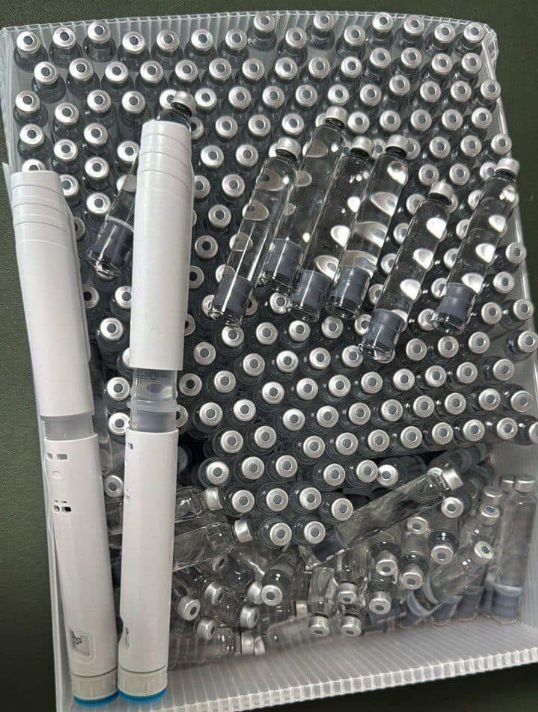
Alright, let's get real. You're here because you're intrigued. Maybe you're thinking about TRT, or perhaps you're exploring the world of performance enhancement. We've talked about the chemistry, the types, and the reasons. But this is the part that separates the informed from the foolish: The Sourcing Challenge.
Finding a reliable source for these powders is like looking for a needle in a haystack, except the haystack is on fire and the needles are potentially toxic. This is, without a doubt, the most critical aspect of the entire process. You can have a Nobel Prize-winning understanding of chemistry and a perfect cycle planned, but if your powder is bunk, it all falls apart. Worse, if it's contaminated, it can cause serious harm.
First, let's address the elephant in the room: the law. In most countries, including the United States, the UK, and the European Union, testosterone is a controlled substance. Buying, selling, or possessing raw testosterone powder without a prescription is illegal. Period. It's a Schedule III substance in the US, meaning it has a high potential for abuse and can lead to severe psychological or physical dependence.
This legal status shapes the entire sourcing landscape. It means you can't just walk into a pharmacy and buy a kilo of powder. You're forced into the shadows. You're dealing with underground labs (UGLs), "research chemical" websites that masquerade as legitimate businesses, and sketchy online marketplaces. The legality creates a high-risk, high-reward environment. On one hand, you can get the powder at a fraction of the cost of a pharmaceutical-grade product. On the other, you're opening yourself up to legal trouble, financial scams, and health risks. It’s a precarious gamble.
Let's break down the different channels available. Understanding the distinctions is crucial.
Legitimate Sources (The Gold Standard): This is the pharmaceutical supply chain. It's where your doctor gets the testosterone for your prescription. The powder is made in a GMP (Good Manufacturing Practices) certified facility. It undergoes rigorous quality control testing. The purity is 98%+. The batch records are audited. Getting your hands on this is legally impossible without a prescription. The cost is high because you're paying for the security, the trust, and the reliability. It's significantly more expensive than any alternative, but it's the only truly safe option.
The Gray Market (A Risky Middle Ground): This includes "research chemical" websites. They often sell powders "for research purposes only, not for human consumption." This is a thin legal veil. The quality can vary wildly. Some of these sites are legitimately selling pure powders from reputable Chinese or European manufacturers. Others are selling cheap fillers or completely mislabeled compounds. The risk is moderate. You might get a high-quality product, or you might get a vial of an unidentified white powder that could be anything.
The Black Market (The Deep End): This is the underground lab (UGL) scene. It's all word-of-mouth, dark web forums, and Telegram channels. The quality is the biggest variable. Some UGLs have built a reputation for quality and purity, almost rivaling pharmaceutical standards. Others are run by amateurs in unsanitary conditions, producing potentially dangerous products. The cost here is the lowest, but the risk is the highest. You're trusting a complete stranger with your health.
The prevalence of fraud in this industry is staggering. It's a multi-billion dollar global black market, and it attracts criminals. Let's look at the common scams.
The "No-Show" Scam: You send your money via Western Union or cryptocurrency, and you never receive a product. The seller disappears into the digital ether. You're left with a lighter wallet and a bitter taste.
The "Filler" Scam: You receive a package. Inside is a bag of white powder. You test it, and it's not testosterone. It's something inert, like creatine, sugar, or baking soda. You paid for testosterone, but you got a sugar pill. It won't hurt you, but you're out a lot of money and you didn't get the results you wanted. Compared to legitimate sources, this is a complete waste of time and money.
The "Mislabeled" Scam: You think you're buying Testosterone Enanthate, but you actually receive Testosterone Propionate (or worse, a potent compound like Trenbolone). This can be incredibly dangerous. If you're following a dosage regimen for a long ester and you're using a short ester, your blood levels will be wildly unstable. The side effects could be severe and unpredictable.
The "Contaminated" Scam: This is the most dangerous. The powder is not pure. It contains heavy metals from poor production processes, toxic solvents, or other byproducts. Injecting this can lead to severe infections, abscesses, or systemic toxicity. It can cause permanent damage to your liver, kidneys, and other organs.
A reputable seller, even in the underground world, will provide a Certificate of Analysis (COA) from a third-party lab. This is a document that proves the product has been tested for identity, purity, and the absence of contaminants.
Think of a COA as a "health certificate" for your powder. It's like buying a used car and getting a Carfax report. You wouldn't buy a car without checking its history, right? You shouldn't buy raw powder without seeing its COA. Reputable labs use techniques like High-Performance Liquid Chromatography (HPLC) or Mass Spectrometry to verify the product. A COA should tell you:
The identity of the compound (is it actually testosterone?).
The purity (is it 95%+ or 80%?).
The presence of contaminants (heavy metals, solvents).
If a seller isn't willing to provide a COA, or if the COA looks fake, that is a massive red flag. Just walk away. There are plenty of other sources out there, but your health isn't worth the risk.
Let's do some rough math. A gram of raw testosterone powder from a "research chemical" site might cost $20-$40. In pharmaceutical form, a 10ml vial of 250mg/ml Testosterone Enanthate (which contains 2.5 grams of active ingredient) can cost $100-$200 or more. The savings from buying the powder are immense. You could be paying 80% less for the raw material.
But that cost is offloaded onto you. You are taking on the risk of quality control, sterility, and legality. You are becoming your own pharmacist, your own quality control officer, and your own legal counsel. The question you have to ask yourself is: is the savings worth the risk?
Key Takeaway: The sourcing challenge is the single biggest hurdle in the world of testosterone steroids powders. It's a world of high risk and potentially high reward. The key to navigating it is knowledge, skepticism, and an understanding that if a deal seems too good to be true, it probably is. Trust is earned, not given, and when it comes to your health, you need to be ruthless in your vetting process.
Alright, so you've decided you're willing to take the plunge. You've assessed the risks and you're ready to look for a supplier. This is where you get out of the passive consumer mindset and into the role of a savvy, informed buyer. Choosing a quality supplier is not a single step; it's a multi-layered process of investigation and verification. Here's your actionable guide.
Before you even think about placing an order, you need to do your homework. This isn't the time for impulsive decisions. This is detective work.
Online Forums and Communities: This is your primary source of intelligence. Forums like Mesomorphosis, Thinksteroids, or Reddit's r/steroids are goldmines of user experiences. Search for the supplier's name. Read reviews, both good and bad. Look for patterns. Are there recurring complaints about under-dosed products? Are there reports of product mislabeling? Is the customer service responsive? Remember, online reviews can be faked, so look for detailed, nuanced posts from long-time members. A new user posting "X source is the best!" is less trustworthy than a veteran user posting a detailed log of their blood work results.
Independent Testing: Look for evidence of independent lab testing. Some users send samples of their raw powder to labs like Janoshik Analytical for HPLC testing. If a supplier's products consistently come back with high purity and accurate dosing, that's a huge vote of confidence. A supplier who encourages and publicizes these tests is showing a commitment to transparency.
Check the Supplier's "Shop" Front: Is their website professional? Does it have a clear return policy? Is the product description detailed and accurate? A one-page website with a single email address is a red flag. A professional site with a clear history, detailed product information, and a functioning support system is a better sign. They should be talking about purity, batch numbers, and shipping procedures.
Once you've identified a few potential suppliers, it's time to scrutinize their product.
The Certificate of Analysis (COA): We touched on this, but it's worth repeating. Ask for the COA before you buy. A reputable supplier will have one ready. Look at the date—is it recent? Is the lab that did the testing reputable? If the COA shows 98% purity, that's excellent. If it's 90%, that's a bit lower, and you should ask why. Compared to a supplier with no COA, a supplier with a recent, verified COA is a safer bet.
Batch Tracking: Does the supplier track their batches? When you receive the product, does it have a batch number that matches the COA? If a problem arises with a specific batch, the supplier should be able to identify it and address it. This is a sign of a professional operation. A supplier that can't tell you what batch you're getting is a supplier who doesn't care about quality control.
The "Feel" of the Powder: If you're ordering a small quantity for personal use, you'll eventually see the powder. High-quality testosterone powder should be a fine, white or off-white crystalline powder. If it's yellow, has a clumpy texture, or has a strong chemical odor, that's a warning sign. It might have degraded or been contaminated. Always use sterile technique when handling it.
This is where your safety, both financial and legal, is paramount.
Payment Methods: Be wary of suppliers who only accept cryptocurrencies or Western Union. These are often untraceable, which protects the seller but also leaves you with no recourse if you get scammed. Compared to a seller who accepts credit cards or PayPal, a seller who only takes crypto is riskier. However, in this industry, crypto is often the standard due to the nature of the business. The key is to assess the overall reputation of the source before trusting them with your money.
Discreet Shipping: A good supplier will ship discreetly. This doesn't necessarily mean "stealth" or "illegal" packaging, but it means the packaging is plain, with no markings indicating the contents. The shipping label should look like a standard package. The package should be sealed properly to prevent leakage and maintain product integrity.
Customer Support: Test their responsiveness. Send an email with a question about their product or shipping policy. How long do they take to reply? Do they seem helpful and knowledgeable? A responsive and helpful supplier is much more likely to be a legitimate one.
You're excited. You've done your research. You've found a supplier that seems decent. The temptation is to go big and order a huge amount. Don't do it. The best advice is to start with a small test order.
Order the minimum amount possible—maybe 5-10 grams. This minimizes your financial risk if the product is bad or the supplier is a scam. It allows you to test the waters. You can have a small sample tested yourself (if you have the resources) or simply use a small amount and monitor how your body reacts.
Think of it like dating. You don't propose on the first date, do you? You go on a few dates, see if you're compatible, and then maybe think about a long-term commitment. Treat your supplier the same way. Start small, see how it goes, and if everything checks out, then you can consider a larger order. This is a classic lesson in risk management. Starting small makes the entire process less expensive in the long run if things go wrong.
Key Takeaway: Choosing a quality supplier is not a passive act. It's an active process of vetting, verification, and caution. The goal is to build a relationship based on trust and quality. By following these steps, you can dramatically reduce the risks and increase your chances of a safe and successful experience.
So, you've successfully navigated the dangerous waters of sourcing. The package has arrived. You're holding a bag of precious powder. Now what? The journey isn't over. In fact, a new phase begins: Logistics and Storage. This is where you ensure your investment remains potent and safe for use. You wouldn't buy a fine wine and leave it in the sun, would you? The same principle applies here.
When the package arrives, there are a few key things to do.
Inspect the Package: Is the packaging intact? Is there any sign of damage, tampering, or leakage? If the packaging looks compromised, take a photo and contact the supplier immediately. You need to document the condition upon arrival.
Check the Contents: Compare what you received with what you ordered. Does the label match the product you requested? Is the quantity correct? Weigh the powder if you have a sensitive scale to make sure you weren't short-changed. This is a classic "check and balance" step.
Document It: Take photos of the packaging, the label, and the powder. This might seem paranoid, but it's a good practice for record-keeping. If there's a dispute with the supplier, you have evidence.
Now, let's talk about the science of storage. Testosterone powder is a relatively stable compound, but it's not invincible. Here’s what you need to know.
Light: The enemy of many chemical compounds is light. UV light can break down the molecular structure of testosterone over time. Store the powder in an opaque container. If it comes in a clear bag or jar, put that inside a dark, airtight container. A cool, dark place is your goal. The pantry is usually a better choice than a sunny countertop.
Temperature: Extreme heat is another enemy. Don't store your powder in a hot attic or a garage that gets scorching in the summer. A stable, cool temperature is best. A bedroom closet is a great option. The powder should not be allowed to get too hot or too cold. Freezing is also a bad idea, as it can lead to moisture condensation when thawed.
Moisture: This is the biggest concern. Raw testosterone powder is hygroscopic, meaning it can absorb moisture from the air. Moisture is a catalyst for degradation. It can cause the powder to clump, change color, and lose potency. It's crucial to store your powder in an airtight container with a desiccant pack (like silica gel). These packs are great at absorbing any ambient moisture. You can buy them in bulk. This is a small investment that pays dividends by keeping your powder fresh and potent for much longer. Compared to storing it in a non-airtight container, using a desiccant pack is a safer practice.
Air: Oxygen can also cause oxidation, which can degrade the compound. An airtight container also limits oxygen exposure. Some people even opt to store their powder in the freezer, but this requires careful sealing to prevent moisture ingress. It's a more advanced method. For most users, a cool, dark, and dry place is perfectly sufficient.
How long will your powder last? Under optimal conditions (cool, dark, dry, and in an airtight container), raw testosterone powder can last for years. The degradation process is very slow. You might see a slight discoloration over time, but the potency usually remains high. Compared to pre-made liquid solutions, which can degrade faster due to the presence of solvents and oil, raw powder is generally considered more stable. It's one of the great advantages of buying the powder.
This is where it gets really interesting—and dangerous. If you have the raw powder, you'll eventually need to convert it into an injectable solution. This is often called "homebrewing." Let's be absolutely clear: this is not a process for the faint of heart. It requires precision, cleanliness, and a respect for the science.
Here's a simplified overview of the steps involved:
Weighing: Accurately weigh your powder on a milligram scale. Getting the dosage wrong can lead to severe side effects or a useless product.
Choosing the Carrier Oil and Solvents: You'll need a carrier oil (like MCT oil, grape seed oil, or cottonseed oil), benzyl alcohol (BA) as a preservative, and benzyl benzoate (BB) as a solvent to help keep the powder in solution. The ratio is critical. A common formula might be 2% BA and 20% BB.
Heat and Mix: You need to gently heat the mixture to dissolve the powder completely. This is typically done in a sterile beaker on a hot plate with a magnetic stirrer. You must maintain the correct temperature to avoid degrading the hormone.
Filtration: This is the most critical step for safety. After the solution is clear and the powder is fully dissolved, you need to filter it through a syringe filter (like a 0.22-micron PES filter) to sterilize it. This removes bacteria, mold, and other potential contaminants. A failure at this step can cause a serious infection.
Vialing: The sterile solution is then drawn into a sterile vial and sealed.
As you can see, it's a complex process that demands a sterile environment, specialized equipment, and meticulous attention to detail. Compared to buying a pre-made vial, homebrewing is more cost-effective in the long run, but it requires a significant investment in time, equipment, and knowledge. The process is stronger in terms of cost savings, but the safety profile is entirely dependent on your technique.
Key Takeaway: The logistics and storage of testosterone powder are the final frontier in the journey. Done right, you protect your investment and your health. Done wrong, you risk degradation, contamination, and serious injury. Treat your powder with the respect it deserves, and it will serve you well.
We've covered a lot of ground. From the molecular structure of the powder to the daunting task of finding a trustworthy source, and from the intricacies of storage to the high-stakes process of homebrewing. It's been a journey through the complete ecosystem of testosterone steroids powders.
The takeaway is clear: this is not a world for the careless or the uninformed. The rewards can be significant—a stronger physique, a better quality of life, or simply a more cost-effective way to manage a medical condition. But the risks are equally substantial. The potential for legal trouble, financial loss, and severe health complications is ever-present.
The Central Message: Knowledge is Your Shield.
You can't eliminate the risks entirely, but you can mitigate them through education and caution. The more you understand the chemistry, the better equipped you are to spot a scam. The more you know about the legal landscape, the less likely you are to make a costly mistake. And the more you respect the process of storage and brewing, the safer your experience will be.
For the TRT patient: The powder represents a potential avenue for cost savings, but it's a path paved with pitfalls. If you're considering it, talk to your doctor about the viability of compounding pharmacies. The raw powder route is a legal minefield and a health hazard.
For the bodybuilder: The cost-effectiveness of raw powder is a powerful draw, but it's a double-edged sword. The savings come with a massive responsibility. You are your own pharmacist, your own quality control officer, and your own doctor. Treat it with the gravity it deserves.
A Final Thought: The most potent drug on the market is not testosterone. It's information. The smartest person in the room isn't the one who knows the most about the chemistry; it's the one who has the discipline and wisdom to use that knowledge safely and responsibly. So, be smart. Do your research. And above all, listen to your body. It knows more than any textbook or online forum.
Remember: Always prioritize your health. The body you're building is the only one you'll ever have. Treat it with respect.

Question | Answer |
|---|---|
1. Is it legal to buy testosterone raw powder? | No. In most countries, including the US, UK, and EU, testosterone is a controlled substance. Buying or possessing it without a prescription is illegal and can lead to severe legal penalties. |
2. Is raw testosterone powder safe to use? | Only if it's pure and handled correctly. The powder itself is the active pharmaceutical ingredient. However, the risk of contamination is high. You need to ensure it's from a reliable source and you must use sterile technique to convert it into a safe injectable. Improperly handled powder can be dangerous. |
3. How do I know if the powder is pure? | Require a Certificate of Analysis (COA). A reputable supplier will provide a COA from a third-party lab, which shows the purity and identity of the product. If a supplier can't provide this, it's a massive red flag. |
4. Can I just swallow the powder? | No. Testosterone powder has very poor oral bioavailability. It undergoes "first-pass metabolism" in the liver and is destroyed. It will not be effective. To be active, it needs to be delivered via injection or transdermal application. |
5. How should I store raw testosterone powder? | Store it in a cool, dark, dry place in an airtight container. Use a desiccant pack to absorb moisture. Avoid exposure to heat, light, and oxygen to maintain its potency. |
6. What's the difference between Testosterone Enanthate and Cypionate? | Functionally, they are very similar. Both are long-estered forms. Cypionate has a slightly longer ester chain. In practice, many users consider them interchangeable. Some prefer Cypionate for TRT as it's the standard in the US, while Enanthate is more common in Europe. |
7. Is raw powder cheaper than buying pre-made vials? | Yes, significantly. The raw powder is the active ingredient. Buying it in bulk and converting it yourself is the most cost-effective way to get testosterone, but it comes with the responsibility of handling and manufacturing a sterile product. The savings can be up to 80% compared to pharmaceutical prices. |
8. What is a "homebrew"? | Homebrew is the process of converting raw testosterone powder into an injectable oil solution. It involves weighing the powder, mixing it with solvents and carrier oil, heating it to dissolve, and then filtering it through a sterile filter. It requires specialized equipment and extreme attention to hygiene. |
9. What are the main side effects of using testosterone powders? | The side effects are the same as any exogenous testosterone use. This includes increased estrogen (leading to gynecomastia and water retention), testicular atrophy (shrinking testicles), increased red blood cell count (increasing cardiovascular risk), acne, hair loss (genetic predisposition), and mood changes (irritability, aggression). |
10. Can I travel with testosterone powder? | This is highly risky. Carrying a controlled substance across borders is illegal in almost every jurisdiction. It could lead to arrest, fines, or imprisonment. Never attempt to travel internationally with raw powder. |
11. What is the shelf life of raw powder? | Under optimal conditions (cool, dark, dry, airtight), it can last for years. The powder is quite stable. It may degrade very slowly over time, but it should remain potent for a long period. |
12. What is Post Cycle Therapy (PCT) and is it needed? | PCT is crucial after a cycle of exogenous testosterone. It's a protocol using medications like Clomid or Nolvadex to help restart your body's natural testosterone production. Without it, you can experience a prolonged period of low testosterone with all its associated symptoms. |


