
Views: 0 Author: Site Editor Publish Time: 2026-06-10 Origin: Site


Let’s start with something you’ve definitely felt: that deep, burning fatigue after a hard workout. You finish your last rep, drop the weights, and your muscles feel like they’ve been through a war. But what’s really going on under the surface?
Muscle fatigue isn’t just about being “tired.” It’s a complex physiological response involving energy depletion, microscopic damage, and biochemical chaos. When you train—especially with intensity—you’re essentially creating controlled stress on your muscle fibers.
Think of your muscles like a construction site. Every workout is a demolition phase. You’re breaking things down so your body can rebuild them stronger, faster, and more efficient.
During exercise, your body relies heavily on ATP (adenosine triphosphate), the cellular “currency” of energy. As ATP gets used up, your body switches to other energy systems—glycolysis, oxidative phosphorylation—each with trade-offs.
Compared to low-intensity activity, high-intensity training produces more lactic acid and hydrogen ions. This leads to that familiar “burn.” Contrary to popular belief, lactate isn’t the villain—it’s actually a temporary energy source—but the acidic environment contributes to fatigue.
When you lift weights or perform resistance training, you create microscopic tears in muscle fibers. This is good. It’s how muscles grow. But it also triggers inflammation.
Inflammation is like your body sending a repair crew. However, compared to moderate training, excessive stress leads to prolonged inflammation, which can slow recovery and increase fatigue.
It’s not just your muscles that get tired—your nervous system does too. The brain sends signals to muscles through motor neurons, and over time, these signals weaken. That’s why your last reps feel harder even if your muscles still have some strength left.
So, muscle fatigue is a multi-layered phenomenon: energy depletion, structural damage, inflammation, and neural fatigue all working together.
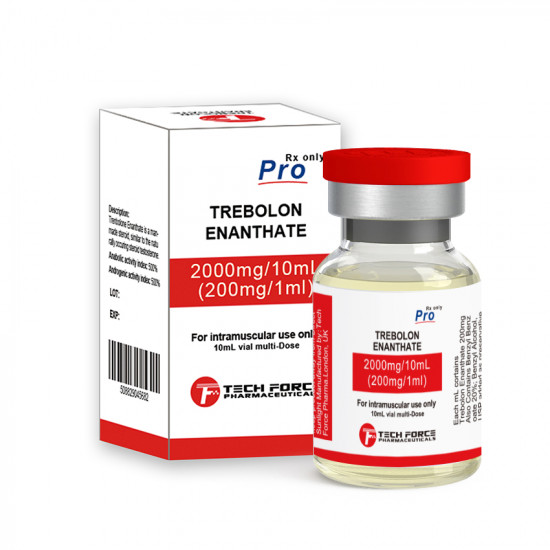
Now that we understand fatigue, let’s talk about where steroid powder enters the picture.
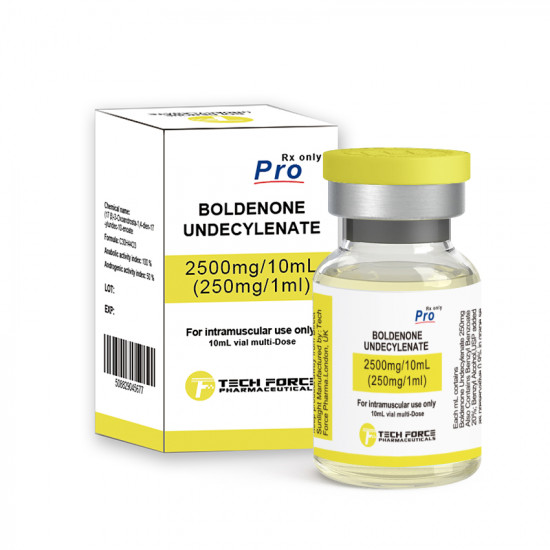
Steroid powder—typically referring to powdered anabolic-androgenic steroids (AAS)—is often used in performance enhancement circles. These compounds are designed to mimic or amplify the effects of testosterone in the body.
But how exactly do they interact with the fatigue process?
Think of steroid powder as a “shortcut engineer.” Instead of letting your body slowly rebuild after damage, it accelerates and amplifies the rebuilding process.
At the core of steroid function is androgen receptor activation.
When steroid compounds enter the bloodstream, they bind to androgen receptors in muscle cells. This triggers a cascade of genetic signaling that promotes protein synthesis.
Compared to natural recovery, this process is significantly faster and more efficient.
Better protein synthesis rates
Stronger cellular repair mechanisms
Faster muscle rebuilding
It’s like upgrading from a manual assembly line to a fully automated factory.
One of the less talked-about benefits of steroid powder is its anti-catabolic nature.
Your body is constantly balancing between building (anabolism) and breaking down (catabolism). After intense workouts, catabolism often dominates.
Steroids help flip that balance.
Compared to natural hormone levels, steroid-enhanced systems reduce muscle breakdown significantly. This means:
Less muscle loss during calorie deficits
Better preservation of lean mass
Faster recovery between sessions
Imagine trying to fill a bucket with a hole in it. Steroids essentially patch that hole.
Nitrogen is a key component of amino acids—the building blocks of protein.
A positive nitrogen balance means your body is in a muscle-building state. Steroid powder enhances nitrogen retention, keeping your body in that anabolic zone longer.
Compared to natural lifters:
Steroid users maintain higher nitrogen levels
Experience faster growth cycles
Recover more efficiently
This is one of the main reasons why gains appear “faster” and “stronger.”
Steroid compounds can also reduce certain inflammatory markers.
While inflammation is necessary for recovery, too much of it can delay progress. Steroids help regulate this balance.
Compared to untreated recovery:
Less soreness
Shorter downtime
Better training frequency
However—and this is important—masking inflammation doesn’t mean eliminating damage. It can sometimes lead to overtraining if not managed properly.
So, what does all this mean in real-world terms?
Why do people turn to steroid powder in the first place?
Compared to natural athletes, steroid users often recover significantly faster. This allows for:
More frequent training sessions
Higher intensity workouts
Reduced rest periods
It’s like having a “reset button” for your muscles.
Steroids enhance red blood cell production, improving oxygen delivery.
This leads to:
Better endurance
Stronger lifts
Less perceived fatigue
Compared to supplements like creatine or caffeine, steroids offer a more powerful and systemic effect, though with greater risks.
When cutting calories, the body tends to lose both fat and muscle.
Steroid powder helps preserve lean mass, making it a “better” option (performance-wise) for body recomposition compared to diet alone.
Here’s where things get serious.
Using steroid powder isn’t as simple as “take more, get stronger.” In fact, improper use can backfire quickly.
Dosage varies depending on the compound, but more is not always better.
Higher doses may lead to:
Faster gains
But also stronger side effects
Compared to moderate dosing, excessive use often results in diminishing returns.
Some users split doses throughout the day to maintain stable blood levels.
Others time usage around workouts.
Compared to random intake, structured timing leads to:
More stable performance
Reduced hormonal fluctuations
Steroid use is often done in cycles:
On-cycle: Active use
Off-cycle: Recovery period
Cycling helps the body regain hormonal balance.
Compared to continuous use, cycling is generally safer (though not risk-free).

Let’s be clear: steroid powder is not a harmless supplement.
It comes with real, measurable risks.
External steroids suppress natural testosterone production.
This can lead to:
Low libido
Fatigue (ironically)
Long-term endocrine issues
Steroid use can negatively affect cholesterol levels:
Lower HDL (good cholesterol)
Higher LDL (bad cholesterol)
Compared to natural training, this significantly increases heart disease risk.
Oral steroids, in particular, can be hepatotoxic.
Long-term use may result in:
Liver damage
Kidney strain
Mood swings, aggression, and anxiety are commonly reported.
Compared to natural hormone levels, steroid-induced fluctuations can be extreme.
Steroid powder is often marketed—or perceived—as a shortcut to strength, size, and reduced fatigue.
But that’s an oversimplification.
It’s more accurate to think of it as a high-powered tool. In the right context, it can accelerate results. In the wrong context, it can cause serious harm.
Compared to natural training:
It’s faster
It’s stronger
But it’s also riskier
The real question isn’t “Does it work?”—because it clearly does.
The real question is: Is the trade-off worth it?
Question | Answer |
|---|---|
What is steroid powder used for? | Steroid powder is typically used for performance enhancement, muscle growth, and recovery improvement, especially in bodybuilding contexts. |
Does steroid powder reduce muscle fatigue? | Yes, compared to natural recovery, it can reduce fatigue by enhancing protein synthesis and lowering inflammation. |
Is steroid powder better than supplements like creatine? | It is more powerful and faster-acting, but also significantly more dangerous and less safe compared to legal supplements. |
Can beginners use steroid powder safely? | Not recommended. Beginners are better off optimizing training, nutrition, and recovery before considering such options. |
What are the most common side effects? | Hormonal imbalance, liver stress, cardiovascular risks, and psychological effects. |
Is cycling necessary? | Yes, cycling is commonly used to reduce long-term damage, though it does not eliminate risks entirely. |
How does it compare to natural training? | It delivers faster and stronger results but comes with higher health risks and ethical considerations. |
Is it legal? | Legality varies by country and jurisdiction. In many places, it is regulated or prohibited without prescription. |


