
Views: 0 Author: Site Editor Publish Time: 2025-11-18 Origin: Site


In the modern fitness world, everyone is looking for that extra edge—faster gains, stronger lifts, leaner muscle. Performance-enhancing strategies, including steroids, have become a hot topic. While natural bodybuilding is celebrated, many athletes turn to scientific shortcuts to push the limits of muscle growth and recovery. But here’s the catch: shortcuts can be double-edged swords. Imagine steroids as a high-performance sports car—you can get to 100 mph faster than a regular car, but without the right maintenance and control, a crash is inevitable.
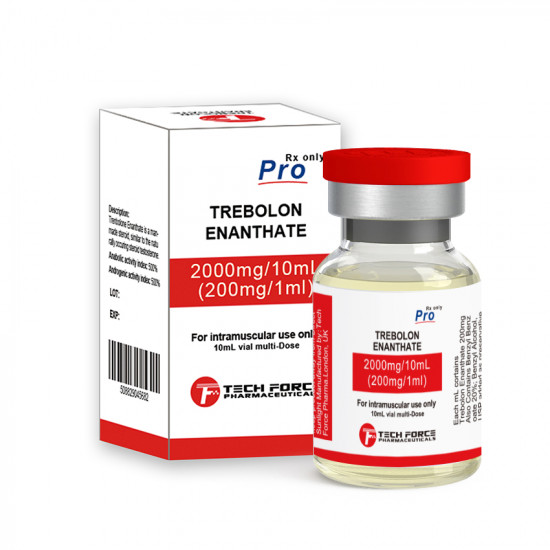
Steroid powders are the raw, unprocessed form of anabolic steroids, often converted into injectable or oral forms. These compounds mimic testosterone in the body, promoting protein synthesis, muscle growth, and recovery. However, their use is highly controversial, with legal restrictions in many countries. Steroids can be “faster and stronger” in producing gains compared to natural training, but the risks—like hormonal imbalances, liver strain, and cardiovascular issues—are significant. Understanding these powders isn’t just about muscle; it’s about managing risk and maximizing results responsibly.
Steroid powder is the crystalline or powdered form of anabolic-androgenic steroids (AAS), which are synthetic derivatiFAAves of testosterone. These powders are usually inactive until processed into oral tablets or injectable solutions. Scientifically, they work by entering muscle cells and binding to androgen receptors, which triggers protein synthesis—basically instructing your muscles to grow bigger and recover faster. Compared to other supplements, steroid powders have a more profound biological effect, but they also carry greater responsibility and risk.
The steroid world is diverse. Some of the most commonly used include: Testosterone Enanthate (classic, long-acting), Dianabol (fast oral gains), Trenbolone (extremely potent but higher risk), and Anavar (milder, often for cutting phases). Compared to natural supplements like creatine, these steroids produce faster and stronger muscle growth, but they’re more expensive and come with heavier side effects. Each has its own timeline, metabolism, and best-use scenario—so knowing the difference is crucial.
Legally, anabolic steroids are controlled substances in most countries, meaning unauthorized use can lead to fines or criminal charges. Health-wise, steroids can accelerate muscle growth, reduce recovery time, and improve strength compared to natural methods. But they can also cause liver damage, hormonal disruption, hair loss, acne, and cardiovascular strain. Think of it like a double-edged sword: the edge is sharp, but if mishandled, it cuts both ways. Responsible use involves understanding dosage, cycling, post-cycle therapy, and consulting healthcare professionals.

Steroids increase nitrogen retention, protein synthesis, and red blood cell production. Essentially, they help muscles repair and grow faster than natural training allows. Compared to natural progression, steroid-assisted muscles recover quicker, allowing higher training frequency and intensity. Think of it like turbocharging an engine—you still need fuel (nutrition) and maintenance (training recovery) to get the best performance.
Taking steroids without a structured workout plan is like buying a high-performance car and never driving it on a highway—wasted potential. Proper cycles, aligned with hypertrophy (muscle growth) or strength phases, ensure the drug’s effects complement your training. For example, short, high-intensity cycles work well for strength athletes, while longer, moderate cycles benefit bodybuilders focused on size.
Real-world examples show athletes who combine steroid cycles with periodized training achieve faster gains, improved recovery, and better endurance. For instance, a 12-week cycle of testosterone enanthate paired with a split training routine (push-pull-legs) can yield muscle growth significantly faster than natural methods. Compared to unplanned steroid use, strategic synergy with training reduces risk of injury and maximizes results.
When using steroid powders, your muscles are primed to absorb nutrients faster and repair quicker. But without proper fuel, gains are wasted. Protein is your best friend here—compared to natural training, steroid-assisted muscles can handle higher protein intake, roughly 1.5–2 grams per pound of body weight. Carbohydrates are equally important; they refill glycogen stores, which supports high-intensity training and faster recovery. Fats, especially healthy ones like omega-3s, aid in hormone regulation. Compared to standard diets, a steroid-friendly plan emphasizes more protein and slightly higher carbs to support accelerated muscle repair.
Nutrient timing becomes more critical when on steroids. Pre-workout meals should be rich in complex carbs and moderate protein to fuel intense sessions, while post-workout nutrition should focus on fast-digesting protein and carbs to take advantage of the “anabolic window.” Think of it as priming the soil right after planting seeds—without proper timing, even fertile ground won’t yield maximum growth. Compared to eating randomly, structured meal timing enhances gains and recovery substantially.
While steroids are potent, smart supplementation can reduce strain and support overall health. Common choices include liver support supplements (like milk thistle), Omega-3 fatty acids for cardiovascular health, creatine for extra strength, and BCAAs to protect muscles during intense cycles. Compared to relying solely on food, targeted supplements make recovery faster, side effects less severe, and energy levels more consistent. However, supplements are not magic—think of them as seatbelts for your steroid “car”; they don’t prevent all crashes but reduce risk.
When using steroid powders, your body can recover faster, but that doesn’t mean you should train like a machine without rest. A balanced weekly plan typically alternates high-intensity training with recovery days. For example, a push-pull-legs split allows each muscle group to get 48–72 hours of recovery. Compared to natural training, you can handle slightly higher volume and intensity, but overtraining is still a risk. Think of it like revving a turbocharged engine: even with higher power, consistent maintenance and timing matter.
Steroids amplify your ability to push harder and recover faster, but nutrition must match intensity. High-intensity sessions demand more protein and carbs, while recovery days still require adequate nutrients to prevent catabolism. Compared to regular training, steroid cycles let you experiment with increased intensity and frequency, but neglecting recovery or diet can lead to diminished returns or injuries. Using tools like heart rate monitoring and progressive overload ensures smarter gains.
Tracking progress is crucial. Keep an eye on strength gains, body composition, and energy levels. Compared to natural training, steroid cycles can produce faster visible results, so monitoring helps prevent excessive fat gain or hormonal imbalances. Adjust training volume, meal composition, and supplementation based on progress. Think of it like tuning a high-performance car—small tweaks can optimize speed, power, and longevity.
Steroid powders are powerful, but they carry risks that can’t be ignored. Common side effects include liver strain, acne, hair loss, hormonal imbalance, cardiovascular stress, and mood swings. Compared to natural training, steroids accelerate muscle growth but also amplify potential health complications. Mitigation strategies include: careful dosing, cycling (not continuous use), and avoiding stacking multiple high-potency steroids at once. Think of it as handling a high-octane fuel—you get more power, but leaks or spills can be dangerous if precautions aren’t taken.
Responsible steroid use demands regular blood tests, liver and kidney function monitoring, and cardiovascular check-ups. Compared to unmonitored use, medical supervision helps detect early warning signs and prevents long-term damage. Doctors can also guide post-cycle therapy (PCT) to restore natural hormone levels. Even if you feel fine, physiological changes can happen silently, so consistent health checks are like routine tune-ups for a high-performance machine.
Post-cycle recovery is crucial. Hormone levels drop after steroids, and muscles may feel fatigued despite prior gains. Nutritionally, focus on protein-rich foods, balanced carbs, and healthy fats to support natural hormone restoration. Exercise should shift from high-intensity overload to moderate volume and mobility work to prevent injuries. Compared to on-cycle training, post-cycle requires patience and careful adjustments, but it’s essential for long-term health and retaining gains. Think of it as cooling down and lubricating the engine after pushing it to the limit.
Using steroid powders without proper nutrition and training is like having a rocket engine without fuel or guidance—it won’t reach its potential. When combined with structured workouts, adequate protein and carbs, and strategic supplements, steroids can accelerate gains faster and stronger than natural methods alone. Compared to using steroids in isolation, the synergy of training and nutrition ensures that gains are not only rapid but sustainable.
Steroids are tools, not magic. Responsible use means monitoring doses, respecting cycles, tracking progress, and prioritizing recovery. Compared to reckless use, a careful approach minimizes side effects, protects cardiovascular and liver health, and supports long-term hormonal balance. Think of it like handling high-performance equipment: careful operation extends its life and maximizes efficiency.
Q: Can I use steroids without changing my diet?
Technically yes, but it’s not effective. Steroids increase protein synthesis and muscle growth potential, but without proper macronutrients (protein, carbs, fats), gains will be slower, and recovery may be compromised. Proper diet is the fuel that lets steroids work better and faster.
Q: How often should I train while on steroids?
Training frequency can be slightly higher than natural limits due to improved recovery, but overtraining is still risky. Typically, 4–6 sessions per week with rest days strategically placed allows muscles to grow stronger and prevent injuries.
Q: Are there safer alternatives to steroids for muscle growth?
Yes. Natural options include creatine, high-protein diets, resistance training, and legal supplements like beta-alanine or branched-chain amino acids. These are safer, less expensive, and don’t carry the same health or legal risks, though gains are generally slower compared to steroid-assisted results.
Q: What are the main side effects I should monitor?
Key concerns include liver stress, cardiovascular issues, hormonal imbalance, hair loss, acne, and mood swings. Regular blood tests, liver/kidney monitoring, and consultation with healthcare professionals help mitigate these risks.
Q: How do I plan a steroid cycle with nutrition and training?
Start with a clear goal (strength, size, or cutting). Align your training split with your steroid cycle, increase protein and carbs to support recovery, and track progress. Adjust intensity and diet based on results, and plan post-cycle therapy to restore natural hormones. Compared to unplanned use, structured cycles produce stronger, safer gains.
Q: Can supplements reduce steroid side effects?
Certain supplements like milk thistle (liver support), Omega-3s (cardiovascular support), and BCAAs (muscle protection) can help reduce strain. Compared to no supplementation, these tools make recovery faster and side effects less severe, though they don’t eliminate all risks.


