
Views: 0 Author: Site Editor Publish Time: 2025-11-19 Origin: Site


Did you know that storing steroid powders incorrectly can degrade their effectiveness within weeks? If you’re handling raw steroid powders—whether for research, lab work, or clinical use—understanding proper storage isn’t just a minor detail; it’s essential. Steroid powders are potent compounds, and their chemical stability depends heavily on how they’re stored. The wrong temperature, exposure to light, or even a tiny bit of moisture can render them less effective—or worse, unsafe.
Raw steroid powders are commonly used for muscle growth, hormone therapy, and anti-inflammatory purposes. But despite their widespread use, many people underestimate the importance of proper storage. Potency, safety, and longevity of these compounds hinge on following correct storage guidelines. Think of it like storing fine wine: keep it in a damp, warm corner, and it won’t age gracefully. Keep it in the right environment, and it will maintain its quality for years.
In this guide, we’ll explore the storage requirements for different types of steroid powders, covering anabolic steroids, corticosteroids, and peptide-based compounds. We’ll look at the science behind their stability, practical storage strategies, and debunk common myths along the way.
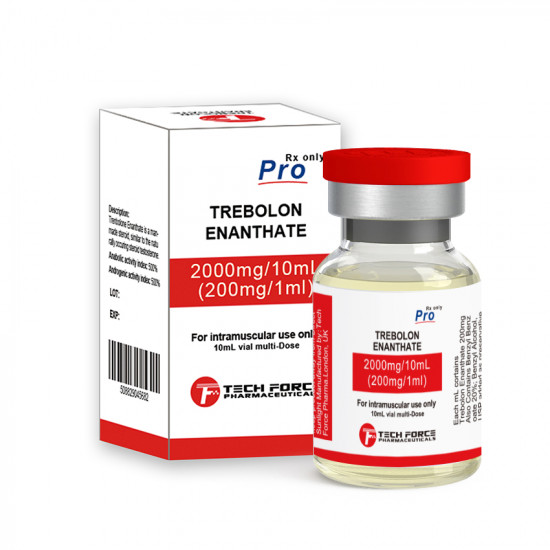
Before diving into storage, it’s important to understand what we’re dealing with. Steroid powders come in several forms, and their chemical properties vary.
Types of Raw Steroid Powders:
Anabolic Steroids: These are synthetic derivatives of testosterone. Examples include Testosterone, Nandrolone, and Trenbolone. They’re primarily used for muscle growth and performance enhancement.
Corticosteroids: Naturally occurring or synthetic, these compounds like Prednisone and Hydrocortisone reduce inflammation and manage autoimmune conditions.
Peptide Steroids: These are small chains of amino acids that stimulate hormone production or other physiological responses. Peptide steroids often require ultra-low temperature storage due to their fragility.
Storage requirements vary because each type has different chemical sensitivities. Anabolic steroids are more tolerant of room temperature than peptides, but all powders can degrade if exposed to moisture, light, or extreme heat. So understanding the type of steroid you’re handling is the first step in designing a proper storage plan.
Steroid powder stability is influenced by four main factors: temperature, humidity, light, and contamination. Neglecting any of these can result in reduced potency or chemical breakdown.
Temperature plays a pivotal role in maintaining steroid integrity. Most anabolic steroids remain stable at cool, dry room temperature (around 20–25°C), but some peptide compounds degrade rapidly at temperatures above 4°C. Compared to peptides, corticosteroids are moderately heat-sensitive; leaving them in a warm, sunlit room can shorten their shelf life drastically.
Steroid powders are hygroscopic, meaning they attract moisture. Even a small amount of water vapor can cause clumping, chemical breakdown, or microbial growth. Compared to dry storage, exposure to humid air can reduce potency faster than almost any other factor.
Most steroid powders are light-sensitive. UV rays can initiate chemical reactions that degrade the active compound. Dark, opaque containers are better at protecting powders compared to clear jars or bottles.
Powders are susceptible to contamination from dust, bacteria, and other chemicals. Compared to loose powders, sealed containers with desiccants help prevent contamination and preserve purity. Even a tiny particle of moisture or dirt can accelerate degradation.

Typical Compounds: Testosterone, Nandrolone, Trenbolone
Optimal Storage Conditions:
Store in a cool, dry place away from direct sunlight
Maintain room temperature or slightly cooler (18–22°C)
Use airtight containers with desiccants to absorb any residual moisture
Common Mistakes and Consequences:
Leaving powders in a bathroom or near a kitchen sink can increase humidity, leading to clumping and degradation.
Using clear containers exposes powders to UV light, which may reduce potency faster than storing them in dark glass bottles.
Frequent opening of containers without resealing can invite contamination and moisture, weakening the steroid.
Advantages & Disadvantages of Options:
| Storage Option | Advantages | Disadvantages |
|---|---|---|
| Dark Glass Jar, Room Temp | Strong UV protection, stable | Slightly more expensive, bulkier |
| Vacuum-Sealed Pouch | Excellent for long-term storage | Needs careful handling to avoid damage |
| Refrigerator | Cooler than room temp, slows degradation | Not always necessary for anabolic steroids, risk of condensation if mismanaged |
Typical Compounds: Prednisone, Hydrocortisone
Sensitivity: Heat and moisture accelerate breakdown.
Recommended Storage:
Store in airtight glass containers
Keep in a cool, dry location, ideally below 25°C
Avoid storing in bathrooms or near humid areas
Advantages & Disadvantages of Options:
| Storage Option | Advantages | Disadvantages |
|---|---|---|
| Airtight Glass, Cool Room | Affordable, easy to monitor | Needs labeling and rotation |
| Refrigerator | Slows degradation, stronger preservation | Less convenient for frequent access |
| Moisture-Controlled Cabinet | Prevents humidity exposure, ideal for labs | More expensive, requires monitoring equipment |
Peptides are much more fragile compared to anabolic and corticosteroids. Improper storage can rapidly degrade these compounds.
Recommended Storage:
Ultra-low temperature storage is ideal (−20°C to −80°C)
Refrigeration is acceptable for short-term storage but slows degradation less effectively
Thawing should be gradual to prevent condensation and chemical breakdown
Handling Precautions:
Avoid repeated freeze-thaw cycles, which are common culprits in potency loss
Always use sterile tools to prevent contamination
Prepare small batches for immediate use rather than thawing the entire container
Advantages & Disadvantages of Options:
| Storage Option | Advantages | Disadvantages |
|---|---|---|
| Deep Freezer (−80°C) | Maximizes shelf life, stronger chemical preservation | Expensive, requires lab equipment |
| Standard Freezer (−20°C) | More accessible, better than room temp | Slightly faster degradation compared to −80°C |
| Refrigerator (4°C) | Easy access, reduces immediate degradation | Short-term only, more expensive long-term due to potency loss |
Use Airtight Containers and Desiccants: Keeps moisture out, maintains powder integrity.
Label Clearly: Include compound name, batch, and date of storage for rotation and tracking.
Temperature & Humidity Monitoring: Use thermometers and hygrometers to ensure conditions remain stable.
Rotation Strategies: Older powders should be used first to prevent prolonged storage that could reduce potency.
Compared to casual storage, disciplined adherence to these practices ensures longer shelf life, better chemical stability, and safer handling.
“Room temperature is fine for all powders” – False. Peptides require ultra-low temperatures, and corticosteroids degrade faster than anabolic steroids in warm conditions.
“Freezing destroys potency” – Not always. Properly frozen peptides remain stable, but improper freezing (e.g., repeated freeze-thaw) can reduce effectiveness.
Proper storage of steroid powders isn’t optional—it’s essential. Anabolic steroids, corticosteroids, and peptide-based compounds each have unique requirements. Neglecting storage can weaken potency, encourage contamination, or even create unsafe compounds. By following proper storage protocols—airtight containers, desiccants, correct temperatures, and minimal light exposure—you protect both the efficacy and safety of your powders.
Responsible handling is key, whether you’re a hobbyist, lab worker, or professional. Think of it as investing in longevity: the better you store, the stronger and longer-lasting your steroids remain.
| Question | Answer |
|---|---|
| How long can anabolic steroid powders be stored at room temperature? | Typically 1–2 years if kept in a cool, dark, dry environment with airtight containers. |
| Can corticosteroid powders be stored in a refrigerator? | Yes, storing below 25°C or in a refrigerator can extend shelf life and prevent degradation. |
| Do peptide steroid powders need a freezer? | Yes, ultra-low temperatures (−20°C to −80°C) are recommended for long-term storage. |
| Does freezing destroy steroid powders? | Freezing does not destroy most steroid powders if done correctly, but repeated freeze-thaw cycles can reduce potency. |
| Are desiccants necessary? | Absolutely. Desiccants absorb residual moisture, preventing clumping and chemical breakdown. |
| Can exposure to light reduce potency? | Yes. UV light can degrade many steroid compounds, especially sensitive peptides and some anabolic steroids. |
| What’s the best container type? | Dark glass or opaque airtight containers are better than clear jars, and vacuum-sealed pouches offer superior long-term protection. |


