
Views: 0 Author: Site Editor Publish Time: 2026-03-06 Origin: Site


So, you’ve found yourself down the rabbit hole of raw steroid powders. Maybe you’re a researcher, a dedicated bodybuilder looking to save a buck, or just someone curious about what’s really in those vials. Let’s be real for a second—the world of raw powders is like the Wild West. It’s unregulated, it’s mysterious, and frankly, it can be a little scary.
I’ve spent countless hours digging into this topic, talking to people in the know, and analyzing what separates a good deal from a dangerous gamble. Think of this as your campfire guide. We’re going to sit down, shine a light on the shadows, and talk about everything from gritty quality issues to keeping your package out of the wrong hands.
Strap in, because this isn't your average, boring lecture. We’re going to get our hands dirty (metaphorically, of course) and explore the ins and outs of these potent powders.
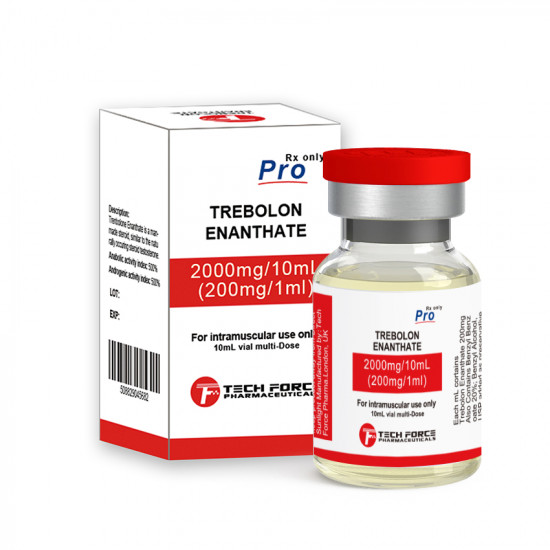
Let’s kick things off with the elephant in the room. You see a listing for "99% pure Testosterone Enanthate raw powder." It looks cheap, way cheaper than the finished product at your local gym. Your heart skips a beat. Is it too good to be true? Well, sometimes, it absolutely is.
When we talk about raw steroid powders, the first and most terrifying hurdle is the quality issues of raw materials. Imagine you’re a baker. You want to bake the perfect loaf of sourdough. If you start with flour that’s contaminated with chalk dust or rancid yeast, is that bread going to turn out well? Absolutely not. It might look like bread, but one bite and you’ll know something is terribly wrong. The same principle applies here, but the stakes are much, much higher.
The biggest problem is purity. A vendor might claim their powder is 99% pure, but what does that actually mean? Without a high-performance liquid chromatography (HPLC) test, that number is just a fairy tale. I’ve heard horror stories of powders being cut with fillers like creatine, sugar, or even talcum powder to make the batch weigh more. Can you imagine the disappointment of brewing up a batch of oil only to find out half of it is just filler? It’s like buying a gold bar and finding out it’s just painted lead.
Then there’s the issue of synthesis impurities. Making these compounds is complex organic chemistry. If the chemist takes a shortcut or uses dirty equipment, the final product can contain leftover solvents, heavy metals, or precursor chemicals that didn't fully react. This isn't just about the steroid being less effective; it’s about it being dangerous. Injecting residual solvents or heavy metals into your body is a fast track to abscesses, organ toxicity, and a world of pain. Compared to properly synthesized material, these cheap, dirty powders are a far more expensive choice for your long-term health.
Another sneaky quality issue is simply the wrong compound. Believe it or not, mislabeling happens. You might order boldenone undecylenate powder (the raw for Equipoise) and receive something that looks similar but is actually a completely different steroid, or worse, not a steroid at all. Unless you’re a chemist with a mass spectrometer in your garage, you’d never know until it was too late. This makes choosing a supplier feel less like shopping and more like playing Russian roulette.
Okay, so we’ve established that the raw powder market is sketchy. But how do you find the needle in the haystack? How to choose a reliable supplier is arguably the most critical skill you can develop. It’s part detective work, part social networking, and a whole lot of gut feeling.
First, forget the flashy websites with stock photos of beakers. Those are often traps. The real market lives in the shadows—on forums, encrypted messaging apps, and through word-of-mouth. This is where you need to put on your thinking cap.
The Power of the Community
Think of the online bodybuilding and research community as a massive neighborhood watch. You wouldn’t buy a used car from a random guy on a street corner without asking your mechanic friend about it first, right? The same goes here. Dive deep into forums. Look for suppliers who have been around for years, not months. A supplier who has survived in this business for a long time is usually doing something right. They are more likely to value their reputation over a quick scam.
Look for "review threads." But beware! Just like on Amazon, fake reviews are rampant. Look for detailed reviews, not just "Great source, A+++." A good review will say something like, "I tested this batch of Test C and the melting point was spot on, and the HPLC results came back at 98.7%." That’s a reviewer who knows what they’re talking about.
The Importance of Transparency (and Lab Tests)
A reliable supplier will not shy away from questions about their product. In fact, a great supplier will often provide their own lab tests. Now, even these can be faked, but it’s a starting point. Some suppliers will even send a sample to a third-party lab like Janoshik or Mz Biolabs and publish the results publicly for a specific batch. This is the gold standard. If a supplier is doing this, it shows they have confidence in their product. Compared to a supplier who just says "trust me bro," this level of transparency is infinitely better.
Communication is Key
How does the supplier talk to you? Are they professional and knowledgeable, or do they seem like they just learned the chemical names yesterday? A good supplier can explain the difference between different ester lengths, discuss solubility in various carriers, and offer advice on storage. They are a partner in your process, not just a vending machine. If they are rude, dismissive, or give one-word answers, run the other way. It’s a sign of how they’ll handle things if a problem arises—like if your package gets seized or the powder is bad.
You’ve paid your money, held your breath, and hit "send." Now comes the nail-biting wait. Transportation safety isn't just about the package arriving; it's about the package surviving the journey without being destroyed, damaged, or detected.
Imagine your raw steroid powder going on a world tour. It might start in a lab in a remote part of the world, get stuffed into a bag with a thousand other packages, flown over oceans, loaded onto trucks, and sorted in massive warehouses. It’s a rough trip.
The Perils of Heat and Humidity
Steroid powders are generally stable, but they aren’t invincible. Extreme heat is a major enemy. Imagine a delivery truck sitting in the Arizona sun in July. The inside of that truck can become an oven. While the powder won't melt like butter, prolonged heat can start to degrade the molecule. It might cause the powder to clump, change color, or lose potency. Compared to a product stored in a climate-controlled facility, one that’s been baked in transit is definitely weaker and less reliable.
Humidity is another silent killer. If the packaging isn't airtight (and sometimes it isn't), moisture can get in. This can cause the powder to hydrolyze, breaking down the ester from the parent steroid. Essentially, your long-acting steroid might start turning into a faster-acting version, completely throwing off your careful dosing plans.
Stealth Packaging: The Art of Disguise
This is where things get creative. To get through customs, suppliers have to be incredibly clever with their transportation safety measures. This is often called "stealth." We aren't just talking about a plain brown box. We're talking about creative (and sometimes hilarious) methods of concealment.
I’ve heard stories of powders being vacuum-sealed and hidden inside the linings of stuffed animals, dissolved in liquid and shipped as "aromatherapy oils," or even labeled as "bath salts" (which is ironic and dangerous for a different reason). The goal is to make the package look as boring and innocuous as possible. A good stealth job gets the product through customs. A bad one results in a seizure letter—or a knock on your door. When evaluating a supplier's shipping methods, their success rate with stealth is a massive advantage. A supplier with better stealth is far more likely to get your goods to you safely than one who just throws the powder in a Mylar bag and hopes for the best.
Congratulations! The package made it. You’re holding a bag of white (or off-white) powder that represents a significant investment. Now what? You can't just throw it in a drawer and forget about it. Proper storage issues are vital if you want to keep your raw materials viable for months or even years down the line.
Think of your raw steroid powder like a fancy bag of coffee beans. If you leave it open on the counter, it goes stale, loses its aroma, and gets gross. If you store it in an airtight container in a cool, dark place, it stays fresh for much longer.
The Three Enemies: Light, Air, and Moisture
We touched on moisture and heat during transit, but they are just as important for long-term storage.
Light: UV rays can be surprisingly destructive to organic molecules. Over time, exposure to direct sunlight or even bright artificial light can cause the steroid to degrade. It’s like leaving a vinyl record in the sun—it warps and becomes unplayable. You want to keep your powder in a dark place.
Air (Oxygen): Oxidation is a chemical process that can alter the structure of the steroid. This can lead to a loss of potency and the formation of unknown byproducts. You want to minimize the amount of air in contact with the powder.
Moisture: As mentioned before, moisture is the arch-nemesis. It can cause clumping, bacterial/fungal growth (yes, in powder!), and chemical breakdown.
The Ideal Storage Solution
So, what does a good storage setup look like? First, you need to repackage the powder. Most of the time, it arrives in a simple Ziploc-style bag. This is not sufficient for long-term storage.
Airtight Containers: Invest in some high-quality glass vials with rubber stoppers or screw-top lids, or even better, use sealed ampoules if you have the equipment. Glass is non-reactive and provides a perfect barrier.
Oxygen Absorbers: You can buy little packets that suck the oxygen out of a sealed container. Throw one of these in the glass jar with your powder.
Desiccant Packets: You know those little "DO NOT EAT" silica gel packets you find in shoe boxes? Those are desiccants, and they absorb moisture. Put a few in your storage container.
Cool and Dark: Find a spot in your home that stays consistently cool. A basement closet is often perfect. Avoid places that fluctuate in temperature, like a garage or an attic. A consistent, cool temperature is much better than a wildly changing one.
Compared to someone who just leaves their powder on a sunny windowsill, a user who masters these storage issues will have a product that is stronger, more effective, and safer to use for a much longer period. It’s the difference between drinking a fine wine and swigging cheap vinegar.

Let’s not sugarcoat it. Dabbling in raw steroid powders comes with a laundry list of common risks. It’s like deciding to become a stuntman—it looks cool, but one wrong move and you’re in a world of hurt. We need to talk about these openly and honestly.
The Legal Tightrope
First and foremost, the law. In most countries, including the US, raw steroid powders are controlled substances. Possessing them without a prescription (and a license to manufacture) is a crime. The penalties can range from a fine to serious prison time, depending on the amount you have and the jurisdiction. This isn't a parking ticket; this is a life-altering event. Compared to buying finished products from a local source, ordering raw powders through the mail adds the significant risk of federal charges for importation.
The Health Gamble
We've already touched on impure powders, but let's drive this point home. Injecting a home-brewed solution made from questionable powder is the ultimate health gamble.
Infection: If your mixing technique isn't sterile, or if the powder itself contains bacteria or endotoxins, you are injecting that directly into your muscle. This can lead to cellulitis, abscesses that require surgical drainage, or even sepsis, which can kill you.
Pip (Post-Injection Pain): Even if it's sterile, impurities can cause crippling pain. I'm not talking about a little soreness. I'm talking about being unable to walk for a week because your quad is swollen, hot, and feels like it's going to explode.
Organ Damage: Contaminants like heavy metals put a direct strain on your liver and kidneys. You’re using these compounds to build muscle, not to slowly poison your filtration systems.
The Dosage Disaster
When you buy finished gear, you trust (rightly or wrongly) that the person brewing it measured correctly. When you’re the one mixing the powder, the margin for error is huge. A simple math mistake can result in a vial that is significantly under-dosed (wasting your money) or, terrifyingly, over-dosed. Imagine thinking you're drawing 100mg of testosterone but actually drawing 250mg because you messed up your calculations. This can wreak havoc on your hormones, crash your estrogen, and lead to severe side effects much faster than you anticipated. Compared to the relative safety of pharma-grade dosing, home-brewing is like flying a plane without a license.
Okay, so after all that doom and gloom, you might be wondering if it's even worth it. For some, the cost savings and control over the process are too good to pass up. If you fall into that category, you absolutely must know how to mitigate risks. This isn't about making the risks disappear; it's about managing them like a professional.
Step 1: Become a Testing Fanatic
You cannot rely on a vendor's word. You must test your powder. This is non-negotiable.
Melting Point Test: This is a simple first step. Every chemical compound has a specific melting point. You can buy a cheap melting point apparatus and test your powder. If it melts at the wrong temperature, or over a wide range, your powder is impure. It’s like checking the ID of someone claiming to be 21—it's a basic verification.
Send it to a Lab: The gold standard is third-party HPLC or mass spectrometry testing. Services like Janoshik Analytical are popular in the community. You send them a small sample, and they send you a detailed report showing exactly what's in your powder and the purity level. Yes, it costs money (usually around $100-$150). But compared to the cost of an abscess surgery or a health crisis, it's significantly less expensive.
Step 2: Master Sterile Technique
If you're going to brew your own injectables, you need to treat it like a science experiment, not a cooking show.
Work in a Clean Space: Designate a clean, dust-free area. Wipe everything down with alcohol.
Use a Laminar Flow Hood (or Still Air Box): This is the most important piece of equipment. It creates a sterile environment by filtering the air. It’s your shield against airborne bacteria. Brewing without one is like performing surgery in a dusty barn—you're asking for an infection.
Filter, Filter, Filter: You must use sterile syringe filters (usually 0.22 micron) to filter your final oil solution. This removes any bacteria or particles. It’s the final checkpoint before the gear goes into a sterile vial.
Heat Sterilization (for Powders): Some powders can be heat-sterilized in an oven, but this is tricky as heat can degrade the compound. It requires precise knowledge of your specific steroid's stability.
Step 3: Meticulous Record Keeping and Calculations
Don't trust your memory. Write everything down.
Use a Calculator: Double-check and triple-check your math. How much powder? How much oil? How much solvent? There are online calculators specifically for this. Use them.
Label Everything: Your finished vials should be clearly labeled with the compound, the concentration, and the date. Don't rely on "I'll remember this one is the test and this one is the tren." You won't. And mixing them up could be a disaster.
By following these steps, you move from being a reckless gambler to a calculated risk-taker. You won't eliminate all risks, but you will make the process safer, more reliable, and more predictable. It’s the difference between driving a car without brakes and driving one with a high-performance safety system.
| Question | Answer |
|---|---|
| What exactly are raw steroid powders? | They are the bulk, unprocessed chemical powders that are the active ingredients in finished steroid products (injectables, orals). They are the starting material for brewing or pressing pills. |
| Is it legal to buy raw steroid powders? | In most countries, including the USA and UK, it is illegal without a prescription and a specific license. They are classified as controlled substances. Possession can lead to serious legal trouble. |
| How can I test the purity at home? | The most accurate way is to send a sample to a third-party lab (like Janoshik). At home, you can perform a melting point test as a preliminary check, but it won't tell you the exact purity percentage. |
| How long do raw powders last? | If stored correctly (cool, dark, airtight, with desiccants and oxygen absorbers), most powders can remain potent for 2-5 years or even longer. If stored poorly, they can degrade in months. |
| What happens if customs seizes my package? | Typically, you will receive a seizure letter from the customs agency informing you that they have confiscated the package. In many cases, that's the end of it for a first-time, small-quantity offense. However, it can put you on a watch list, and large quantities can trigger a criminal investigation. |
| Is it cheaper to buy raw powders and brew my own? | Generally, yes, it is significantly less expensive per gram compared to buying finished vials. However, you have to factor in the upfront cost of equipment (glassware, filters, vials, a flow hood), testing fees, and the value of your time. The risk profile is also much higher. |
| Can I use raw powders to make capsules? | Absolutely. This is a common practice for orals. You need to accurately measure the powder, mix it with a filler (like rice flour) to ensure even distribution, and fill your capsules using a capsule-filling machine. Accurate dosing is critical. |


