
Views: 0 Author: Site Editor Publish Time: 2026-08-05 Origin: Site


When you first Google peptide pen supplier, the phrase “private label” gets thrown around like confetti. Everyone claims they can slap your logo on a pen and call it a day. But private label done right is a profound act of trust—it’s a supplier handing you their engineering DNA and saying, “Make this yours, but I’ll stand behind every molecule that passes through it.”
Think of a private label peptide pen as a bespoke suit versus a department store rack find. A rack suit covers your body; a bespoke suit becomes an extension of your identity. The same applies here. A genuine private label partner doesn’t just offer a blank canvas for your logo. They co-design the experience. Does the pen feel weighted and substantial in the hand, conveying a sense of medical-grade precision? Or does it feel hollow and disposable, subconsciously telling the user, “This isn’t serious therapy”? A top-tier peptide pen supplier will walk you through material choices—anodized aluminum alloys versus medical-grade polymers—and explain how each affects not just aesthetics but durability, sterility, and the precise torque needed to dial a dose.
I once spoke with a clinic owner who switched suppliers after patients complained that the pen’s click mechanism felt “cheap.” It was the exact same formulation inside, but the flimsy tactile feedback eroded confidence. That’s the hidden cost of treating private label as a mere logo swap. When you’re comparing suppliers, ask: Will they let me customize the spring resistance on the dose dial so it feels reassuringly firm? Can we choose a grip texture that prevents slipping even with sanitized hands? If the answer is a blank stare, you’re looking at a printer, not an engineer.
The logo is the pretty face; the supply chain is the beating heart. A responsible peptide pen supplier will give you a glass-walled view into their sourcing. Where does the borosilicate glass for the cartridge come from? Is it Type I glass that minimizes peptide adsorption to the inner surface—a critical factor for maintaining potency of delicate peptide chains like BPC-157 or semaglutide? Does the silicone plunger contain any leachables that could degrade your formulation over 18 months of shelf life?
I can’t stress this enough: a cheaper pen is often more expensive in the long run. I’ve compared cost-per-unit from budget suppliers against premium partners, and the story the numbers don’t tell is the batch failure rate. A supplier using substandard rubber stoppers might save you $0.30 per pen, but if a pH shift from a leachable destroys 5% of your batches, your brand faces a recall—or worse, a social media storm where users post photos of cloudy peptide solution. That’s a trust bankruptcy you can’t file away. A transparent supplier shares extractables and leachables (E&L) profiles upfront. They treat your peptide’s stability data as sacred.
The most overlooked advantage of a deep private label relationship? Formulation guidance. Many peptide pen suppliers have in-house biochemists who’ve seen everything from ghrelin agonists to dual GLP-1/GIP peptides. They know that a particular peptide precipitates at cold chain temperatures unless the pH is buffered precisely between 4.0 and 4.5. They’ve stress-tested peptides in pens with tungsten residuals (a common issue in poorly manufactured glass cartridges) and can show you data on oxidation rates. When you’re evaluating a supplier, don’t just ask about price per unit; ask, “Can your team help me optimize the viscosity for injection force? Do you have historical data on how cartridge silicone oil levels affect aggregation for similar peptide sequences?” A supplier who can answer that becomes your unpaid R&D department—and that’s a better deal than any volume discount.
So, compared to a transactional logo-stamper, a genuine private label peptide pen supplier is stronger on regulatory readiness, faster in troubleshooting, and far less risky when your brand is on the line. Yes, they might be more expensive per unit initially, but you’re buying insurance against the hidden landmines of injectable delivery.
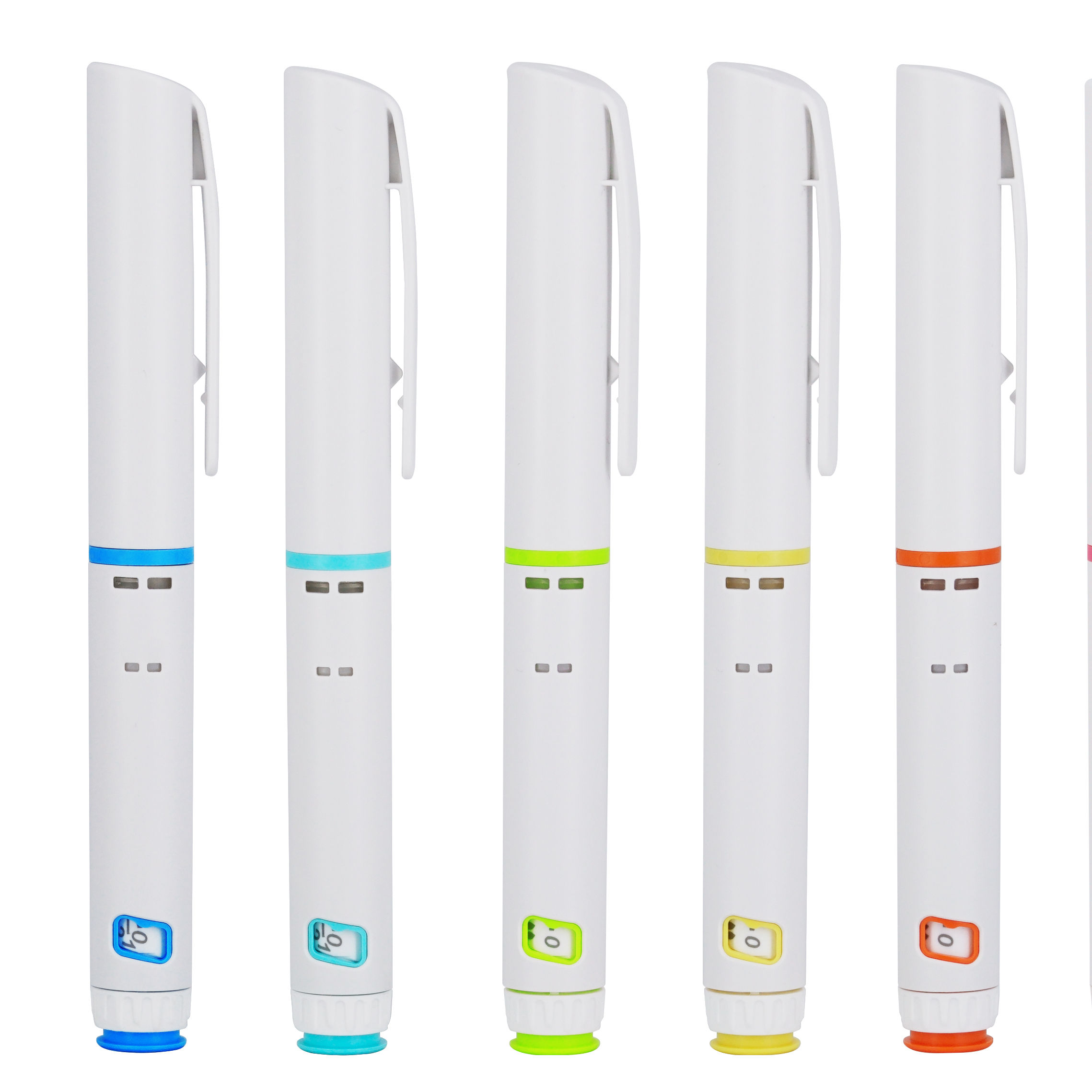
If you’ve ever had to inject yourself daily, you know that the line between sticking to a protocol and giving up is thinner than a 32G needle. Adherence isn’t just about patient motivation; it’s an engineering problem. And your peptide pen supplier is the chief engineer of that experience.
Peptides are potent. We’re talking microgram-level dosing where a tiny air bubble or a fraction of a millimeter in plunger travel can mean the difference between therapeutic effect and a wasted week. When I talk to suppliers, I always zero in on ISO 11608 compliance—the international standard for needle-based injection systems. But even within that standard, tolerances vary wildly.
The best peptide pen supplier will boast a dosing accuracy of ±1% or better across the pen’s lifespan, not just out of the factory box. Imagine a pen that delivers 50 mcg of a melanocortin peptide perfectly for the first 30 doses but drifts to 47 mcg by dose 60 because the plastic gears wore down. That drift might not trigger an immediate side effect, but it slowly erodes therapeutic consistency. Users might notice their tanning peptide cycle is uneven, or their appetite suppression on semaglutide waxes and wanes. They won’t blame the pen’s gear wear; they’ll blame your brand, or worse, they’ll think peptides “don’t work for them.” A high-quality supplier uses metal-on-metal gearing or glass-fiber reinforced polymers that don’t creep under repeated stress, keeping every single dose as accurate as the first.
Let’s get a little philosophical. A pen isn’t just a delivery device; it’s a ritual object. The click-click-click of dialing a dose, the smooth depression of the injection button, the quiet hum of a needle shield deploying—these sensory cues build a narrative of control. I’ve seen suppliers who treat this as “haptics engineering.” Compared to generic pens that have a mushy, undefined click, a finely engineered pen gives a crisp, audible snap at each unit increment. This matters particularly for an aging population who might have reduced fine motor sensation or vision impairments. The click becomes a counting aid. The stronger injection spring—requiring less than 15 Newtons of activation force—ensures that an arthritic hand can deliver the full dose without shaking.
Ask your peptide pen supplier: What is the activation force profile across the plunger travel? Does it spike at the end? A user-friendly pen has a flat, consistent force curve. I’ve compared pens where the final 20% of the stroke required nearly double the initial force, causing users to pull the needle out prematurely—leaving precious peptide under their skin (and a huge bruise). That’s a clear case where “lighter” force isn’t just a comfort feature; it directly impacts dosing completeness and, therefore, clinical outcomes.
Here’s a secret that not every peptide pen supplier wants you to think about: dead space. That’s the tiny volume of fluid that remains trapped in the needle hub and cartridge neck after the plunger bottoms out. For insulin, a few microliters might be negligible. For a peptide that costs $500 per milligram, dead space is literally money down the drain for your customer. Premium pen designs incorporate a low-dead-space hub, sometimes under 3 microliters per injection, vs. 10+ microliters in older designs. Over a 30-day supply, that could save the user an entire extra dose’s worth of medication.
Needle quality is the other half. A stiffer, thinner-walled 33G needle, triple-beveled and coated with medical-grade silicone, reduces insertion pain by up to 40% compared to a standard 31G, according to several user perception studies I’ve reviewed (though always ask your supplier for their specific lancet partner data). The needle shield deployment must also be foolproof. An inadvertent needlestick before or after injection can transmit bloodborne pathogens. Look for a supplier whose pen has a passive safety shield that locks out after use—both ends. It’s safer, and in many regulatory jurisdictions, it’s becoming mandatory. So, your pen is not only better for the user, but it’s also safer for caregivers and waste handlers. A more expensive pen with passive safety might actually be less expensive when you factor in liability and regulatory friction.
Peptides are proteins or short amino acid chains; they hate heat and agitation. A user might carry their pen in a pocket, a purse, or leave it in a car on a sunny day. The pen design must mitigate thermal transfer. A dual-walled vacuum-insulated body, much like a tiny Yeti cup, can buffer the peptide from a 30°C spike for a couple of hours longer than a single-walled plastic pen. Some suppliers offer phase-change material sleeves that keep the cartridge at a stable 2–8°C for up to 12 hours. This is an advantage that’s literally invisible to the user, but it keeps the peptide stable and effective—preventing dangerous degradation byproducts that could cause injection site reactions or reduced efficacy. When you’re comparing suppliers, the one that thinks about thermodynamics is the one thinking about your end user’s real life.
Let’s be brutally honest: the injectable wellness space is hurtling toward a commodity abyss. Walk the aisles of any longevity conference, and you’ll see a sea of sterile white cylinders that all look like they came from the same factory (because they probably did). In that ocean of sameness, your product’s physical form is the life raft that catches the customer’s eye and holds their loyalty. Your peptide pen supplier holds the keys to that visual kingdom.
The psychology of color and material is profound. A traditional all-white pen signals “hospital, sterile, cold.” For a post-surgical healing peptide, that might be perfectly appropriate. But what about a daily vitality peptide like GHK-Cu, or a cognitive nootropic peptide? You might want a pen that feels like a luxury pen—a matte obsidian finish with rose gold accents, or a soft-touch thermoplastic elastomer wrap that invites touch and signals self-care.
A flexible peptide pen supplier will offer anodization in the full Pantone spectrum, laser etching of intricate patterns, and even in-mold labeling that embeds your brand’s texture story directly into the plastic shell. Compare that to a supplier who says, “We have white, medical blue, and grey.” The latter limits you to the clinical box; the former lets you position your product as a lifestyle accessory that people are proud to pull out at a dinner party before their nightly injection. And when people are proud to show off their medical device, adherence goes up, and word-of-mouth marketing explodes. That’s a better business outcome, even if the per-unit cost is 15% higher.
An oval cross-section vs. a round one. A grip zone with 0.5 mm micro-ribs vs. a smooth barrel. A dose window with a 3x magnifying lens vs. a flat plastic window. These aren’t just features; they’re declarations of brand values.
Consider the user with diabetic neuropathy or early Parkinson’s who needs a wider, more stable grip. A supplier who can provide a pen with a triangular anti-roll design and a large, tactile dose knob isn’t just being inclusive; they’re opening your product to a population that competitors’ slippery, round pens have failed. I’ve seen subjective evaluations where users reported feeling “more in control” and “less anxious” with a heavier, wider pen. The extra weight—even 15 grams more—increases proprioceptive feedback, making the device feel more substantial and less likely to be dropped. Compared to a lightweight, slim pen that can skitter across a tile floor and shatter the cartridge, the heavier, ergonomically designed pen is safer and more durable, which reduces waste and replacement costs. It’s a stronger option for at-home users with any kind of manual dexterity challenge.
The cartridge window is the stage where your peptide solution performs. Is the window a tiny slit that forces the user to squint and guess the remaining volume, or is it a 360-degree panoramic clear zone that makes inspection effortless? A premium peptide pen supplier will bond the transparent barrel section to the colored body without any internal ledges that trap air bubbles, because a trapped bubble looks like a contaminant to a worried user. Some even offer a slight amber tint to protect photolabile peptides from UV degradation while still allowing volume inspection—brilliant functional storytelling. You can then educate your customer: “Our amber window shields your formula, preserving potency longer than a clear pen.” That tiny detail justifies a premium price point and makes your product better than the standard clear-glass competition.
Don’t overlook the carrier case. A supplier who provides custom-molded EVA cases with magnetic closures, precisely cut to hold the pen, spare needles, and alcohol swabs, completes the visual identity. This turns a prescription item into a gift-ready kit. For the direct-to-consumer wellness brand, the unboxing video is free social proof. If your pen arrives in a flimsy cardboard sleeve with a generic foam insert, you’ve just told the customer they’re buying a commodity—and they’ll price-shop for the next one. A rich unboxing experience, engineered by a thoughtful peptide pen supplier, builds an emotional moat that no competitor’s coupon code can cross.
In no other industry does the phrase “you’re only as good as your last batch” ring more true. If a dietary supplement capsule is a little off, maybe someone gets a stomach ache. If a peptide pen delivers an inconsistent dose, or worse, introduces pyrogens into the body, you’re in the emergency room. Regulatory confidence isn’t a nice-to-have; it’s the bedrock.
You’ve seen the badges on supplier websites: ISO 13485, CE 2797, FDA 510(k), GMP. But let’s decode what these really mean for you when you’re choosing a peptide pen supplier.
ISO 13485 is the quality management system specifically for medical devices. A supplier with this cert has documented processes for design control, risk management (ISO 14971), and post-market surveillance. They don’t just build pens; they build a paper trail that will hold up in an audit. If you’re a US-based compound pharmacy or a telehealth brand, you need a supplier whose ISO 13485 scope explicitly covers “drug delivery systems for parenteral biologics.” Ask for the certificate’s scope page. I’ve seen suppliers list the standard but their scope is for “non-invasive cosmetic applicators.” That’s a trap.
CE marking under MDR (Medical Device Regulation EU 2017/745) is the gold standard now, far more rigorous than the old MDD. A supplier whose pen is MDR-certified has passed stringent clinical evaluation and biocompatibility testing per ISO 10993. Their devices undergo unannounced audits by a Notified Body like BSI or TÜV SÜD. This is a stronger guarantee of safety than self-declaration or outdated MDD certificates. When comparing suppliers, an MDR-certified pen is unquestionably better for European market entry, but it also signals a world-class quality level that benefits US brands because the design file is so robust.
FDA 510(k) clearance for a pen injector means the device is substantially equivalent to a predicate device already on the US market. If your supplier’s pen is cleared for the delivery of “peptide hormones” or “GLP-1 receptor agonists,” that’s a green light for you to build a combination product with a shorter regulatory pathway. Without it, you might have to navigate a full De Novo classification. Choose a supplier that has already cleared the path—it’s faster and far less expensive in legal and consulting fees than blazing a new trail.
Every component that touches the peptide—the glass cartridge, the plunger stopper, the needle glue—must pass a battery of biocompatibility tests: cytotoxicity, sensitization, intracutaneous irritation, systemic toxicity. Ask your peptide pen supplier for the actual test reports, not just a summary letter. Look for tests performed on the finished device (including after sterilization), not just on raw materials. Why? Because ethylene oxide sterilization can leave residues that alter biocompatibility. Gamma irradiation can cross-link silicone, changing extractables. A supplier who tests the final sterilized pen gives you far greater confidence than one who tested a raw plastic pellet three years ago.
I’ve dug into supplier audits where the “biocompatibility file” was a single letter from a resin manufacturer claiming “USP Class VI.” That’s like a car company claiming crash safety because the steel supplier said the metal was strong. A true partner will have a full ISO 10993-1 biological evaluation plan, updated with each design change.
Here’s a scenario: a user in Ohio calls your support line claiming they developed a hard, itchy nodule at the injection site two days after using your pen with a GHRH peptide. Is it the peptide? The pen? A bacterial contamination? Your supplier must have a functional vigilance system. A responsible peptide pen supplier will help you investigate. They’ll pull the manufacturing lot records, check for any excursions in the cleanroom environmental monitoring, review the needle lubrication process data, and provide a risk analysis. If they ghost you after the purchase order, your brand is left holding a ticking time bomb. Always ask: If we issue a field safety corrective action, can your team support root cause analysis within 48 hours? Do you have a track record of zero FDA Warning Letters?
This level of partnership is more expensive than a transactional supplier who operates on an “ex-works” basis, but it’s also what lets you sleep at night. Compare it to buying a parachute: you want the one backed by a company that answers the phone when you’re in freefall, not the cheapest nylon sack on Alibaba.

You’ve nailed the design, the feel, the regulatory box-checking. You launch with a soft rollout, and suddenly a celebrity biohacker features your pen on their podcast. Your three-month inventory vanishes in a week. Can your peptide pen supplier surge with you, or will their inflexibility strangle your breakthrough?
The core of a pen’s housing is injection-molded plastic or metal. Those molds are expensive—think $20,000 to $80,000 per cavity set. A supplier with operational agility runs modular, multi-cavity molds with hot runner systems that can produce millions of parts with micro-tolerances. But the true agility test is this: What’s your typical lead time for an incremental order of 50,000 units once the mold is qualified?
A supplier with in-house molding and a 24/7 shift system might deliver in 4-6 weeks. One that outsources molding to a third party across a border might quote 12-14 weeks. That difference of two months can kill a market opportunity. I’ve seen brands lose shelf space at clinics because they couldn’t resupply fast enough, while a competitor’s pen—even if marginally inferior—was always in stock. In operational terms, faster isn’t just convenient; it’s a competitive weapon.
Pens are typically sterilized via ethylene oxide (EtO) or radiation. EtO cycles are batch processes that can bottleneck. A forward-thinking peptide pen supplier has dual sterilization modalities or contract agreements with multiple EtO facilities. Ask them: In the event of a regional EtO shortage (like the one we saw in 2019), can you pivot to electron beam sterilization without a 12-month re-validation? Their ability to pivot is a direct indicator of their engineering depth. Electron beam can be faster—sometimes hours instead of days—but it requires dose mapping to ensure the 25 kGy minimum does not degrade the plastic’s mechanical properties. A supplier that has pre-validated both methods gives you a stronger, more resilient supply chain.
The difference between a 0.1% defect rate and a 0.01% defect rate is an exponential leap in automation. A high-quality pen assembler uses vision systems to verify needle straightness, torque sensors to confirm dose mechanism calibration, and weight checks to detect missing components. A manual assembly line, even in a cleanroom, introduces variability. When you tour a potential supplier (even virtually), don’t just admire the shiny floors. Look for the ratio of technicians to machines. A room full of people in bunny suits manually snapping cartridges into housings is a red flag for batch-to-batch inconsistency. A line with six-axis robots and real-time statistical process control charts displayed on dashboards is where you want your brand. The more automated line will produce a lighter device? No, but it will produce a more consistent device—fewer returns, fewer complaints, lower total cost of quality. It’s a more expensive capital investment for them, but a less expensive headache for you.
Operational agility also means adapting to market demands for sustainability. Can your supplier offer a reusable pen platform where only the cartridge-needle unit is disposable? That dramatically reduces plastic waste—up to 80% less material per injection compared to a fully disposable autoinjector. The reusable pen is heavier upfront because it needs a durable mechanism for thousands of cycles, but it’s lighter on the planet and, over a year, lighter on your customer’s budget. Positioning your brand around sustainability with a high-quality reusable peptide pen supplier can capture an audience that’s more health-conscious and environmentally aware, a demographic that often overlaps significantly with peptide users.
After all this, you might feel like choosing a peptide pen supplier is less like buying a component and more like selecting a co-founder. And you’d be right. The pen is the final physical touchpoint—the moment where your years of research, your brand promise, and your customer’s hope all collide in a 2-second injection ritual. Get it right, and the device fades into the background; the user feels only the benefit. Get it wrong, and the pen is all they see—a clunky, painful reminder that corners were cut.
We’ve journeyed through the soul of private label, the precision of dose engineering, the art of visual identity, the fortress of regulatory trust, and the power of operational agility. In every dimension, the common thread is this: the cheapest option is almost never the best value. A pen that costs $3.50 FOB might cost you $100 in lost customers. A $5.00 pen from a supplier who shares your E&L data, has MDR certification, offers an audited cleanroom, and picks up the phone when things go wrong? That’s not an expense. It’s the most intelligent investment you’ll make in your brand’s longevity.
So, when you sit down to negotiate with your next peptide pen supplier, don’t open with price. Open with data. Ask about injection force consistency. Ask to see a biocompatibility report dated within the last six months. Ask them how they’d handle a cold chain excursion. Their answers—or lack thereof—will tell you everything. The invisible edge is built from these questions, and once you have it, you’ll wonder how you ever considered launching without it.
Question | Answer |
|---|---|
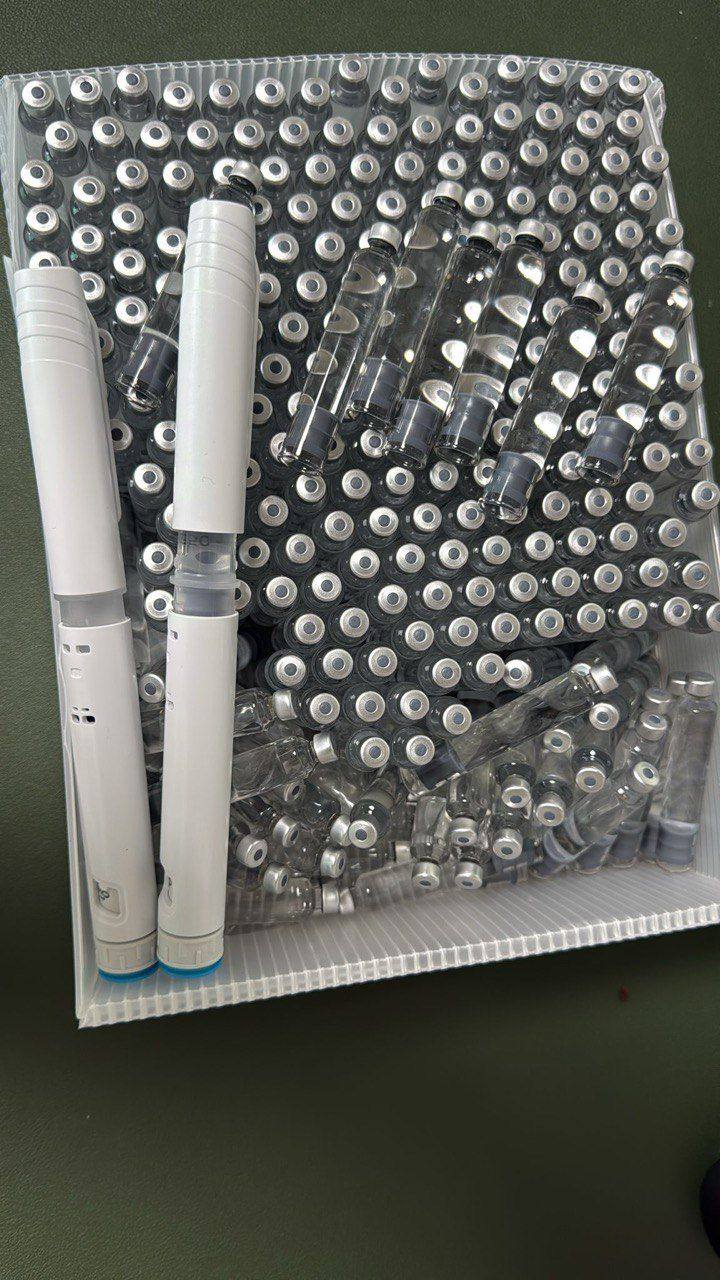
What exactly is a peptide pen, and how does it differ from an insulin pen? | A peptide pen is a multi-dose injection device optimized for delivering peptides—short chains of amino acids that are often more sensitive to light, temperature, and shear forces than insulin. While both share similar mechanical principles, a high-quality peptide pen supplier designs the cartridge glass, lubricant, and dose increments specifically for microgram or low-milligram precision, whereas insulin pens are typically calibrated for larger, standard units (e.g., 1-unit increments of U-100 insulin). |
Can I use the same pen for multiple peptides, or do I need separate pens? | It’s strongly advised to use dedicated pens for each peptide to prevent cross-contamination, inaccurate dosing, and potential chemical interactions between residual peptide solutions. Some peptide pen supplier platforms offer reusable bodies with interchangeable, labelled cartridges—if you go this route, ensure the cartridge is clearly marked and the system is validated to prevent accidental misidentification. |
What should I look for in a private label peptide pen supplier’s quality certifications? | At minimum, demand ISO 13485:2016 certification with a scope covering parenteral delivery devices. For European markets, look for CE marking under MDR 2017/745, which requires a rigorous clinical evaluation. For the US, an FDA 510(k)-cleared device simplifies your regulatory journey. Always verify the certificate’s validity on issuing body databases—don’t just trust a PDF. |
How can I test if a pen’s dosing accuracy is reliable long-term? | Request a dose accuracy report per ISO 11608-1, performed on a statistically valid sample of aged devices (e.g., after 1,000 cycles or 2-year accelerated aging). The report should show the mean dose delivered and the standard deviation at low, medium, and high dose settings. A trustworthy peptide pen supplier will have this data and be willing to share it under NDA. |
Are there any side effects or precautions related to the pen hardware itself? | Yes, not just from the peptide. Poor needle quality can cause micro-tears and bruising. Latex or phthalate-based components can trigger allergic reactions in sensitive individuals. Also, pens with high injection force can lead to incomplete dosing and needle phobia. A good supplier will offer BPA-free, latex-free, and low-activation-force designs. Always verify the list of material allergens. |
Which materials are better for a durable, comfortable pen—plastic or metal? | It depends on the use case. Aluminum or stainless steel bodies are heavier, providing a more substantial feel and better durability for reusable pens; they also offer a premium tactile experience. Medical-grade polymers like PBT or polycarbonate are lighter, less expensive, and can be molded into complex ergonomic shapes. The best peptide pen supplier offers both, with metal inserts in high-wear gearing areas and polymer ergonomic zones. |
What is the difference between a disposable and a reusable peptide pen in terms of cost and environmental impact? | Disposable pens are pre-filled and discarded after the medication runs out. They’re convenient and reduce user error but generate significant plastic waste. Reusable pens have a durable body (lasting 2-5 years) with replaceable cartridges. The reusable pen is more expensive upfront but far less expensive over a year of therapy and generates up to 80% less waste. A responsible supplier will provide life-cycle assessment data to back these claims. |
How do I verify that a Chinese or Indian peptide pen supplier is truly GMP-compliant? | Request a virtual or on-site audit. Look for cleanroom classification (ISO 7 or better), gowning protocols, environmental monitoring records, and a master validation plan. Cross-check their ISO 13485 certificate with the issuing body (like TÜV, BSI, SGS). Ask for customer references in regulated markets like Germany, Australia, or Canada, where authorities conduct their own inspections. A legitimate supplier will welcome this scrutiny. |
What’s the minimum order quantity (MOQ) for customized peptide pens, and how can smaller brands start? | MOQs can range from 5,000 to 50,000 units for fully custom molds, which can be prohibitive for startups. However, many agile peptide pen supplier options now offer “semi-custom” platforms: you choose from pre-validated body styles and mechanisms, and customize the color, logo, and packaging with MOQs as low as 1,000 units. This allows smaller brands to launch faster and with lower risk, then transition to fully bespoke molds as volume grows. |
Can a peptide pen supplier help me with the drug master file or US FDA combination product filing? | Leading suppliers will provide a Device Master File (MAF) or a letter of authorization to reference their DMF in your application. They should give you design history files, risk management reports per ISO 14971, and stability data. If they have a 510(k)-cleared constituent pen, they can guide you on the human factors engineering studies needed for a combination product. A supplier who proactively offers regulatory support is significantly better than one who sells you a pen and waves goodbye. |


