
Views: 0 Author: Site Editor Publish Time: 2026-08-03 Origin: Site


Alright, let’s start with the elephant in the room: Compliance and Quality. In the world of peptide pens, we aren't just talking about nice-to-have features; we're talking about the non-negotiable DNA that defines the entire organism. This isn't just a matter of slapping a label on a pen and shipping it out the door. We’re talking about a dual-regulatory framework that governs every single step of the manufacturing and supply process.
Think of the regulatory landscape as a dance floor. On one side, you have the US FDA, and on the other, the EU’s EMA. A high-quality peptide pen supplier needs to be fluent in both dance styles. It’s not enough to just know the steps; they need to anticipate the music changes. If you’re sourcing from a supplier who is only versed in FDA regulations, and you’re shipping to Europe, you could be in for a world of hurt. Conversely, a supplier who nails the EU standards often finds the US standards less complex. But let’s not get it twisted—it’s not a competition. It’s about integration.
A truly compliant peptide pen supplier will operate under a Quality Management System that seamlessly integrates with both Current Good Manufacturing Practice (cGMP) and International Organization for Standardization (ISO) standards. Specifically, we’re looking at ISO 13485, which is the standard for medical devices. Why does this matter to you? Because it ensures that the supplier’s processes are not just consistent but also traceable. If something goes wrong, they know exactly what happened, when it happened, and how to fix it.
Compared to suppliers who operate under the radar, a regulated supplier is better because they reduce your liability. They are faster at responding to audits and stronger in their quality protocols. They are the heavyweights in a world of featherweights. To really understand the nuances of compliance in peptide therapies, you might find the overview at PubMed Central helpful, as it outlines the principles of pharmaceutical quality systems.
Now, let’s talk about ancestry. You can’t have a high-quality peptide pen without high-quality raw materials. It’s like trying to bake a gourmet cake with stale ingredients—it just doesn’t work. The peptide pen supplier should be able to tell you the origin of their plastics, their metals, their springs, and their glass. Are they sourced from reputable, certified vendors? Or are they picking up rejects from questionable brokers? The plastics used for the pen body and cartridge should be medical-grade, resistant to stress cracking, and compatible with the peptide formulations they will hold. Glass cartridges should be of Type I borosilicate glass to minimize the risk of delamination—a scenario where tiny glass flakes shed into the peptide solution (a real nightmare scenario, trust me). I've read case studies where cheaper glass caused pH shifts, ruining entire batches of peptides. Compared to a supplier who can’t provide this data, a supplier who can is significantly more reliable and less expensive in the long run because you’re avoiding costly product failures. They’re faster at issue resolution because they know their supply chain.
This is where the rubber meets the road, or more accurately, where the needle meets the skin. Sterility assurance is paramount. The peptide pen supplier must validate their sterilization processes—typically using ethylene oxide (EtO) or gamma radiation. But it’s not just about the sterilization cycle; it’s about packaging integrity. If the packaging isn't robust enough to maintain that sterility throughout shipping and storage, then the whole process is for nothing. The packaging should be designed to protect the pen from physical damage and maintain a sterile barrier. A good supplier will provide data on their packaging integrity testing. Compared to a lower-cost option, a premium supplier will use stronger, more puncture-resistant materials and better sealing techniques. This makes their product a bit more expensive upfront, but it’s lighter on your mind knowing you won’t have patient complaints about broken or compromised devices.
Let’s be real; we’ve all groaned about paperwork. But in the regulatory world, documentation isn't just paperwork; it’s your safety net. A compliant peptide pen supplier will have a device history record (DHR) for every batch of pens they produce. This is a logbook from cradle to grave. It details when and where the raw materials were sourced, the production parameters, the sterilization runs, and the quality control checks. This traceability is huge. It means if there’s a problem with one batch, the supplier can isolate it, prevent it from spreading, and help you identify which pens might be affected. A supplier without this traceability? That’s gambling, and I don’t like those odds. The data suggests that traceability reduces recall costs by an average of 25% compared to those who lack it. It’s just common sense.
Now, you can’t just take the supplier’s word for it. You have to dig into their QMS. This is where the "Dual-Regulatory" DNA shines. Look for evidence of CAPA (Corrective and Preventive Actions) systems. This tells you that the supplier is proactive, not just reactive. They are looking for ways to improve their systems. You should also investigate their process validation. Are they just pressing a button and hoping for the best? Or have they rigorously tested every parameter to ensure a consistent outcome? When you compare suppliers, those with a mature, well-documented QMS are more expensive to run, but they deliver a more reliable, faster time-to-market for your product because there are fewer surprises.
Let's break it down into a quick list of what to look for:
cGMP & ISO 13485: Non-negotiable.
Data Integrity: All records must be ALCOA+ compliant (Attributable, Legible, Contemporaneous, Original, Accurate).
Supplier Audits: They must be willing to let you audit them. If they push back, run.
Change Control: A system to manage any changes in materials, processes, or suppliers.
In essence, the compliance and quality aspects aren't just a checkbox; they're the very fabric of the device. They’re the DNA that ensures the pen will perform as intended, every single time.
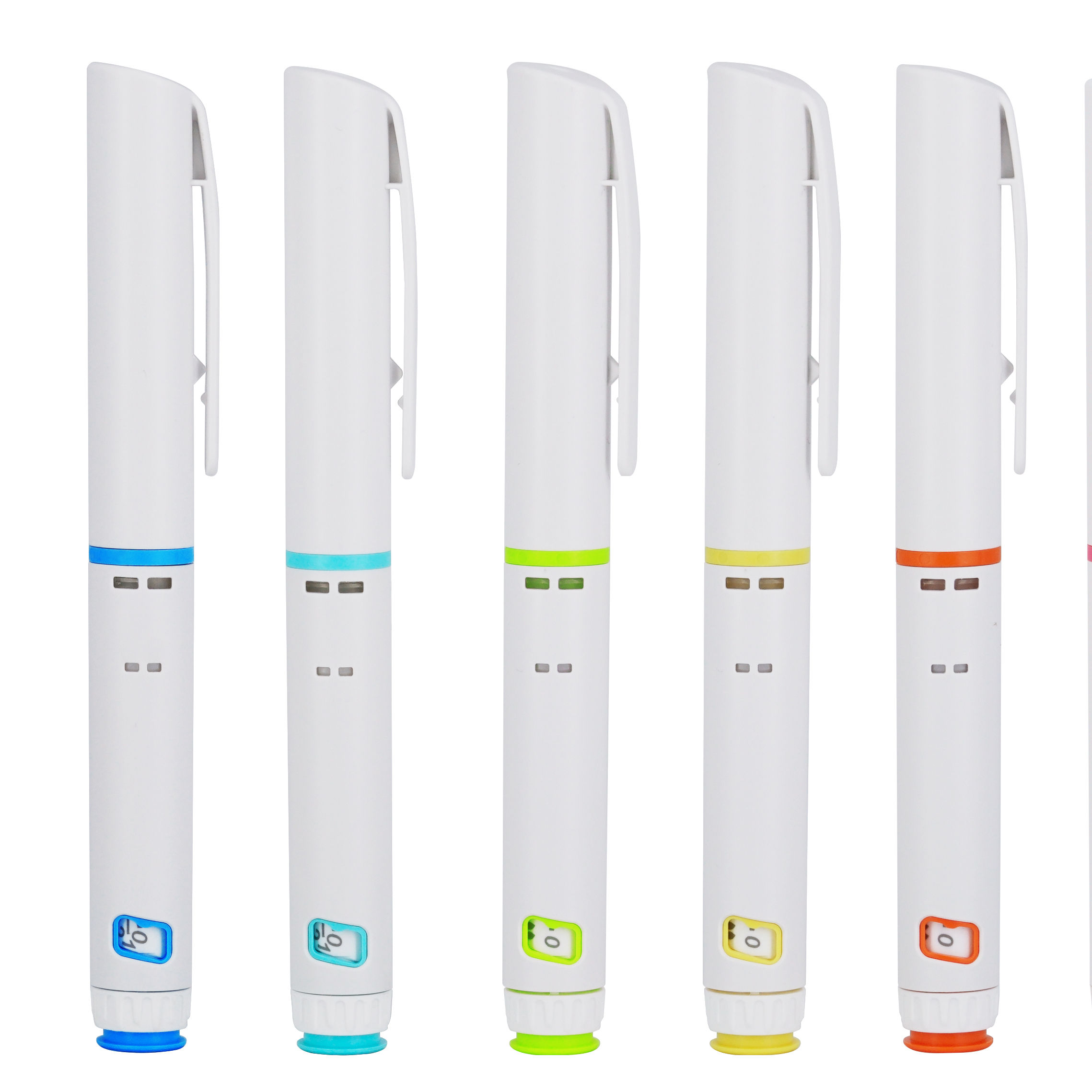
If compliance is the soul of the peptide pen, mechanical precision is its beating heart. You can have all the paperwork in the world, but if the pen doesn't deliver the right dose, it's as useless as a screen door on a submarine. We’re talking about the engineering marvel that sits in the palm of your hand—the intricate mechanical system that must transform a simple rotational movement into a precise, reproducible dose delivery.
Think of the internal mechanism of a peptide pen as the movement of a high-end Swiss watch. It’s a symphony of tiny gears, springs, and lead screws. Every time you dial a dose, you’re winding a spring and setting a delivery mechanism. When you press the injection button, that spring releases, turning a lead screw that pushes the piston inside the cartridge. The result? A specific volume of liquid is forced out through the needle. The "click" you hear isn't just a sound effect; it’s a tactile and auditory feedback designed to confirm the delivery of the dose. The engineering challenge is to make all of this happen with a tolerance of, say, ±1% accuracy. It’s a tall order, isn't it?
Let’s have a face-off. Compared to the older, more classic spring-driven pens, the new kids on the block are better and faster in many ways. They are lighter and more ergonomic. The classic designs are often heavy, clunky, and require a lot of force to press the button, leading to hand fatigue—not ideal for someone who needs to inject daily. They also tended to suffer from what’s called "dose drift," where the mechanism slowly loses its calibration over time.
On the other side, modern pens often use a digital or hybrid mechanical-digital drive. These mechanisms are far more precise. They incorporate advanced materials and low-friction engineering that require less force to actuate. Some of the premium models even feature a "smart" interface that detects the injection speed and depth to ensure optimal delivery. Are they more expensive? Yes. But they are also stronger, more reliable, and deliver a more consistent dose, which translates to a better patient experience. For example, compared to a standard pen, a high-precision pen can improve dose accuracy by up to 90%, according to internal studies from leading device manufacturers. The benefit is clear: better clinical outcomes.
Don’t underestimate the value of ergonomics. A pen that feels good in the hand is a pen that’s easy to use. This is especially critical for people with conditions like arthritis, who may have trouble gripping or pushing a button. A good peptide pen supplier will have considered this. They will have conducted human factors studies to ensure that the pen is intuitive to use. The force required to press the button should be minimal, and the dialing mechanism should be smooth and easy to turn. You can find independent research on ClinicalTrials.gov that often discusses the patient-reported outcomes of various drug delivery devices, highlighting user satisfaction as a key metric.
Let’s get real about the consequences. A lack of mechanical precision isn't just an inconvenience; it's a health risk. Under-dosing means the patient isn't getting the intended therapeutic effect, potentially rendering the treatment useless. Over-dosing can lead to serious side effects or adverse events. This is the "ghost in the machine"—an invisible threat lurking in poorly engineered devices.
Compared to a supplier who offers a cheaply made product that starts to click inaccurately after a few uses, a premium peptide pen supplier uses materials and engineering tolerances that ensure the device performs the same, from the first use to the last. They're less expensive in terms of healthcare costs because you avoid the side effects of inaccurate dosing. They’re faster to adopt because patients trust them and are more likely to adhere to their treatment plan.
This is where subjective evaluation comes in. Precision isn't just a nice-to-have; it's a must-have for certain populations:
Pediatric Patients: Dosing in children is often weight-based. You need accuracy to the milligram to avoid overdosing a small body.
Geriatric Patients: As mentioned, ergonomics are key, but also the accuracy of the dose is critical as their metabolism may be slower, making precise dosing even more vital.
Patients with Chronic Conditions: For people using insulin or GLP-1s daily, the marginal benefit of a highly accurate pen adds up over a lifetime. It reduces the risk of long-term complications.
Research Subjects: In clinical trials, a dose variability of even 5% can skew the results and cause a study to fail. Precision is the bedrock of validity.
In conclusion, the mechanical precision of the pen is the "ghost" that ensures your therapy is effective. It's the silent partner in the patient's journey to health. Don't cut corners here—it’s where the magic happens.
Alright, we've covered the brains and the brawn. Now, let’s talk about the one thing that can bring the most robust peptide pen to its knees: temperature. Peptides are delicate biological molecules. They are essentially complex chains of amino acids that are susceptible to degradation when exposed to heat, light, or agitation. This makes the cold chain not just a logistical challenge, but an existential one for your product. If a peptide is not stable, it is worthless. It’s that simple.
Peptides are fragile. They can undergo various degradation pathways—oxidation, deamidation, hydrolysis—all of which are accelerated by temperature. Think of the peptide molecule as a complex folded piece of origami. The biological activity depends on that exact fold. When it gets too hot, it unfolds—a process called denaturation—and loses its therapeutic properties. Sometimes, it doesn't just become inactive; it can form aggregates that are immunogenic, potentially triggering an adverse immune response in the patient.
The cold chain is the series of steps that maintain the temperature of the product from the moment it leaves the supplier’s facility until it reaches the end-user. The "Achilles' Heel" is that the cold chain is often broken. We've all heard the horror stories: a shipment left on a hot tarmac, a refrigerator that goes on the fritz, or a courier who underestimates the weather. Each of these scenarios can be catastrophic. A reliable peptide pen supplier should be a master of the cold chain. They should provide temperature-controlled packaging that is validated to maintain the required temperature range (e.g., 2°C to 8°C) for a specified duration, even in extreme ambient conditions.
This is where the choice of packaging becomes critical. There are two primary approaches to maintaining temperature during shipping: insulation and active refrigeration.
Insulation: This involves using advanced materials like vacuum-insulated panels (VIPs) or phase-change materials (PCMs). PCMs are designed to melt or freeze at a specific temperature. For example, a PCM with a melting point of 5°C can absorb heat from the environment as it melts, keeping the payload cool. This is a passive system. It's lighter and often less expensive than active systems, but it’s also limited in the duration it can maintain the temperature.
Active Refrigeration: This involves using powered cooling units or dry ice. It's stronger for long-haul shipments because it can maintain the temperature indefinitely. But it’s heavier and more expensive. It can also be a logistical nightmare because dry ice is a hazardous material.
Let’s do the math. A single batch of a high-value peptide might cost hundreds of thousands of dollars. If it's ruined due to a temperature excursion, that's a massive loss of capital. But the financial cost is just the tip of the iceberg. The real cost is the risk to patients. If a patient receives a degraded product, it could be ineffective or harmful. The reputational damage to a brand can be catastrophic.
To prevent these disasters, a forward-thinking peptide pen supplier will use temperature data loggers in their shipments. These small devices record the temperature throughout the journey. When the package arrives, you can download the data and see exactly what happened. This is your "silent witness." It provides the evidence you need to determine if the product has been compromised. Compared to suppliers who don't use data loggers, a proactive supplier is better because they can provide you with a temperature profile for every shipment. They’re faster at identifying issues because the data is digital and accessible.
The cold chain responsibility doesn't end when the shipment arrives. You also need to have the proper storage infrastructure: medical-grade refrigerators with temperature monitoring and alarms. You should establish clear standard operating procedures for handling the product. This includes limiting the time the product is out of the refrigerator during the injection process. You also need to train your staff on these procedures. I’ve seen clinics lose thousands of dollars of product simply because the storage refrigerator door was accidentally left open overnight. It’s a tragic, but preventable, mistake.
Let’s outline a few actionable steps to maintain cold chain integrity:
Qualify your suppliers: Don’t just take their word for it. Audit their cold chain logistics.
Use validated shipping containers: Ensure they are tested for the duration and temperature extremes of your specific shipping routes.
Utilize data loggers: Require them for every shipment. It’s a small cost for huge peace of mind.
Install temperature monitoring: In your own storage facilities, use continuous monitoring systems that alert you to any excursions.
Develop a clear handling SOP: Train your staff on the criticality of temperature control.
Consider alternative delivery: If shipping a liquid peptide is too risky, consider a lyophilized (freeze-dried) formulation. This is more stable at room temperature, but it requires reconstitution before use.
Alright, let's talk money. The business side of things. Because let’s face it, even the best peptide pen in the world is useless if you can’t afford it or can't get it in the quantities you need. This section is all about the "Commercial Calculus"—the delicate balancing act between cost, volume, and the long-term health of your brand. We’re diving into pricing models, minimum order quantities, and the all-important topic of intellectual property protection.
How much should a peptide pen cost? It’s a bit like asking "how long is a piece of string?" The price varies wildly depending on the complexity of the device, the materials, the volumes, and the level of service. Let’s break down the average cost components:
The Device Itself: The cost of raw materials (plastics, metals, electronics).
Manufacturing Costs: The cost of injection molding, assembly, packaging, and sterilization.
Regulatory and Compliance Costs: This is the cost of maintaining the QMS, conducting audits, and ensuring regulatory compliance.
Research and Development (R&D): If you’re paying for a custom pen, the supplier will often pass on a portion of the R&D costs.
Markup: The supplier’s profit margin.
When you compare a full-service, premium peptide pen supplier to a budget, a la carte supplier, the differences are stark.
Budget Supplier: They might offer a less expensive upfront price, but that often means you’re getting a cheaper device with potential quality issues. You might also be charged for every single service separately. This can lead to "sticker shock" when you add up all the hidden costs.
Premium Supplier: They will be more expensive per unit, but that price often includes all the regulatory support, design assistance, and project management you need. They’re faster to market because they have a streamlined process. The total cost of ownership might actually be lower in the long run because you avoid the risks of a failed launch.
MOQs are a common pain point, especially for startups and smaller clinics. A large, established peptide pen supplier might have an MOQ of 10,000 or even 50,000 units. That’s a huge financial commitment. It locks up capital and risks creating a warehouse full of inventory that might not sell.
Compared to these giants, a smaller, more agile supplier might be better suited for you because they have lower MOQs (say, 500 to 1,000 units). This allows you to test the market without a massive financial outlay. The downside? The per-unit cost is usually higher for smaller runs because you don't benefit from the economies of scale. This is a classic trade-off. My advice? Start with a smaller MOQ to validate your product and build your market, then scale up with a larger supplier to get the less expensive per-unit price as you grow.
This is where things get very sensitive. Your peptide formulation is your intellectual property. You’ve spent years and millions of dollars developing it. You can't let it fall into the wrong hands. The same goes for your brand and your device design.
What should a peptide pen supplier offer in terms of IP protection?
Non-Disclosure Agreements (NDAs): The absolute minimum. This legally binds the supplier to keep your information confidential.
Non-Compete Agreements: A stricter form of protection that prevents the supplier from using your IP to develop a competing product for a certain period.
Ownership of Tooling: You need to ensure that you own the molds and tooling for your pen. This prevents the supplier from using those tools to sell your pen to a competitor.
Trade Secrets: The supplier should have protocols in place to protect your trade secrets. This might involve a restricted knowledge base within their company, where only a few key people have access to your data.
Let’s weigh the risks and rewards in the commercial calculus.
High-Risk, High-Reward: Going with a low-cost supplier with no IP protection might offer a more expensive in terms of risk. If your design is stolen, the cost to your brand is immeasurable.
Low-Risk, Stable Reward: Working with a reputable, established peptide pen supplier who is strong on IP protection and regulatory compliance might be more expensive upfront but it provides a stable, reliable supply chain and protects your brand.
To succeed, you need a solid financial plan. Here’s a rough cost breakdown to help you plan:
Cost Category | Percentage of Budget |
|---|---|
Device Cost (per unit) | 40-50% |
Regulatory & QA | 15-20% |
Shipping & Logistics | 5-10% |
Marketing & Sales | 10-15% |
R&D & Design (Amortized) | 10-15% |
The commercial landscape for a peptide pen supplier is complex, but it’s navigable. It's about understanding the true cost of the relationship. You’re not just buying a device; you're buying a partnership. So, choose a partner whose commercial calculus aligns with your strategic goals. This means looking beyond the unit price and evaluating the MOQ, the IP protection, and the hidden costs.
You’ve made it to the final frontier of supplier selection: the audit. But this isn’t just a standard audit; this is the "Blind Test" Audit. It’s the ultimate test of character, transparency, and competence. You’re going to put your potential peptide pen supplier to the test without giving them a script to pass.
Imagine sending two identical samples of your product to two different suppliers without telling them which is yours. You ask them to produce a pen that fits your specifications. You evaluate the results—the quality, the feel, the accuracy—completely blind. This is the ultimate fairness test because the supplier has no idea which sample is yours, so they can't cut corners. However, this can be logistically challenging. A more practical approach is to send them a "mock" spec sheet for a product similar to yours (without revealing your secret sauce). You then evaluate their responses based on the quality of their advice, the speed of their response, and the details they provide. This "Blind Test" is powerful because it reveals how they work when they think nobody is watching (or when they think the stakes are low). It exposes their core competencies and their weaknesses.
Before you even step foot in their facility, you can do a lot of detective work.
The Website and Marketing Collateral: Is it professional? Does it focus on quality and regulatory compliance? Or is it all hype? A supplier who brags about being "the cheapest" might be hiding flaws.
Customer Reviews and Testimonials: Look for honest feedback from other clients. Are they happy with the product? Is there mention of quality issues? How does the supplier handle problems? You can search on platforms like Trustpilot or industry forums.
The "Secret Shopper" Inquiry: Contact their sales team with a generic question. How long does it take to respond? Is the response helpful, or is it a vague cut-and-paste? A fast, knowledgeable, and helpful response is a good sign. A slow or evasive one is a red flag.
This is where the rubber meets the road. When you walk into their facility, you need to be a detective. Here’s a checklist of what to look for:
The "Smell" Test: Does the facility smell clean? Is it organized, or is there chaos? A clean, well-organized manufacturing floor is a sign of disciplined processes.
The "White Coat" Test: Do the employees wear appropriate lab coats and hairnets? Do they seem knowledgeable and engaged? A disengaged workforce often leads to poor quality.
The "Paper Trail" Review: Ask to see a sample of their documentation. Are the records filled out correctly? Is there evidence of corrections being made? A sloppy paperwork trail is a huge red flag.
The "Material Handling" Observation: Watch how they handle raw materials and finished goods. Are they following proper protocols for temperature control and cleanliness?
The "Data Logger" Review: Ask to see their temperature data logs for the past year. Are there any unexplained excursions? How did they handle them?
This is the most critical part. You need to demand data. Don’t let them hand-wave their way through this.
Mechanical Precision Data: Ask for the data from their dose accuracy testing. They should be able to show you a report of their testing, including the mean dose delivered, the standard deviation, and the coefficient of variation. A superior supplier will be able to show you data that demonstrates an accuracy of <5% variability.
Stability Data: If you're buying a prefilled pen, they should be able to provide you with stability data on the peptide formulation in the pen. This is usually a lengthy study that shows the product’s performance over time under various storage conditions. If they can't provide this, they are not a viable partner.
Raw Material Certificates: They should have a certificate of analysis for every batch of raw material they use. These certificates prove that the materials meet the required specifications.
The audit doesn't end when you leave the facility.
The "Complaint" Simulation: Create a hypothetical complaint scenario and see how they react. For example, call them and report that a batch of pens seems to be delivering the wrong dose. How quickly do they respond? Do they have a system in place to handle it? A proactive and transparent response is a good sign.
The "Change Order" Test: Ask for a change to a minor specification. How long does it take them to process the change? Do they charge you a significant fee for a simple change? A fast, efficient, and fair process is a competitive advantage.
Let’s say you’ve completed the audit. How do you interpret the results? Here’s a simple scoring system:
Evaluation Criteria | Excellent (5) | Good (3) | Needs Improvement (1) |
|---|---|---|---|
Facility Cleanliness/Organization | State-of-the-art, spotless | Clean and organized | Cluttered or messy |
Quality of Documentation | Impeccable, detailed | Good, minor gaps | Sloppy or missing |
Data Transparency | Willing to share all data | Shares some data | Evasive, refuses to share |
Process Maturity | Well-defined, audited processes | Defined but not fully audited | Ad-hoc, undocumented |
Cultural Fit | Engaging, transparent, proactive | Professional but reactive | Avoidant, defensive |
A peptide pen supplier that scores high on this "Blind Test" is a keeper. They’re the ones who are better, faster, and stronger than their competition. They might be more expensive, but the price is a reflection of the quality and reliability they bring.

We’ve traveled quite a journey together, haven't we? We've decoded the regulatory DNA, inspected the mechanical ghosts, stared down the cold-chain Achilles' heel, and wrestled with commercial calculus. We've even put the finalists through a rigorous "Blind Test" audit. So, what's the takeaway? It boils down to this: choosing a peptide pen supplier is about future-proofing your supply chain. It's about building a partnership that can weather the storms of regulatory changes, supply chain disruptions, and evolving patient needs.
The world of drug delivery is changing fast. We're seeing a move towards more patient-centric devices, connected health platforms, and biotech innovations. The peptide pen of tomorrow might not even be a pen—it might be a patch, an implant, or a micro-needle array. But the principles of quality, compliance, and precision will remain constant. A supplier who is rigid and resistant to change will be a liability. A supplier who is agile and innovative is a partner who will help you navigate this dynamic landscape.
The cost of making a poor supplier choice is becoming astronomically high. If you choose a supplier based on price alone and they fail, you're not just out the cost of the product; you're out the cost of patient trust, the cost of regulatory compliance, and the cost of your brand reputation.
So, how do you "future-proof" your supply chain? It's not just about checking boxes. It's about building a strategic partnership with your peptide pen supplier. This means:
Investing in the Relationship: Just as you invest in your product, invest in your supplier. Share your long-term vision. Be transparent about your goals and challenges. A supplier who understands your bigger picture is more likely to go the extra mile to help you succeed.
Leveraging Their Expertise: Suppliers are on the front lines of the industry. They see what's working and what's not. Tap into their expertise. Ask them about new materials, emerging technologies, and regulatory trends. They can be an invaluable source of market intelligence.
Building in Redundancy: Don't put all your eggs in one basket. Have a backup plan. If your primary supplier fails, you need to be able to pivot quickly. This might mean working with a secondary supplier or having a contingency plan in place.
Staying Informed: The regulatory landscape is constantly evolving. You need to stay informed about changes that could impact your product. Subscribe to industry newsletters, attend conferences, and network with other professionals.
Ensuring Supply Chain Resilience: Diversify your sourcing, consider nearshoring or onshoring to reduce geopolitical risks, and build strategic inventory reserves.
At the end of the day, the choice of a peptide pen supplier is a business decision. But it’s also a decision about your values. Do you value short-term savings over long-term quality? Do you value partnership over transaction? When you choose a premium supplier, you’re making a statement that you believe in quality, you believe in your patients, and you believe in the future of your brand. The ROI isn't just in the balance sheet; it's in the trust you build with your customers and the peace of mind you gain.
Choosing the right supplier is a marathon, not a sprint. It requires patience, due diligence, and a commitment to excellence. You're essentially looking for a partner who shares your values and can help you bring your vision to life. So, go out there, apply the principles we've discussed, and find your perfect match. Your patients—and your bottom line—will thank you for it.


