
Views: 0 Author: Site Editor Publish Time: 2026-05-25 Origin: Site


If you’re sourcing from a peptide pen supplier, you’re not just buying a device—you’re stepping into a tightly regulated, precision-driven ecosystem where small oversights can ripple into major operational headaches. Whether you’re managing a clinic, scaling a telehealth brand, or optimizing a pharmaceutical supply chain, peptide pens sit right at the intersection of drug delivery accuracy, patient safety, and logistics discipline.
Let’s walk through this like seasoned operators, not casual buyers. Because in this space, consistency beats heroics every single time.
Before a peptide pen even touches a clinician’s hand, there’s an invisible ritual that separates amateurs from professionals—the supplier handshake.
Think of it like buying a high-performance car. You wouldn’t just drive it off the lot without checking the engine, right? Same idea here, but the stakes are higher.
Verification Area | What to Check | Why It Matters | Compared to Skipping |
|---|---|---|---|
Device Certification | ISO, CE, FDA alignment | Ensures compliance and safety | Skipping = higher regulatory risk |
Batch Traceability | Lot numbers, COA | Enables recall management | No traceability = chaos during audits |
Supplier Transparency | Documentation, QA processes | Builds trust and accountability | Opaque suppliers = hidden risks |
Compatibility | Cartridge fit, peptide stability | Prevents dosing errors | Mismatch = wasted product |
A cheaper supplier might look more attractive upfront. But compared to a vetted supplier, they’re often less reliable, less consistent, and more expensive in the long run due to failures and recalls.
Ask yourself: Do I want to save 10% now or avoid a 10x problem later?

Activation is where theory meets reality. This is the moment your peptide pen transitions from “product” to “tool.”
Step | Action | Risk if Ignored | Better Practice |
|---|---|---|---|
1 | Inspect cartridge integrity | Leakage or contamination | Always visually inspect |
2 | Prime the pen | Air bubbles = inaccurate dosing | Prime until consistent flow |
3 | Dose calibration | Incorrect dosage | Use standardized protocols |
4 | Needle attachment | Misalignment | Use compatible needles only |
Compared to traditional syringes, peptide pens are faster, easier, and more user-friendly—but they also create a false sense of simplicity.
It’s like using autopilot in a plane. Easier? Yes. Foolproof? Definitely not.
Here’s where things quietly go wrong.
Most peptide pen suppliers recommend a 7-day in-use window after activation. And yet? Many buyers stretch it.
Condition | Ideal Practice | Common Mistake | Outcome |
|---|---|---|---|
Temperature | 2–8°C refrigerated | Room temp storage | Peptide degradation |
Light Exposure | Minimal | Direct light | Reduced potency |
Usage Duration | ≤ 7 days | Extended use | Stability loss |
Compared to extending usage, sticking to the 7-day rule is more expensive upfront but safer, more effective, and clinically sound.
Stretching usage may feel “efficient,” but it’s actually riskier and potentially harmful.
When something goes wrong, the instinct is to blame the supplier. But let’s slow down.
Issue | Likely Cause | Supplier Fault? | Fix |
|---|---|---|---|
No dose delivery | Airlock or improper priming | Usually no | Re-prime pen |
Leakage | Cartridge damage | Sometimes | Replace cartridge |
Inconsistent dosing | User error | Rarely | Retrain staff |
Needle blockage | Poor storage | No | Replace needle |
Compared to blaming suppliers immediately, a root-cause analysis approach is smarter, faster, and more productive.
Because here’s the thing—most issues are process failures, not product failures.
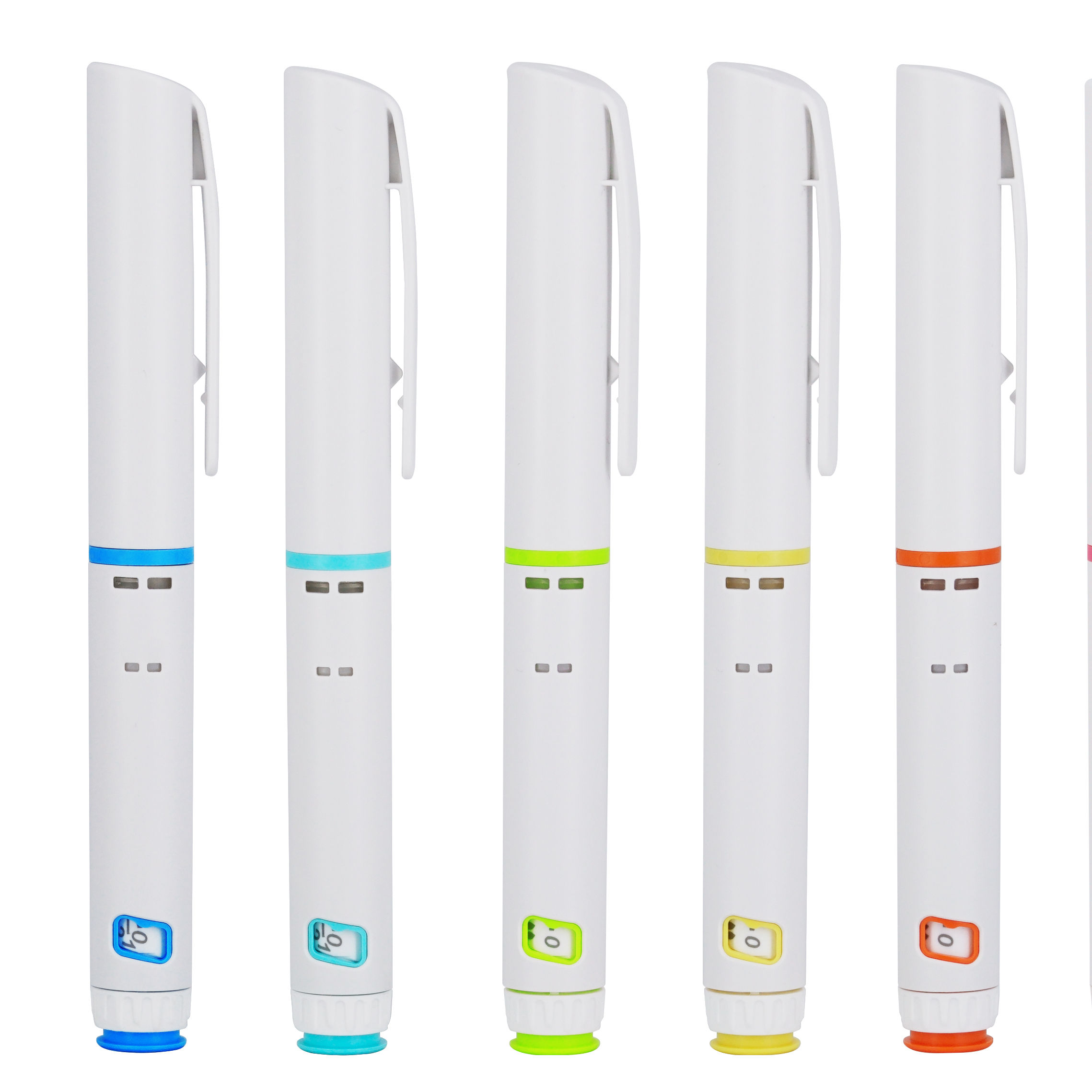
If you think documentation is boring, regulators strongly disagree.
Document Type | Purpose | Benefit |
|---|---|---|
Usage Logs | Track doses | Ensures accountability |
Batch Records | Trace product origin | Enables recalls |
Storage Logs | Monitor conditions | Prevents degradation |
Training Records | Staff competency | Reduces human error |
Compared to undocumented operations, a documented system is stronger, safer, and legally defensible.
It’s like having insurance—you don’t think about it until you really need it.
Most buyers throw away value at the end of a product’s lifecycle.
Approach | Cost Impact | Efficiency | Sustainability |
|---|---|---|---|
Disposal only | High cost | Low | Poor |
Supplier return programs | Lower cost | Better | Stronger |
Recycling partnerships | Moderate cost | High | Best |
Compared to disposal, return logistics are cheaper, greener, and smarter.
You’re not just managing waste—you’re managing recoverable value.
Guesswork is expensive. Data is powerful.
Model | Accuracy | Cost | Risk |
|---|---|---|---|
Manual ordering | Low | Variable | High |
Forecast-based | Medium | Better | Moderate |
Data-driven automation | High | Lower | Minimal |
Usage rate per patient
Average depletion cycle
Lead time from supplier
Buffer stock levels
Compared to manual systems, data-driven reordering is faster, more accurate, and less stressful.
Let’s call these out directly.
Mistake | Why It Happens | Better Alternative |
|---|---|---|
Choosing lowest price | Budget pressure | Evaluate total cost |
Ignoring compliance | Time constraints | Prioritize certifications |
Overordering | Fear of shortages | Use forecasting |
Undertraining staff | Assumption of simplicity | Invest in training |
Compared to strategic sourcing, reactive buying is more expensive, more chaotic, and less scalable.
Think of this as your operational cheat sheet.
Resource | Purpose | Value |
|---|---|---|
Supplier evaluation checklist | Compare vendors | Faster decisions |
Activation SOP | Standardize usage | Fewer errors |
Storage compliance guide | Maintain quality | Better outcomes |
Audit template | Prepare for inspections | Reduced risk |
Compared to improvising, using structured tools is stronger, faster, and more reliable.
Here’s the bottom line.
Working with a peptide pen supplier isn’t about making one perfect decision—it’s about making hundreds of consistent, disciplined decisions.
The clinics and companies that win aren’t the ones who improvise brilliantly once. They’re the ones who:
Verify every shipment
Train every user
Track every dose
Audit every process
Compared to reactive operations, consistent systems are more scalable, more profitable, and far less stressful.

Question | Answer |
|---|---|
What is a peptide pen supplier? | A peptide pen supplier provides prefilled or refillable injection devices designed for precise peptide delivery in clinical or research settings. |
Are peptide pens better than syringes? | Yes, they are generally faster, easier, and more accurate, but also more expensive compared to traditional syringes. |
How long can a peptide pen be used after activation? | Typically up to 7 days, depending on the peptide and storage conditions. |
What is the biggest risk when using peptide pens? | Improper storage and incorrect dosing are the most common risks. |
How do I choose the best supplier? | Focus on compliance, transparency, and consistency rather than just price. |
Are cheaper suppliers worth it? | Usually not. They may be less reliable and more expensive long-term due to failures and inefficiencies. |
Can peptide pens be reused? | Some are refillable, but strict hygiene and compatibility rules apply. |
What documentation is required for compliance? | Usage logs, batch records, storage logs, and training documentation are essential. |


