
Views: 0 Author: Site Editor Publish Time: 2026-03-19 Origin: Site


Let’s be honest—most people obsess over the peptide itself. Purity, stability, sequence… all critical, right? Absolutely. But here’s the twist: even the best peptide in the world can fall flat if the delivery system is clunky, unreliable, or unsafe.
That’s where the concept of a peptide pen supplier comes in.
Think of it like this: having a high-quality peptide without a proper delivery system is like owning a luxury sports car but driving it on flat tires. Sure, the engine is powerful—but performance? Not so much.
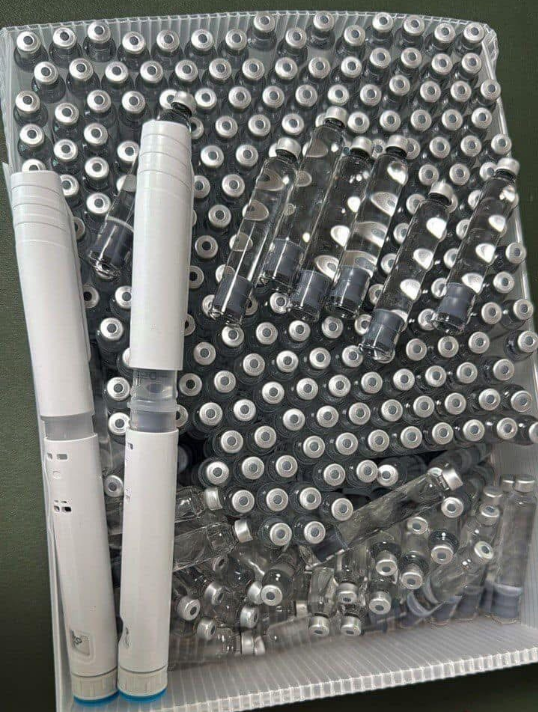
Peptide pens—pre-filled, easy-to-use injection devices—are rapidly becoming the preferred delivery method in both research and wellness sectors. Compared to traditional vials and syringes, peptide pens are:
Better for user convenience
Faster to administer
Safer with reduced dosing errors
More expensive, yes—but often worth it
So, choosing the right peptide pen supplier isn’t just a procurement decision—it’s a strategic move that can impact safety, compliance, user experience, and even brand reputation.

Before you choose a supplier, you need to understand the ecosystem. What exactly are you buying into?
A peptide pen is a pre-filled or refillable injection device designed for precise dosing. Compared to traditional syringes:
It’s lighter and more portable
It offers better dosing accuracy
It’s faster to use (no manual drawing required)
It’s often more expensive, but reduces waste
| Component | Description | Advantages Compared to Traditional Systems | Disadvantages |
|---|---|---|---|
| Device Hardware | The pen mechanism | More ergonomic, easier to use | Higher cost |
| Cartridge/Reservoir | Holds the peptide | Pre-measured dosing | Limited flexibility |
| Needle System | Delivery interface | Safer, often hidden | Disposable waste |
| Formulation Compatibility | Stability of peptide in pen | Better shelf-life (if optimized) | Requires advanced R&D |
| Supplier Network | Manufacturers & distributors | Scalable production | Quality varies widely |
Imagine buying a peptide pen that looks sleek but leaks, clogs, or degrades your compound. Not ideal, right?
The ecosystem is interconnected. A weak link—whether it’s poor formulation or cheap hardware—can compromise everything.
Choosing a peptide pen supplier is like hiring a co-pilot. You don’t just want someone who can fly—you want someone who can navigate turbulence.
| Capability | Why It Matters | Better vs Worse Comparison |
|---|---|---|
| GMP Compliance | Ensures safety and quality | Better: Certified facilities; Worse: Unregulated labs |
| Formulation Expertise | Stability and bioavailability | Better: Longer shelf-life; Worse: Rapid degradation |
| Device Engineering | Reliability and usability | Better: Smooth operation; Worse: Mechanical failure |
| Scalability | Ability to grow with demand | Better: Mass production ready; Worse: Limited capacity |
| Regulatory Knowledge | Avoid legal risks | Better: Faster approvals; Worse: Costly delays |
Not all peptides behave the same. Some are fragile, others more stable. A strong supplier understands how to:
Prevent oxidation
Maintain potency over time
Optimize pH levels
Compared to basic suppliers, advanced partners deliver stronger, longer-lasting formulations.
A poorly designed pen is frustrating at best—and dangerous at worst.
Better pens = smooth injection, precise dosing
Worse pens = jamming, leakage, inconsistent delivery
This is where many suppliers fall short. A good partner helps you navigate:
FDA guidelines
EU MDR requirements
Documentation and audits
Would you trust a random supplier with your brand’s reputation? Probably not. So let’s talk due diligence.
| Criteria | What to Check | Why It’s Important |
|---|---|---|
| Certifications | GMP, ISO | Ensures compliance |
| Track Record | Past clients, case studies | Proven reliability |
| Transparency | Open communication | Builds trust |
| Testing Protocols | Stability, sterility tests | Product safety |
| Pricing Structure | Cost breakdown | Avoid hidden fees |
How do you ensure peptide stability in pen format?
What testing protocols do you follow?
Can you scale production quickly?
What happens if there’s a defect?
If the answers feel vague, that’s a red flag.
A cheaper supplier might save you money upfront, but:
More defects = higher long-term costs
Poor quality = brand damage
Regulatory issues = legal headaches
Sometimes, more expensive is actually cheaper in the long run.
Not all supplier relationships are created equal. Some are transactional. Others? Transformational.
| Model | Description | Pros | Cons |
|---|---|---|---|
| Transactional | One-off orders | Flexible | No long-term support |
| Preferred Supplier | Ongoing relationship | Better pricing | Limited exclusivity |
| Strategic Partner | Deep collaboration | Innovation, scalability | Higher commitment |
If you’re just starting out, a transactional model might be fine. But if you’re scaling?
You need a strategic partner.
Why?
Because they:
Invest in your success
Offer faster innovation
Provide better customization
Compared to basic suppliers, strategic partners are stronger, smarter, and more aligned with your growth.
Let’s flip the script. What should scare you when evaluating a peptide pen supplier?
Lack of certifications
Poor communication
Unrealistically low pricing
No testing data
Limited customization options
| Risk | Mitigation Strategy | Outcome |
|---|---|---|
| Quality issues | Third-party testing | Higher reliability |
| Supply chain disruptions | Multiple suppliers | Better continuity |
| Regulatory failure | Expert consultation | Faster approvals |
| Device malfunction | Pilot testing | Reduced recalls |
Choosing a bad supplier is like building a house on sand. It might look fine at first—but sooner or later, cracks will show.
The peptide pen industry isn’t standing still. It’s evolving—fast.
| Trend | Impact | Comparison to Current Systems |
|---|---|---|
| Smart Pens | Track dosing digitally | Better compliance vs manual tracking |
| Needle-Free Delivery | Less pain | More comfortable vs injections |
| AI Integration | Personalized dosing | Smarter vs generic dosing |
| Advanced Materials | Improved stability | Stronger vs traditional plastics |
Suppliers who invest in innovation are:
Faster to adapt
Better at meeting future demands
More competitive in the long run
If your supplier is stuck in the past, your product will be too.

Here’s the golden rule: trust—but verify.
Even the best suppliers need oversight.
Audit regularly
Test independently
Keep communication open
Because in this industry, assumptions can be expensive—and sometimes dangerous.
| Question | Answer |
|---|---|
| What is a peptide pen supplier? | A company that manufactures or distributes pre-filled or refillable injection devices designed for peptide delivery. |
| Are peptide pens better than syringes? | Yes, in many cases. They are easier, faster, and safer, but more expensive compared to traditional syringes. |
| How do I choose the best supplier? | Look for certifications, experience, transparency, and strong technical capabilities. |
| Are there risks in using peptide pens? | Yes—improper formulation or poor device quality can lead to dosing errors or reduced effectiveness. |
| Who should use peptide pens? | Typically researchers and wellness professionals. Not all populations should use them without proper guidance. |
| What are the side effects? | Side effects depend on the peptide, not the pen itself. However, poor delivery systems can cause irritation or dosing issues. |
| Are advanced peptide pens worth the cost? | Often yes. They provide better accuracy, safety, and user experience compared to cheaper alternatives. |
| Can suppliers customize peptide pens? | High-quality suppliers offer customization, which is better for branding and specific applications. |


