
Views: 0 Author: Site Editor Publish Time: 2026-08-19 Origin: Site


Before we get into the gritty details of daily care, we need to have a serious heart-to-heart about the hardware itself. Walking into the world of peptide pens feels a bit like walking onto a car lot. You’ve got the sleek, durable, long-term investment models, and the lightweight, grab-and-go temporary options. Choosing between a reusable peptide pen and a disposable peptide pen isn't just a matter of cost; it’s a fundamental lifestyle decision that dictates your entire care routine. If you try to treat a reusable pen like a throwaway, you’re going to break it. If you try to refill a disposable cartridge with a fresh batch of BAC water mix, you’re creating a petri dish. Let’s break down the DNA of these two distinct tools, because understanding their mechanics is the foundation of everything that follows.
The Reusable Peptide Pen: The Heirloom Instrument
A reusable pen is the workhorse of the biohacking world. It feels heavier, sturdier, and undeniably more premium in your hand compared to its disposable cousin. The body is typically crafted from machined metal or high-durability polymers, housing a sophisticated internal ratchet mechanism. Its defining feature? It takes pre-filled, glass cartridges that you swap out like ink in a fountain pen. You’re not throwing the whole device away; you’re just tossing the empty glass reservoir. This makes it a significantly less expensive option in the long run. A high-quality reusable pen might set you back $50 to $100 upfront, but individual cartridges cost pennies compared to buying a whole new pre-filled disposable device every time.
Psychologically, there’s an advantage here. Because it’s a permanent tool, users tend to develop a ritualistic respect for it. You’re more likely to clean it, protect it, and treat it as a precision instrument. The mechanism is usually stronger and delivers a more consistent plunger force, leading to smoother, more accurate dosing. However, the "reusable" aspect also introduces the biggest risk: seal degradation. Over time, the rubber plunger inside the cartridge and the pen’s internal drive foot can wear down. If you’re constantly cranking the dial back and forth, you might notice the clicking feels "loose" or the dose dial slips. That’s mechanical wear screaming for an end-of-life check. You also have the added task of priming a reusable pen with a fresh needle every single time you load a new cartridge, a step so critical we’ll dedicate a whole section to it.
The Disposable Peptide Pen: The Convenience King
Now, the pre-filled disposable pen is a different beast entirely. It arrives with the peptide solution already sealed inside, ready to rock. You dial the dose, inject, and when the reservoir is empty, the entire unit goes into a sharps container. It’s lighter, often slightly smaller, and mentally, it’s easier to handle because you don’t feel the pressure of maintaining a $100 gadget. For the absolute beginner who is terrified of air bubbles or screwing up a cartridge insertion, a disposable pen feels safer. The peptide liquid is factory-sealed, which theoretically reduces the risk of bacterial contamination during the initial setup process.
But that safety comes at a price—literally. Compared to a reusable pen system, disposables are dramatically more expensive per milligram of peptide delivered. You’re paying for the convenience of the integrated device every single time. From an environmental standpoint, it’s also a nightmare of electronic and medical plastic waste. More critically for our discussion, the mechanical tolerance of a disposable pen is often inferior. The plastic gearing can feel "grindy," and the spring mechanism is sometimes weaker, leading to incomplete injections if you don’t hold the needle in your skin for a full 10–15 seconds after the click. Users often report a "hesitant" plunger action, where the dose doesn't start flowing immediately upon pressing the button. This can be nerve-wracking when you’re watching that last drop of precious peptide.
Which one is better? Well, if your priority is long-term cost and mechanical precision, the reusable pen wins, hands down. It’s the stronger, more durable, and ultimately less expensive path over a year of cycling. If your priority is zero maintenance and the absolute simplicity of a "grab and go" protocol (say, you travel constantly and lose things easily), the disposable pen’s slight premium might be worth the reduced mental load. But here’s the kicker: regardless of which one you choose, the rules of needle discipline and cleanliness we’re about to discuss apply equally. A dirty needle on a reusable pen is just as dangerous as a dirty needle on a disposable one. The tool changes, but the biology of sterility does not.
Feature | Reusable Peptide Pen | Disposable Peptide Pen |
|---|---|---|
Construction | Metal/durable polymer, stronger build | High-impact plastic, lighter build |
Cartridge System | User-loadable glass cartridges | Factory-sealed, non-removable reservoir |
Long-term Cost | Less expensive (buy cartridges only) | More expensive (pay for device each time) |
Mechanism Feel | Smooth, ratchet-driven, precise | Sometimes grindy, weaker spring return |
Weight & Feel | Heavier, premium, surgical feel | Lighter, portable, somewhat disposable feel |
Maintenance | Requires cleaning, seal checks, O-ring care | Zero maintenance, single-use lifecycle |
Environmental Impact | Low (minimal waste) | High (full device waste) |
Best Suited For | Long-term biohackers, cost-conscious users | Travelers, absolute beginners, short-term protocols |
Comparison of Reusable and Disposable Peptide Pen Characteristics for Informed User Selection

If you take away only one lesson from this entire sprawling guide, let it be this: your peptide pen is a castle, and the needle is the drawbridge. Everything flows through it, and if that drawbridge is rusty, busted, or crawling with invaders, your fortress is compromised. Needle discipline isn’t just a good habit; it’s the absolute, non-negotiable golden rule. I’ve seen smart, rational people do unspeakably unhygienic things with pen needles, often driven by a misguided sense of frugality. "It’s just my own skin," they argue. "I’m the only one using it." That logic is a biological trap, and we need to dismantle it right now.
Why "Re-using a Needle Just This Once" Is a Catastrophic Mistake
Let’s get microscopic for a second. Even a single skin puncture—just one—changes the physical structure of a pen needle. They are engineered to be atomically sharp, lubricated with a fine silicone coating to glide painlessly through your dermis. After one injection, that surgical tip curls and bends under a microscope. It turns into a tiny, barbed hook. Injecting with a used needle isn’t a glide anymore; it’s a tear. This is why your second shot with the same needle stings like a wasp. You are literally ripping a larger hole in your tissue, causing micro-trauma that leads to bruising and scarring over time. If you want to look like a human pincushion with tough, lumpy scar tissue (lipohypertrophy) that impedes future absorption, go ahead and reuse. But a sharper, fresh needle is infinitely better for preserving your subcutaneous real estate.
Now, the infection risk. Your skin isn’t sterile, and neither is the air around you. Once that needle retracts from your body, it carries traces of blood, interstitial fluid, and surface bacteria up into the cartridge and into the pen’s internal chamber. Even if you cap it immediately, you’ve created a warm, moist highway for Staphylococcus and Streptococcus to throw a party. Do you really want to push that bacterial cocktail back into your sterile peptide reservoir? Because that’s exactly what happens when you reattach an old needle. The pressure differential sucks that contaminated fluid right back down into your precious reconstituted vial. You might as well be injecting a science experiment gone wrong. Compared to using a fresh, sealed needle, reusing is like playing Russian roulette with your injection site—except the bullet is a painful abscess that requires a doctor’s visit.
The "One-Twist, One-Shot" Protocol
Discipline is mechanical. Here is your non-negotiable ritual:
Swab the pen’s rubber septum with an alcohol wipe. Wait for it to dry.
Peel the sterile seal off a fresh pen needle.
Screw it on straight. Don’t cross-thread it. This ensures an airtight seal so your peptide doesn't leak out under pressure, which would make your dosing less accurate.
Pull off the outer cap. Pull off the inner cap. Do not touch the exposed needle hub.
Prime the pen (we’ll get to that).
Inject.
Immediately use the outer cap to safely unscrew the needle. Do not touch it with your fingers.
Drop it straight into a certified sharps container.
That’s it. Eight seconds of work to save you weeks of healing from a site infection. The needles are the least expensive consumable in your entire stack. Packs of 100 high-quality, ultra-fine (31G, 8mm) pen tips cost roughly the same as a fast-food lunch. There is no financial logic in reusing them; it’s a habit born from laziness, and laziness has no place in parenteral administration. If you feel a burning pinch, you’ve likely used a duller, thicker needle—or worse, a reused one. A finer gauge like 32G is noticeably better for comfort if you have sensitive skin, and the shorter 4mm or 6mm needles are excellent for avoiding intramuscular injections, making them safer for sub-Q delivery.
I treat every needle like a surgical blade. Would you let a surgeon cut you open with a scalpel they’d just used on the last patient because it “still looked sharp”? No, you’d run screaming from the OR. Adopt that same visceral respect for sterility. Your peptide pen should never, ever have a needle attached while sitting on your bathroom shelf. That open needle is an air vent and a bacterial chimney. Take it off. It’s the golden rule for a reason.
Let’s shift from the internal path of the needle to the external skin of the pen itself. You’ve mastered needle swaps—great. But what about the device you’re clutching in your hands 15 minutes after finishing a sweaty gym session? Peptides are profoundly fragile strings of amino acids. They aren't robust, stable small molecules. If you inadvertently introduce bacteria, fungi, or even residue from an aggressive cleaning agent into the cartridge hub, you’re not just risking an infection; you’re risking the structural annihilation of the peptide itself. Oxidative stress and enzymatic degradation can turn your expensive batch inert. The mantra here is simple: Cleanliness isn’t just hygiene; it’s potency insurance.
The "No-Dunk" Policy
This is the most common catastrophic error I see in forums. Someone decides their reusable pen looks a bit grimy, so they run it under a hot tap, submerge it in soapy water, or—heaven forbid—toss it into an ultrasonic cleaner or a pot of boiling water to "sterilize" it. Please don’t do this. Your peptide pen is an electromechanical device (or a finely threaded mechanical one), not a piece of cutlery. Water is the enemy of the internal ratchet system. Moisture trapped inside the dosing mechanism will rust the springs, cause the lubricant to gum up, and create a breeding ground for mold within the windings. A soaked pen will eventually seize. The dial will become harder to turn, the click will feel muted and sticky, and the dose accuracy will plummet. Compared to a properly cared-for pen, a water-damaged one will have a drastically shorter lifespan and a weaker, inconsistent delivery profile.
The 70% Isopropyl Alcohol Love Affair
Your only approved liquid for cleaning a peptide pen is 70% isopropyl alcohol. Notice the concentration—70%, not 90% or 99%. Why? It’s not a case of "higher is better" here. 70% IPA actually disinfects better than its stronger counterparts because the water content slows evaporation, allowing the alcohol longer contact time to penetrate and destroy bacterial and fungal cell walls. The 90% stuff flashes off so quickly it barely has time to sterilize before it’s gone.
Here’s the cleaning drill:
Daily Surface Wipe: Once a day (or after any sweaty situation), dampen a lint-free cosmetic pad or microfiber cloth with 70% IPA. Not dripping wet, just damp. Gently wipe down the entire body of the pen, the dose dial, and the injector button. Avoid the cartridge compartment unless it’s empty.
Septum Scrubbing: This is the "front door" of your peptide reservoir. Every single time you attach a new needle, that gray rubber septum needs a firm, 5-second scrub with a fresh alcohol swab. You’re scraping away the micro-dust and dead skin cells that settled since the last shot. Injecting through a dirty septum is like driving a nail through a contaminated cork straight into your wine. If you skip this, you’re pushing particles directly into the sterile peptide solution, accelerating its degradation and making it less effective over time.
Deep Clean (Empty Chamber): When you’ve finished a cartridge and before inserting a new one, you have a rare window to access the internal cavity. With the empty pen open, inspect the rubber drive foot. If there’s a tiny speck of glass dust from a cartridge, use a blast of canned air or a dry cotton swab to gently dislodge it. A single grain of silica can grind against the plastic gears, making the action feel grittier and less smooth than it should.
Never use bleach, hydrogen peroxide, or essential oils. Bleach corrodes the metal. Hydrogen peroxide is an oxidizer that can vaporize and travel into your peptide solution, potentially destroying sensitive disulfide bonds. Oils leave a sticky residue that traps dirt. Keep it simple. A clean pen is a happy pen, and a happy pen delivers accurate, potent doses every time.
Step | Action | Rationale & Impact |
|---|---|---|
1. Pre-Wipe | Wash and dry your hands thoroughly. | Reduces baseline bacterial load; prevents transferring skin flora to the pen. |
2. Dampen | Moisten a lint-free wipe with 70% Isopropyl Alcohol. | 70% solution evaporates slower, ensuring better pathogen kill time compared to 99%. |
3. Body Wipe | Wipe the pen barrel, dosage knob, and injection button. | Removes oils and sweat that can corrode the print or plastic over time, keeping grip lighter. |
4. Septum Focus | Firmly rub the rubber cartridge septum for 5-10 seconds. | Most critical step; creates an aseptic gateway, keeping the peptide stronger (free of microbial contamination). |
5. Thread Cleaning | Gently rotate the damp cloth around the needle attachment threads. | Prevents buildup of dried interstitial fluid that can cause cross-threading and a loose needle fit. |
6. Air Dry | Allow 30 seconds for complete evaporation before attaching a needle. | Ensures no liquid alcohol mixes with the peptide, which would denature the amino acid chains. |
Step-by-Step Peptide Pen Cleaning Procedure Ensuring Long-Term Device Integrity and Potency
Okay, let’s talk about real estate. You’ve meticulously cleaned your pen, and you’ve locked in your needle discipline. But where does your peptide pen live between those daily injections? If you’re leaving it on a sunny windowsill, in a steamy bathroom cabinet, or—most terrifyingly—in a hot car glovebox, you’re actively cooking your investment. Peptides are not shelf-stable. They are metastable biological whispers. Their delicate three-dimensional structure, which dictates their biological activity, is under constant assault by heat, light, and mechanical shock. Creating a sanctuary for your peptide pen isn’t about being fussy; it’s about respecting thermodynamics. A peptide pen that is stored intelligently will yield faster results because the payload is stronger and hasn’t aggregated into useless clumps.
The Fridge is Your Friend (But Strategically)
The golden rule—and you’ll hear this repeated like a mantra—is that reconstituted peptides must be refrigerated at 2°C to 8°C (36°F to 46°F). This is non-negotiable. At room temperature, the water in your bacteriostatic solution provides enough kinetic energy for peptide molecules to collide, denature, and form fibril aggregates. You might not see them, but these micro-clots are biologically inactive and can trigger immune reactions. Storing your loaded pen in a dedicated peptide fridge case keeps the solution fresher and biologically safer for up to 30–60 days, compared to just a week at room temperature.
But here’s where we need to be specific and avoid a rookie disaster: never store a pen with a needle attached in the fridge. We covered the bacterial chimney effect, but there’s a second, sneakier villain: thermal siphoning. As the air and liquid inside the cartridge cool down, they contract. This creates a vacuum that actively pulls ambient air (and bacteria, and moisture) back into the sterile chamber. If the needle is off and the rubber septum is intact, the cartridge seals tight. If the needle is on, you’ve just opened a direct siphon line from your fridge’s interior atmosphere into your peptide vial. The cleanliness of your fridge matters. Dedicate a sealed, airtight container—a Tupperware lined with a paper towel—just for your peptide gear. This minimizes the exposure to the condensation and mold spores that lurk in the back of a typical fridge. A lighter, portable insulin cooling wallet is a better investment than using your food fridge unprotected.
The Anti-Light and Anti-Motion Protocol
Ultraviolet light is a peptide assassin. It generates reactive oxygen species that slice through methionine and tryptophan residues like scissors through silk. Most modern cartridges are made of clear glass for inspection. This means your pen is essentially a lens focusing destructive light right onto the solution. Always store your pen in a dark pouch or, at the very least, wrap the cartridge compartment in aluminum foil. It’s low-tech but incredibly effective. A peptide stored in the dark will remain biologically stronger and more potent compared to a vial left out on a bench for an hour a day.
What about mechanical shock? Vigorous shaking is the enemy. Have you ever shaken a bottle of expensive wine? It’s ruined. Shaking a peptide pen is far worse. The shear force introduces massive air-liquid interfaces. Peptides are amphiphilic; they love to stick to air bubbles. When you shake the pen, you whip those bubbles into a froth, denaturing a significant percentage of the active compound. If you need to mix the solution after reconstitution, never shake. Roll the pen gently between your palms like you’re trying to warm up a stick of clay, or invert it slowly three or four times. A pen that has been rolled gently will deliver a more consistent dose than one that was aggressively agitated.
Traveling with Your Pen
Travel is the ultimate stress test. If you’re flying, the pen and loaded cartridges belong in your carry-on, never in the checked baggage. The cargo hold can freeze, and frozen peptides are dead peptides—the ice crystals physically destroy the delicate structures. Additionally, freezing expands the water, which can shatter the glass cartridge or dislodge the rubber stopper, leading to catastrophic leaks. A crushed, leaking pen buried in your luggage isn't just a financial loss; it's a sticky, suspicious mess for TSA. A smaller, lighter thermal case specifically designed for insulin pens is the best travel companion. It stabilizes the temperature and prevents the jostling that can introduce those dreaded micro-bubbles. Compared to just throwing the pen loose in a Dopp kit, a proper case is a less risky, cleaner, and overall smarter way to travel with fragile biologics.
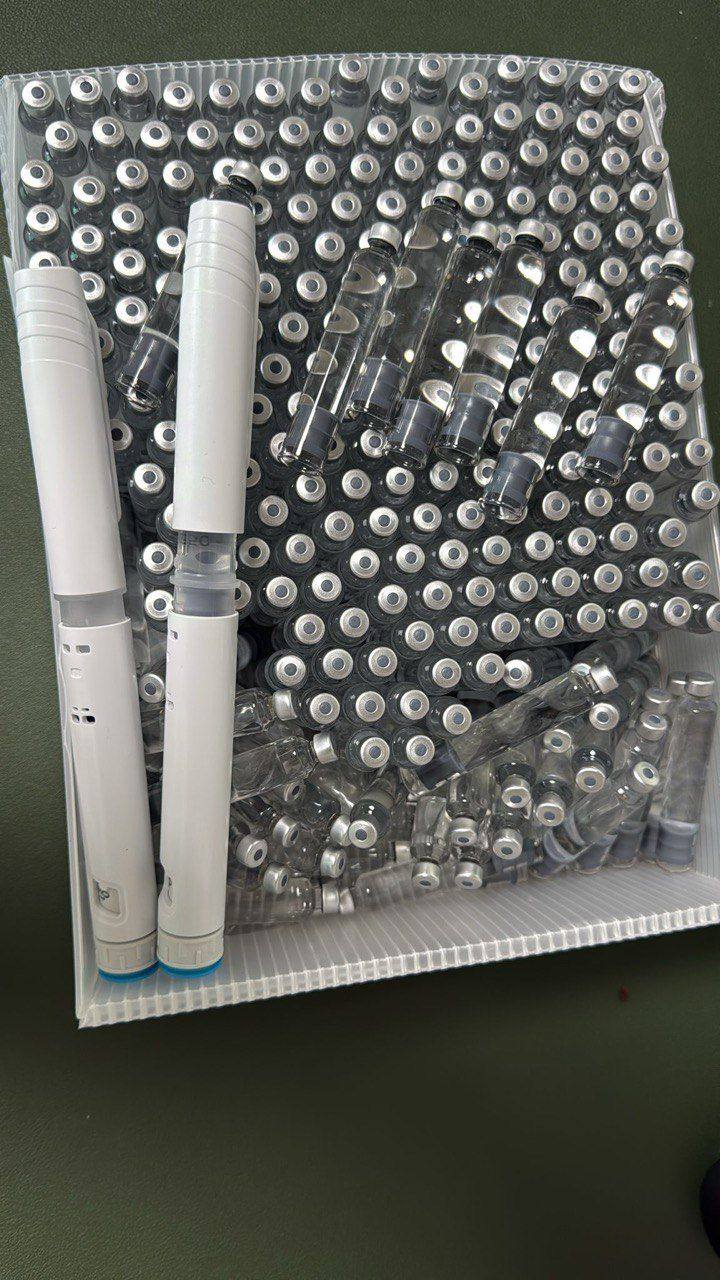
We’ve spent a lot of time on how to keep the pen pristine. But the health of your pen is also directly tied to how you use it during the actual injection. Bad technique doesn't just hurt you; it physically damages the internal drive mechanism. If you’ve ever said, "My pen feels like it’s grinding," or "The dose meter jumps back before I’m done," you’re likely executing a flawed injection technique that is destroying the pen’s guts. Think of it as a symbiotic dance: you deliver the peptide, and the pen relies on you to handle the mechanical stress correctly. A user with better technique can make a pen last years; a clumsy user can brick one in a month.
The Prime (Every. Single. Time.)
Priming—dialing up a small "air shot" unit and pressing the button until a droplet appears at the needle tip—is the single most important step for pen health and dose accuracy. Never skip it. Why? When you screw on a new needle, you introduce a small gap of dead space. If you don't fill that gap with liquid before you inject, your actual dose will be less than what you dialed up. You’ll be under-dosing your protocol without even knowing it.
For the pen’s health, priming serves as a pressure system check. It confirms that the plunger rod is making firm, even contact with the cartridge’s rubber piston. If you don't see a droplet after a couple of units, you’ve spotted a "gap" early. This is your chance to fix the mechanical disconnect. If you skip the prime and just inject into your body, you're forcing the drive foot to travel forward while "pushing air." This can misalign the inner threading, causing the ratchet to slip. Then, on the next dose, the mechanism might jump, delivering a wildly inaccurate volume. A pen that is diligently primed before each needle change will function longer and smoother, maintaining a consistent, light clicking sound. A pen constantly forced through unprimed dead space will quickly feel "grindy" and heavier to press.
The 10-Second Embrace
After pushing the injector button all the way down (you should hear a distinct terminal "clunk"), you’ve only completed half the job. The rubber plunger inside the cartridge is still decompressing. If you pull the pen out immediately, that back-pressure will squirt a drop of precious peptide out onto your skin. You’ve lost volume, and you’ve introduced a violent negative pressure spike inside the cartridge, tugging on the internal seals.
Hold it. Keep the needle buried in your skin for a solid 8 to 10 seconds. I count slowly—one-Mississippi, two-Mississippi—while maintaining steady, gentle pressure on the button. This allows the soft tissues to absorb the fluid bolus and lets the mechanics settle. This simple habit makes your dosing more accurate and prevents "suck-back," where body fluids reverse-flow into the needle due to the vacuum. Suck-back contaminates the remaining peptide solution, making it less sterile and likely less effective.
Angle and Pinch: Protecting the Sub-Q Zone
You’re aiming for the subcutaneous fat layer, not the muscle. A 90-degree injection with a short 4mm or 6mm needle is generally ideal for most body types. However, if you’re very lean with low body fat, a 45-degree angle with a gentle skin pinch is safer. It ensures you don't perforate the fat layer and enter the muscle fascia, which would cause the peptide to be absorbed faster than intended (changing the pharmacokinetic profile) and will likely bruise. But be gentle with the pinch! If you’re white-knuckling a fistful of your belly fat, you’re creating tremendous tissue pressure. The pen has to work harder to push against that compression. Over time, forcing the pen against a very tight pinch can strip the internal gears, making the dose dial loose and the plunger action feel weaker. A light, lifted pinch to stabilize the skin is better than a fierce, squeezing pincer grip. Listen to your pen; if the button feels exceptionally stiff compared to normal, release the pinch slightly. You’re looking for a smooth, fluid glide—the pen should feel like it's doing the work, not fighting you.
Even with meticulous care, mechanical devices can develop a mind of their own. The dial feels stuck. The fluid looks cloudy. You pressed the button and nothing happened. When your peptide pen starts acting up, the spike of panic is real. You’ve got a protocol to stick to, and a broken delivery system is a threat to your cycle’s consistency. But don't throw the pen across the room in frustration just yet. Most pen "failures" are actually user-error puzzles that can be solved with a calm, logical diagnostic approach. Let's play peptide pen doctor and fix the most common mechanical and biological hiccups.
Symptom: The "Stuck Dial" (You Can't Turn the Dosage Knob)
You’re trying to dial up your 250mcg dose, and the knob just refuses to rotate. You push harder, and it feels like you might snap the plastic. Stop. The issue is almost never a sudden gear seizure. 99% of the time, the pen isn't broken; it's just empty. The internal mechanism is designed with a hard stop to prevent you from drawing air into the chamber once the cartridge is depleted. If the plunger has reached the bottom of the glass cartridge, the dial will lock out mechanically. Forcing it will strip the threads, making the pen permanently useless and the resetting mechanism unreliable.
The Fix: Look at the transparent window of your cartridge. Is there enough liquid left? If not, the pen is simply smarter than you are. Replace the cartridge. If there is liquid and the dial is stuck, you might have an obstructed needle. Unscrew the needle and try to dial. If it moves freely, you had a blocked flow path (a rare manufacturing defect). Replace the needle and re-prime.
Symptom: The "Air Bubble Armada"
You look at the glass reservoir and see a line of tiny, champagne-like bubbles stubbornly clinging to the wall, or worse, one massive bubble sitting right at the top. Should you panic? Not necessarily. A tiny micro-bubble (the size of a pinhead) is cosmetic and harmless in sub-Q injection; you are not injecting into a vein. However, a large bubble can displace the peptide liquid, making your dose less accurate in volume. It also increases the internal air pressure, which can contribute to post-injection dripping (a sign of less efficient delivery).
The Fix: This is where the "pen flick" comes in. Hold the pen firmly by the body, needle pointing up, and flick the cartridge side sharply with your fingernail. Think of a nurse flicking a syringe. This dislodges the surface tension holding the bubbles to the glass. Immediately after flicking, dial up 1 unit and prime the bubbles out. Do not violently shake the pen to get rid of them. Remember, shaking denatures your peptides, making them biologically weaker. Gentle tapping and upward priming is the cleaner, safer method. A pen with properly managed air pressure will inject with a quieter, smoother action compared to one fighting internal air compression.
Symptom: The "Leaky Pen" (Fluid at the Threads)
You unscrew the needle and notice a sticky wetness on the pen’s threads, or worse, a drop of precious peptide leaking down the side during injection. This is a sign of a compromised seal, and it means you've been receiving unknown (likely under-) doses. The leakage path is almost always between the cartridge septum and the needle's back-end spike.
The Fix: Never tighten a pen needle with a wrench-like death grip. Over-tightening crushes the rubber septum, causing micro-tears that eventually leak. The fix is simple: discard the current cartridge (as the septum is compromised), and with the new cartridge, attach the needle "finger tight" only. Snug, not strained. Using a higher quality brand of pen needles (look for those labeled "thin wall" or "surgical steel hub") provides a tighter engineered seal compared to cheap generic tips. Additionally, ensure you are not "leveraging" the needle sideways as you inject; keep the pen perfectly straight to avoid bending the cannula and warping the septum. A straight, properly aligned needle ensures a lighter, leak-proof flow.
Symptom: The "Cloudy Cocktail"
You pull the pen out of the fridge and the once-crystal-clear peptide liquid looks slightly hazy, has a frosty look, or—worst-case—has visible white strands floating in it (fibrils). This isn't a mechanical fault; it's a biological failure. The peptide has aggregated. It's dead.
The Fix: There is no fix. Do not inject aggregated peptides. The risk of a massive local allergic reaction or granuloma formation is high, and the therapeutic effect is zero. You need to safely discard that cartridge. This is almost always a storage error. The pen was left in a hot car, shaken to oblivion in a gym bag, or reconstituted with old, dead bacteriostatic water. To prevent this, always use fresh BAC water, and store the pen still and cold. A pen kept in a stable thermal environment will maintain its clarity and biological power longer than one subjected to temperature swings.
Common Problem | Immediate Action | Long-Term Prevention Strategy |
|---|---|---|
Dial Won't Turn | Check cartridge level; replace if empty. If not, remove and replace needle to clear blockage. | Keep a log of doses to anticipate cartridge changes; never force the mechanism. |
Pen Not Injecting | Ensure needle is fully screwed on. Remove needle, re-prime to ensure flow, and hold the button firmly for 10+ seconds. | Use a faster-flowing thin-wall needle; replace cartridge if plunger grip is slipping. |
Visible Air Bubbles | Flick the pen barrel vertically with your fingertip; prime upwards to expel the bubble cluster. | Load cartridges slowly; warm the pen slightly before use to reduce viscosity; store upright. |
Fluid Leakage | Discard cartridge if septum is wet. Hand-tighten a new needle onto a new cartridge; do not over-torque. | Invest in better quality, silicone-coated needles; rotate the spot where the spike pierces. |
Painful Injections | Remove needle immediately; replace with a fresh, sharper 32G tip. Rotate to a fresh site. | Never reuse needles; a sharper needle is always less painful and safer. |
Cloudy/Precipitate | Stop use. The peptide has denatured. Discard the entire cartridge responsibly. | Verify BAC water pH/sterility; store at a constant 4°C; never shake, only roll to mix. |
Troubleshooting Common Peptide Pen Issues and Proactive Solutions for Reliable Therapy
Nothing lasts forever, not even the best-engineered peptide pen. We form attachments to our tools. Maybe this pen has seen you through a major body transformation, healed a chronic injury, or simply become a trusted part of your morning ritual. But hanging onto a dying pen out of sentimentality is a dangerous game of diminishing returns. A pen that is past its prime becomes a liability, delivering micro-dosing errors that compound into a failed protocol. Recognizing the signs of terminal mechanical fatigue is just as crucial as knowing how to use the device. You need a dignified retirement plan for your hardware.
Recognizing Mechanical Senescence
How do you know when the soul is leaving the machine? The first whisper of death is usually in the dial. If the clicking sound becomes uneven, or if you physically feel a "skip" when dialing—like the gears are jumping a tooth—the internal ratchet is worn. This means that a dialed dose of "5" might actually deliver a physical volume of "4.2" or "5.8." Compared to a precise, new pen, this introduces a chaotic variable you can’t correct for. Your cycle becomes anecdotal, not scientific.
The second sign is the plunger back-off. After you inject and release the button, the plunger rod should stay put. If it bounces back or drifts backward, the anti-backlash clutch is failing. This causes the very suck-back contamination problem we tried to avoid. A pen with a loose, back-sliding plunger is delivering doses that are less accurate and drawing bacteria into the cartridge, making it less safe.
Finally, check the body integrity. Cracks in the clear resin window? Hairline fractures near the needle mount? These compromise the structural rigidity, allowing the cartridge to shift microscopically during injection. A shifting cartridge equals inconsistent needle depth and potential leakage. A pen with a fractured body is structurally weaker and should be retired immediately, no matter how much you paid for it.
The Reset Ritual for Reusables
If your reusable pen simply feels stiff or the dosing has drifted slightly, and it’s not physically broken, you can often rejuvenate it with a full reset. This requires removing the cartridge and the needle. Using the reset tool (or your fingers on certain models), wind the plunger rod all the way back into the body. Leave it in this "unwound" state for an hour. Sometimes, the constant compression of the spring causes it to lose tensile strength. Letting it rest decompresses the metal, restoring a bit of its spring-back. When you load a fresh cartridge and wind it back up, the action will often feel tighter and snappier. A pen that gets a periodic decompression rest will function longer and feel stronger than one kept under constant mechanical load for months on end.
Disposal and the Circle of Life
When the pen is truly dead, you can't just toss it in the kitchen trash. This is a biohazard device containing sharp components. It goes into your rigid sharps container. If the pen has a non-removable lithium battery (some smart pens do), it needs to go to an e-waste recycling center, not a landfill. Separating the high-grade plastics and metals where possible is the environmentally responsible move. Don’t let your peptide pen’s final act be stabbing a sanitation worker. Dismantle what you can, recycle the electronics properly, and let your faithful device retire with honor, knowing it served its purpose without compromising your safety or the environment. Then, grab your fresh, new, surgically precise replacement and start the journey anew, armed with all the wisdom this guide has bestowed.

We’ve been on quite a journey, haven’t we? From the sterile threads of the needle hub to the dark, cold sanctuary of the fridge, we’ve explored the hidden world of your peptide pen. It’s easy to think of this device as just a plastic syringe with a fancy dial, but I hope you now see it differently. Your pen isn’t just a tool; it’s the curator of your peptide’s fragile life, the guardian of sterility, and the gatekeeper of dosing accuracy.
If there’s one overarching narrative I want you to take away, it’s that small, consistent habits compound into massive outcomes. Skipping one needle change won’t kill you. Forgetting to wipe the septum once probably won’t end your cycle in disaster. But the cumulative effect of these shortcuts creates a statistical trap. You’ll slowly degrade your peptides’ potency, you’ll accumulate scar tissue, and you’ll eventually wreck a beautiful mechanical device. You’ll be left wondering why the "magic" isn’t working, blaming the source, blaming the compound, when really, the culprit was staring at you from the bathroom counter every morning.
Treat your peptide pen with the reverence it deserves. Listen to the click of the dose dial—a smooth, uniform click is a healthy heartbeat; a gritty, hollow click is a cry for help. Feel the glide of the plunger. A fluid, consistent resistance means your internal seals are alive and well. Watch the clarity of the liquid. A crystal-clear, bubble-free solution is a visual confirmation of your competency in storage.
Embrace the rituals. The flick, the prime, the 10-second hold, the nightly alcohol wipe down. These aren’t chores; they are your contract with precision medicine. When you treat your equipment like a professional, you get professional results. You ensure that every microgram you pay for ends up working its biological magic inside your body, rather than being torn apart by bacteria, shaken to death in a bag, or boiled into uselessness by sunlight. Your health is an investment, and your peptide pen is the brokerage account. Manage it wisely, keep it secure, and it will pay dividends in vitality for years to come. Now, go give that pen a clean and a fresh tip—your body will thank you.
Question | Answer |
|---|---|
How often should I really change the needle on my peptide pen? | Every. Single. Injection. No exceptions. Reusing a needle introduces bacteria, causes microscopic burrs that make it duller and more painful, and can draw contaminants back into the sterile cartridge. Fresh needles are the least expensive safety insurance you can buy. |
Can I store my peptide pen in the fridge door? | While colder than a shelf, the door is the worst place for temperature stability. Every time you open the fridge, warm air hits the pen, causing micro-expansion and condensation. The better spot is the main body of the fridge, inside an airtight, dark case to protect from light and motor vibrations. |
My peptide pen feels "gritty" when I press the button. Is it broken? | It’s likely dirty or wearing down. A smoother action is normal. Grittiness suggests dried residue inside the mechanism (perhaps from a past leak) or a cracked glass cartridge creating dust. Try a deep clean of the empty chamber. If it persists, the internal gearing may be stripped, and a new pen will be more reliable. |
Why is there always a tiny drop of liquid on my skin after I inject? | This is usually a failure to follow the "10-second rule." Pulling the needle out too soon doesn't allow the tissue to absorb the fluid. It can also be caused by injecting too fast or using excessive force. Keep the needle in for 8-10 seconds and ensure you maintain pressure on the button to prevent post-injection drip. |
Is it safe to travel on an airplane with a loaded peptide pen? | Yes, but always in your carry-on luggage, never checked. Cargo holds freeze, destroying peptides. Carry documentation (like a research invoice or prescription) and keep it in a lighter, TSA-friendly cooling case. The pressure changes won't hurt the pen, but make sure the needle is removed to prevent leakage from pressure differentials. |
Do I need to refrigerate the bacteriostatic water and unopened peptide vials too? | Unreconstituted (dry powder) peptides are generally more stable at room temperature away from light, but many users store them in the freezer for long-term preservation. Always follow the vendor’s guidance. Bacteriostatic water can be stored at room temp until opened, but refrigerating it once opened keeps it safer and less susceptible to bacterial growth for longer. |
What gauge needle is best for minimizing scar tissue and pain? | A higher gauge number equals a thinner needle. A 31G or 32G is ideal for painless subcutaneous delivery. A shorter length (4mm or 6mm) is better for reaching the fat layer without hitting muscle, reducing the risk of deep tissue scarring and making the experience less intimidating for daily use. |


